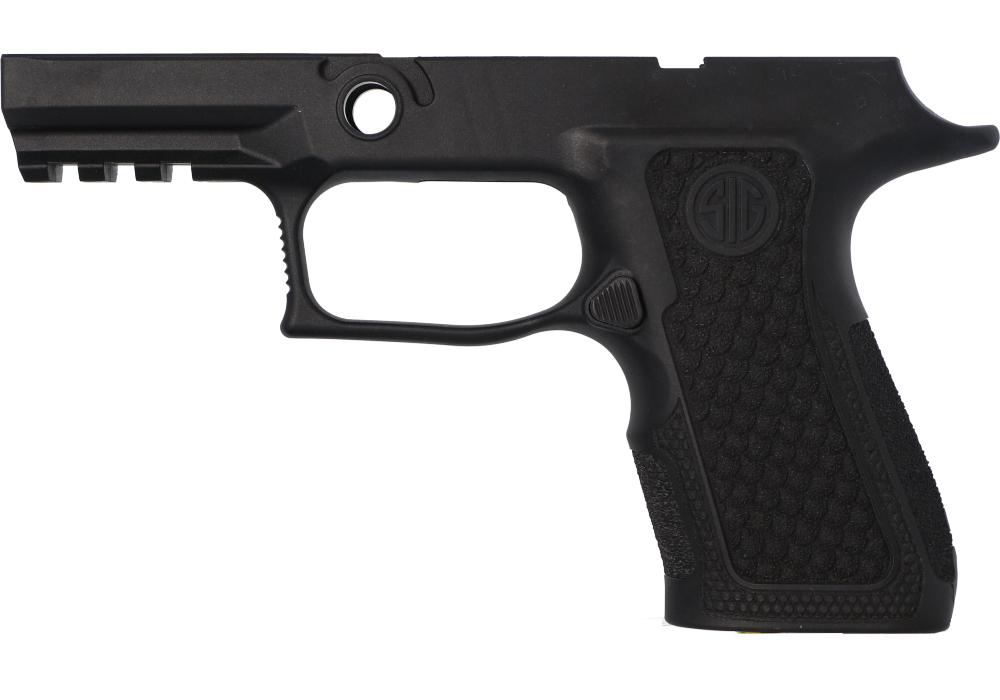
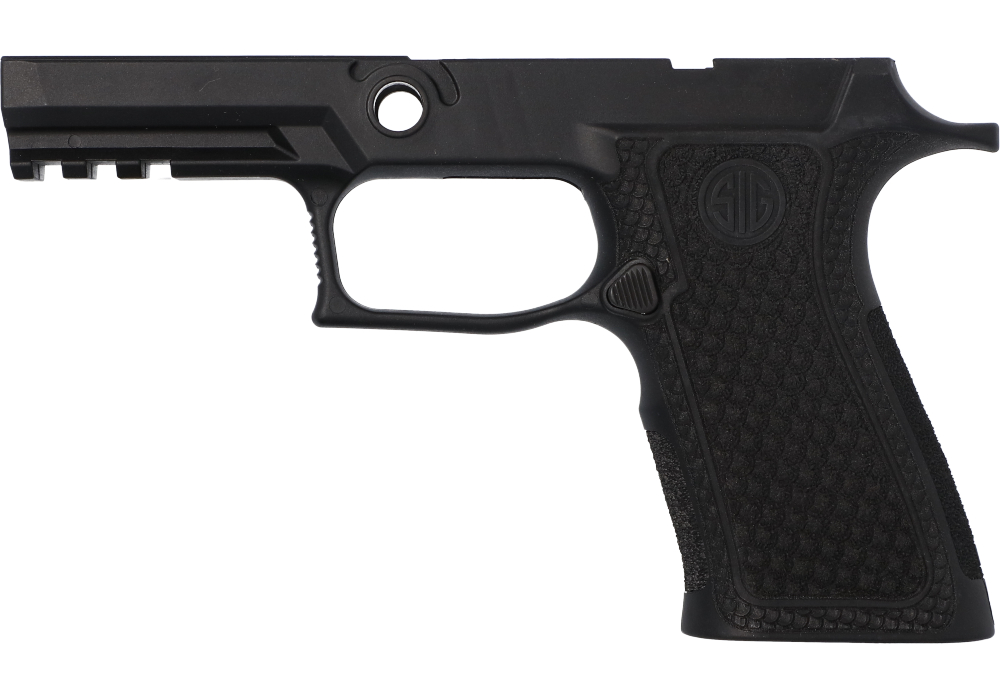
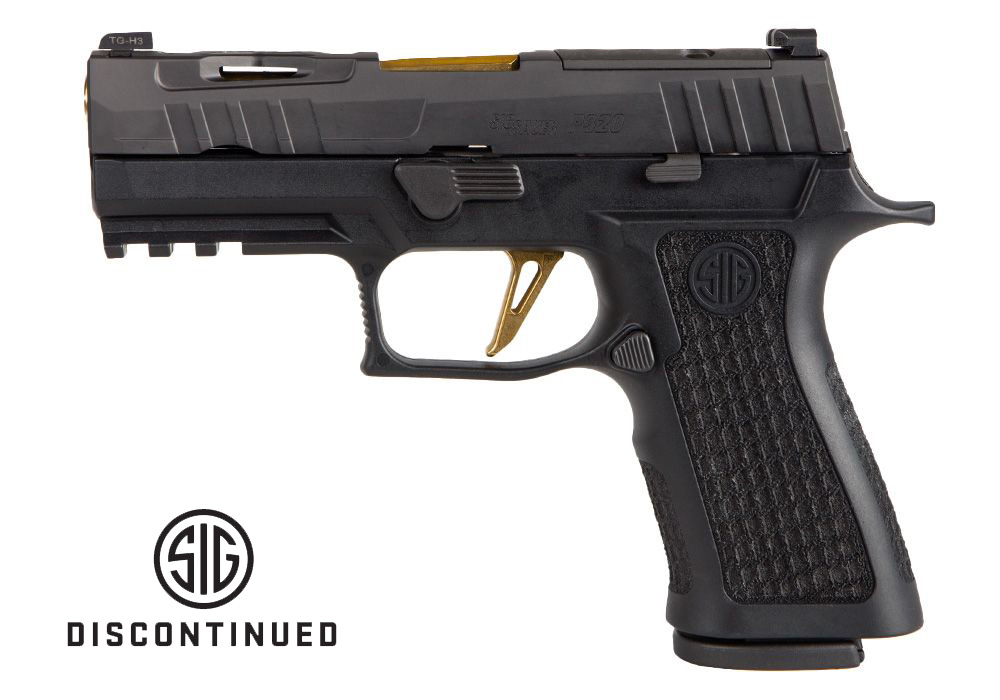
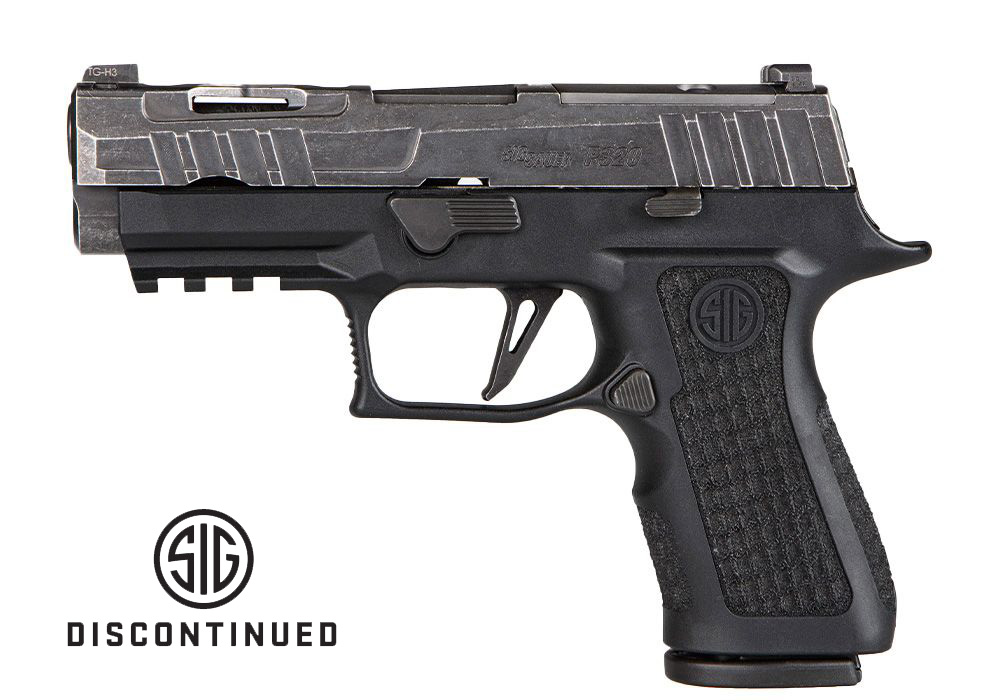
P320 grip textures give shooters a practical way to fine-tune the feel, control and everyday handling of a compatible pistol. The grip module is the part that fills the hand, and its texture can make a noticeable difference when drawing from a holster, practicing at the range or working through a longer training session. Standard polymer surfaces typically offer modest traction with a smoother feel that is comfortable for extended wear and easy on clothing. More defined molded patterns add purchase along the side panels, front strap and back strap without necessarily feeling abrasive. Ergonomic contours, a deeper undercut beneath the trigger guard, an extended beavertail and a more pronounced palm swell can also influence how naturally the hand settles into position. These details matter because a secure, repeatable grip helps the shooter maintain consistent hand placement and manage movement during recoil. Some users prefer a fine, uniform texture that feels unobtrusive during concealed carry, while others want a sharper pattern that remains easy to index with wet hands, gloves or sweaty palms. Grip modules with stippled, checkered or multidirectional surfaces can provide a more locked-in sensation, and some designs combine different textures in separate zones so the sides offer traction while the front and back straps remain comfortable against the hand. A softer rubberized overlay may be a useful choice for someone who wants additional friction with minimal added bulk, particularly when carrying regularly beneath a covering garment. More aggressive rubber, grit or sandpaper-style surfaces can offer excellent resistance to movement during intensive practice, competition or duty use, but they may feel rough against bare skin and can catch on clothing. Texture is therefore a personal fit decision rather than a simple measure of “more is better.” Hand size, grip strength, preferred shooting style, climate, gloves, carry method and the amount of time spent wearing the pistol all deserve consideration before choosing a replacement or add-on texture. Shooters with smaller hands may appreciate a slimmer profile or a more rounded contour, while larger hands may benefit from a fuller shape that supports the palm and reduces the need to shift the firing hand. Those who train outdoors as the weather warms or continue practicing during cooler months may also value a surface that remains dependable across changing conditions, from dry indoor lanes to humid outdoor sessions.
The modular design of the P320 platform makes grip texture selection especially flexible. Because the serialized fire control unit can be moved between compatible grip modules, a shooter can change the frame’s feel, contour and texture without replacing every component of the pistol. Compatibility still matters: confirm the appropriate size, configuration and relationship to the slide, barrel, magazine and other components before ordering, and follow the manufacturer’s installation and safety guidance. Grip modules may differ in profile, dust-cover length, beavertail shape, trigger-guard dimensions and support for accessories, so the most comfortable texture is only useful when the module matches the rest of the setup. Aluminum or other metal-bodied options can provide crisp checkering, a solid feel and interchangeable grip panels, while tungsten-infused polymer designs add weight that some shooters find helpful for steadier handling and reduced movement during rapid strings. These choices may appeal to range users and competitors who prioritize a planted feel, whereas a lightweight polymer module with moderate texture can be more convenient for everyday carry. Aftermarket-style panels, overlays and sleeves can be considered when the existing module’s shape works well but its surface needs additional traction; removable solutions may also be attractive to owners who want to experiment before committing to a more permanent change. When comparing options, look beyond the pattern shown in a photograph. Pay attention to texture depth, edge treatment, grip circumference, palm swell, thumb placement and whether the surface transitions smoothly between the front strap, back strap and side panels. A texture that feels ideal for a few dry presses in a shop may become distracting after an hour on the range or uncomfortable during daily wear. It can help to handle similar textures with an unloaded firearm, paying attention to whether the fingertips settle naturally, whether the support hand can find a consistent position and whether the material creates hot spots. New shooters may appreciate a forgiving, medium texture that builds confidence without overwhelming the hand, while experienced shooters often select a more specialized surface for competition, defensive training or demanding field conditions. P320 grip textures can also make a thoughtful gift for a shooter who already owns compatible components and has mentioned that the factory grip feels too smooth, too bulky or difficult to control; verify the exact configuration first, since fit and preference are highly individual. For a broader look at shape, material and configuration choices, explore P320 Custom Grips and compare options with the intended use in mind. Any installation, adjustment or handling should be performed with the firearm unloaded, pointed in a safe direction and separated from ammunition, followed by a careful function check according to the owner’s manual and applicable laws.