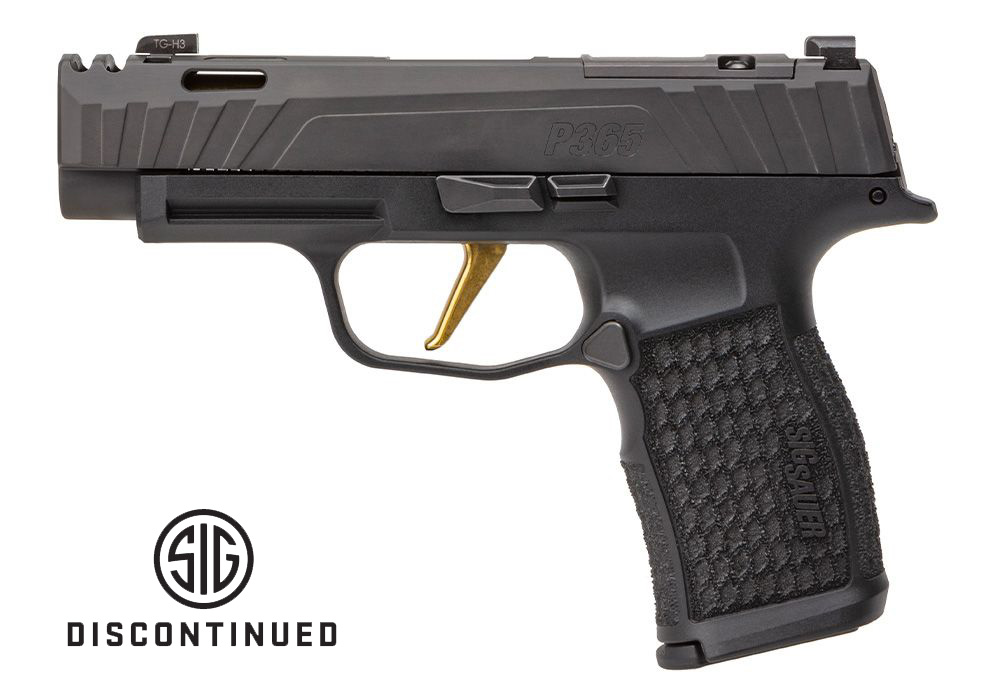
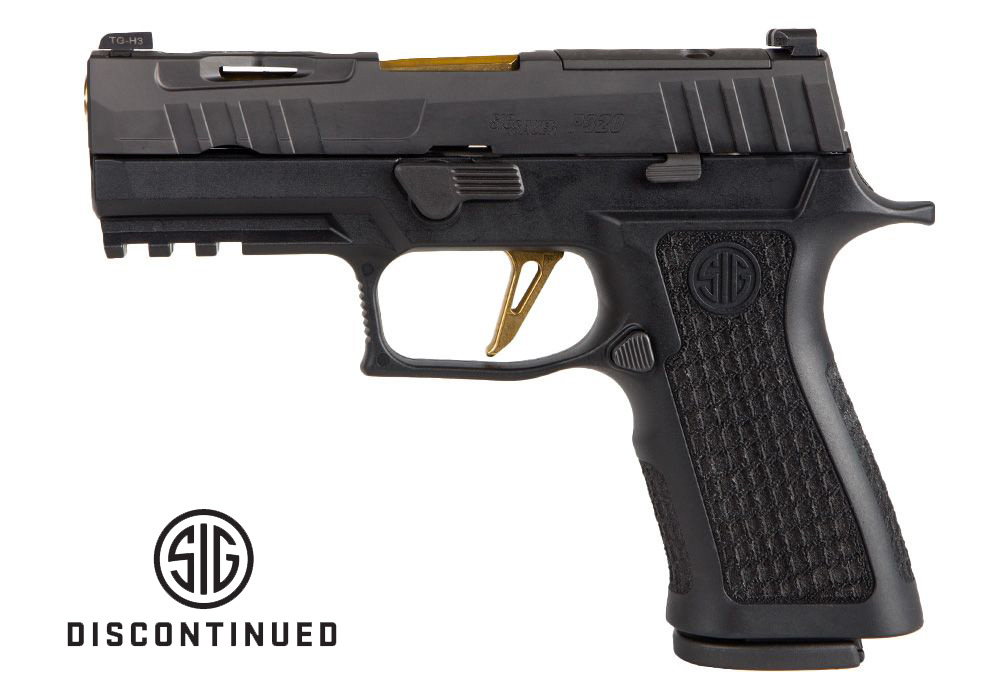
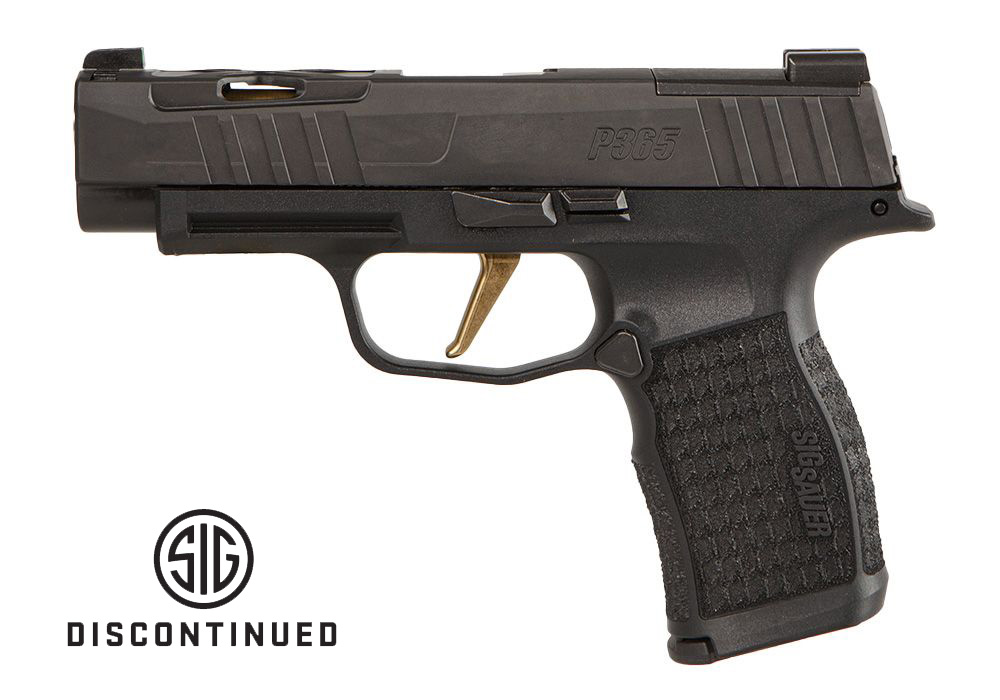
P365XL grip textures bring different surface feels to a compact grip, from a restrained molded pattern to a more pronounced, granular finish. The category generally includes textured grip modules and adhesive overlays, two distinct approaches that deserve separate consideration. A textured module incorporates the contact surface into the grip body, while an adhesive overlay adds a thin textured layer over an existing grip. Those differences affect more than appearance: they influence the feel in the palm, the edges beneath the fingertips, and the amount of material between the hand and the underlying grip shape. Molded polymer textures commonly use small raised features or recessed patterns to create a firm, relatively uniform surface. Stippled or laser-textured surfaces can vary in depth, spacing, and coverage, so the name of the process alone does not establish how coarse a grip will feel. Rubberized overlays tend to have a softer touch, while granular surfaces have a rougher, sandpaper-like character. Hybrid surfaces may combine a resilient base with a more distinct texture, although the actual feel depends on the material and construction. These are general categories rather than guarantees of comfort or performance. Two surfaces that look similar in a photograph can feel quite different when the palm presses across them. Close views of the front, back, and side panels help reveal whether a pattern is fine and closely spaced or broad and sharply defined. Coverage matters just as much as pattern: a grip with textured side panels and smoother borders has a different character from one with pronounced texture across most of its contact area. For shoppers comparing P365XL grip textures, the useful distinction is not simply smooth versus rough. It is the relationship between the surface material, the shape beneath it, and the places where that surface touches the hand or clothing. A subtle pattern can suit someone who dislikes abrasive edges, while a more pronounced finish may appeal to someone who prefers a clearly defined surface under the fingertips.
Fit is the foundation of a satisfying choice, because texture cannot compensate for an incompatible shape or an uncomfortable grip profile. Accessories in this category can be specific to a particular grip module, and a reference to a broader pistol family does not necessarily confirm compatibility with every configuration. Adhesive overlays are typically shaped around defined contours, with cutouts and borders that need to correspond to the intended surface. A wrap intended for one module shape may not align with another, even when both are associated with the same pistol platform. Replacement modules likewise have their own compatibility requirements, including configuration details that a texture description alone will not explain. The practical comparison is between the exact supported fit, the extent of the textured area, and the overall dimensions—not just the pattern pictured on the side. Added material can subtly change grip circumference or the feel of a palm swell, which may be more noticeable to someone with smaller hands. A soft surface is not automatically a slim surface, and a visually understated pattern is not necessarily smooth to the touch. Intended use also shapes preferences. For lawful concealed carry, the way a surface rests against skin or brushes a cover garment can matter as much as how it feels during a short handling session. A coarse edge that seems minor at first may become distracting over longer periods of wear. Recreational range users may place more emphasis on how the texture feels through an extended practice session, particularly where the fingertips meet the front of the grip. Neither setting calls for a universal texture choice; individual sensitivity, hand size, and preferred grip shape all matter. Appearance remains part of the decision, but a repeating geometric pattern or a more organic stippled finish should be considered alongside its tactile qualities. Shoppers comparing another platform can explore P320 Grip Textures for that separate category; similar surface descriptions do not establish interchangeability between platforms.
Materials and care influence how a grip texture feels after repeated handling, not just when it is new. Polymer surfaces, resilient overlays, and granular finishes have different wear characteristics, and none should be treated as maintenance-free. An integral texture has no adhesive border to lift, but its raised features can still become smoother with friction and use. Adhesive textures introduce additional edges and seams, which can collect lint or begin to separate as the material ages. Rubberized surfaces may show polishing in frequent contact areas, while granular finishes can gradually lose some of their original roughness. These changes do not follow a single timetable; handling frequency, cleaning products, storage, and the surrounding contact surfaces all contribute. A texture that feels different after cleaning may simply have had residue removed from its recesses, while persistent smoothing or separation can indicate wear. Manufacturer-approved care is especially important because a cleaner suitable for one part of a firearm may not be suitable for a particular adhesive, rubber compound, or surface finish. Gentle cleaning within the applicable care directions helps preserve both the texture and its underlying material without unnecessary abrasion. Firearms should be unloaded before inspection or maintenance and handled according to the manufacturer's safety instructions. Periodic attention to borders, seams, and contact areas also helps distinguish routine cosmetic wear from damage that warrants professional evaluation. For everyday ownership, the most useful qualities are often straightforward: clearly stated material information, precise fit details, consistent texture coverage, and care requirements that suit the owner's routine. Someone who prefers simple upkeep may value a different construction from someone who prioritizes a softer feel against the palm. Grip textures can also be a thoughtful accessory gift for an experienced owner, but only when the recipient's exact configuration and surface preferences are known. Texture is personal enough that a surprise choice based solely on appearance can miss the mark. The strongest match brings together compatible dimensions, a comfortable surface character, and realistic expectations about wear, allowing the grip's look and feel to remain part of a well-considered accessory selection rather than the only deciding factor.