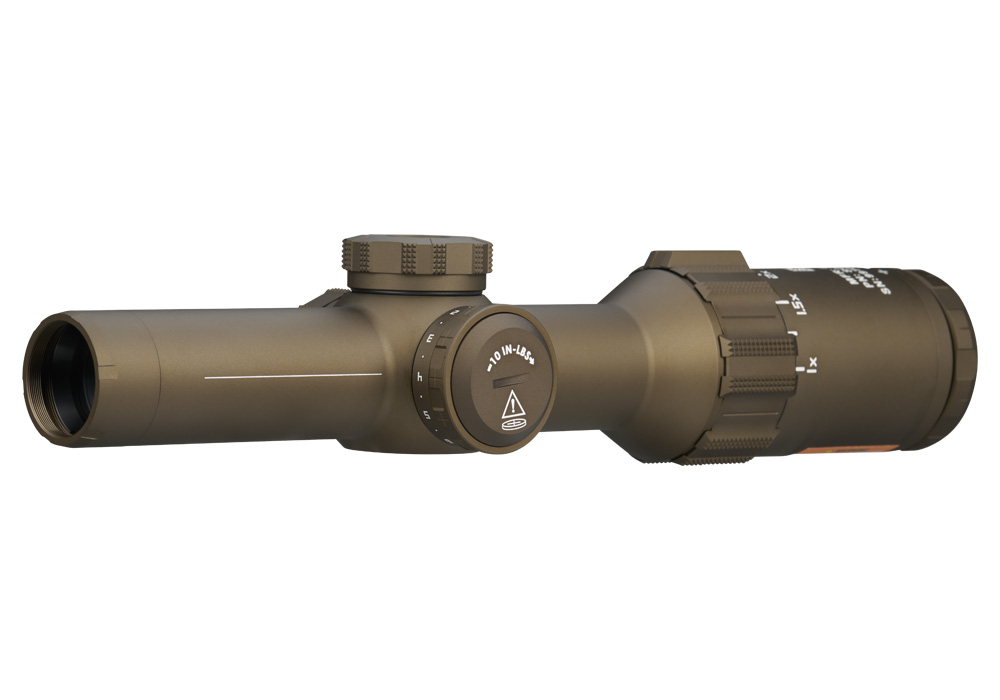
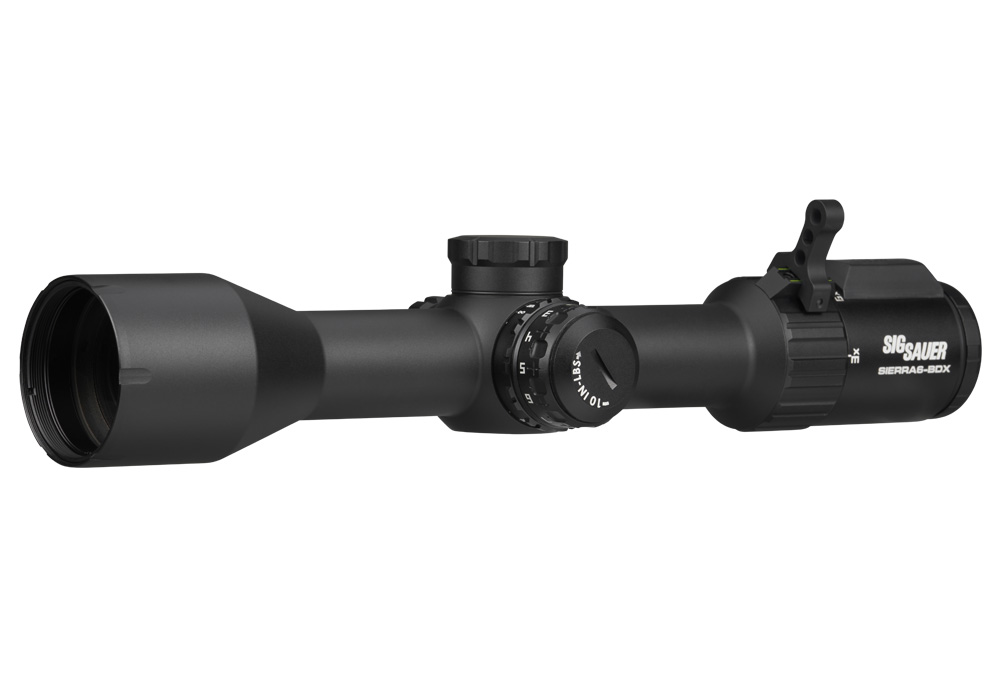
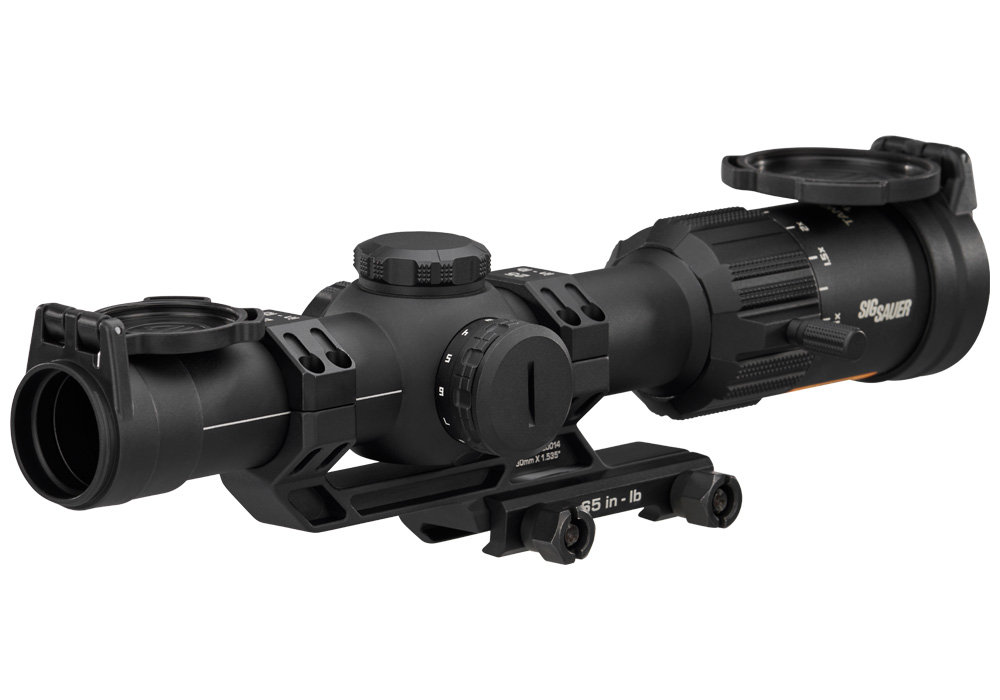
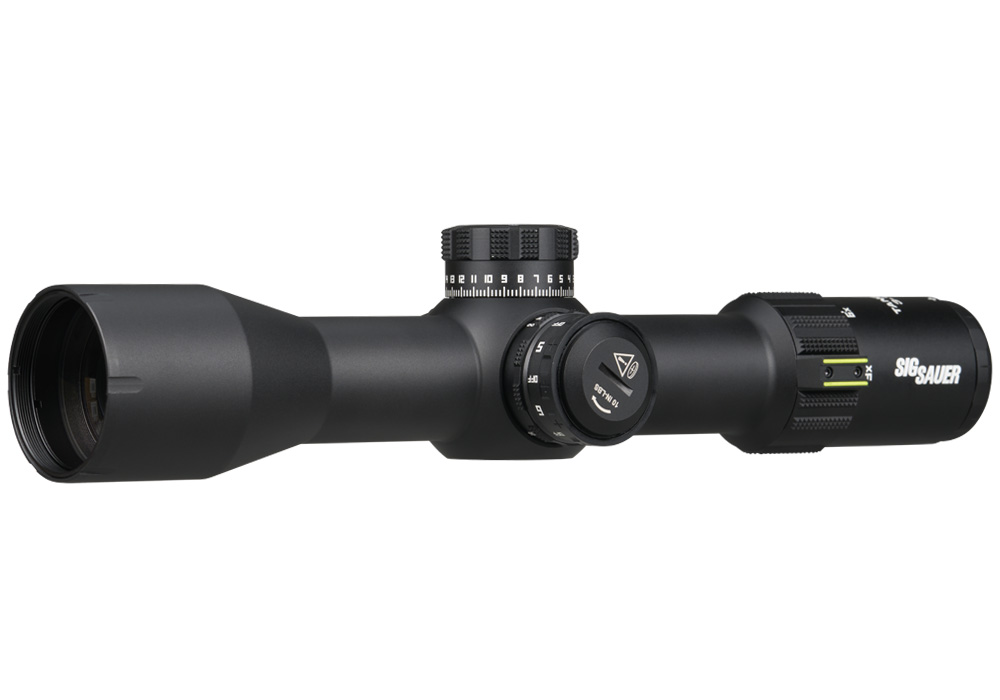
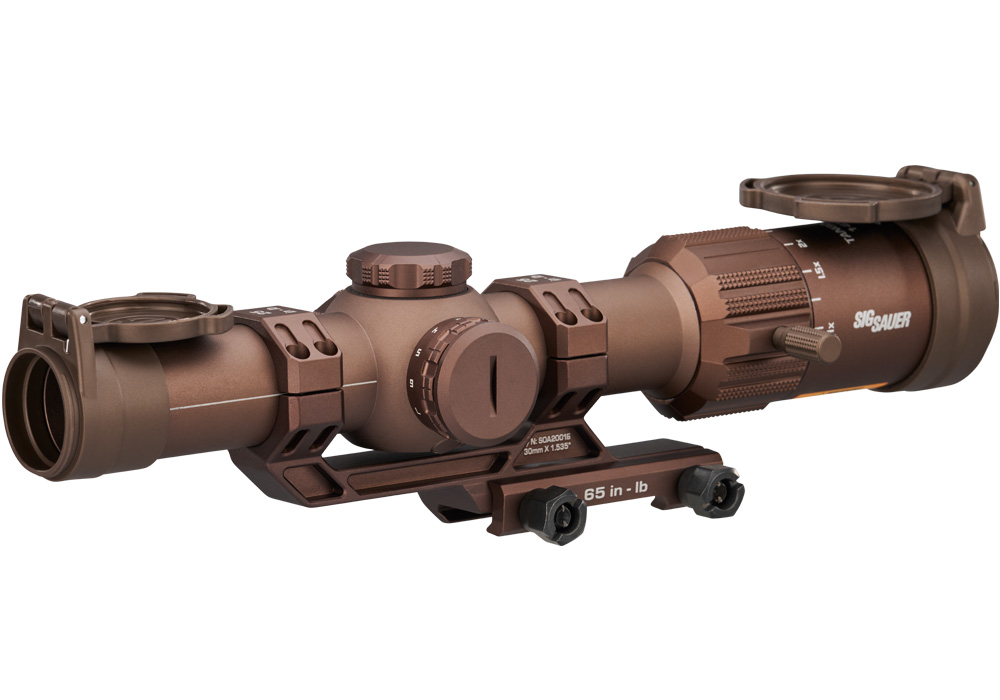
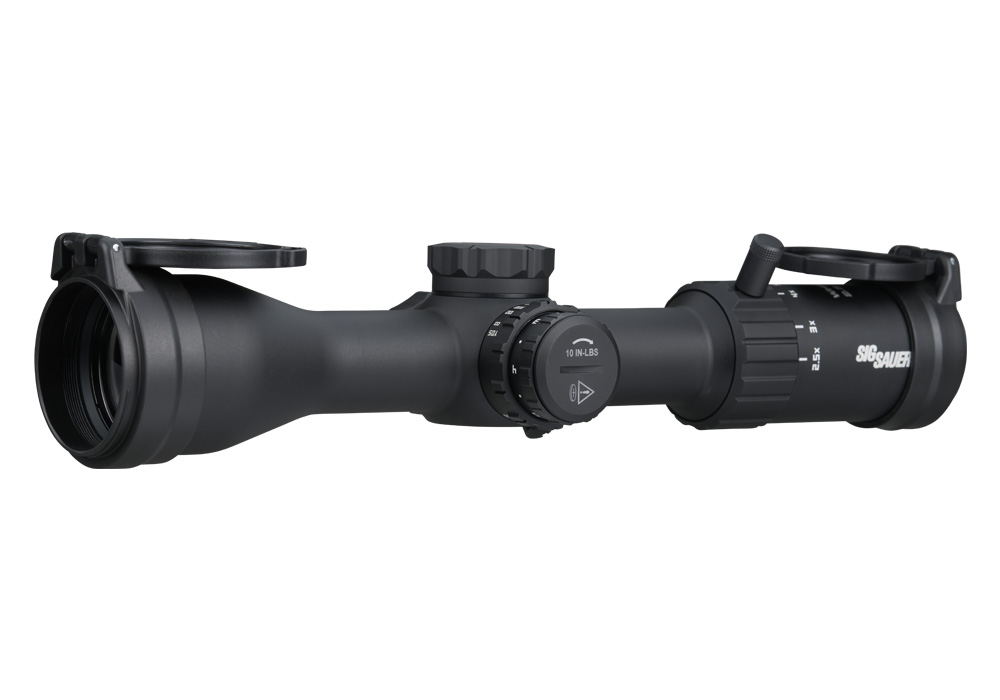
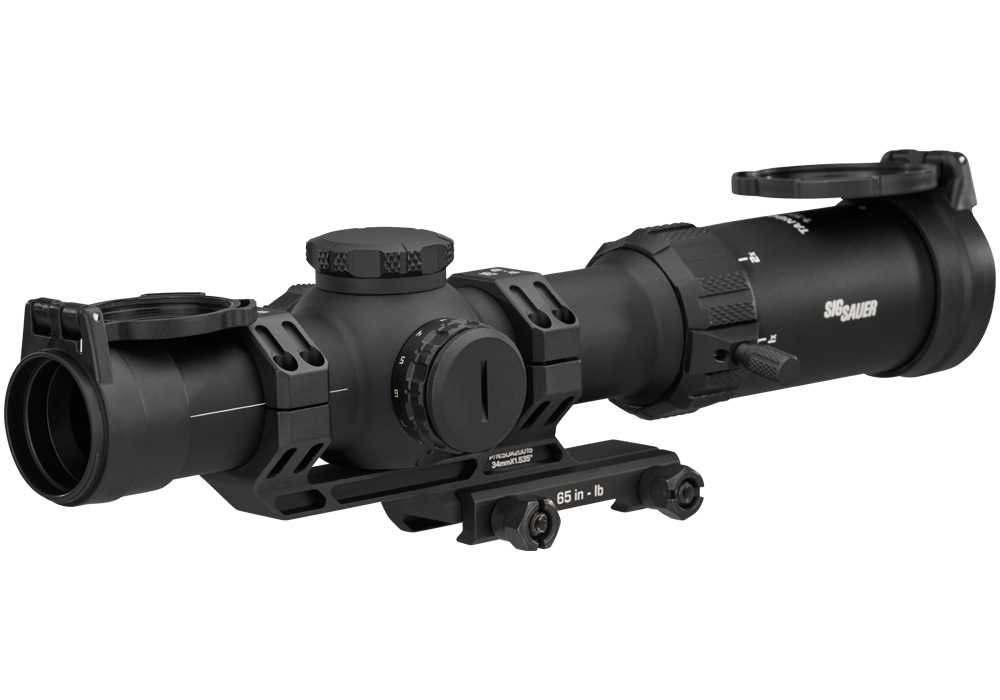
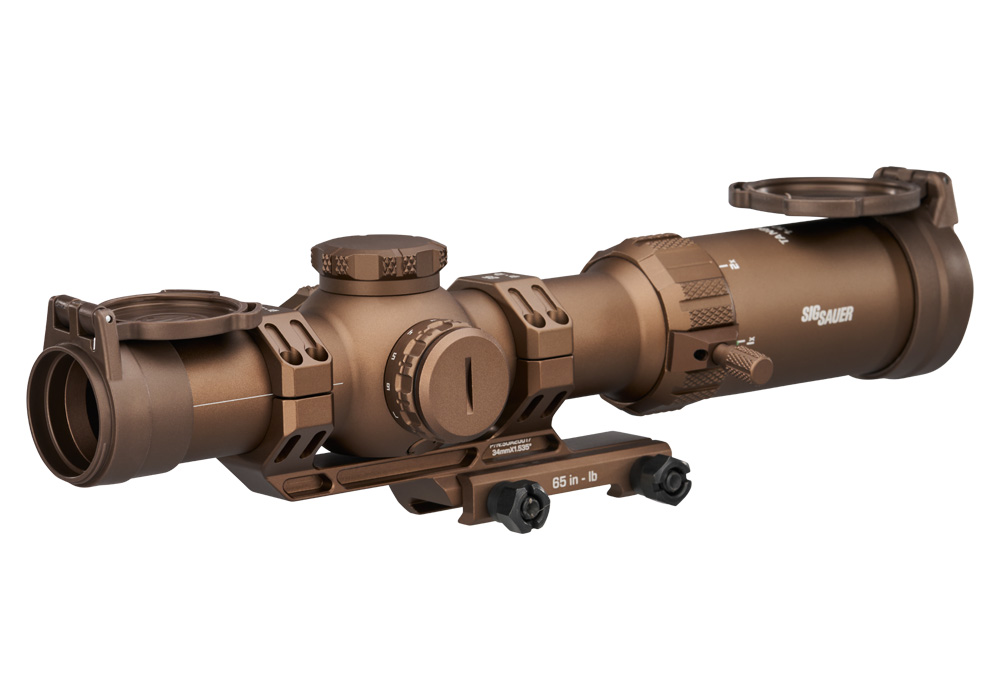
Modern hunting illuminated riflescopes are designed for the changing light of real hunting conditions, when a clear sight picture matters most. In the first gray minutes before sunrise or the soft shadows of late afternoon, an illuminated center dot or reticle can help the eye settle naturally on the aiming point without washing out the surrounding target detail. These scopes use either a small battery-powered illumination system or a combination of fiber optics and tritium to make selected portions of the reticle visible against dark backgrounds. Illumination does not project a beam onto game; it simply adds contrast inside the optic, helping the reticle remain distinct when a conventional black crosshair begins to blend into a shaded animal or wooded backdrop. Many designs also continue to function as traditional non-illuminated scopes when the illumination is switched off or the battery is depleted, providing a useful layer of redundancy in the field. When comparing options, consider the type of hunting you do, the terrain you cover, and the hours when you are most likely to be glassing. A compact scope with a generous field of view may suit thick timber and quick shots at shorter distances, while a model with broader magnification adjustment may be preferable for open country, rolling fields, or carefully judged longer-range opportunities. Eye relief, reticle visibility, adjustment range, optical clarity, and a forgiving sight picture all contribute to confidence when a rifle is shouldered in a hurry. Hunters who move between bright clearings and deeply shaded cover may also appreciate illumination with a wide range of brightness settings, allowing the aiming point to remain visible without overpowering the target or becoming distracting.
The most useful illuminated riflescope is one that matches the rifle, cartridge, mount, and style of hunting rather than simply offering the largest magnification range or brightest reticle. Check tube diameter and mounting requirements before purchase, and confirm that the optic provides adequate clearance for the rifle and a comfortable cheek weld. Eye relief deserves careful attention, especially on rifles with noticeable recoil; a properly positioned scope should allow a full sight picture while keeping the shooter’s brow safely away from the ocular lens. First-focal-plane reticles maintain their relationship with the target as magnification changes, which can be helpful when using holdovers at different power settings. Second-focal-plane reticles keep a consistent visual size and are often familiar to hunters who prefer a simpler sight picture, though the subtensions may apply at a specific magnification. Illumination controls vary as well. Some scopes use a standard coin-cell battery, while others include automatic shutoff or motion-sensing activation to preserve power when the rifle is carried, stored, or resting on a shooting bench. Battery-free systems draw on ambient light and tritium, reducing dependence on spare batteries, while battery-powered designs can offer a particularly bright center point for daylight use. Before heading afield, test the controls with gloved hands, confirm that the selected setting is visible against both a dark background and a bright landscape, and carry a replacement battery when applicable. A quick check at the range can reveal whether the reticle, magnification ring, parallax adjustment, and turrets are easy to operate without losing a stable position. Weather resistance is equally important during the cooler months, when damp brush, light rain, fog, and sudden temperature changes can challenge lesser equipment. A sealed, rugged optic with dependable adjustments helps keep attention on safe handling, careful identification, and a clean ethical shot rather than on equipment concerns. For a broader selection of options suited to different rifles and field conditions, explore Hunting Optics With Illuminated Display.
Illuminated riflescopes appeal to seasoned hunters refining a familiar setup, new hunters assembling their first serious rifle, and anyone who spends long hours watching the edge of a field as daylight gradually changes. They can be especially practical for hunters pursuing game during legal low-light periods, when the landscape may hold plenty of detail but the reticle is harder to distinguish. A well-chosen optic also makes a thoughtful gift for a responsible adult hunter, particularly when it complements a rifle already in the safe and suits the recipient’s preferred terrain. A gift buyer should look for useful specifications rather than guessing at a particular reticle: compatible mounting dimensions, an appropriate magnification range, reliable eye relief, and illumination that performs in both dim timber and brighter open country are strong starting points. The recipient may value a simple duplex-style center point for an uncluttered view, or prefer a more detailed reticle with holdover references for varying distances. Either way, the scope should support deliberate observation and precise shot placement, not encourage hurried decisions. During warmer weather, hunters may use these optics for scouting and range work, learning how changes in light affect the reticle and confirming zero before conditions shift. As the weather cools and mornings become quieter, the benefit becomes tangible: a rifle rests across a pack, frost brightens the grass, and a subtle illuminated aiming point remains easy to locate when the background turns gray. Store the optic with the illumination switched off, protect the lenses with covers, inspect mounting screws periodically, and follow all applicable hunting regulations for the area and species pursued. With thoughtful selection and practice, a modern illuminated riflescope can provide a balanced combination of visibility, versatility, and dependable field performance across changing terrain and light.