Mountain hunting optics are selected for a demanding combination of clarity, durability, and portability. In steep country, every ounce matters, yet a lightweight setup still needs to reveal detail across open basins, dark timber, broken ridgelines, and changing mountain light. Binoculars are often the first optic a hunter reaches for during a long glassing session, with 10x42 configurations serving as a versatile standard for handheld observation. Ten-power magnification helps separate an animal from shadowed terrain at meaningful distances, while a 42mm objective lens balances light gathering with manageable size. Hunters who spend hours behind glass may also appreciate image stabilization, which can steady a distant view without always requiring a tripod. Rangefinding binoculars add another layer of convenience by combining observation and distance measurement in one tool, reducing the need to move between separate devices when an animal appears across a canyon. For backpack hunters, compact dimensions, comfortable weight, a secure harness fit, and intuitive controls can be just as important as optical specifications. Look for binoculars with dependable weather sealing, scratch-resistant exterior materials, and a smooth focus system that can be adjusted while wearing gloves. During the warmer part of the season, dust and dry air can work into exposed controls; as the weather turns cooler, condensation and sudden changes in temperature can challenge lesser equipment. A reliable optic should be ready for both conditions, whether it is carried through pine forest at first light, rested against a pack while crossing talus, or used from a high overlook as shadows gradually move across the slope.
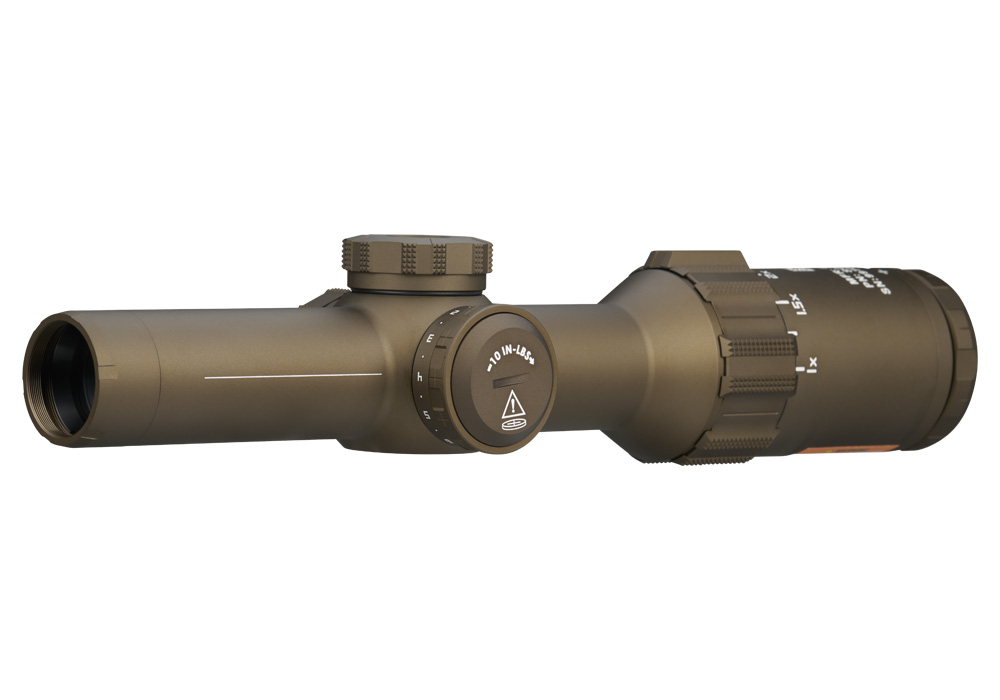
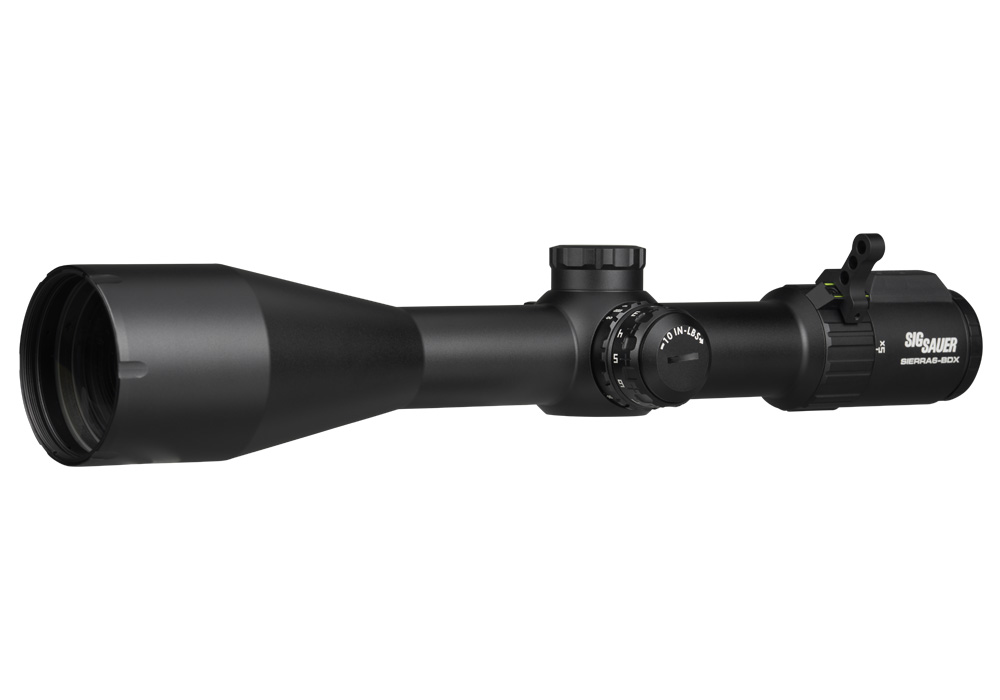
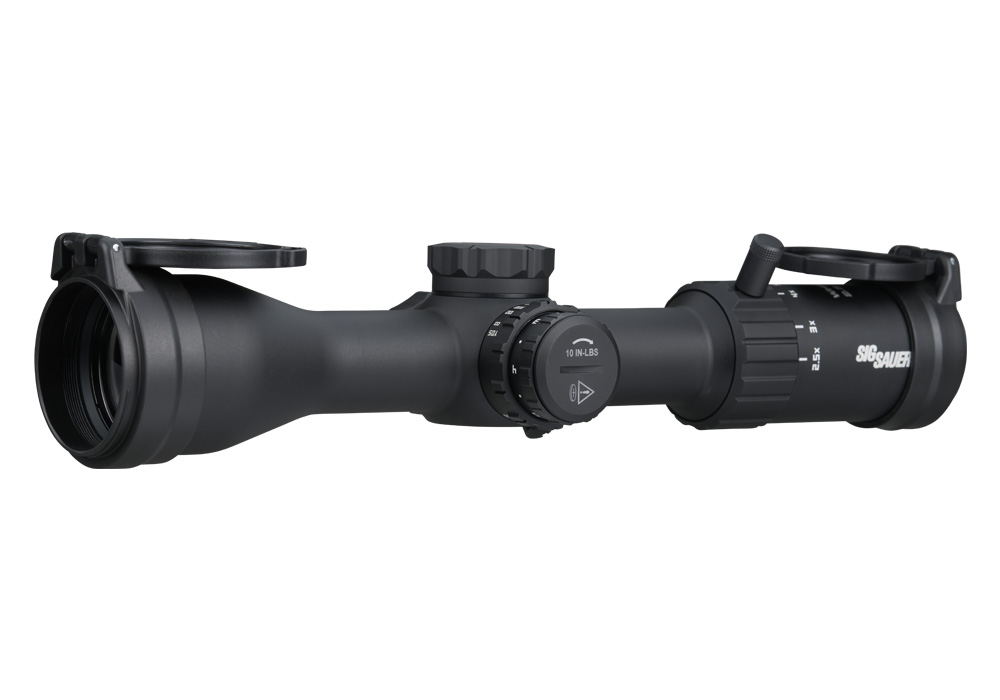
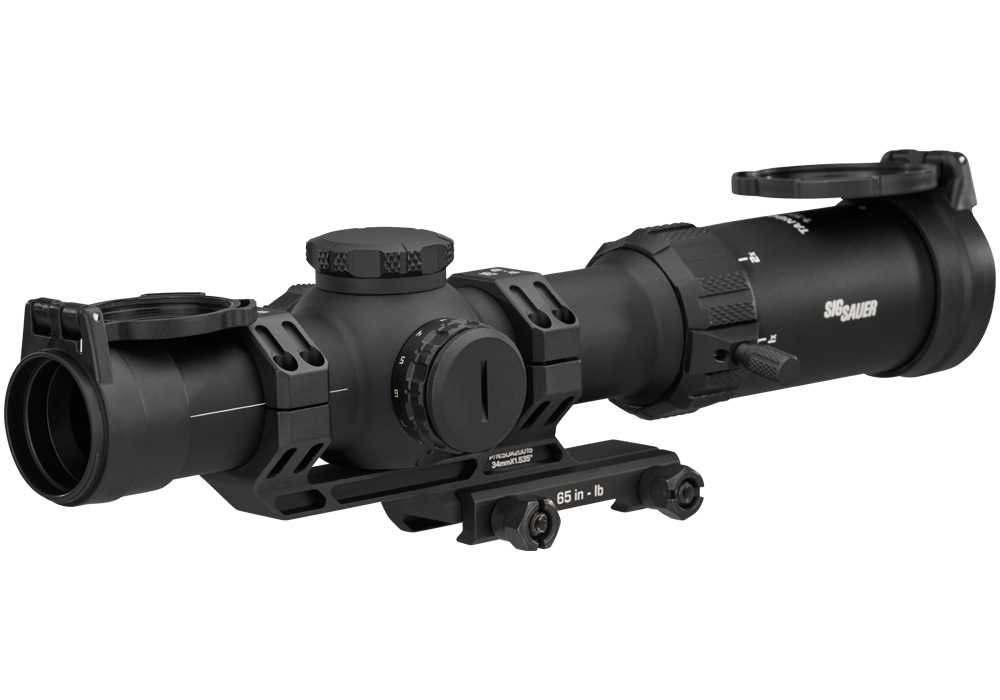
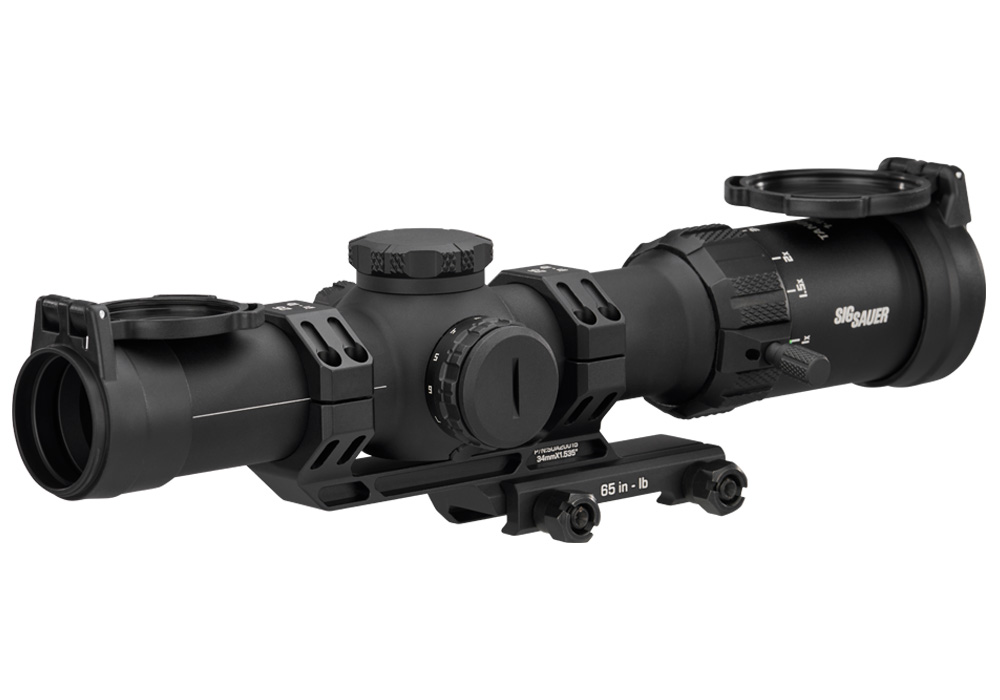
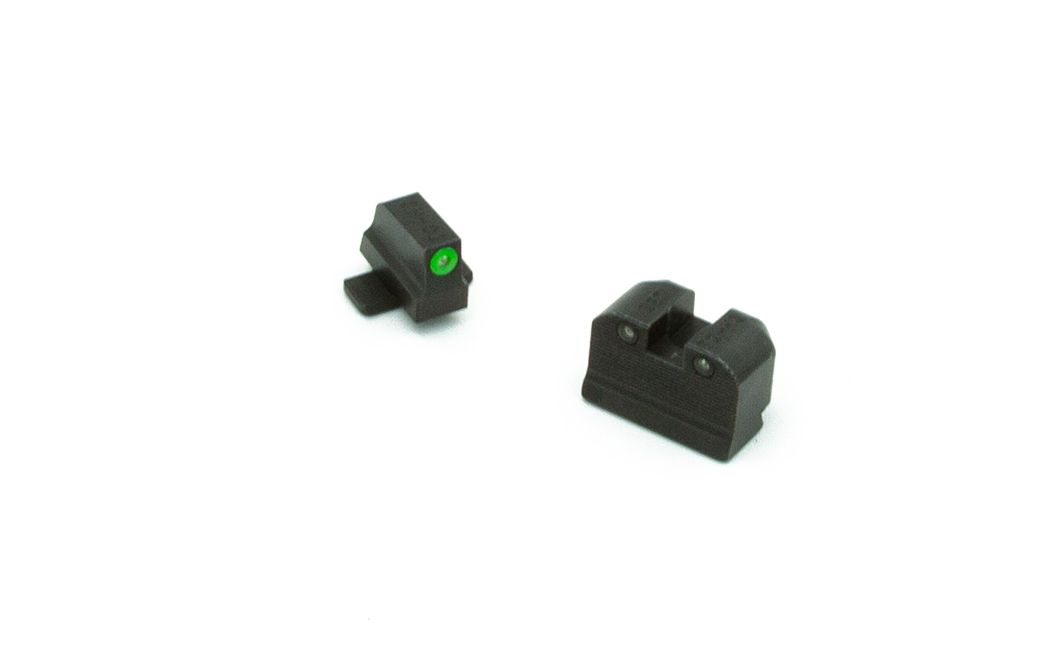
A riflescope for mountain hunting must be useful at more than one distance. A close encounter in timber may demand a generous field of view and a forgiving eye box, while an animal spotted on a distant bench may require additional magnification, precise adjustments, and a reticle that remains easy to read against a complex background. Variable-power scopes in ranges such as 3-15x or 4.5-22x are popular because they offer practical flexibility without forcing the hunter to carry a separate optic for every type of terrain. Lower magnification supports faster target acquisition in brush and steep, confined country; higher magnification can help with careful shot placement when the situation, conditions, and ethical range allow. First focal plane reticles keep the relationship between the reticle markings and magnification consistent, which can be useful for holdovers and ranging references throughout the power range. Second focal plane designs may appeal to hunters who prefer a reticle that remains visually consistent at the magnification they use most often. Either approach can work well when matched to the rifle, cartridge, terrain, and personal shooting habits. Pay close attention to adjustment travel, turret markings, return-to-zero performance, parallax control, illumination, eye relief, and the optic’s overall weight. Extended eye relief and a forgiving viewing window can be especially valuable when shooting from an awkward uphill or downhill position. A durable scope should tolerate repeated movement in a vehicle, contact with pack straps and rock, and the bumps that come with climbing into a glassing position. Clear, edge-to-edge viewing is helpful when scanning for antler tips, shoulder lines, or the subtle movement of an animal tucked beneath a rim. Hunters who use modern rifles in open terrain may also explore related configurations through Premium AR Hunting Optics, particularly when an optic needs to complement a semi-automatic platform while remaining capable in varied hunting environments.
Spotting scopes fill a different role in a mountain optics system. They are built for deliberate observation rather than quick, handheld scanning, allowing a hunter to study distant slopes, evaluate an animal’s characteristics, and make informed decisions before leaving a glassing position. An angled spotting scope with an objective lens around 65mm is a practical balance for many backcountry applications, providing useful brightness and magnification without the bulk associated with larger models. Larger objective lenses can gather more light in difficult conditions, but they also add weight and often require a sturdier tripod, so the best choice depends on whether the hunt involves a basecamp, vehicle access, or several days of carrying equipment over elevation changes. A compact tripod with a stable head can make a noticeable difference during extended sessions, especially when wind moves through a ridgeline or the optic is set on uneven ground. Hunters should consider the full system weight rather than the scope alone, including the tripod, head, case, and mounting hardware. Resolution, contrast, low-light performance, focus response, and the ability to maintain a sharp image at higher magnification all deserve attention. Weather resistance is equally important when a clear morning gives way to fog, sleet, or blowing dust. For many hunters, mountain hunting optics also make thoughtful gifts because they support time outdoors without requiring knowledge of a specific firearm fit. Binoculars can serve a new hunter, an experienced guide, or anyone who enjoys wildlife observation, while a spotting scope may appeal to a backcountry partner who spends long days studying distant country. The right setup becomes part of the rhythm of a hunt: glassing before sunrise, marking a promising drainage, watching sunlight reach a shaded slope, and carrying only the equipment that earns its place in the pack. Throughout the warmer and cooler months alike, dependable optics help turn vast, challenging terrain into a landscape that can be examined carefully and responsibly.