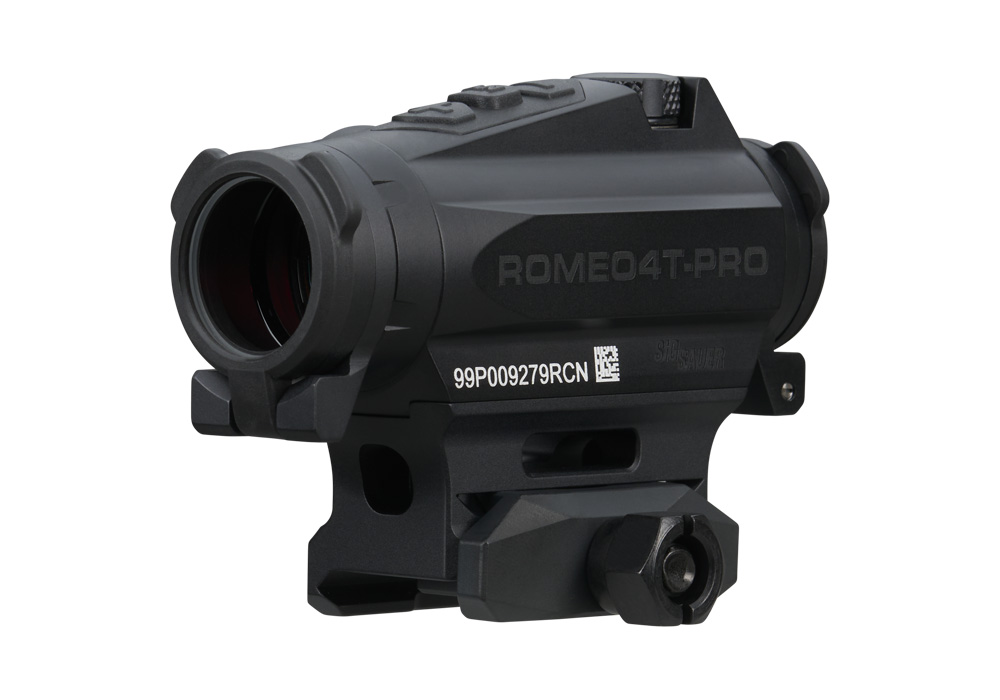
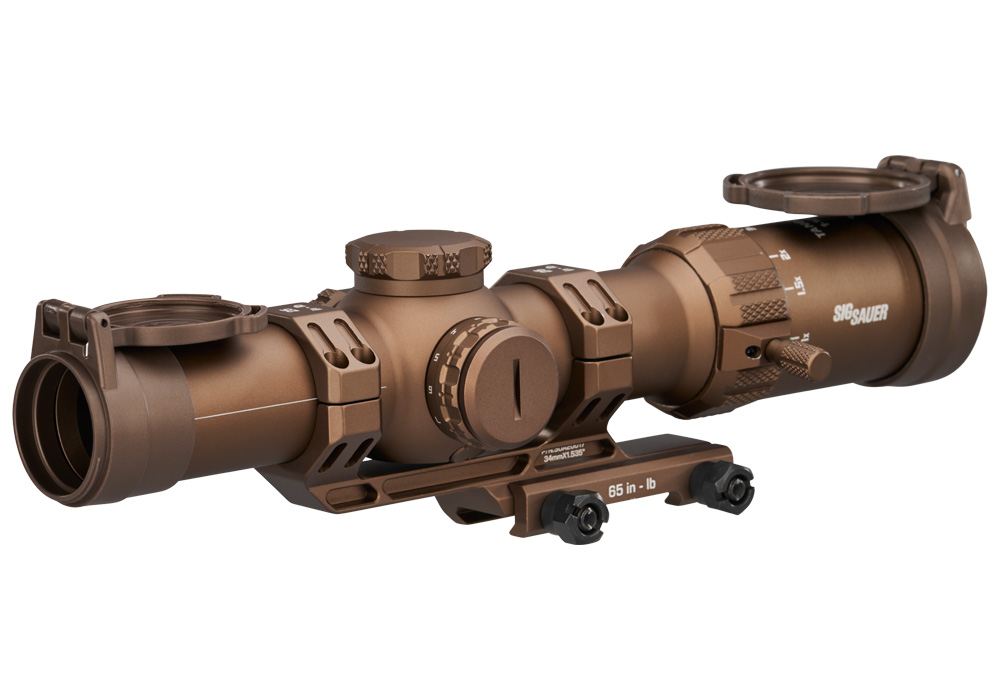
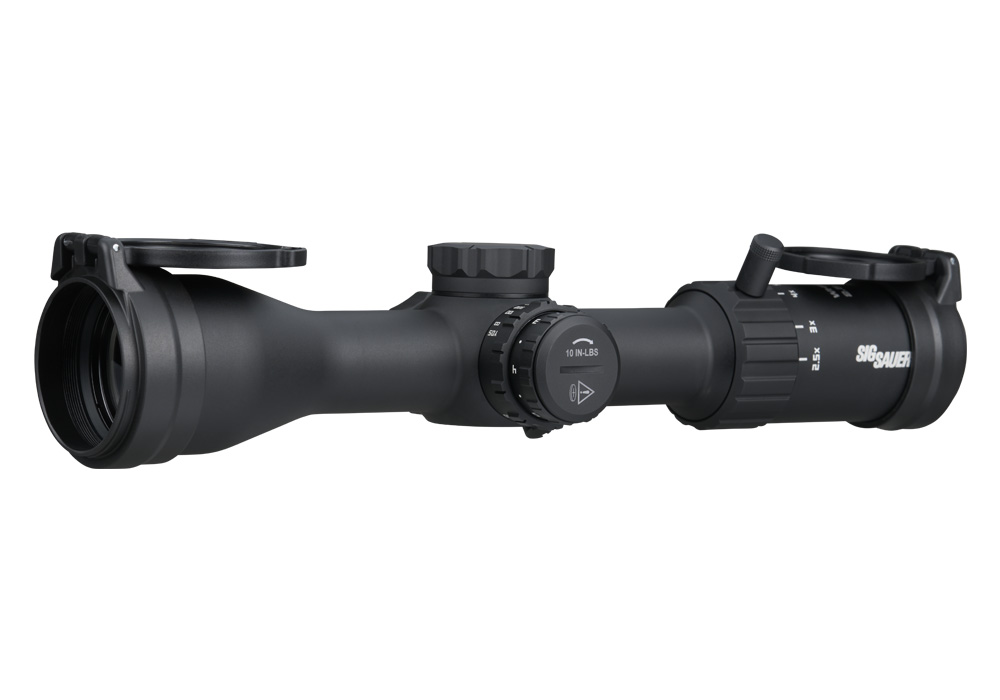
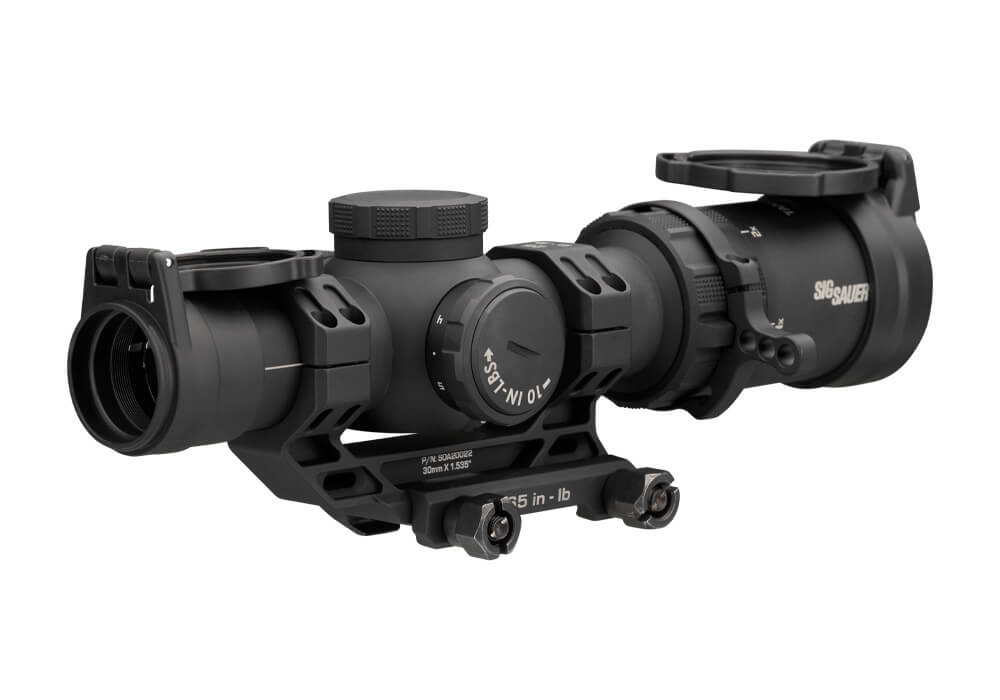
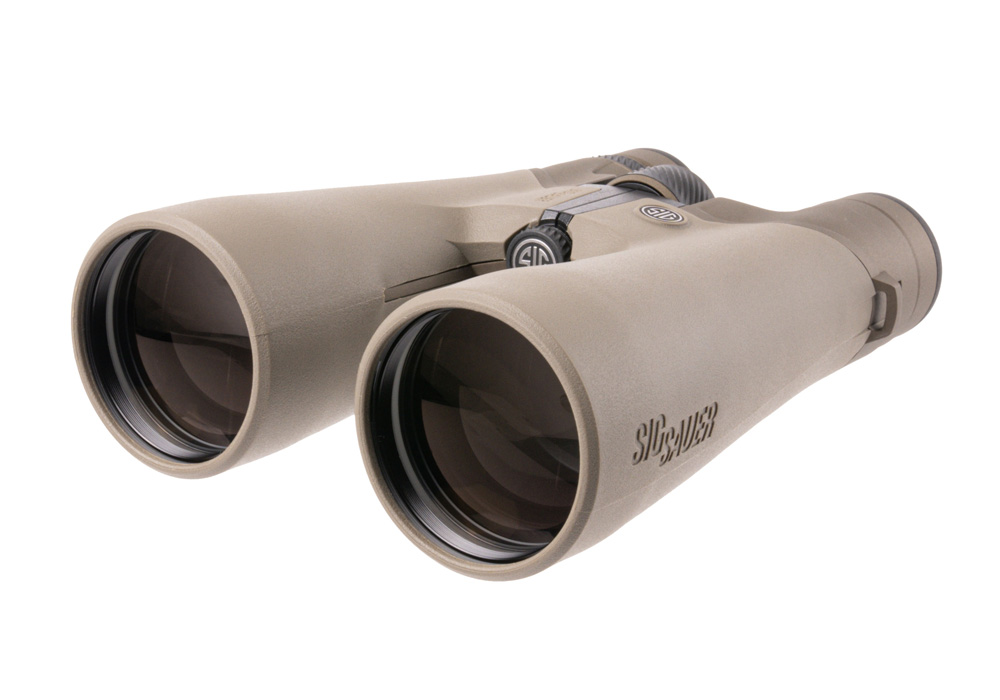
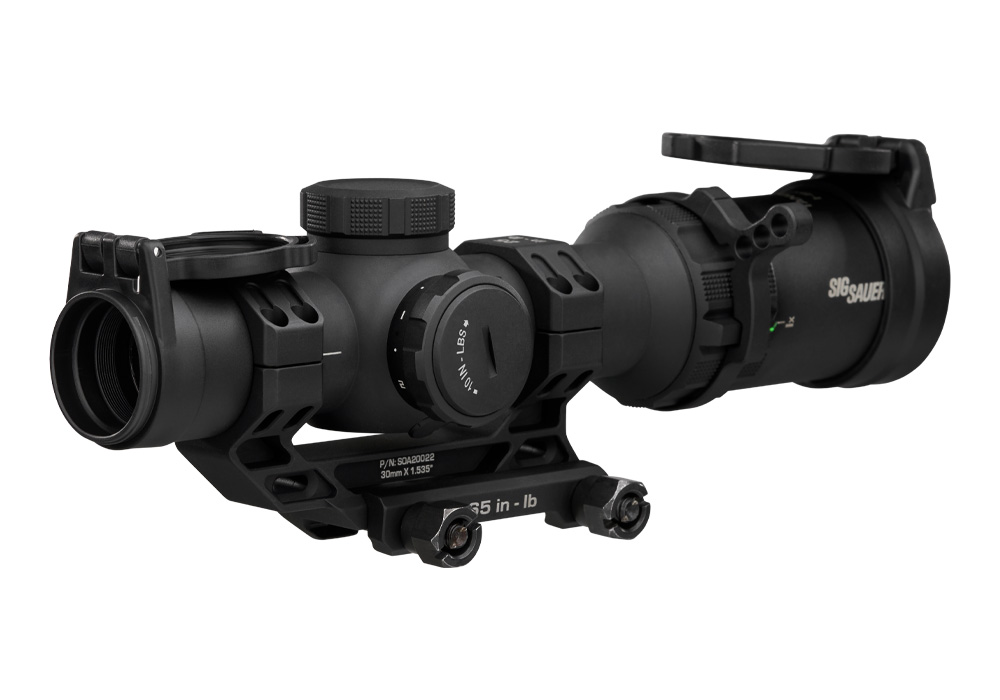
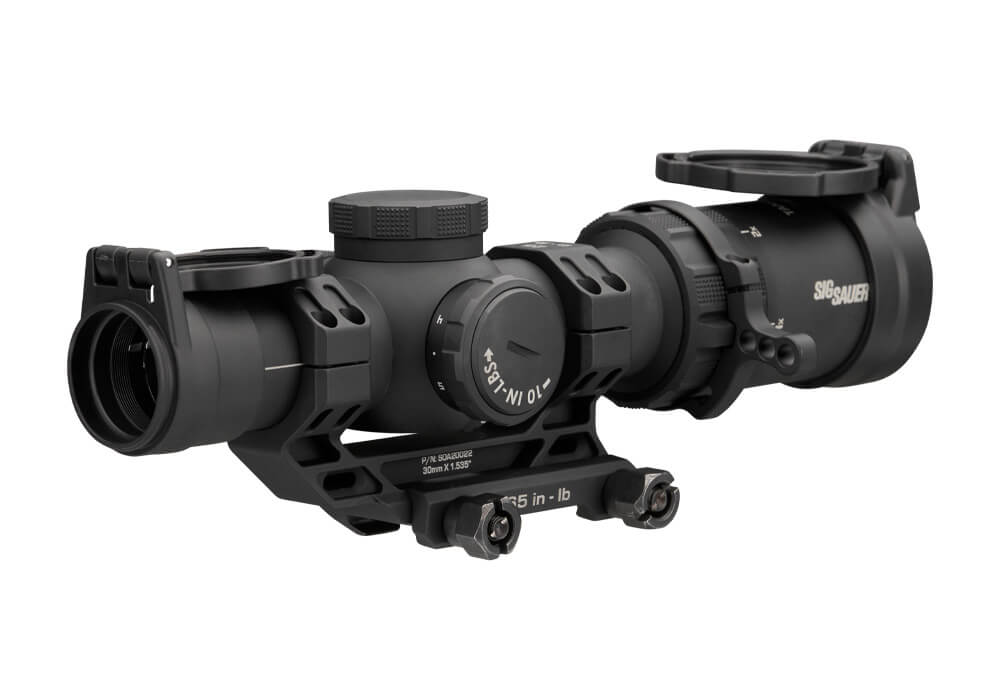
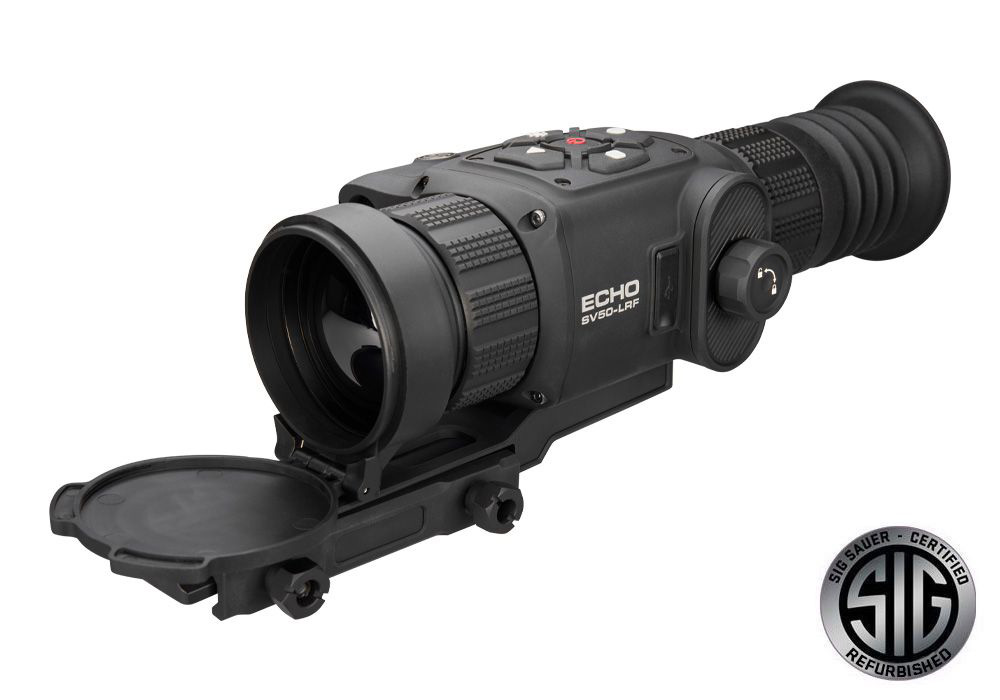
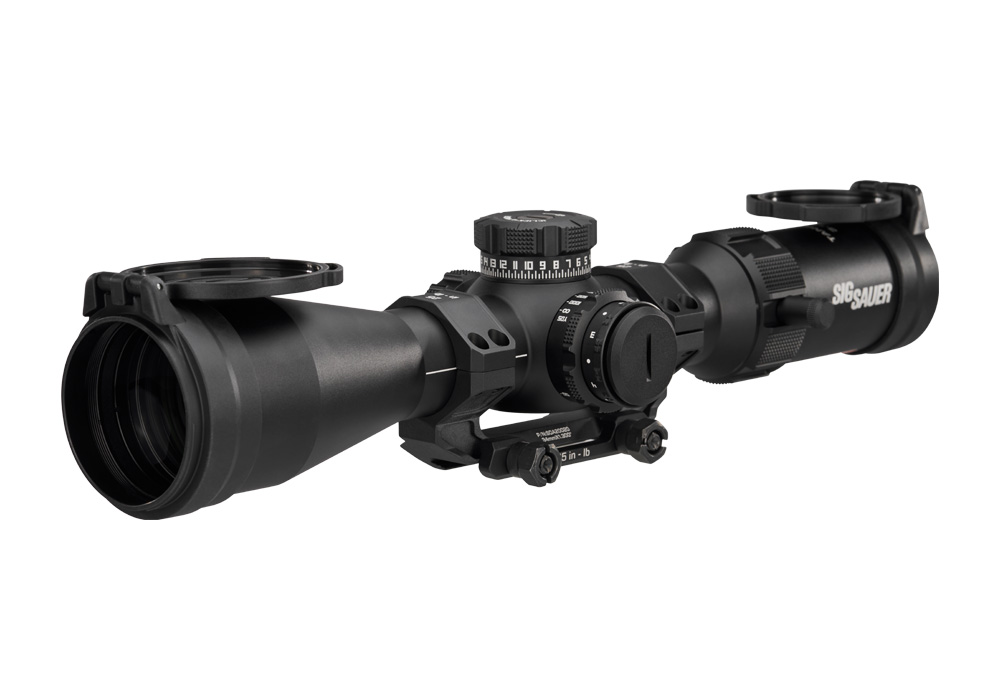
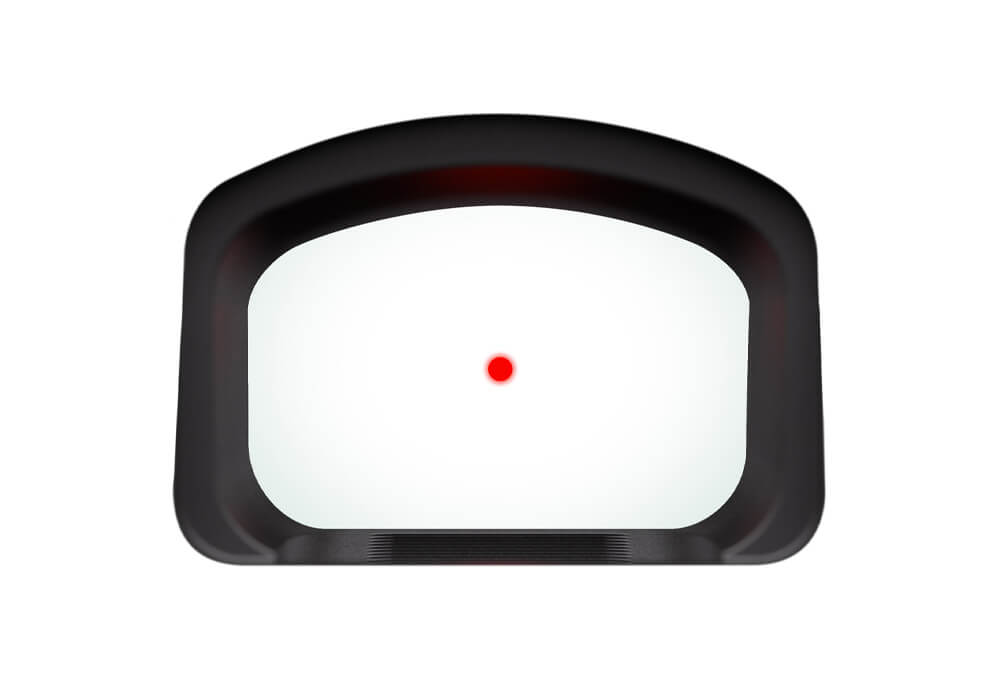
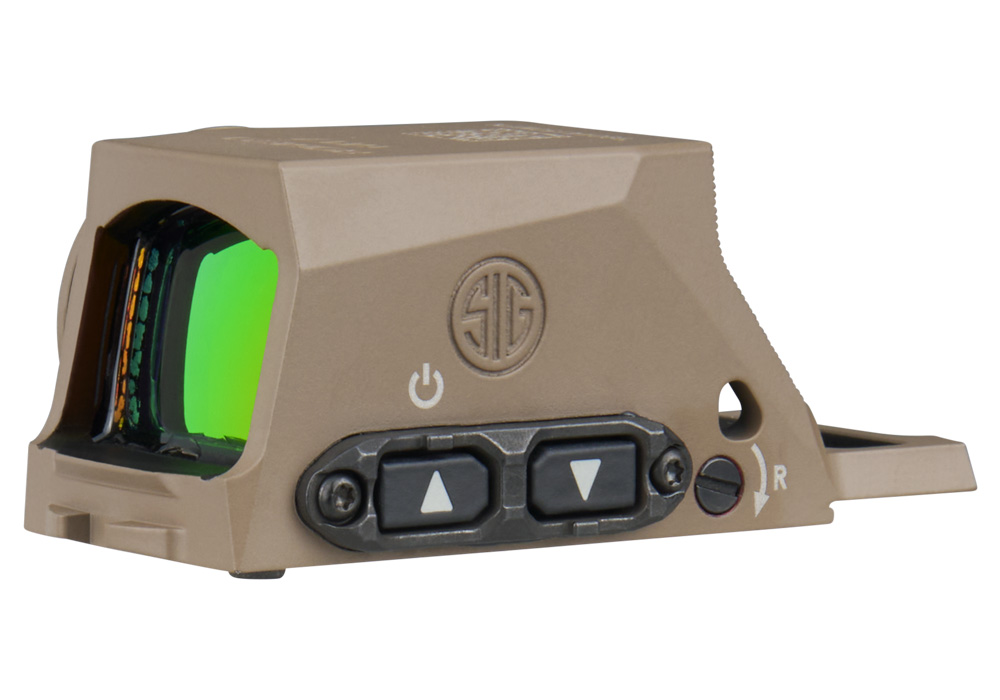
Spring shooting sports optics support a wide range of recreational target sessions, organized matches, and skill-building range visits, with designs suited to different firearms, distances, and shooting disciplines. Spring can bring bright sunshine across an open firing line, flat light beneath cloud cover, and damp mornings that test both visibility and equipment. An optic’s value in those settings comes from a clear sight picture, a secure fit, and controls that remain practical throughout a full session. Red dot sights generally emphasize an uncluttered view and an illuminated aiming point without magnification, while prism sights and riflescopes offer other combinations of magnification, reticle detail, and viewing characteristics. Variable-power scopes provide flexibility when a course includes targets at several distances; fixed-power optics favor a consistent view and simpler controls. More magnification is not automatically better. A broad field of view can make it easier to locate a target against a busy background, while additional magnification can reveal smaller scoring areas on distant paper. Eye relief, the usable range of eye positions behind the optic, and the firearm’s stock geometry all influence how naturally the sight picture comes into view. A setup that looks comfortable on a bench may feel less forgiving during supported or standing positions permitted by a match. Reticle design also matters: a simple aiming point keeps the view open, while finer markings can support deliberate target work without obscuring small details. Illuminated reticles benefit from brightness settings that remain distinct in sunlight without overwhelming the target in dimmer conditions. Shooters who see an irregular illuminated dot may prefer a different reticle or optical design, since individual vision can affect perceived clarity. Adjustable parallax, where included, helps reduce apparent reticle movement relative to the target when eye position changes. For recreational shooters, returning competitors, and those preparing for a first organized event, the most useful spring shooting sports optics are those that fit the discipline and remain comfortable to use. Match rules, firearm compatibility, and realistic shooting distances provide a better foundation for selection than magnification figures alone.
Weather resistance and optical quality deserve particular attention for spring range use, when rain, airborne pollen, and temperature differences can affect equipment in the same afternoon. Sealed housings help keep moisture and dust away from internal components, while nitrogen or argon purging in suitably constructed optics helps limit internal fogging. These features serve different purposes from an anti-fog treatment on an exposed lens surface. Anti-fog coatings, when specified, can reduce surface condensation, but no coating eliminates every visibility problem in wet conditions. A cold optic brought into warmer, humid air may still need time to reach the surrounding temperature. Water-resistance ratings describe particular test conditions, so the stated rating and care requirements matter more than a general weatherproof claim. Durable housings commonly use aluminum alloys, sometimes with anodized finishes that help resist surface wear and corrosion. Construction quality also includes the seals around adjustment controls, the security of battery compartments, and the protection afforded to exposed glass. Recoil resistance is especially important because repeated firing places demands on the optic and its mounting system; compatibility should reflect the firearm and intended use rather than housing size alone. Lens coatings contribute to light transmission, contrast, and control of distracting reflections. On an overcast range, those qualities can help preserve definition between a pale target face and its printed scoring lines. With low-angle sunlight nearby, effective reflection control can keep the view more usable, although lens shades and shooting position may also influence glare. Larger objective lenses can provide benefits in some applications, but they also affect weight, mounting height, and balance. A compact setup may feel more natural on a firearm carried between match stages, while a larger scope may suit deliberate, supported target shooting. Tactile controls, readable markings, and accessible adjustments round out durability by keeping the optic practical when hands are damp or gloved.
Fit and routine care help preserve the qualities that matter most on the range. Mounting compatibility includes the firearm’s mounting interface, the optic’s footprint or tube diameter, and sufficient clearance for nearby components. Ring height and mounting position should allow a comfortable head position and appropriate eye relief without interfering with the firearm’s operation. Correct hardware, proper alignment, and manufacturer-specified torque are more important than simply tightening fasteners further. Mounting work and inspections belong on an unloaded firearm, with qualified professional assistance when compatibility or installation is uncertain. After outdoor sessions, checks for loosened hardware, damaged seals, or unusual movement can reveal concerns before another range visit; fasteners should not receive extra tightening indiscriminately. Lens care is similarly restrained. Loose dust and pollen are best removed with an appropriate blower or soft lens brush before wiping, since trapped grit can scratch optical surfaces. A clean microfiber cloth and a lens-safe cleaning solution, used according to the optic manufacturer’s directions, help remove fingerprints and residue without exposing coatings to unsuitable household chemicals. Separate cloths for glass and exterior surfaces keep oily residue away from the lenses. Lens covers protect exposed surfaces during transport, while a padded case helps prevent other equipment from rubbing against the housing. Equipment that returns from a wet range should be allowed to dry before enclosed storage, and a clean, dry storage area helps limit persistent moisture. Battery-powered optics also benefit from attention to battery condition, compartment seals, and the recommended storage routine. These considerations make optics a thoughtful gift for an established target shooter when the recipient’s firearm, preferred discipline, and mounting requirements are known; an unfamiliar interface or unsuitable reticle can outweigh an otherwise appealing specification. Shooters whose spring plans also include field pursuits can explore Spring Hunting Scopes for that related application, where carrying weight, field conditions, and hunting-specific requirements may shape selection differently. Across recreational practice and competition, clear glass, dependable construction, appropriate fit, and careful upkeep remain the essentials of a useful shooting optic.