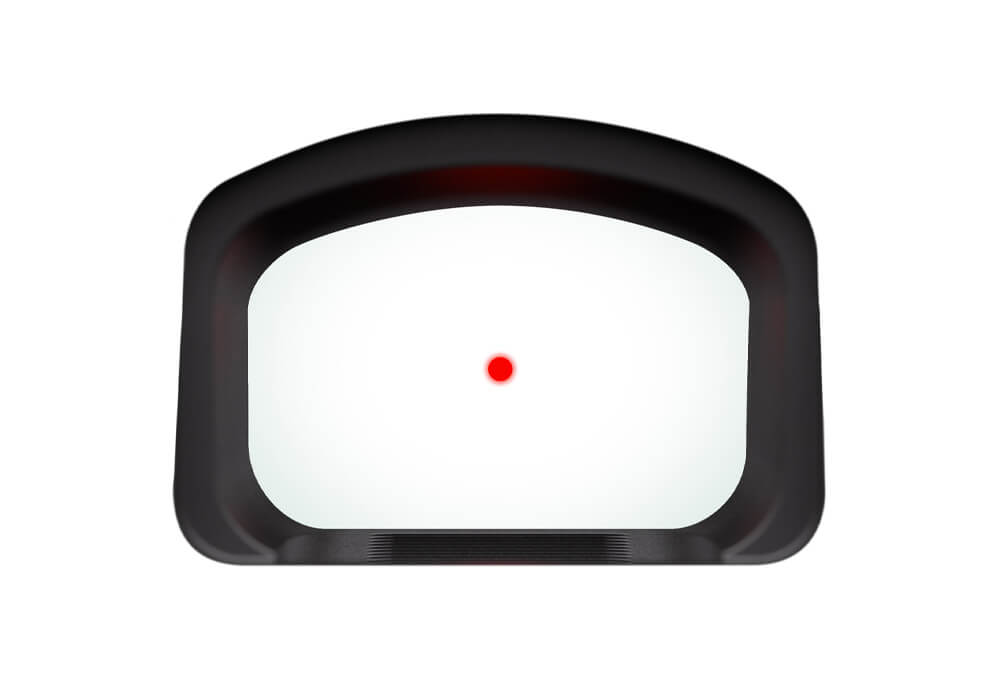
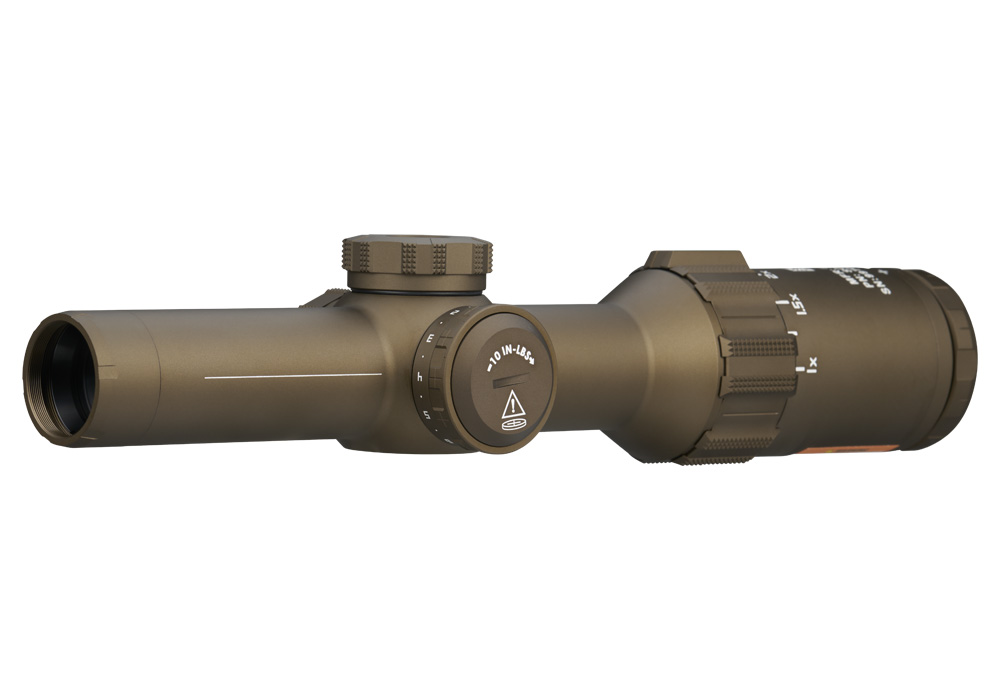
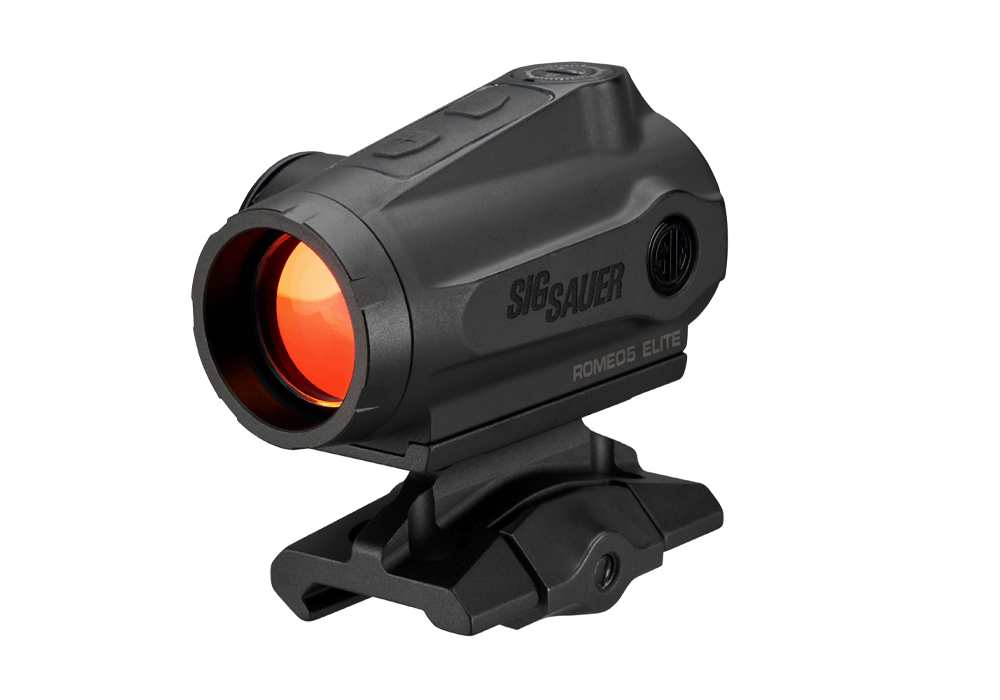
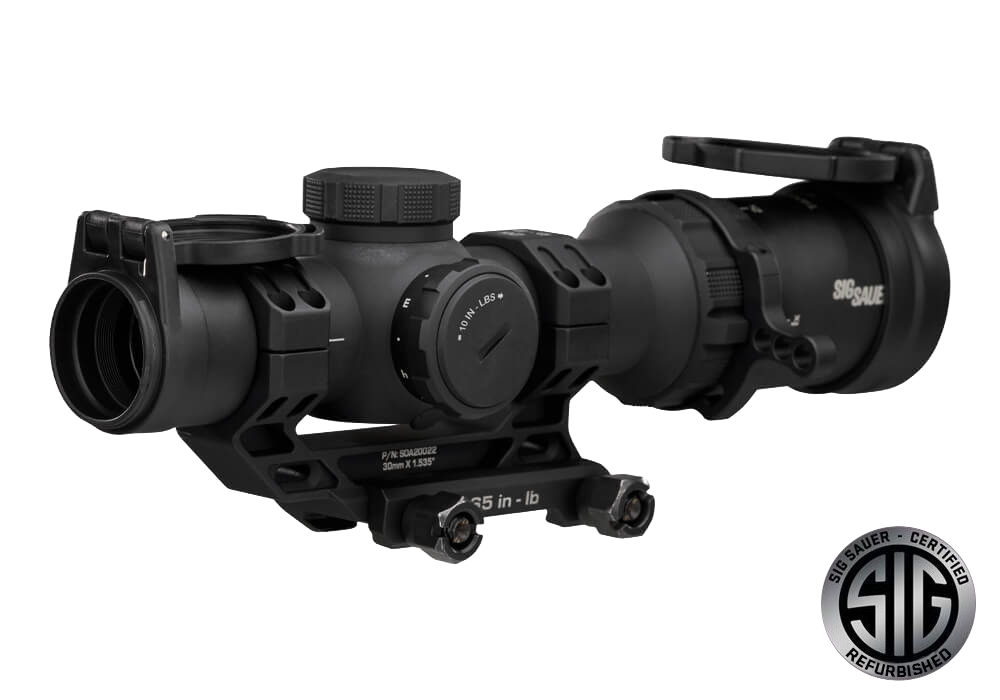
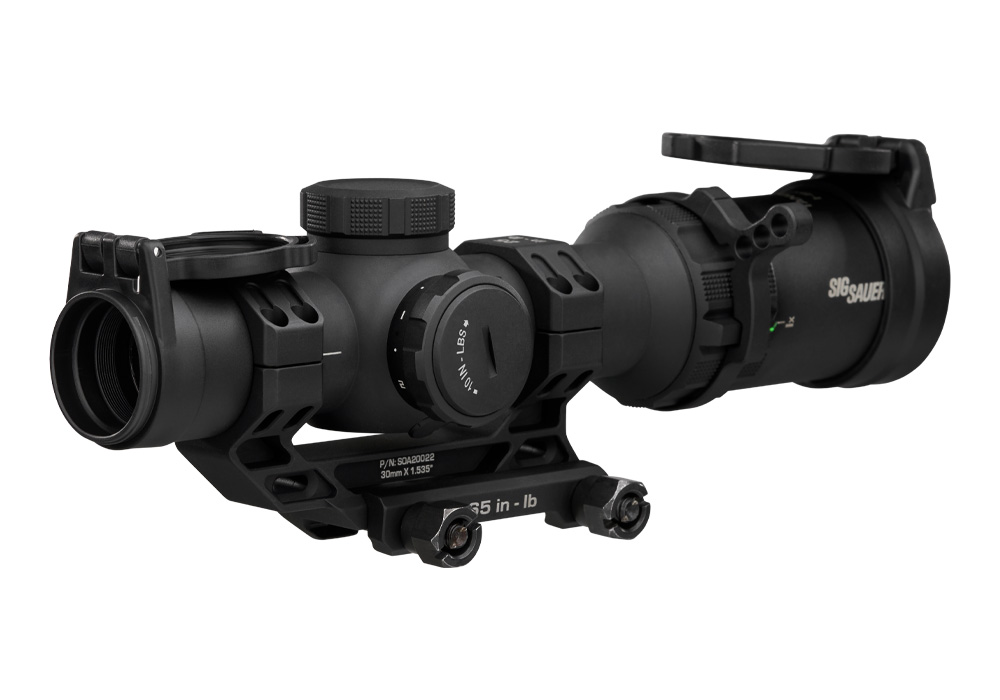
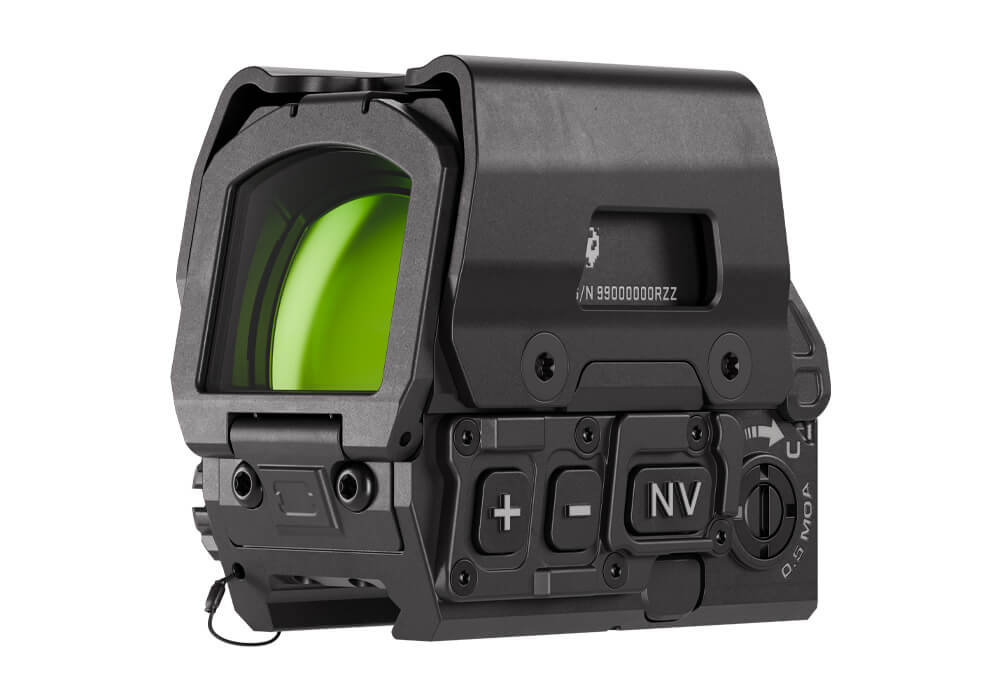
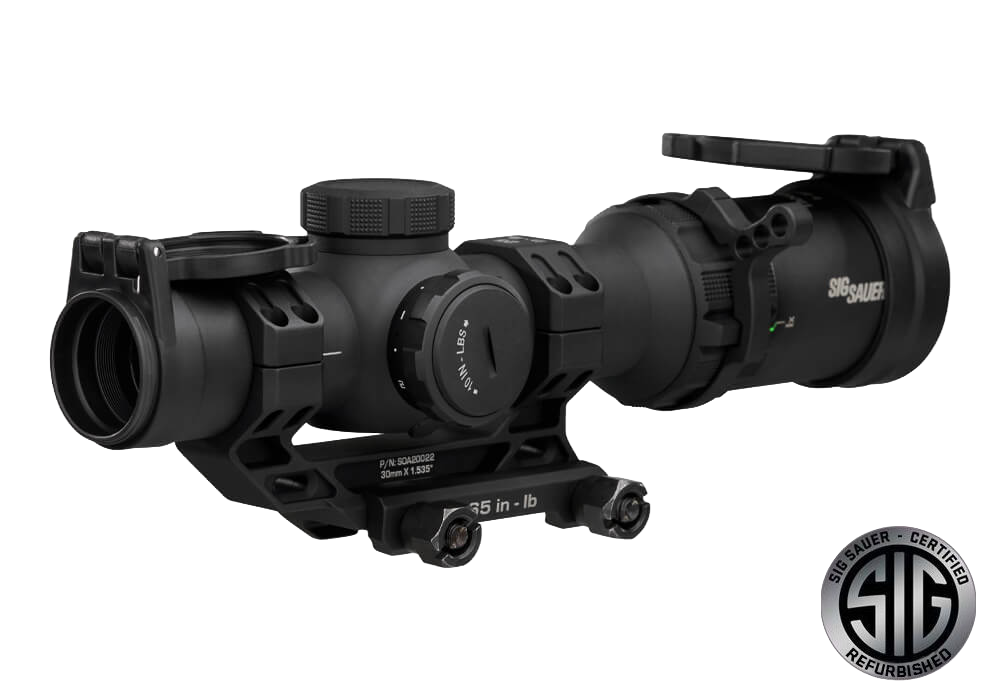
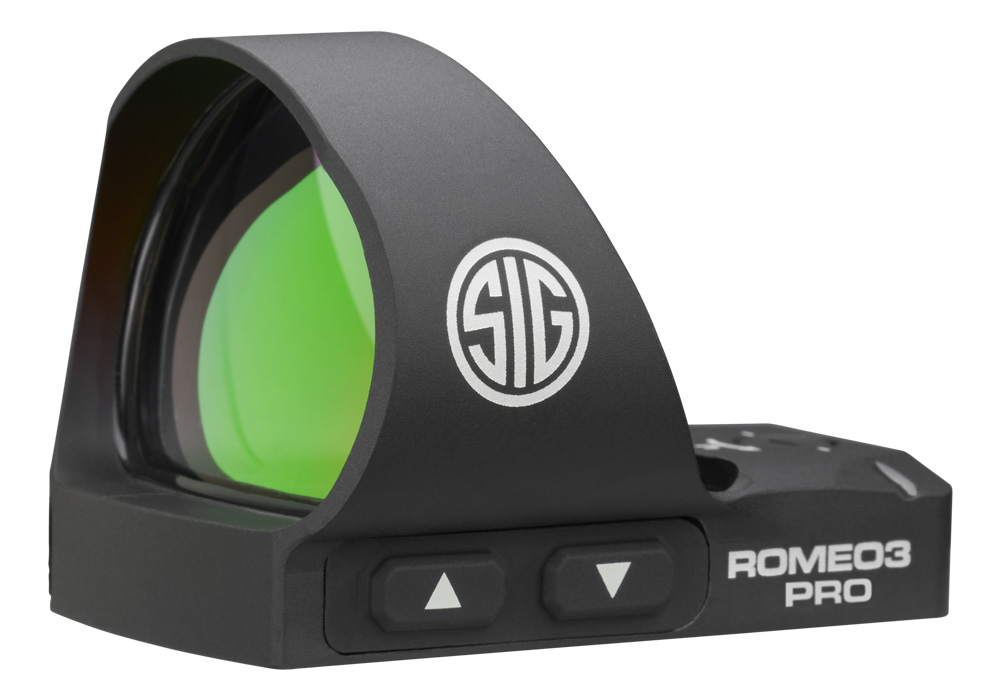
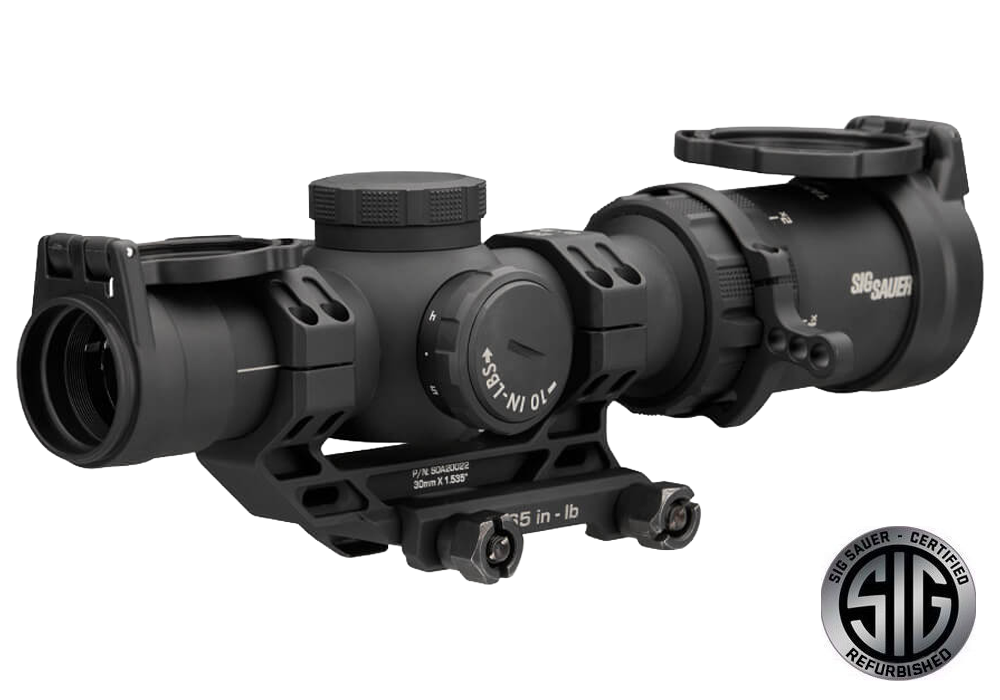
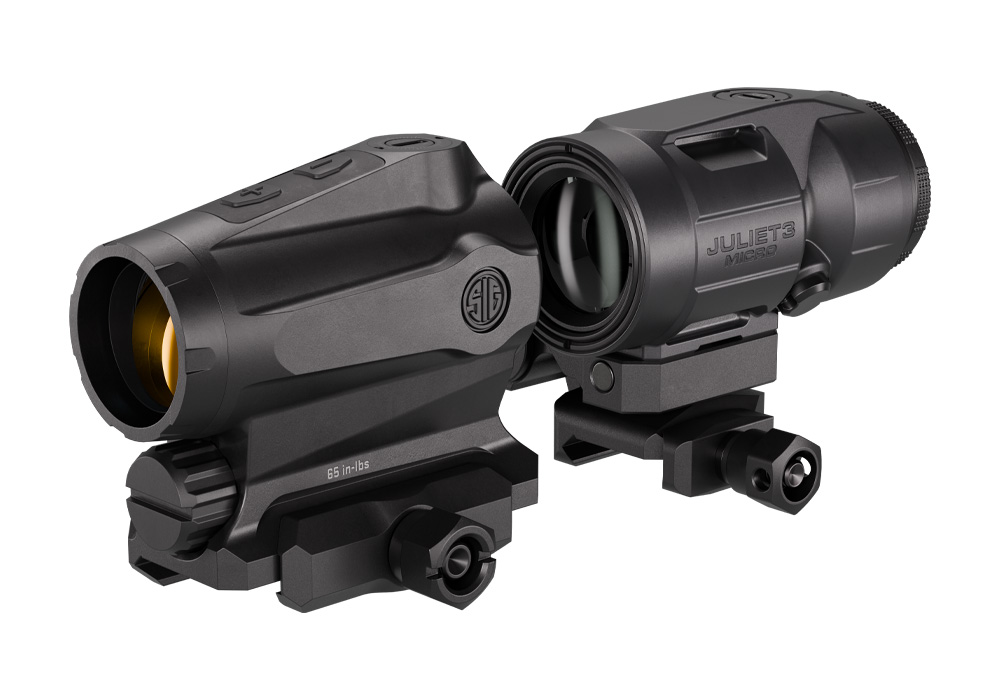
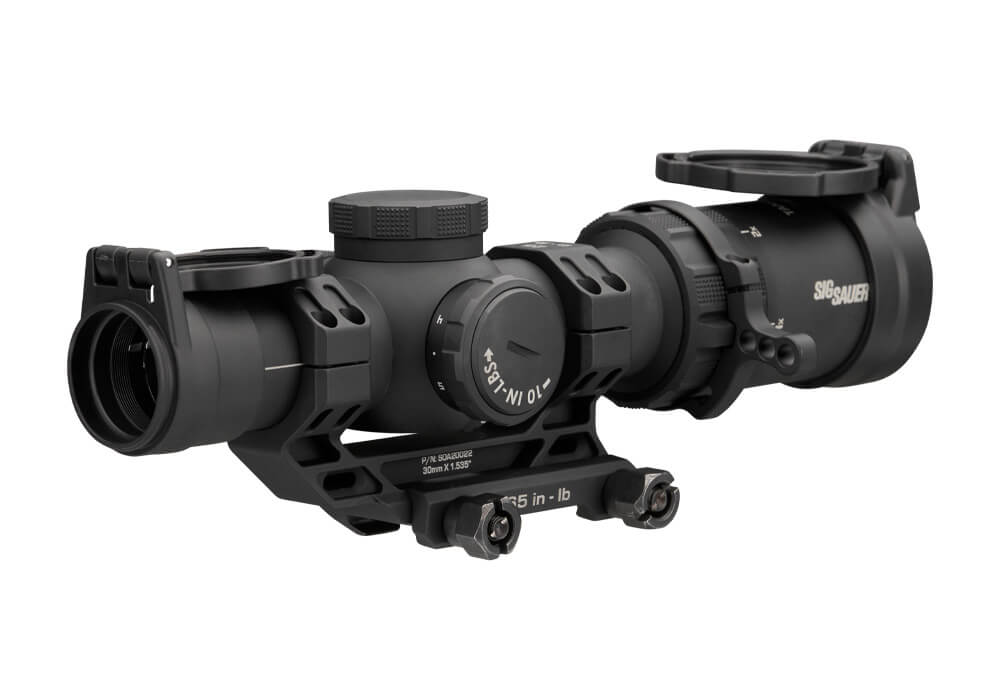
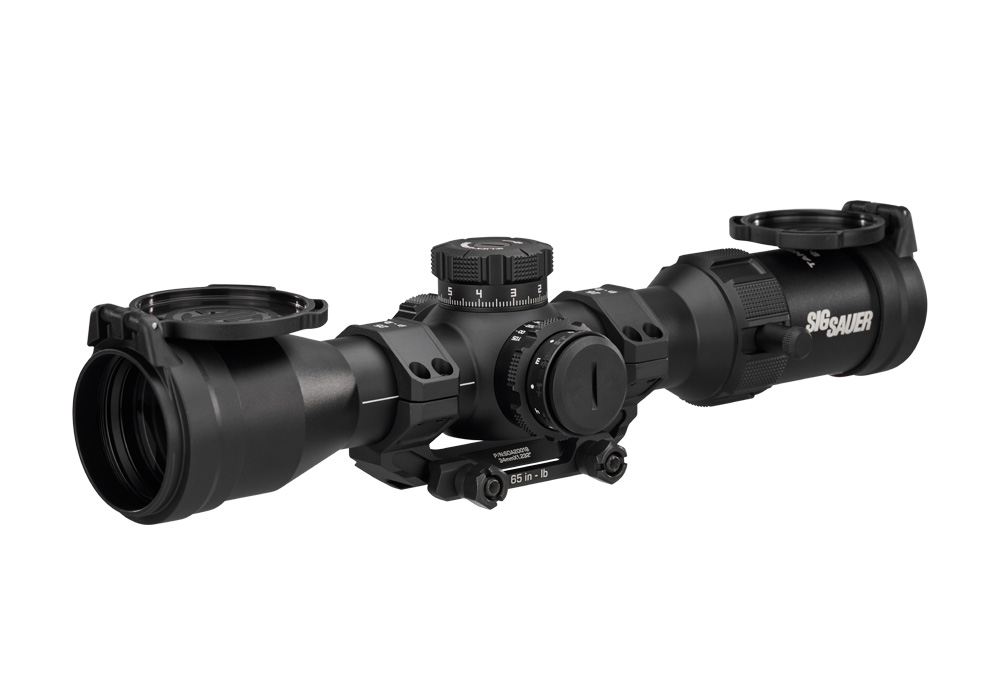
Spring target shooting optics range from nonmagnifying sights for close paper targets to magnified scopes for smaller aiming points farther downrange. Within the Shooting Optics category, meaningful differences include how clearly an optic presents the target, how it fits the firearm, and how comfortably it supports a full range session. A red dot sight provides an illuminated aiming reference without enlarging the view, which can suit recreational target practice where an open sight picture matters more than fine detail at distance. Magnified riflescopes bring distant targets into closer view, helping shooters distinguish scoring rings and maintain a consistent reference against a small aiming mark. Variable magnification accommodates different target sizes and distances, while fixed magnification offers a simpler viewing experience with fewer settings to manage. Neither approach is automatically better; a large bullseye at a modest distance presents different demands than a tight grouping exercise on a distant paper target. Higher magnification can reveal more detail, but it also narrows the field of view and makes normal movement appear more pronounced. Reticle design contributes just as much to the experience. Fine lines can leave a small target unobstructed, while a bolder center reference may be easier to distinguish against a busy background. Illumination can improve visibility when the aiming mark blends into shaded surroundings, though an excessively bright setting can obscure fine detail. Spring range conditions may include pale morning light, bright overhead sun, and dark target backers beneath fresh foliage, so useful brightness adjustment matters more than maximum brightness alone. Shooters who wear corrective lenses may also perceive illuminated dots differently, making the appearance of the aiming reference a personal consideration rather than a specification that tells the whole story. For casual weekend practice, organized target events, or deliberate sessions from a bench, the right optical characteristics support a clear, repeatable view without adding unnecessary complexity to the outing.
Optical quality involves more than magnification or the diameter of the front lens. Lens coatings, internal light control, and the quality of the optical system influence contrast, glare, and the visibility of fine target detail. A crisp black aiming square against white paper can reveal the difference between a sharp image and one that looks washed out in strong light. Larger objective lenses can be useful in some configurations, but their benefits depend on magnification and overall design, and their size can require a higher mounting position. That relationship matters because fit affects both comfort and consistency. Eye relief describes the distance between the viewing lens and the eye at which the full image is visible; appropriate clearance is especially important on recoiling firearms. The eye box describes how much freedom the shooter has to move while retaining that usable view. A forgiving viewing position can feel less demanding through a long practice session, particularly when alternating between standing and supported shooting. Mount compatibility is equally important: rail or footprint type, ring diameter where applicable, mounting height, and clearance around the firearm all influence whether an optic is a suitable match. A secure installation follows the firearm, optic, and mount manufacturers’ specifications rather than assumptions about interchangeable parts. Weight and balance deserve attention as well. A substantial scope may feel comfortable on a bench-oriented rifle but less convenient on a firearm carried between shooting stations. Aluminum housings are common because they balance strength and weight, while protective finishes help resist surface wear from routine handling. Adjustment controls should be readable and accessible without interfering with normal operation. Shooters who enjoy recording results may value consistent, clearly marked adjustments, while those seeking straightforward recreational practice may prefer a less involved setup. For an experienced enthusiast or someone building confidence with target shooting, a well-matched optic is defined by the whole arrangement, not by a single impressive specification.
The word spring also warrants a separate compatibility distinction: optics for springtime target shooting are not necessarily suitable for spring-piston air rifles. A spring-piston action produces a distinctive forward-and-rearward recoil cycle that can stress internal optical components differently from conventional firearm recoil. An optic intended for a centerfire rifle is therefore not automatically appropriate for a spring-piston air rifle, even if the air rifle seems less powerful. Explicit manufacturer approval for spring-piston use is the relevant reassurance, along with a compatible mounting system. Close-range focusing requirements can also differ, so the optic’s stated focus or parallax adjustment range matters for air-rifle targets placed at shorter distances. This mechanical distinction is separate from the seasonal conditions associated with spring range visits. Rain, airborne pollen, windblown dust, and moisture on a shooting bench can all affect handling and visibility. Where specified, sealed construction and water-resistant performance offer protection, while internal fog resistance depends on the optic’s construction and does not prevent condensation from forming on exterior glass. Durability claims are most useful when supported by the manufacturer’s stated ratings rather than broad assumptions about ruggedness. Routine care helps preserve the view: loose grit belongs off the lens before any wiping, and lens-safe cleaning materials are preferable to clothing or household cleaners that may damage coatings. Protective covers reduce exposure during transport, and dry storage helps keep moisture from lingering around mounts, controls, and accessories. Illuminated sights also bring battery considerations, including the correct battery type, access to the compartment, and any need to confirm alignment after servicing. For a gift, compatibility is more important than surprise; knowing the recipient’s firearm, preferred target distances, and existing mount can prevent a thoughtful present from becoming a poor fit. Whether intended for relaxed afternoons at a supervised range or regular participation in target events, spring shooting optics earn their place through clear glass, comfortable fit, appropriate durability, and dependable performance in the conditions they are designed to handle.