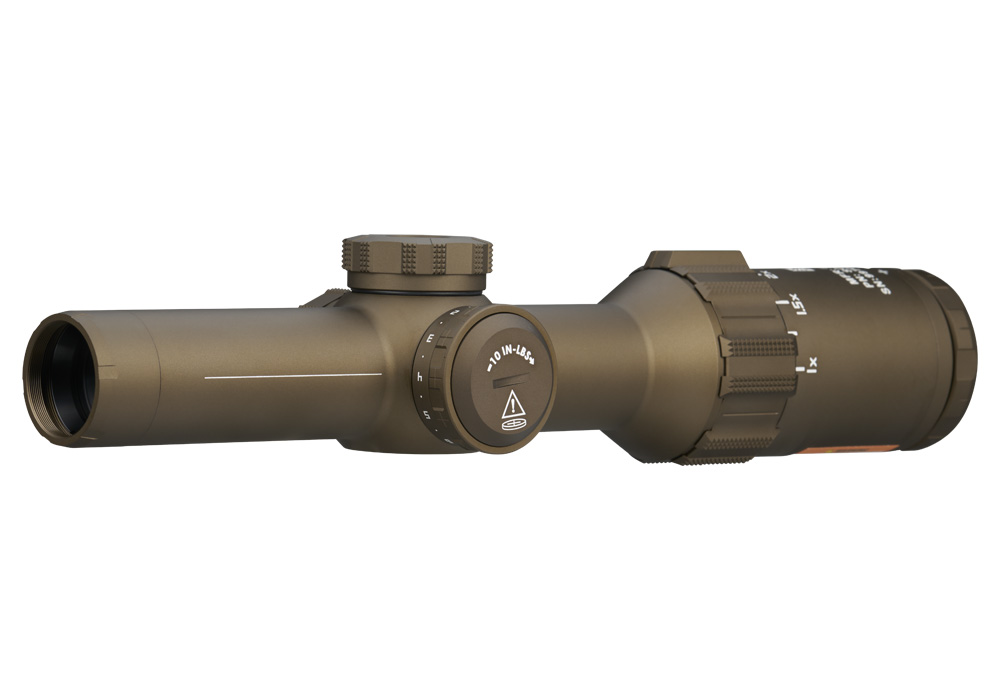
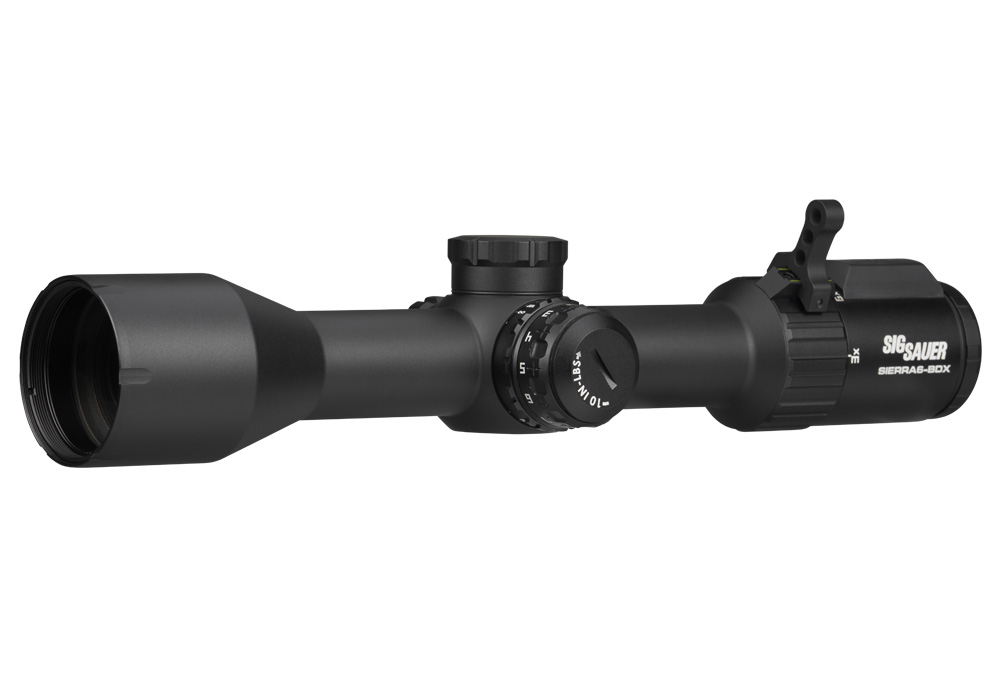
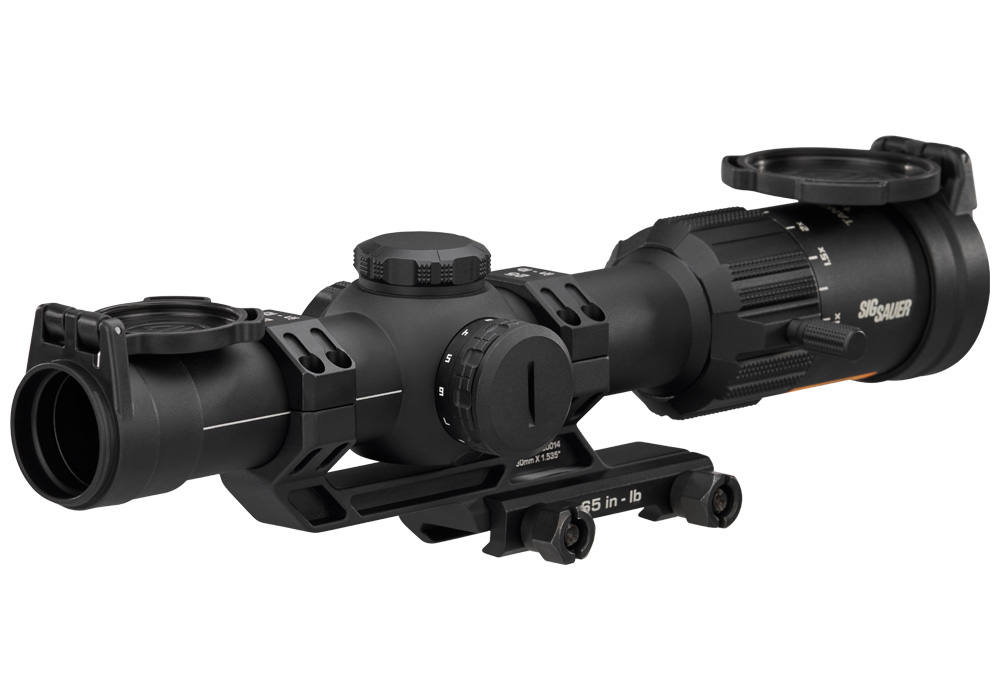
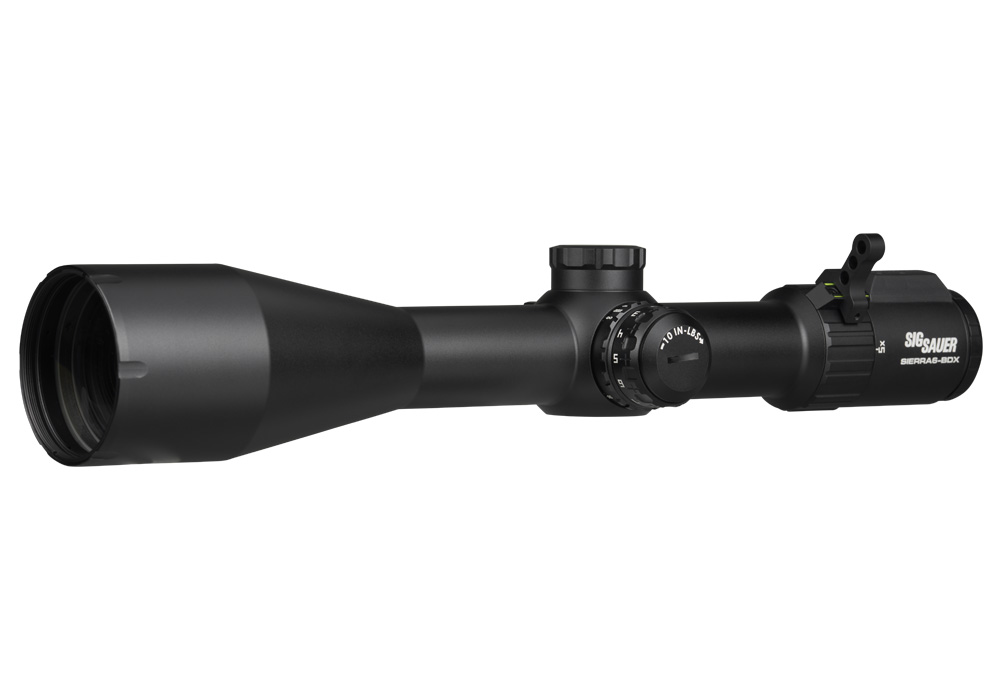
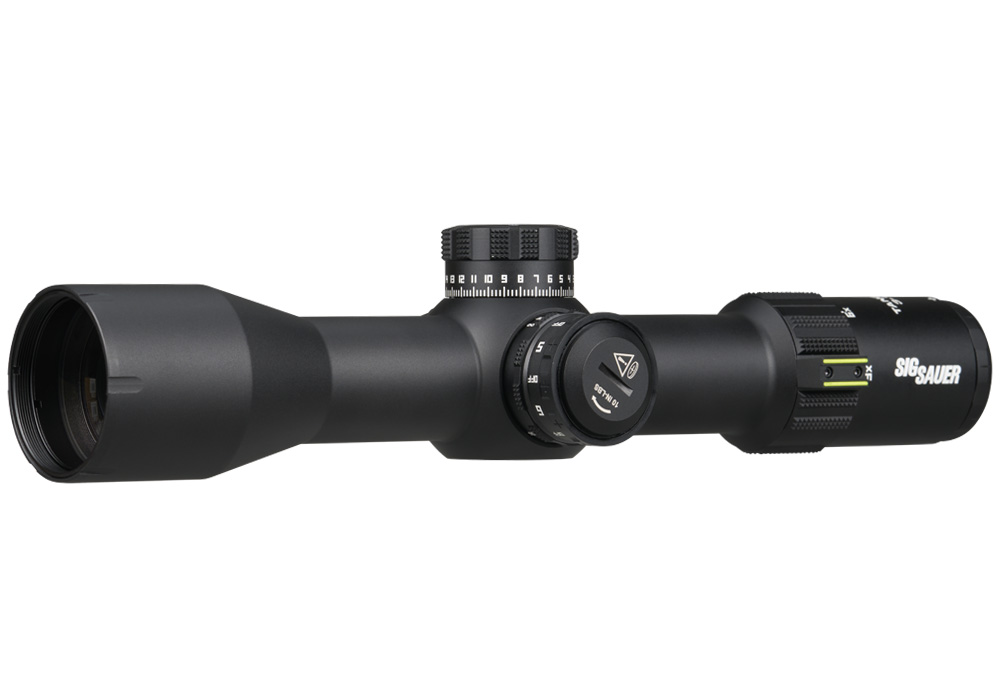
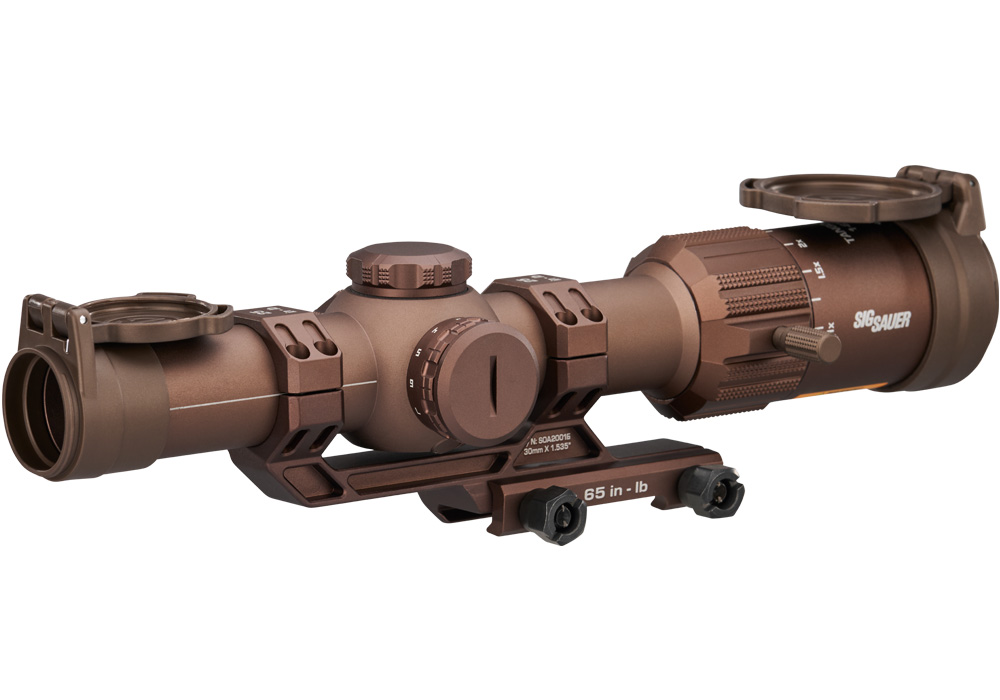
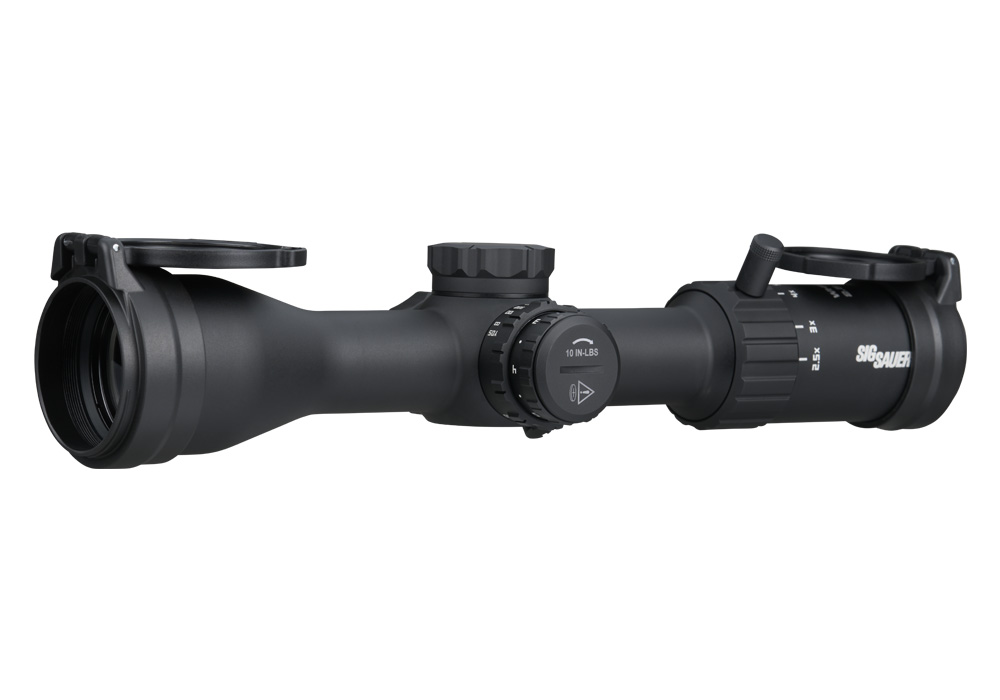
Spring hunting scopes suit the varied demands of turkey, predator, and small-game hunting by balancing useful magnification, clear sight pictures, weather resistance, and a fit suited to the firearm and terrain. The most practical combination depends less on maximum power than on the distances and conditions a hunter expects to encounter. A wooded turkey setup, where magnified optics are permitted, places different demands on a scope than an open pasture used for predator hunting. In close cover, a low starting magnification and broad field of view help keep the surrounding scene visible rather than filling the sight picture with a narrow patch of feathers, fur, or vegetation. Across open ground, additional magnification can reveal detail, though excessive power also magnifies visible movement and reduces the amount of terrain seen through the optic. Variable-power hunting scopes offer flexibility between those settings without requiring a different optic for every outing. Optical quality matters throughout that range. Well-executed lens coatings help limit reflections and preserve contrast, particularly when pale morning light meets dark timber or sunlight catches wet leaves. A larger objective lens can support a brighter image under some conditions, but objective size alone does not determine usable brightness; magnification, optical quality, and the viewer’s eye all contribute. Reticle design deserves similar attention. A clean, easily distinguished aiming point can remain readable against bark, grass, and uneven shadows without covering more of the target than necessary. Optional illumination can improve reticle visibility against a dark background, but it does not brighten the scene itself or replace sufficient light for positive identification. For spring hunting, these qualities work together: manageable magnification, useful contrast, an uncluttered reticle, and controls that remain understandable when attention belongs on the surroundings. A scope should support responsible observation, not encourage a shot when the animal, intervening cover, or background cannot be clearly identified. The result is an optic selected for real hunting conditions rather than a specification that sounds impressive in isolation.
Spring conditions also place practical demands on construction, mounting, and care. Rain moving across an exposed field, damp brush along a trail, and moisture collecting on equipment can challenge an optic long before a hunter reaches a setup. Many hunting scopes use aluminum bodies to balance strength and weight, while sealed construction and internal gas purging help resist moisture intrusion and internal fogging. Those features do not eliminate condensation on exterior glass, and water-resistance claims should be understood according to the manufacturer’s stated testing and care guidance. A durable finish can help protect exposed surfaces from routine handling and contact with vegetation, while suitable lens covers help shield glass during transport. Fit is just as important as exterior toughness. Scope tube diameter must match the rings, and the mounting system must be compatible with the firearm. Objective clearance, mounting height, and available mounting space all influence whether a scope can sit in a comfortable, usable position. A large objective may offer optical advantages in some settings, yet a higher mounting position can interfere with a natural cheek weld. Eye relief and a forgiving eye box are especially relevant on firearms with substantial recoil, including shotguns equipped for turkey hunting. Adequate clearance and a consistent viewing position matter more than a compact appearance alone. Weight affects handling as well: an optic that feels unobtrusive on a supported firearm may become noticeable during a long walk over uneven ground. Protected or capped adjustments can suit hunters who prefer a simple setup, while exposed controls introduce different handling considerations. Care after an outing helps preserve performance. Loose grit is best removed before lens cleaning, with optical-safe materials used according to the manufacturer’s instructions rather than a sleeve or rough cloth. Drying exterior surfaces, allowing damp covers to air out, and storing equipment in a dry environment help protect both the glass and surrounding components. Proper installation, specified fastener torque, and confirmation of zero remain essential parts of a dependable scope-and-firearm combination, particularly after mounting changes or a hard knock in transit.
The intended hunt gives these features their meaning. A hunter settled near the edge of spring woods may value a compact scope that leaves the firearm balanced and provides a clear view at modest magnification. Someone watching a broad field for predators may place greater emphasis on detail, contrast, and enough adjustment range to accommodate changing distances. Small-game hunting can introduce closer viewing distances, making the scope’s parallax setting and near-focus performance relevant to the selection. An adjustable objective or side-focus system may offer flexibility, but added controls also bring weight and complexity that not every outing requires. The useful choice reflects the firearm, the hunter’s experience, and the actual setting rather than the largest collection of features. Controls that can be operated with light gloves, magnification markings that are easy to read, and a reticle that remains distinct against fresh foliage are practical details worth considering. Corrective eyewear and individual vision can also affect how comfortable a sight picture feels, so generous eye positioning and accessible focus adjustment have value beyond the specification sheet. Familiarity developed on a supervised range helps a hunter understand those characteristics before taking equipment into the field. The related Spring Target Shooting Optics collection offers another context for considering optics used during practice, while hunting requirements remain tied to terrain, legal methods, and expected distances. A scope can also be a thoughtful gift for an experienced hunter preparing equipment for spring, provided the recipient’s firearm compatibility, mounting preferences, and intended use are known. Those details are more useful than guessing at magnification or choosing solely by appearance. For newer hunters, a straightforward optic with readable controls and a comfortable fit may be more valuable than a complicated system requiring constant attention. Across these uses, spring hunting scopes earn their place through consistent optical performance, secure mounting, appropriate durability, and handling that complements the firearm. The strongest match is one that remains useful from the walk to the setup through the careful observation that defines time in the field.