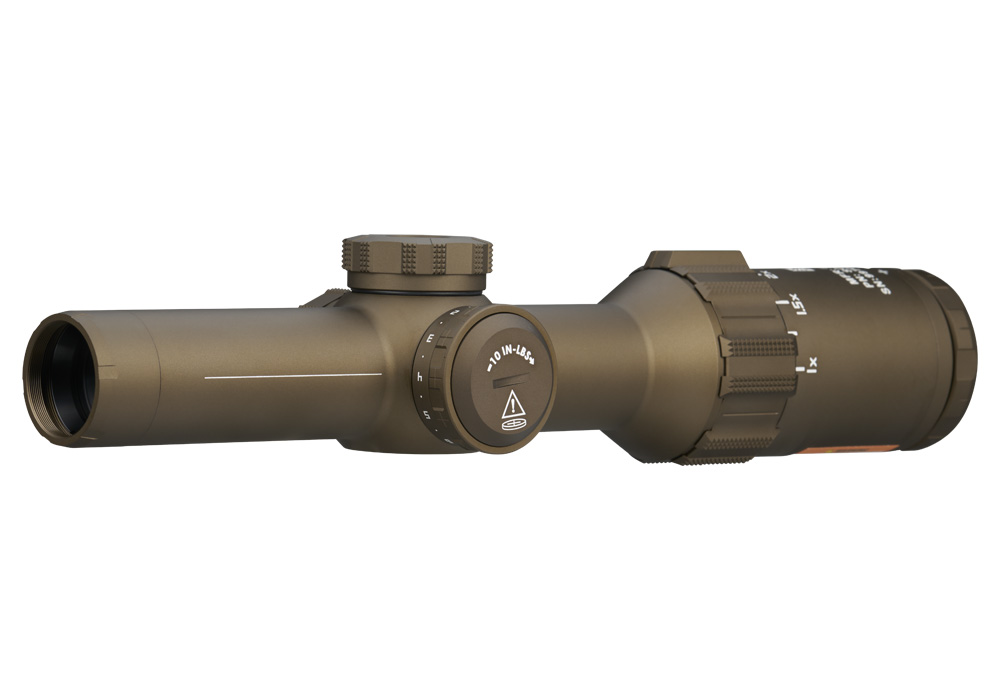
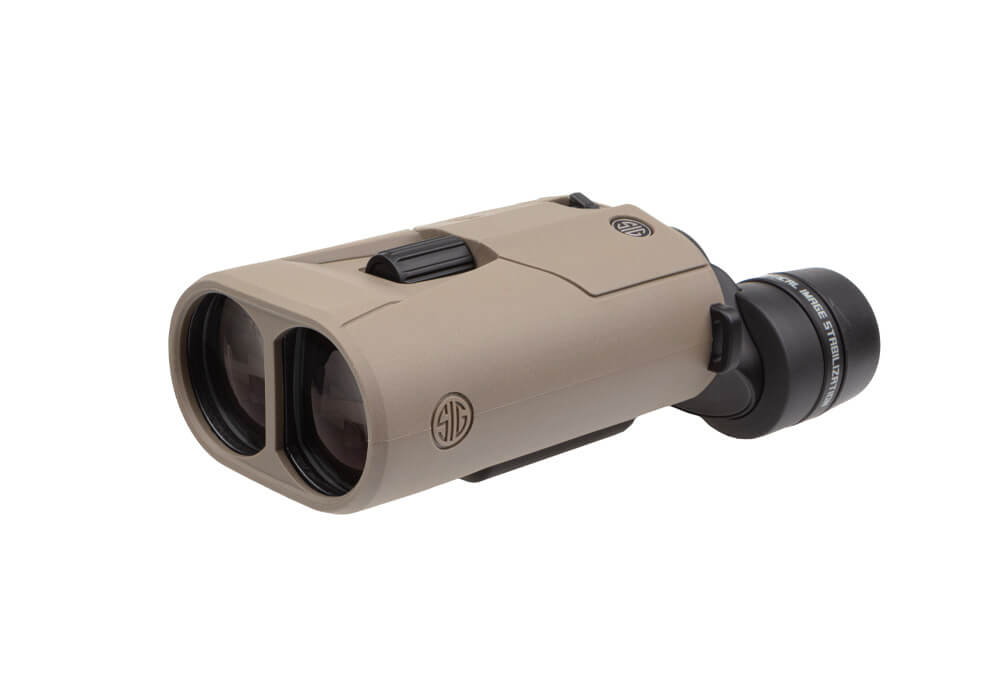
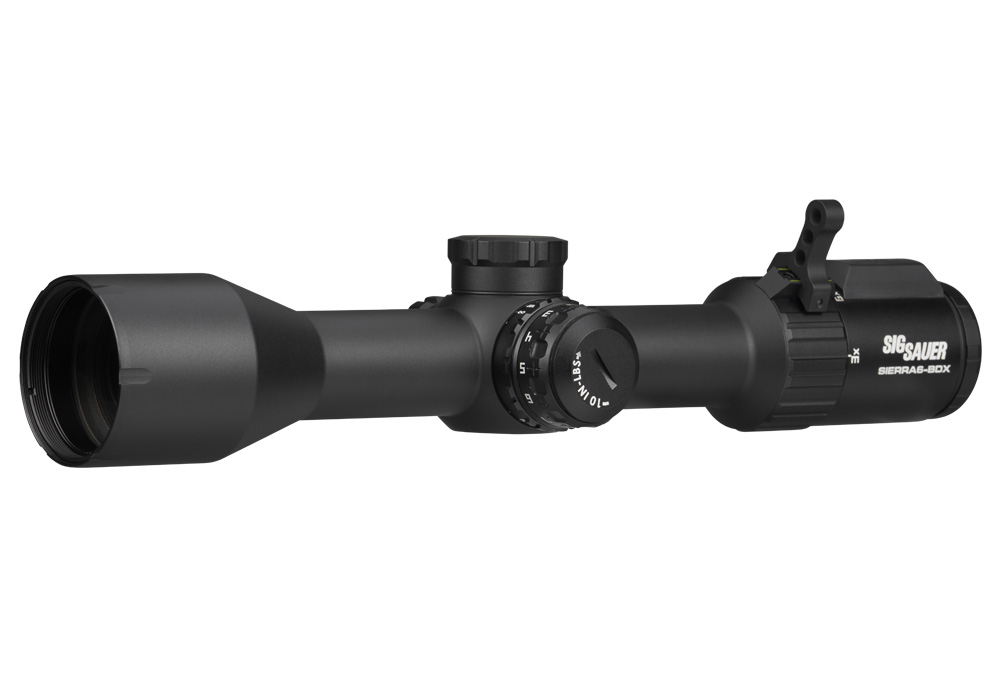
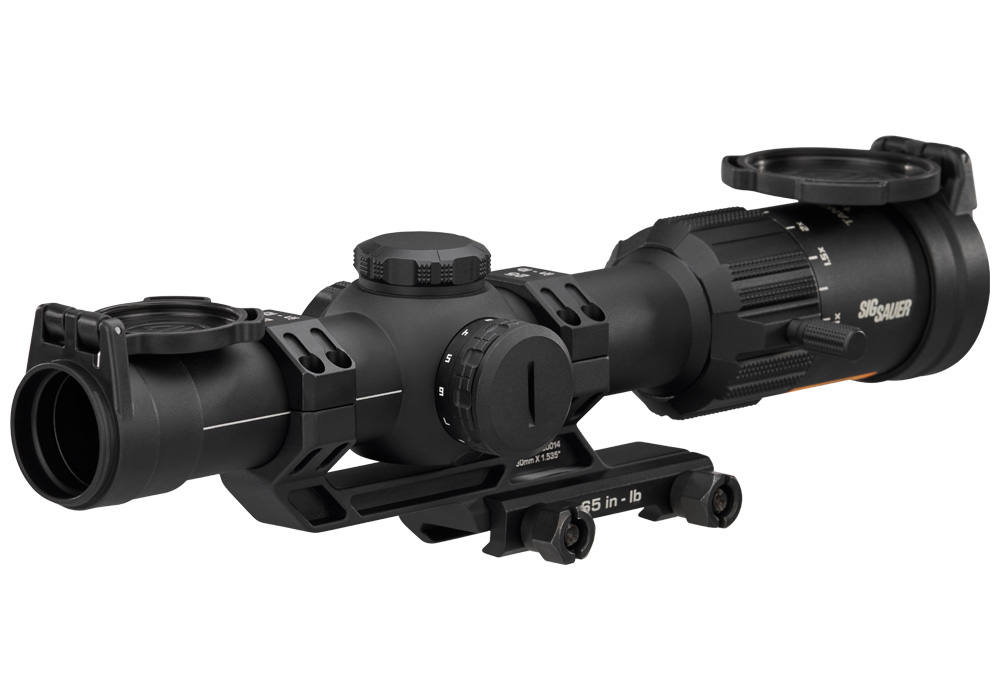
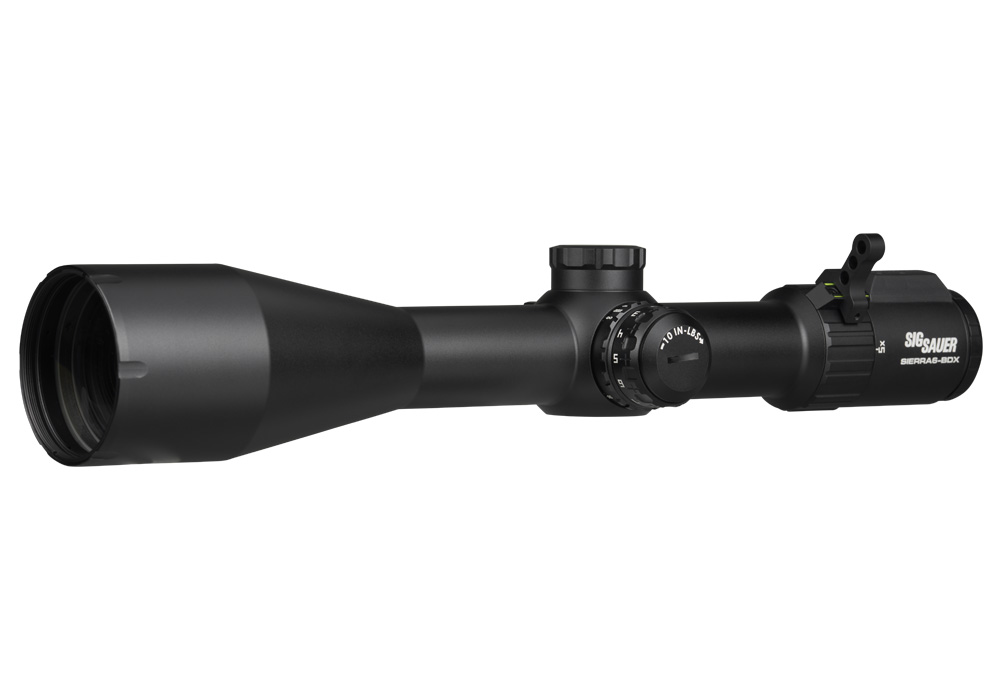
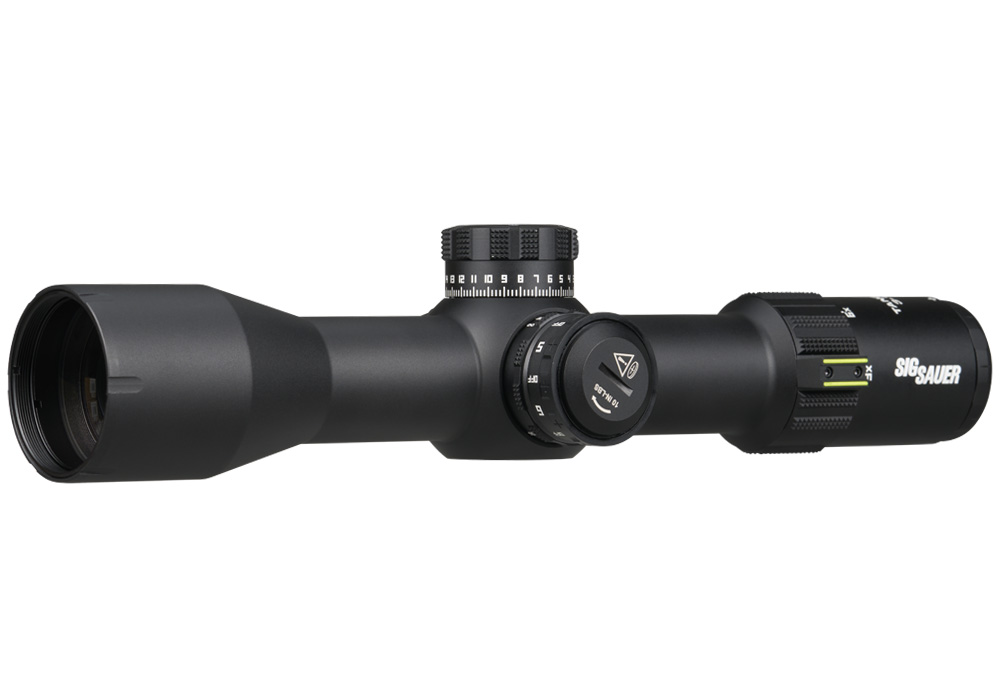
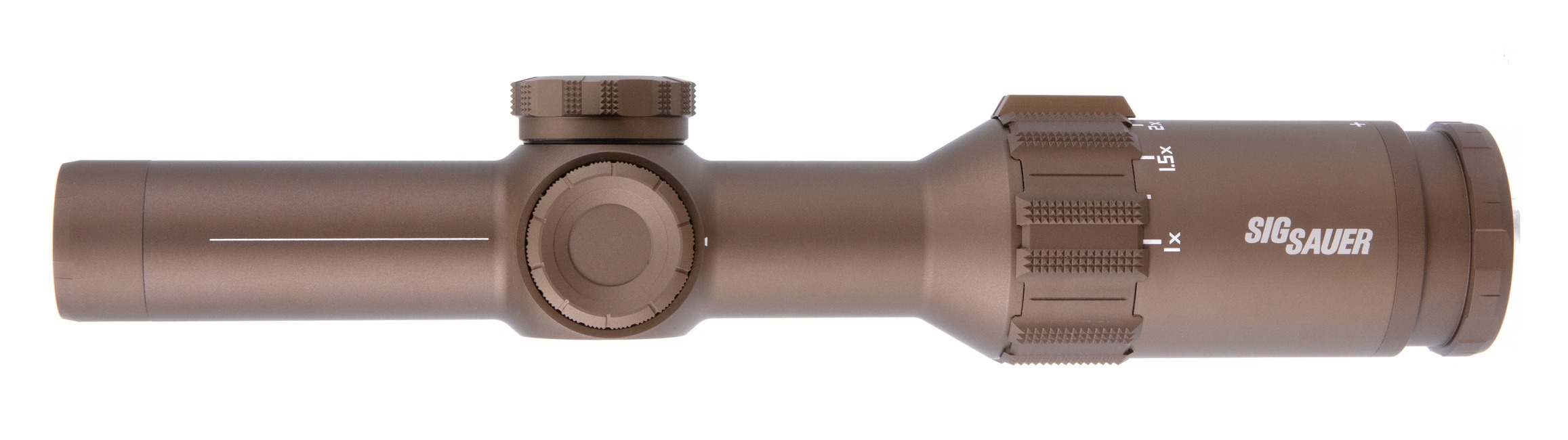
Spring outdoor scopes suit range sessions, lawful hunting, and field observation where shifting light, damp vegetation, and changing temperatures can challenge visibility. Clear optics, practical magnification, weather-resistant construction, and a comfortable viewing position are important considerations for these settings. A bright clearing beside shaded woods presents a different view from a paper target against an open berm, and useful optical performance involves more than enlarging either scene. Contrast helps separate fine details from a busy background, while effective lens coatings can reduce distracting reflections and support a clearer image in difficult light. Lower magnification generally provides a wider field of view, which can feel more comfortable when scanning an area or locating a target. Higher magnification can reveal smaller details at greater distances, although it also makes movement more noticeable and narrows the visible scene. A versatile magnification range can accommodate different outdoor settings without making maximum power the priority. Objective lens size matters, too, but a larger front lens does not automatically deliver a better experience. Image brightness also depends on magnification, optical quality, light transmission, and the relationship between the scope and the viewer’s eye. Larger objectives may add weight and require additional clearance, making overall balance part of the decision. Riflescopes support an aiming system, while spotting scopes provide a separate view for observing wildlife, checking targets, or sharing a distant scene with a companion. The distinction matters for anyone comparing spring outdoor scopes across different activities. A compact optic may suit a long walk to a field position, while a larger spotting scope on a stable tripod can be more comfortable for extended observation from one location. For either category, sharp detail across the useful viewing area, accessible controls, and an image that remains comfortable to watch often matter more than an impressive magnification number alone.
Durability begins with the scope’s construction and continues through its fit with the rest of the equipment. Aluminum housings are common because they can combine structural strength with manageable weight, while protective exterior finishes help resist ordinary handling wear. Sealed construction and internal gas purging can help limit moisture intrusion and internal fogging, but waterproofing claims and testing standards vary. Published specifications are more useful than assuming every outdoor optic tolerates the same exposure. Spring outings can involve a wet shooting bench, mist along a trail, or moisture brushed from new leaves, so protection against the conditions expected on a particular trip deserves attention. External lens surfaces can still collect condensation even when the interior remains clear. Protective lens treatments may simplify cleaning, but glass still benefits from careful handling. For a riflescope, tube diameter, mounting dimensions, objective clearance, eye relief, and firearm compatibility all influence fit. Adequate eye relief supports a comfortable viewing position and appropriate clearance under recoil; its usefulness depends on the complete setup rather than a single specification. Mounting hardware should match both the optic and the firearm, with installation following the relevant manufacturers’ requirements. A qualified professional can help resolve compatibility concerns without relying on guesswork. Reticle design is another practical distinction. A simple pattern may be easier to see against a textured background, while a more detailed pattern may suit shooters who understand and use its reference marks. In a first focal plane design, the reticle’s apparent size changes with magnification; in a second focal plane design, it remains visually consistent, and reference-mark values generally correspond to a specified magnification. Illumination can improve reticle visibility in some lighting conditions, though excessive brightness may obscure fine detail. Adjustable focus, suitable parallax controls where provided, and controls that remain easy to operate with light gloves can also contribute to a more comfortable experience. The strongest match is a scope whose features serve its intended use without adding unnecessary bulk or complexity.
Care and transport help preserve that performance between outings. A scope carried along a muddy path faces different exposure from one used mainly beneath a covered firing line, but both benefit from protected lenses and a secure place in transit. Lens covers and padded cases help shield glass and controls from grit, scratches, and contact with other equipment. Loose dust should be removed before wiping, since rubbing particles across a lens can damage its surface or coatings. Cleaning materials intended for optical glass, used according to the manufacturer’s directions, are preferable to clothing, rough paper, or general household cleaners. After exposure to moisture, allowing the exterior and protective accessories to dry before storage helps prevent dampness from lingering inside a closed case. Battery-powered illumination adds another maintenance consideration, including checking battery condition and following storage recommendations. These small habits are especially relevant when equipment moves between a vehicle, a range bench, and a field pack over the course of an outing. Comfort also deserves attention beyond the scope itself. A steady support can make a spotting scope easier to use, while a well-balanced rifle and compatible optic help avoid an awkward viewing position. Eyeglass wearers may place particular value on forgiving eye placement and accessible focus adjustments, and observers sharing one scope may appreciate controls that are easy to reset. For a gift, the recipient’s existing equipment and preferred activities matter more than choosing the greatest magnification or largest objective. A recreational target shooter, an experienced hunter, and a wildlife observer can have very different expectations, even when all spend substantial time outdoors. Knowing whether the optic will be carried over distance, used from a fixed position, or shared during observation helps narrow the relevant features. The Early Summer Shooting Scopes collection provides a related starting point for planning range time beyond spring. Across seasonal outings, dependable construction, compatible fit, manageable weight, and clear viewing remain lasting priorities for outdoor optics.