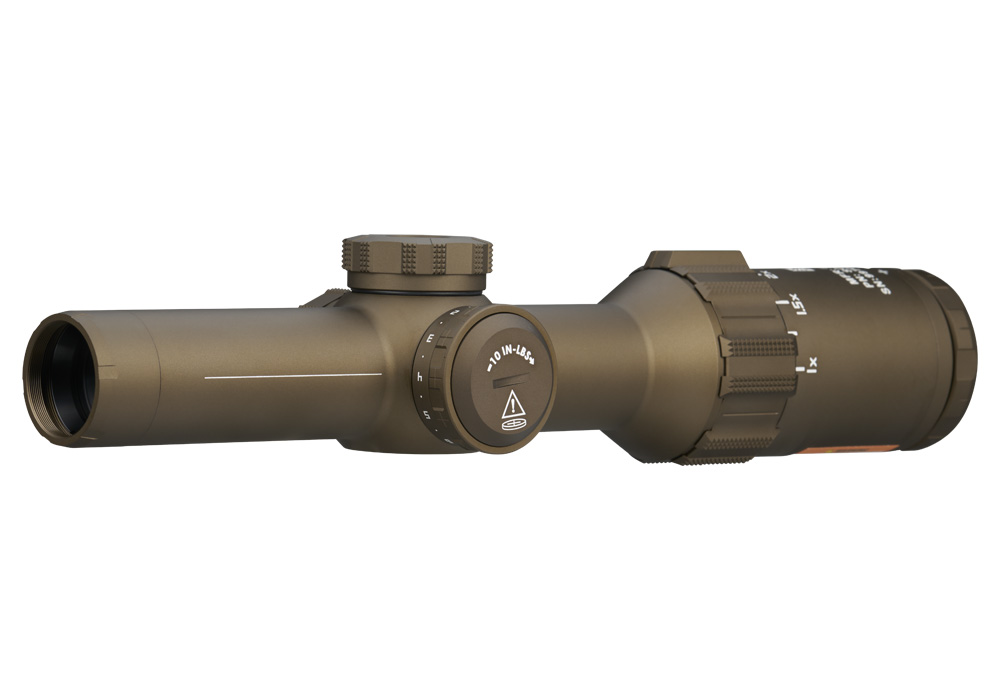
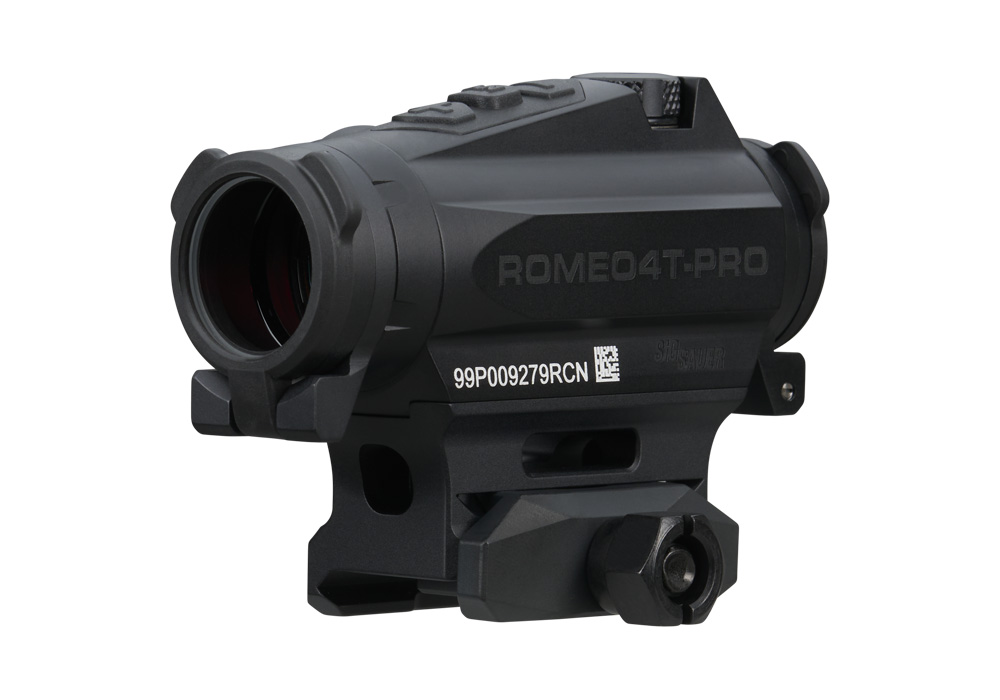
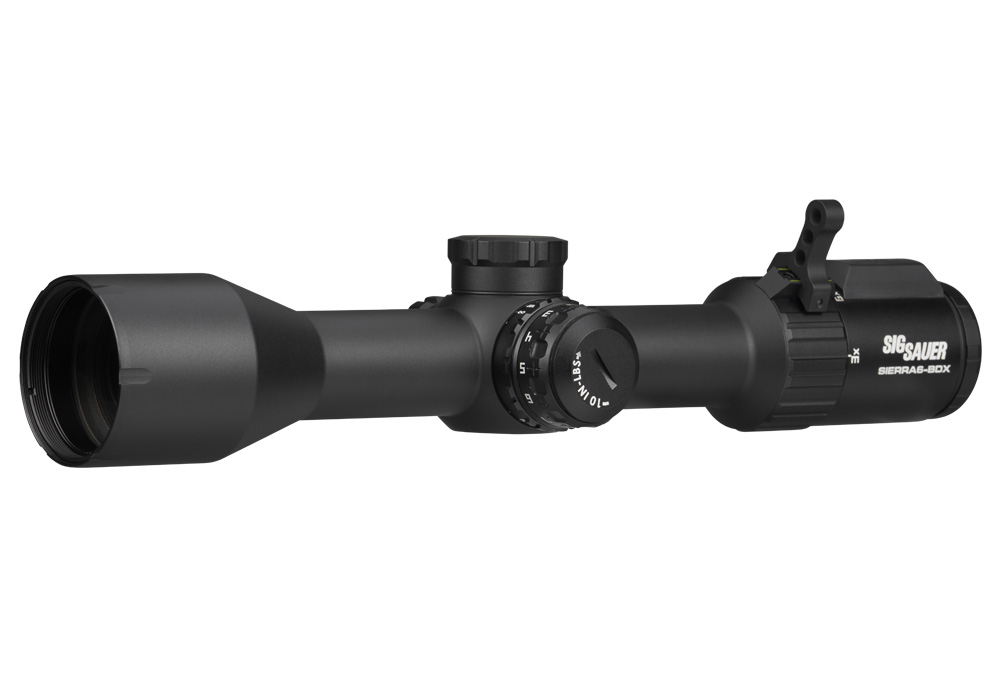
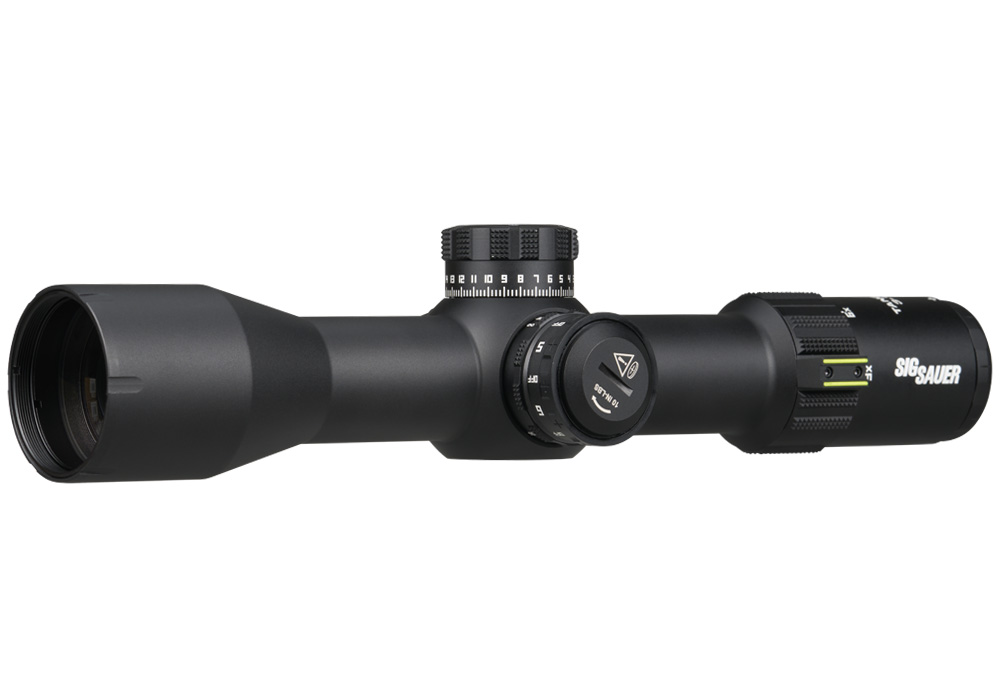
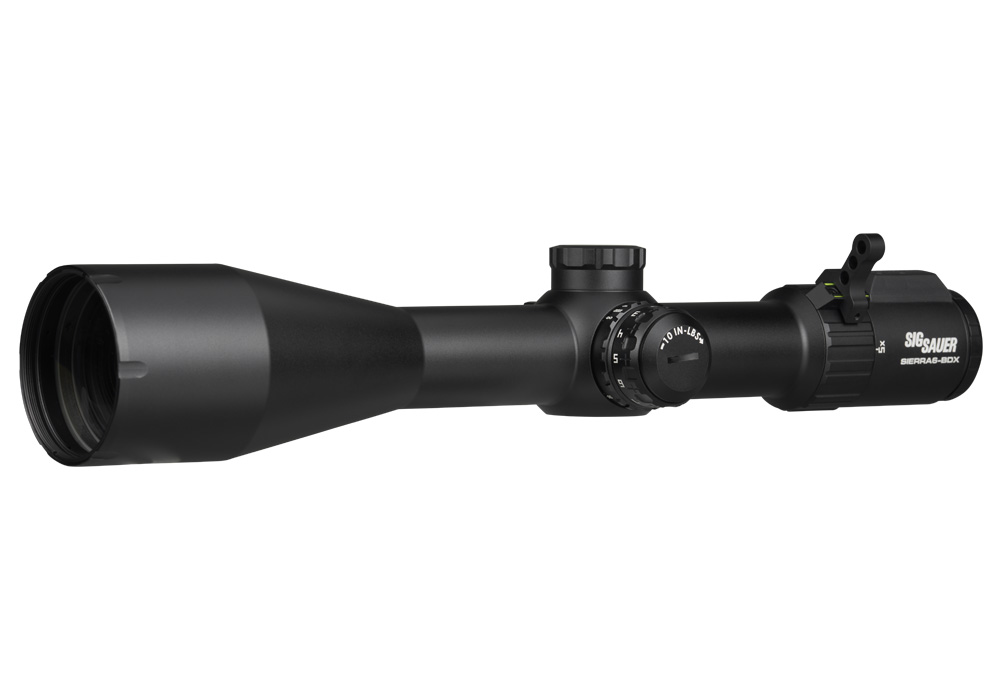
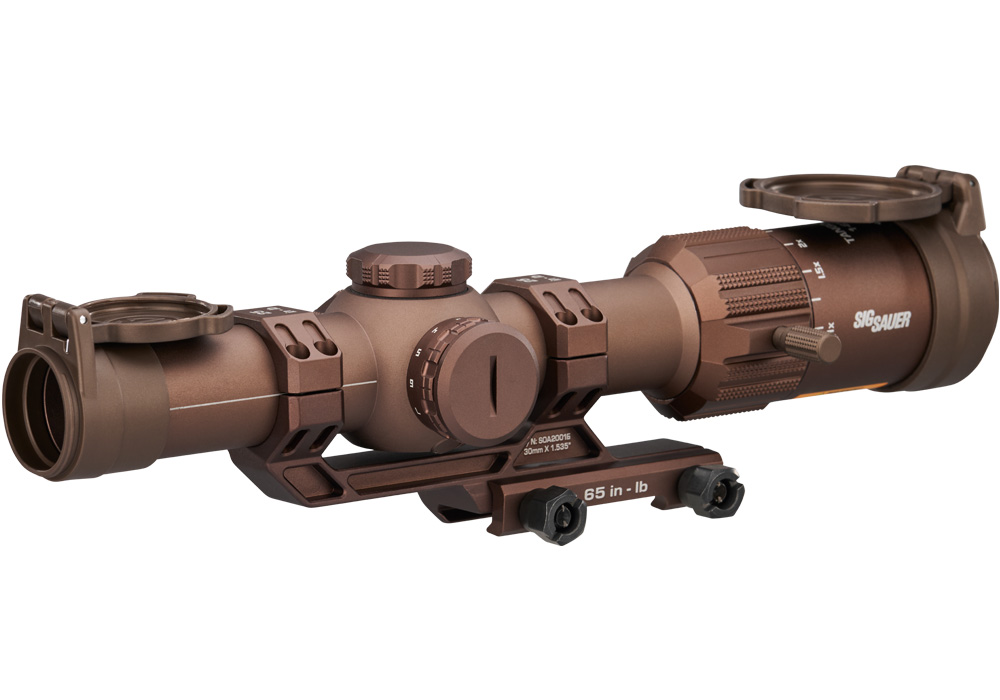
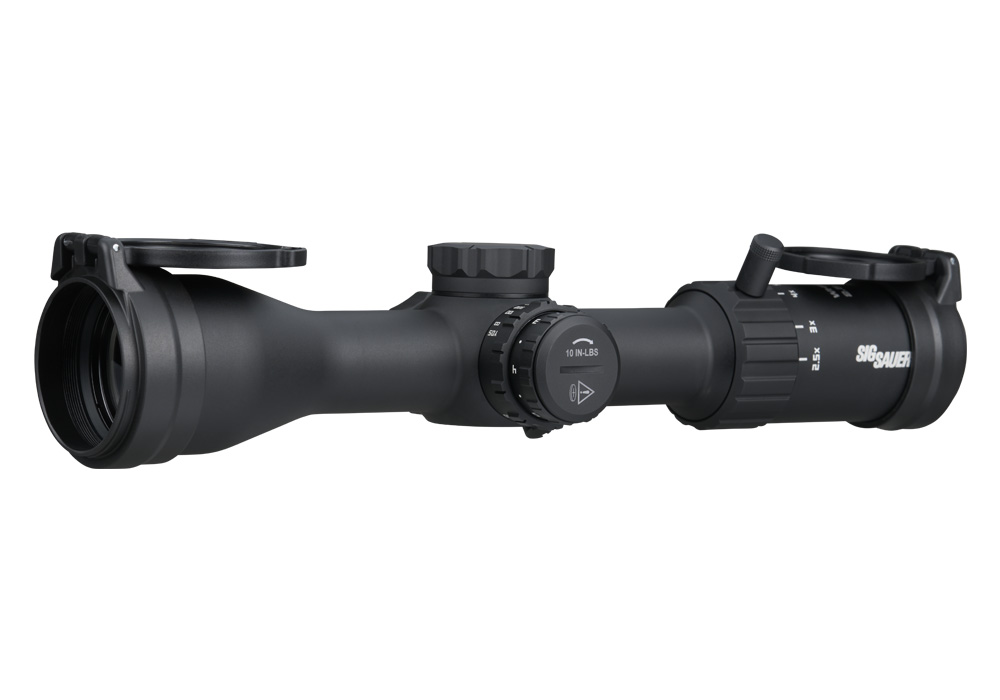
Early summer shooting scopes suit a season of long daylight hours, bright range conditions, and outdoor practice that can stretch from a shaded morning bench into an afternoon under open sky. For recreational rifle shooters, hunters preparing equipment between outings, and people building confidence with a familiar firearm, a useful scope balances a clear sight picture with manageable size and straightforward controls. Low-to-mid variable magnification can accommodate a broad range of sporting uses, offering a wider view at lower settings and a closer look at paper targets at higher settings. Greater magnification has a place for more detailed target observation, but it also narrows the field of view and makes movement and atmospheric shimmer more noticeable. A powerful zoom range alone does not establish optical quality. Resolution, contrast, and consistent sharpness matter when a dark target sits against a shaded berm or pale paper reflects strong sunlight. Lens coatings help reduce reflections and improve light transmission through the optical system; they do not create light or eliminate the effects of heat mirage. Objective lens size also deserves context. A larger objective can support a brighter image under some conditions, particularly at higher magnification, but it generally adds bulk and may require a taller mounting arrangement. A compact scope can feel better balanced on a rifle carried between shooting positions or transported with other range equipment. Comfortable eye relief and a forgiving viewing position contribute just as much to everyday usability, especially for shooters wearing protective glasses. Early summer rifle optics are most useful when their specifications reflect the actual outing: an easygoing session at a local range, organized sporting competition, or field practice where shooting positions and distances vary. A scope that feels natural behind the rifle is often more enjoyable than one with extra magnification or controls that rarely serve a purpose. Clear glass, sensible dimensions, and a readable reticle provide a foundation without turning a recreational setup into an unnecessarily heavy package.
Construction and control design help distinguish shooting scopes that remain comfortable through repeated outdoor use. Aluminum tubes are common because they combine relatively low weight with structural strength, while anodized finishes help protect exposed surfaces from routine wear. Surface treatment is not a substitute for careful handling, and even a rugged optic benefits from protection against impacts during transport. Water resistance, internal fog resistance, and recoil tolerance describe different aspects of durability; the relevant specifications belong to the individual optic rather than to the category as a whole. Sealed construction and dry-gas purging can help limit internal moisture, although an exterior lens may still collect condensation when equipment moves between spaces with different temperatures. Dust, pollen, perspiration, and sunscreen are also familiar companions on an early summer range bench. Protective lens covers and accessible cleaning surfaces make practical differences over a full day outside. Reticle design is another everyday consideration. A simple pattern can keep the view uncluttered for casual target shooting, while a more detailed pattern may appeal to experienced sporting shooters who prefer additional reference marks. First-focal-plane and second-focal-plane designs present those markings differently as magnification changes, so their usefulness depends on the shooter’s preferences and intended activity. Illumination can improve reticle visibility against some backgrounds, but it does not brighten the scene itself. Adjustable brightness is valuable because an overly intense reticle can distract from fine detail, particularly near the edges of daylight. On an illuminated optic, battery type, control placement, and any automatic shutoff function affect convenience as much as the illuminated pattern. Turret shape, tactile adjustment feel, and a magnification ring that turns smoothly are similarly tangible qualities. Capped adjustments can appeal to shooters who prefer protected controls, while other designs emphasize convenient access. These details become noticeable when hands are dusty, light gloves are in use, or a shooting session lasts longer than expected. Consistent optical performance and predictable controls support a satisfying outing without demanding unnecessary complexity.
Fit brings the optical and mechanical details together. Scope tube diameter must match the mounting rings, while objective clearance, mounting height, rifle configuration, and available mounting space all influence the finished setup. The most comfortable arrangement usually permits a natural head position rather than requiring the shooter to stretch forward or lift away from the stock to see a full image. Eyepiece dimensions and clearance around the rifle’s controls also matter, particularly when replacing an existing optic with one of a different shape. Mounting hardware and installation requirements vary, making manufacturer specifications and qualified professional assistance useful safeguards against mismatched components or improper installation. Weight deserves attention beyond the number printed on a specification sheet: an optic positioned above the rifle changes its balance, and that difference can feel more pronounced away from a supported bench. For someone purchasing a scope as a gift, knowing the recipient’s rifle, existing mounts, preferred activities, and comfort with optical controls is more helpful than selecting solely by maximum magnification. A regular target shooter may appreciate an uncomplicated sight picture and smooth adjustments, while a field-oriented user may place greater value on compact dimensions and protected controls. Related seasonal collections such as Spring Hunting Scopes offer another context for considering the balance between optical detail, portability, and field durability. Care remains straightforward but important: loose grit should be removed before lens surfaces are wiped, and optical cleaning materials should be compatible with the lens coatings. A clean, dry storage space and a protective case help preserve the finish and keep abrasive debris away from the glass. Equipment left inside a vehicle can experience substantial heat, so storage guidance deserves the same attention as optical specifications. With suitable fit and routine care, an early summer shooting scope can remain a familiar part of many range visits, offering a comfortable view of the target, readable controls, and a balanced feel that makes time outdoors more enjoyable.