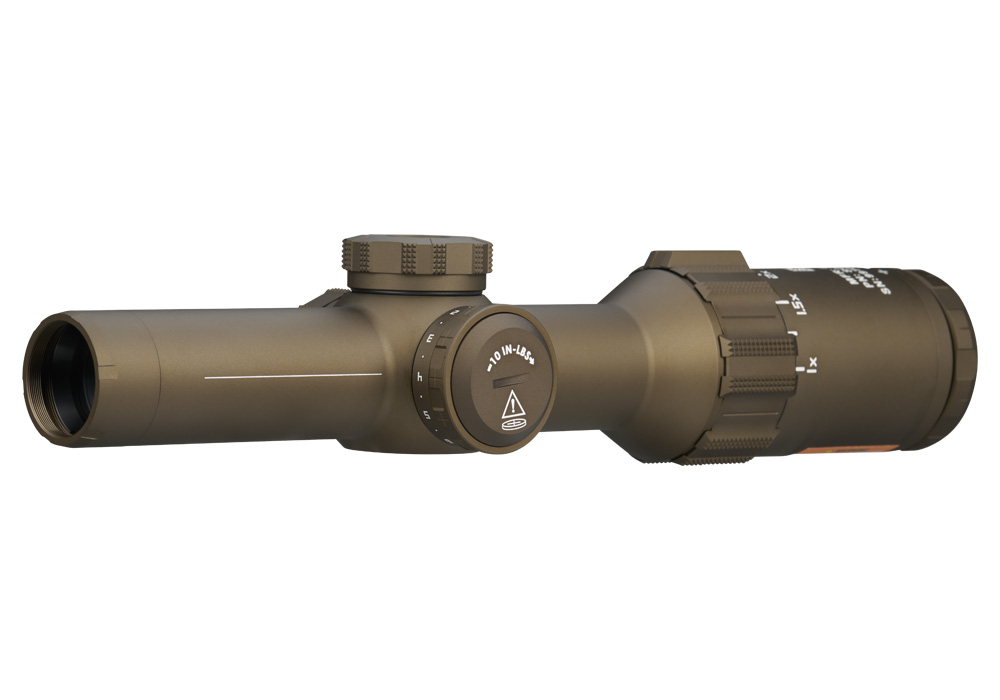
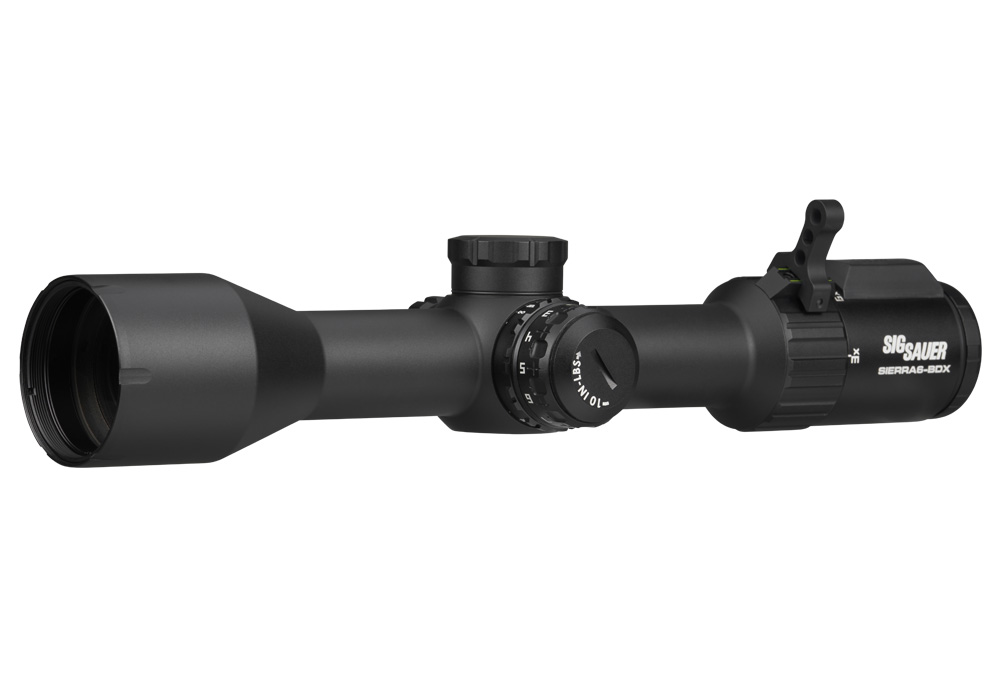
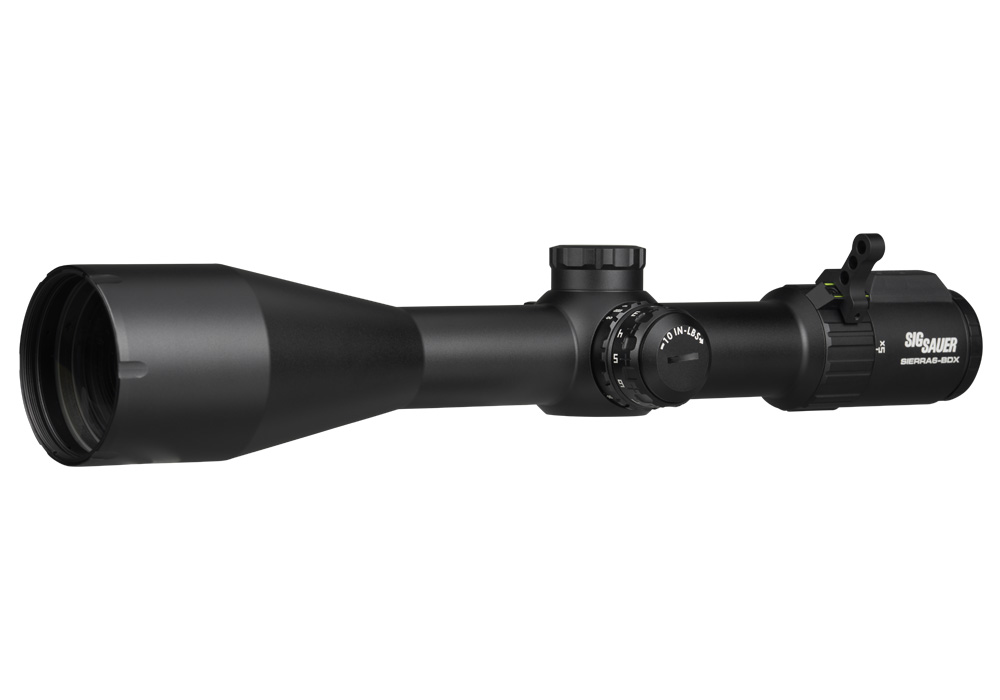
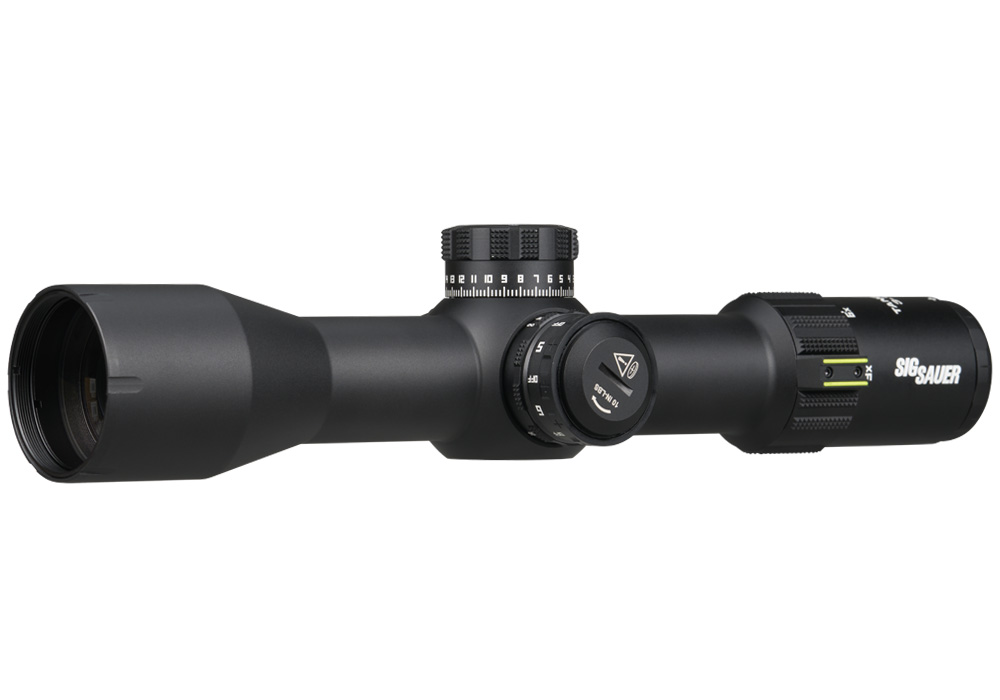
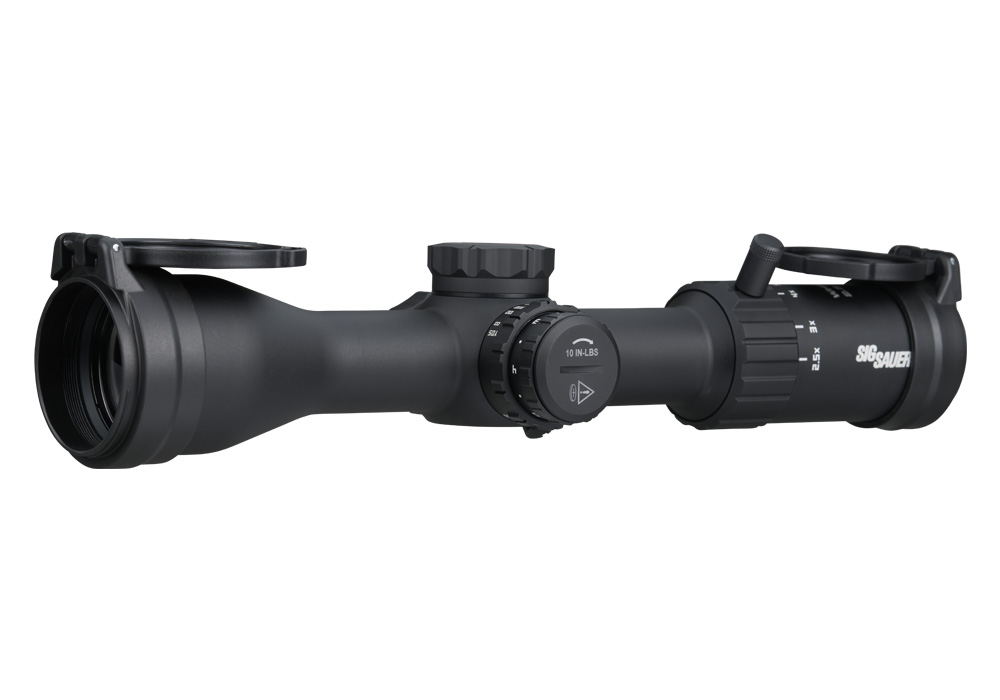
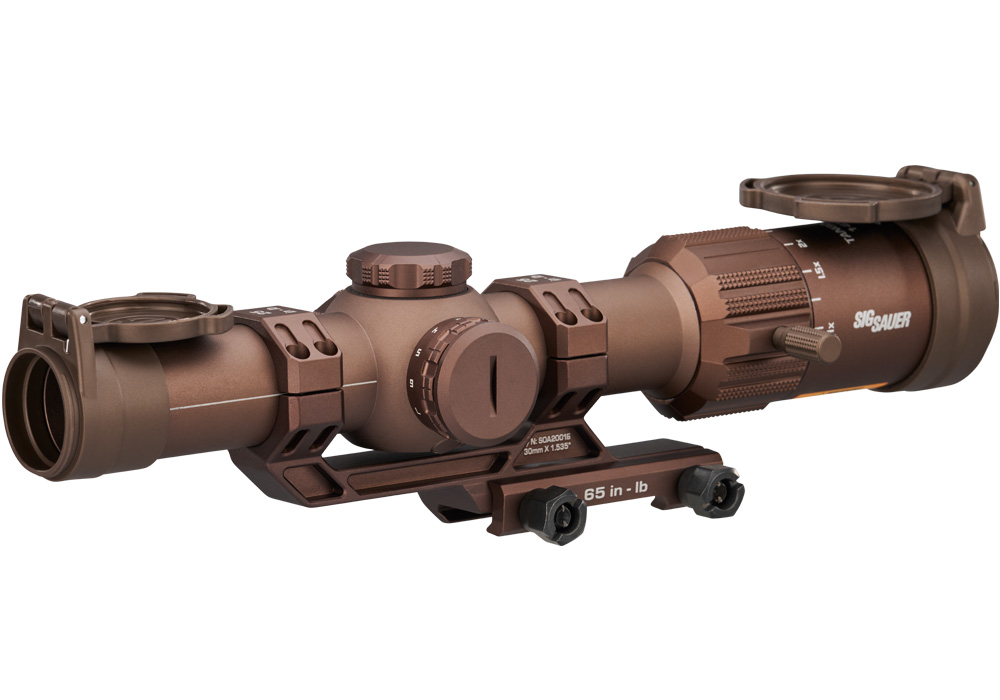
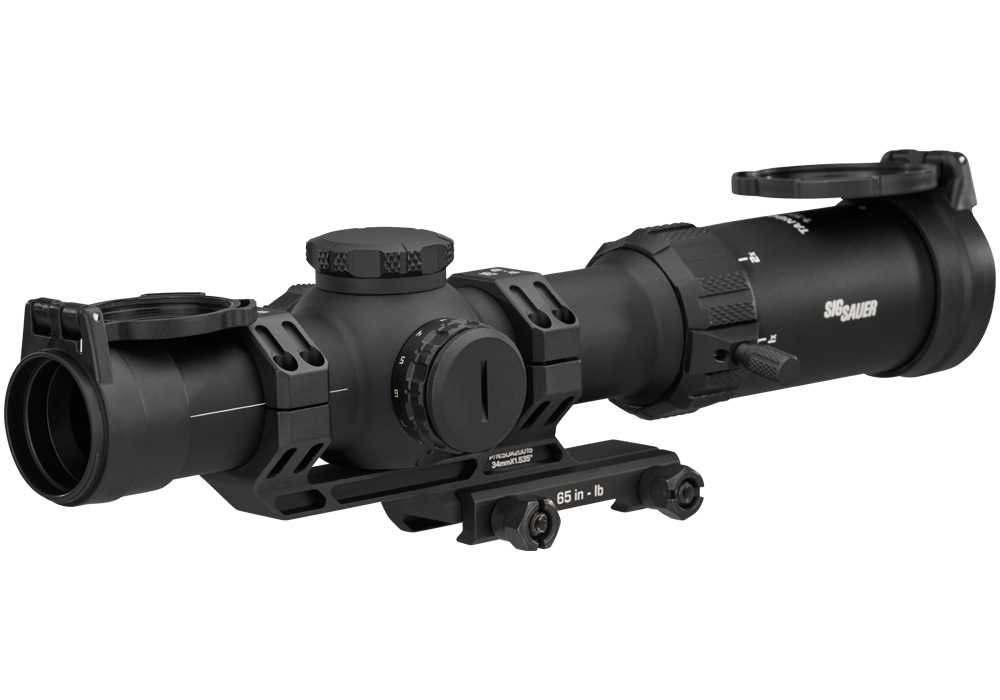
Illuminated riflescopes for summer hunting trips are designed for the changing light that defines many successful hunts. Before sunrise, the woods can appear almost monochromatic, with dark timber, shaded draws, and heavy foliage blending together. Near sunset, the same terrain takes on deep layers of shadow as the last daylight slips behind the ridge. An illuminated reticle adds a visible aiming reference to the sight picture, helping the eye locate the center of the reticle against a dim animal or a dark background without making the entire field of view appear artificially bright. This can be especially useful when hunting whitetail, hogs, predators, or other game from a blind, saddle, stand, or glassing position where legal shooting hours extend into the lower-light portions of the day. During the brighter hours, illumination can also provide a clear aiming point against a cluttered backdrop of leaves and branches, provided the scope offers enough brightness adjustment to match the conditions. The most versatile options give the shooter control over that illumination rather than forcing a single level, allowing a subdued setting for dawn and dusk and a more visible setting when summer sun reflects off open fields or pale grass. A well-matched illuminated riflescope does not replace careful target identification or sound field judgment; it simply makes the reticle easier to see when the background and available light make a standard black reticle less distinct.
Choosing an illuminated riflescope begins with considering the firearm, cartridge, terrain, and typical distance of the hunt. A compact, moderate-magnification optic may suit thick woods and quick shots at shorter ranges, while a scope with a broader magnification range can be useful when the same trip includes open fields, rolling pasture, or long sightlines across a canyon. Objective lens diameter, eye relief, reticle design, and adjustment range all affect how naturally the optic fits a particular setup. A reticle with a simple illuminated center point can draw the eye quickly to the intended aiming area, while a more detailed holdover design may help when the hunter must account for distance, elevation, or wind. First-focal-plane and second-focal-plane configurations each have distinct advantages, so the reticle’s behavior through the magnification range deserves attention before purchase. The optic should also provide adequate eye relief and a forgiving eye box for practical field positions, especially when wearing layered clothing during cooler mornings or when shooting from an improvised rest. Mounting height matters as well: rings or a one-piece mount should be compatible with the rifle and scope, maintain a comfortable cheek weld, and leave enough clearance for the objective bell. A dependable battery system is another important consideration. Motion-activated illumination, an automatic shutoff, or a readily accessible control can help conserve power when the rifle rests in a case or safe between outings. Keeping a spare battery in a sealed pocket of the pack is a small habit that can prevent an avoidable inconvenience when a hunt stretches from the first gray light into the evening.
Field durability becomes even more important when warm-weather plans carry into the cooler months. Summer travel can mean sudden rain, humid mornings, dusty roads, and long hours in a vehicle, while early fall and winter conditions may add cold, frost, sleet, or wet snow. Look for a riflescope built to withstand practical use, with sealed construction and a fog-resistant interior so temperature changes do not cloud the sight picture when moving from an air-conditioned truck into humid cover or from a warm cabin into cold air. Waterproof performance helps protect the optic during a downpour, but lens covers and a soft cloth are still valuable for keeping water, pollen, dust, and fingerprints away from the glass. Brightness settings should be evaluated in both extremes: the highest setting should remain visible in strong daylight without washing out the target, and the lowest setting should be gentle enough for dim conditions without producing glare or a distracting halo. Hunters who spend long days behind glass may also appreciate tactile controls that can be adjusted without taking their attention fully away from the field. An illuminated riflescope can make a thoughtful gift for a new hunter preparing for a first season, an experienced relative upgrading an older optic, or a partner who values practical equipment for backcountry trips. It is best selected with the recipient’s rifle, mounting system, preferred game, and usual hunting distances in mind. For shoppers comparing features and configurations, the Modern Hunting Illuminated Riflescopes collection provides a focused place to review options intended for modern hunting setups. As the weather warms, through the transition into early fall, and during the colder months that follow, a properly selected illuminated riflescope can offer a clear, adaptable aiming reference for the varied light and demanding conditions encountered in the field.