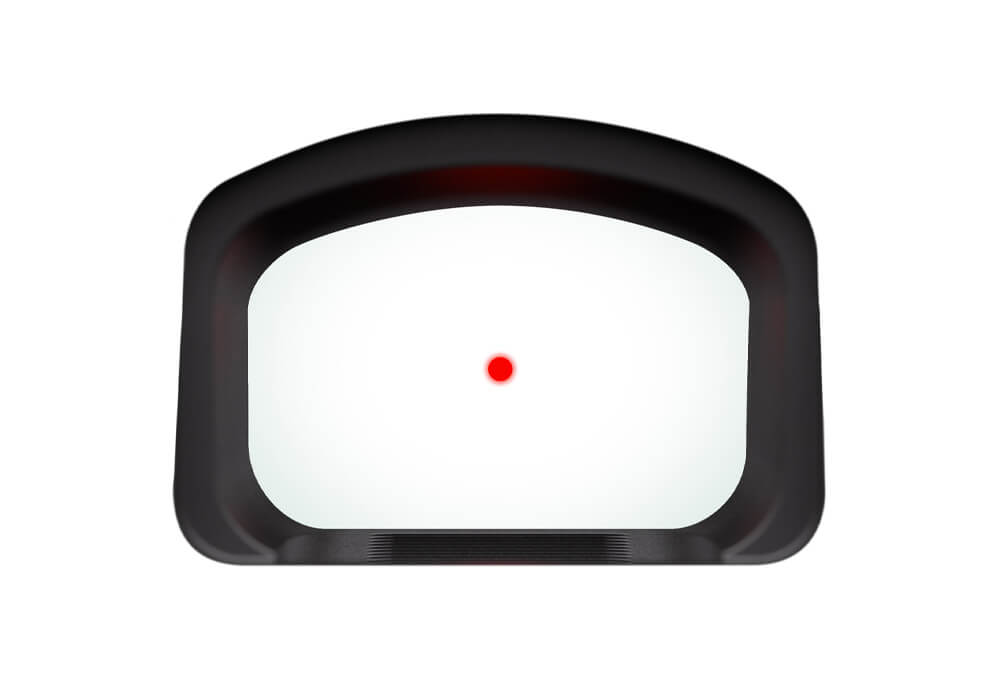
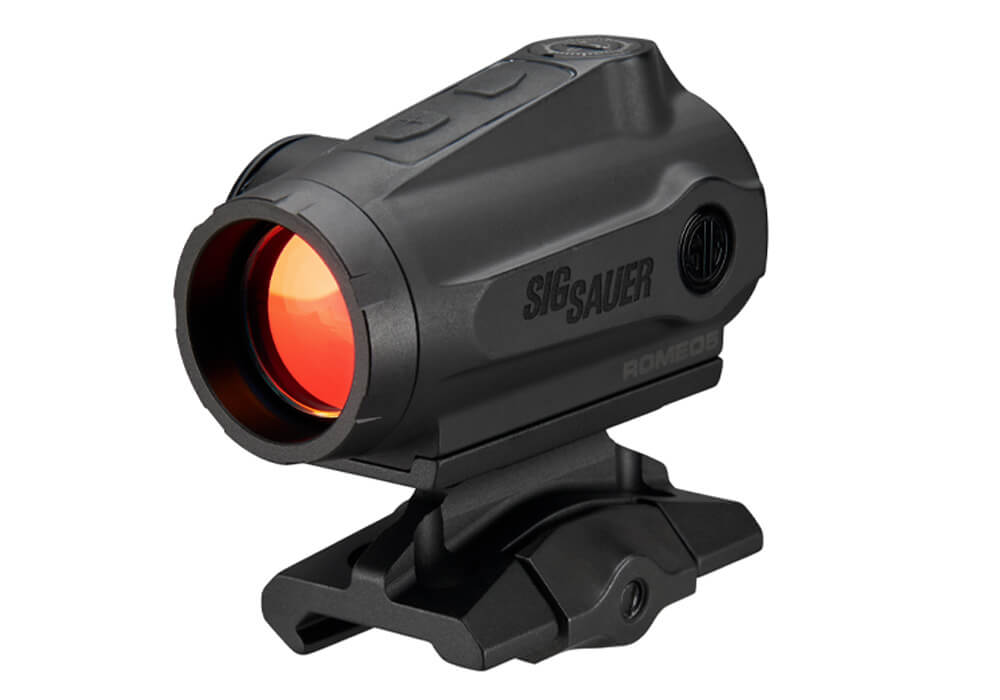
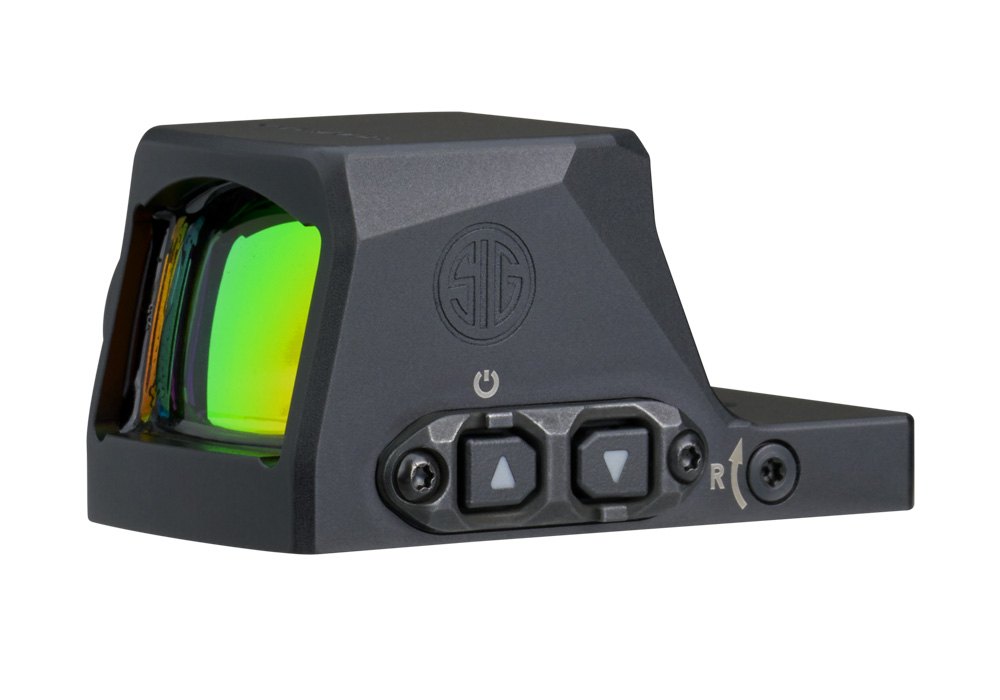
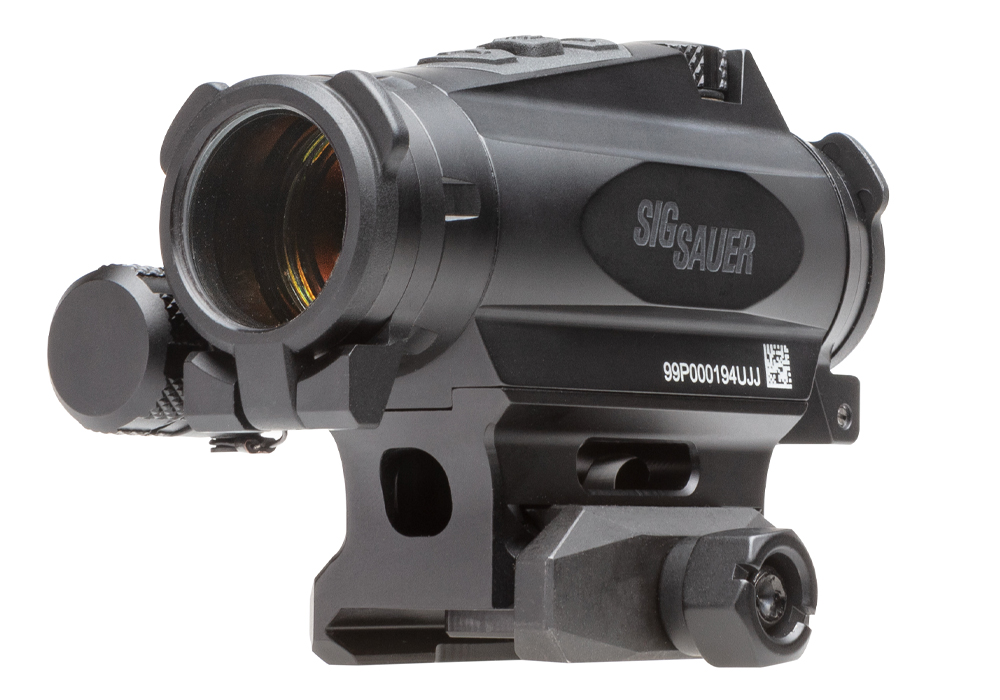
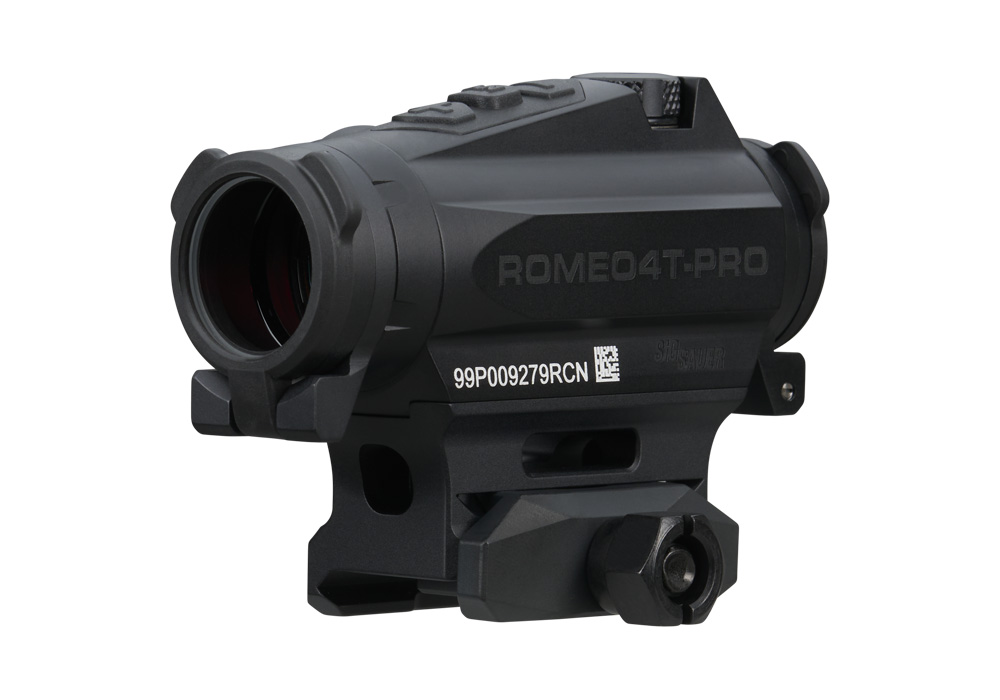
Outdoor shooting red dot optics are nonmagnifying sights that present an illuminated aiming point within a viewing window, helping shooters acquire targets without aligning a front sight and rear sight. The reticle is typically produced by an LED and reflected through the optic’s lens; it does not project a visible dot onto the target. This straightforward sight picture suits recreational range shooting, organized shooting sports, and hunting applications where the firearm, distance, and target call for an unmagnified view. Many shooters use red dot sights with both eyes open, maintaining a broader view of the range while bringing the aiming point into focus against a paper target or steel plate. Performance still depends on a secure mount, a confirmed zero, sound shooting fundamentals, and a reticle that remains easy to distinguish from its background. Dot size is an important consideration because it affects how much of the target the aiming point covers. Reticle size is commonly expressed in minutes of angle, or MOA; one MOA spans approximately one inch at 100 yards. A smaller dot can support a more precise aiming reference on a distant bullseye, while a larger dot may be easier to pick up during closer-range shooting. Some optics offer a circle-and-dot reticle or other selectable patterns, giving shooters different visual references without adding magnification. Brightness adjustment matters just as much as reticle shape. An aiming point that looks clear beneath a covered firing line may be difficult to see against a brightly lit target, while excessive illumination can make the dot appear larger or less sharply defined. Useful outdoor red dot optics provide a practical adjustment range rather than relying on maximum brightness alone. Generous eye relief and forgiving viewing positions are additional benefits, although the shooter still needs to keep the reticle visible within the window. For longer-distance target identification, an unmagnified red dot has limits; compatible magnifiers or a magnified optic may better suit the intended use.
Fit involves more than whether an optic appears proportionate to a firearm. Handgun red dot sights, rifle red dot sights, and shotgun red dot sights can use different mounting arrangements, and compatibility depends on the exact interface. A handgun slide cut must match the optic’s mounting footprint or an appropriate adapter plate, including the locating features and specified fasteners. On a rifle or shotgun, rail compatibility, mount height, available mounting space, and clearance around other components all affect the finished setup. The right height supports a comfortable cheek position and a clear view through the optic; it can also determine whether existing iron sights remain visible through the window. Keeping the sight picture natural matters during a long range session, when an awkward head position becomes more noticeable with every repetition. Housing materials and construction also deserve attention. Aluminum housings are common because they balance strength and weight, while protective finishes help resist surface wear from routine handling. Lens coatings can reduce unwanted reflections and improve light transmission, but coating quality, window dimensions, and lens geometry vary among designs. A larger viewing window may feel less restrictive, especially on a handgun, while a compact housing can reduce bulk on a lightweight sporting firearm. Open-emitter optics generally leave the path between the light source and viewing lens exposed. Enclosed-emitter optics surround that path with a housing and additional lens, helping keep dust and debris away from the emitter. Neither construction removes the need for cleaning, and exterior lenses can still collect residue or fingerprints. Durability should be evaluated through the manufacturer’s stated testing and compatibility rather than appearance alone. Slide-mounted handgun optics experience a different operating cycle from sights mounted on a rifle receiver, so recoil suitability is particularly important. Secure mounting, appropriate screw engagement, and the specified installation torque help protect both the sight and its mounting interface. A well-matched optic feels like part of the firearm rather than an accessory that demands constant adjustment.
Power management and routine care help determine how convenient a red dot sight will be over repeated outdoor range visits. Battery-life figures are usually tied to particular brightness settings and operating conditions, so a long advertised runtime is not necessarily the runtime at maximum illumination. Motion-activated illumination and automatic shutoff can reduce unnecessary battery use, while manually controlled sights offer a familiar, direct way to manage the reticle. Automatic brightness adjustment can be useful, but its response should suit the contrast between the shooter’s position and the target area. Supplemental solar power, where provided, should be understood according to the optic’s specifications rather than assumed to replace the battery in every situation. Battery access is another practical detail: a compartment that can be opened without removing the optic makes routine replacement simpler, while designs that require removal may also require a zero check after reinstallation. Clear lenses are equally important. Loose grit should be removed before wiping, and an appropriate optical cloth or lens-cleaning tool helps protect coated surfaces. Manufacturer-approved cleaning products, careful handling, and protective covers can preserve the viewing window between range trips. Reticle appearance is personal as well as technical. Some shooters see a crisp point, while others notice a flare or irregular shape; brightness, corrective eyewear, and individual vision can all influence that impression. Comparing the sight picture at a comfortable brightness level is more useful than judging every optic at its brightest setting. For a frequent range visitor, an easily accessible battery compartment and straightforward controls may matter more than a long list of reticle options. A competitive shooter may place greater emphasis on window size and visibility, while a hunter may prioritize a compact profile, secure fit, and clear aiming reference within appropriate distances. Red dot optics can also be a thoughtful gift for an experienced shooting enthusiast when the firearm’s mounting requirements and the recipient’s preferences are already known. For a broader view of sighting options suited to range and field use, Outdoor Shooting Optics provides a related category to explore. The strongest match balances visibility, fit, durability, and maintenance with the way the firearm will actually be used.