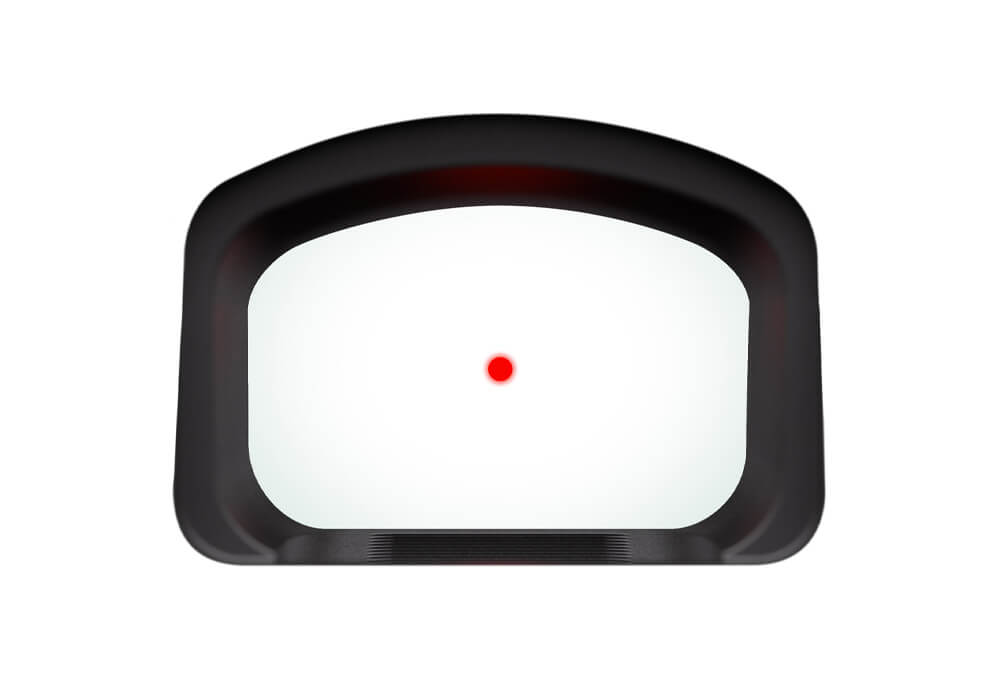
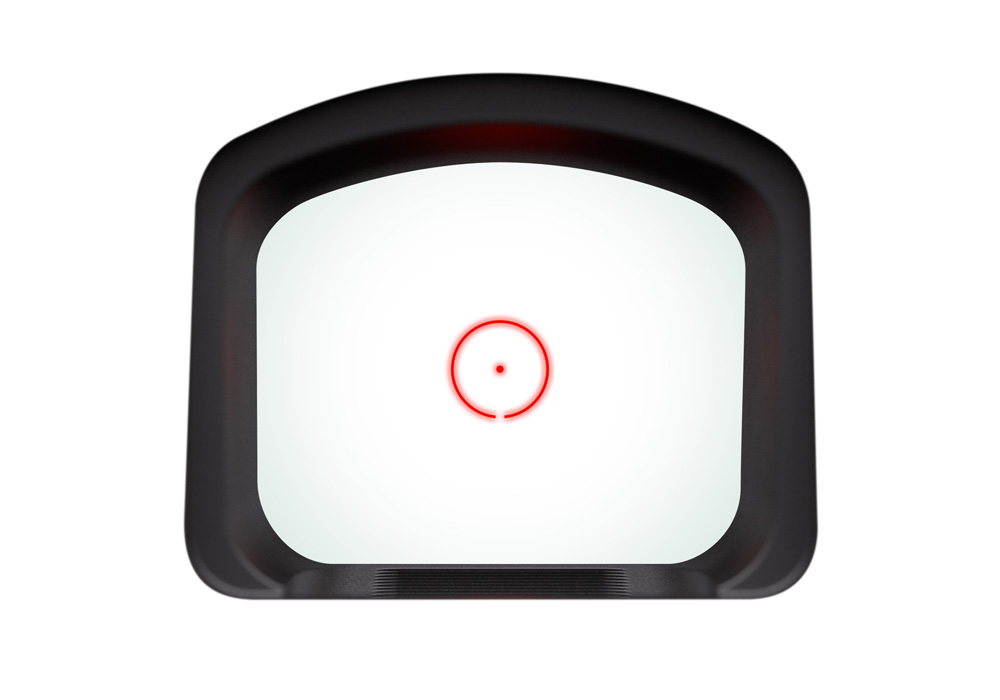
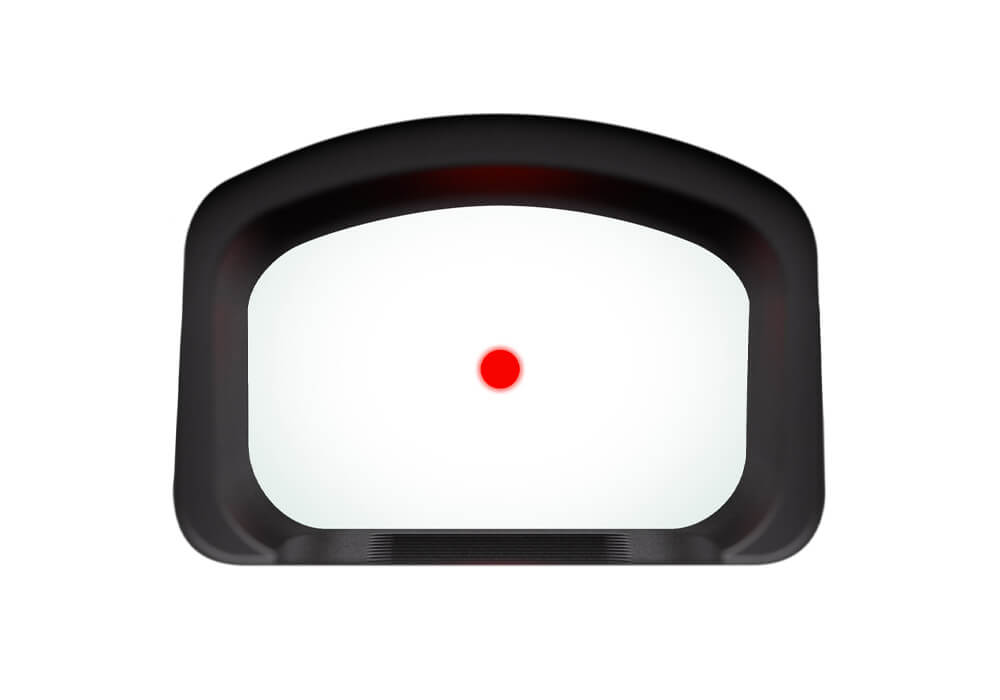
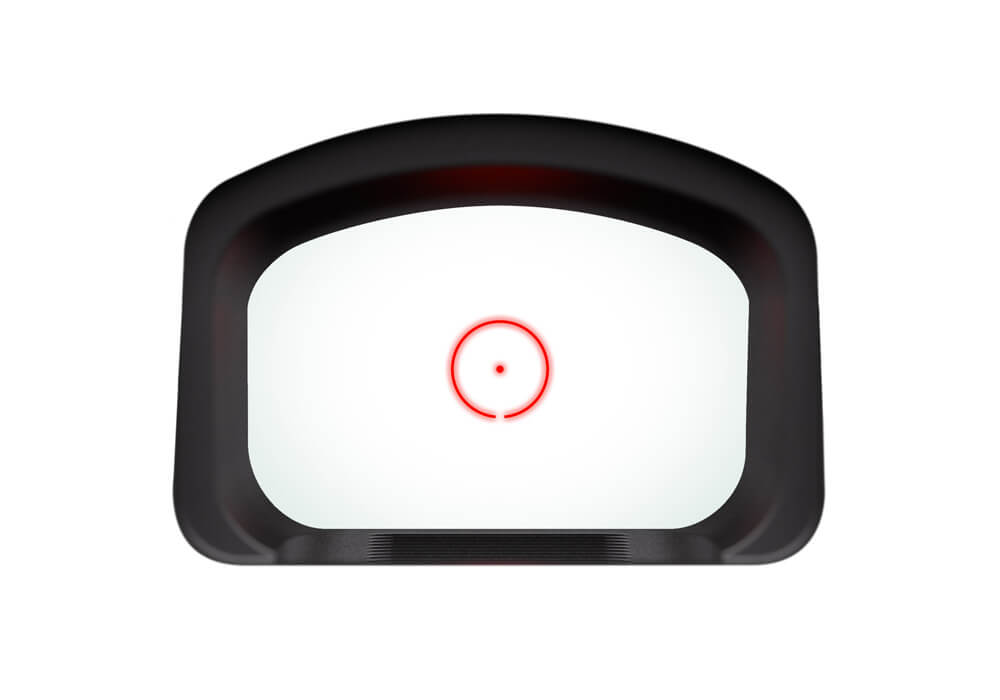
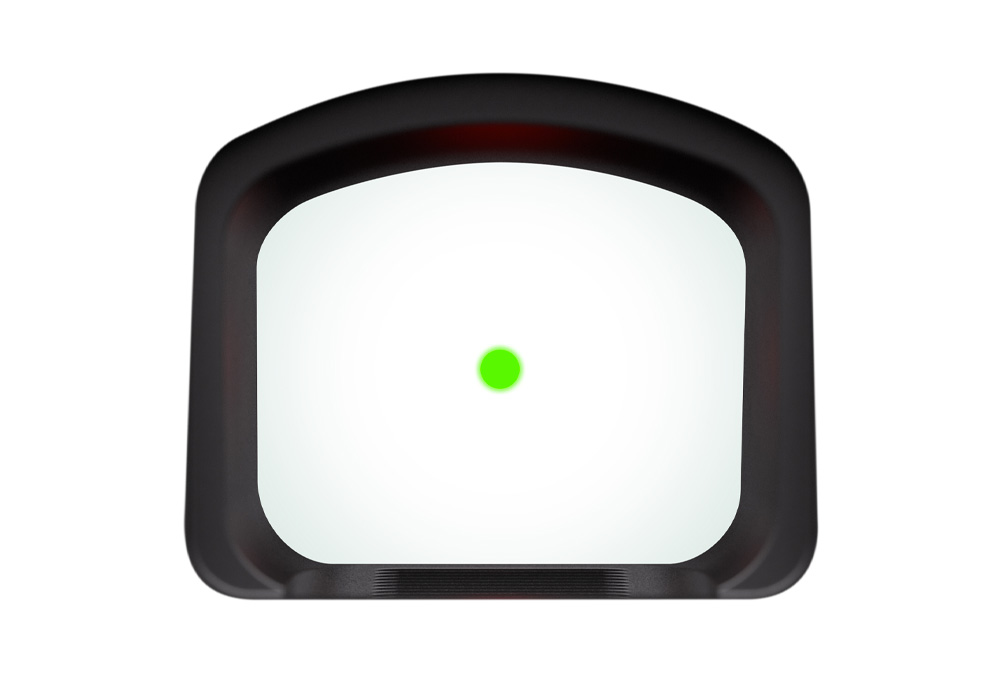
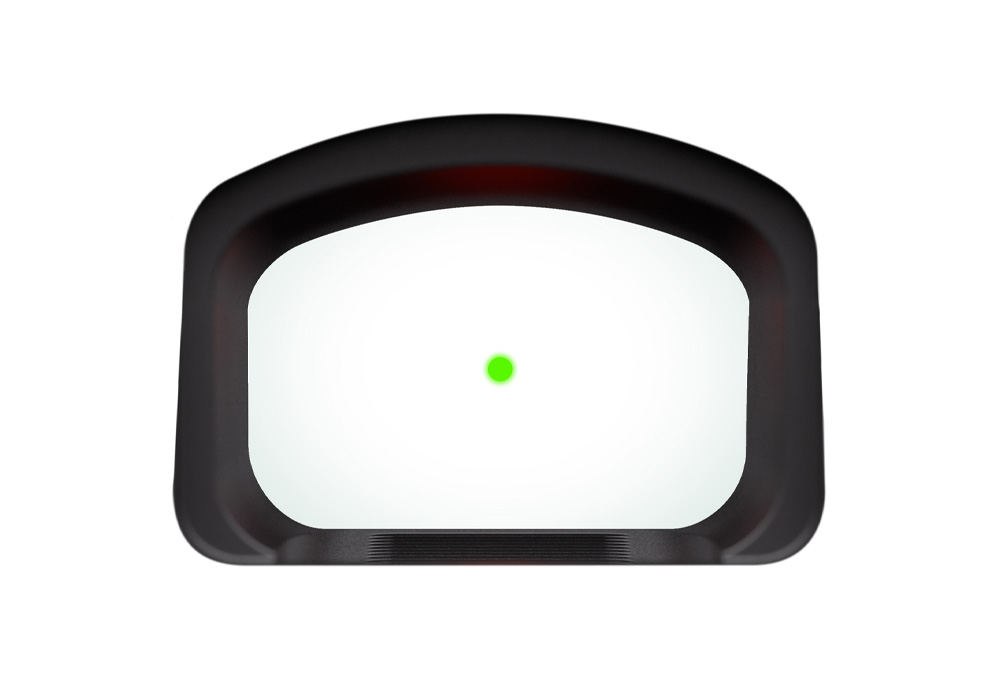
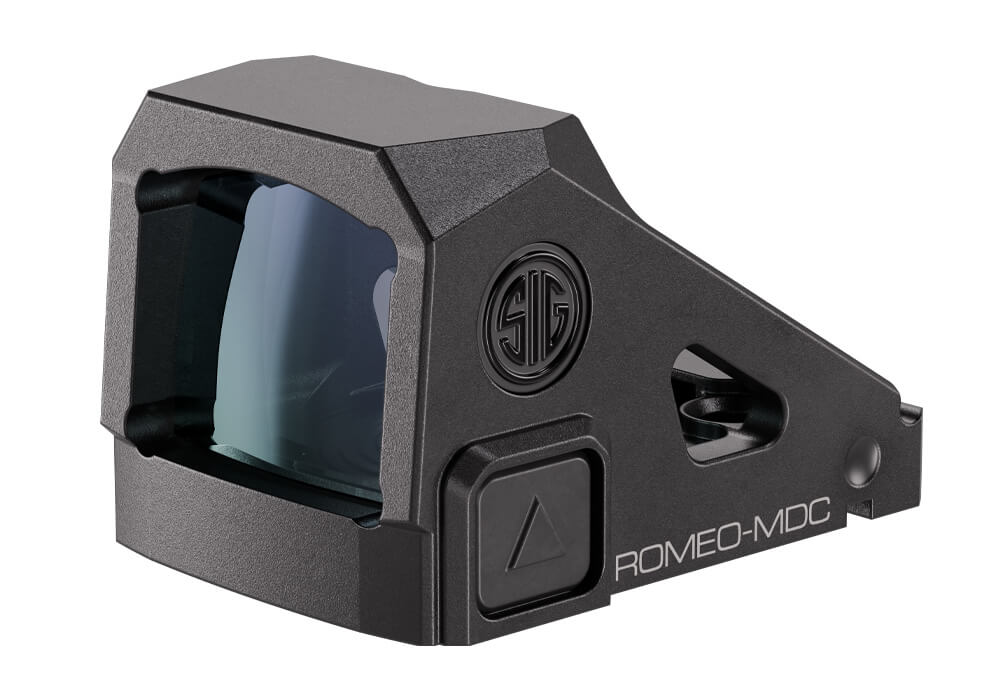
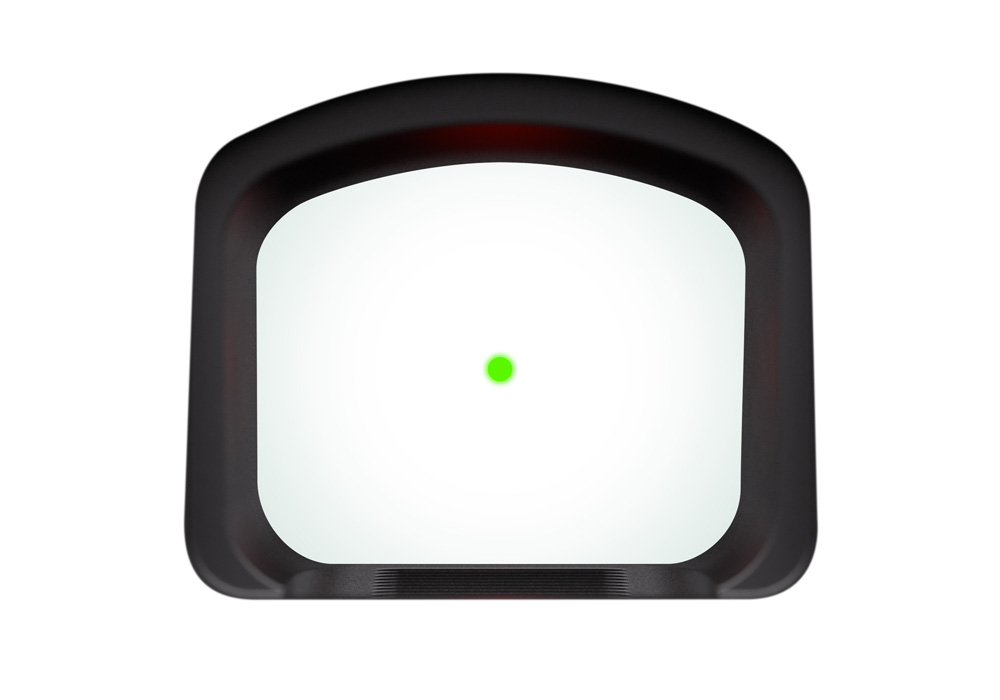
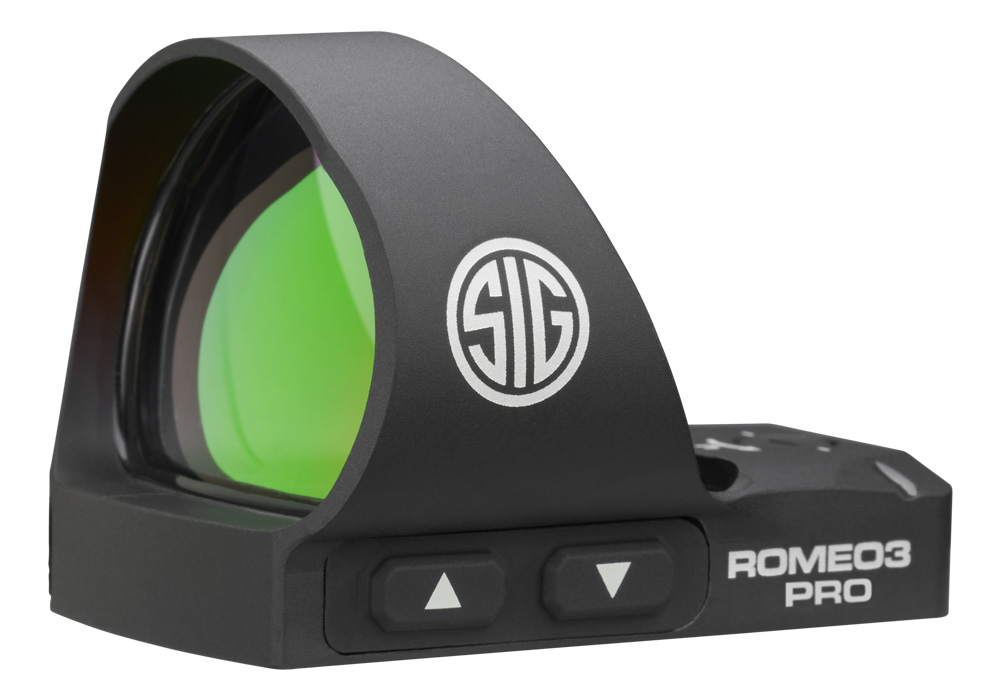
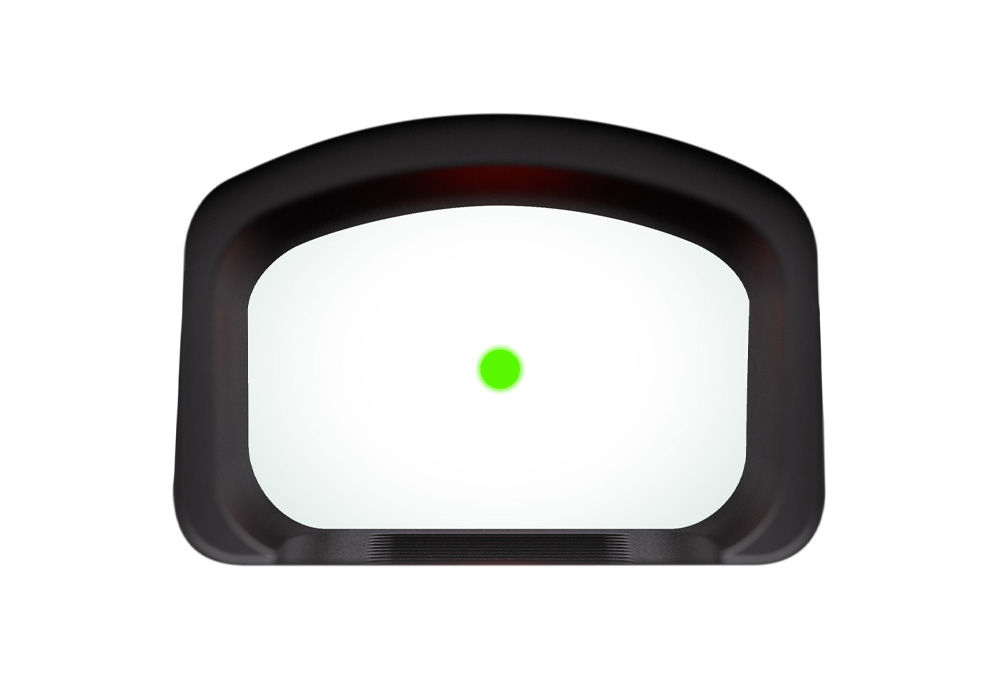
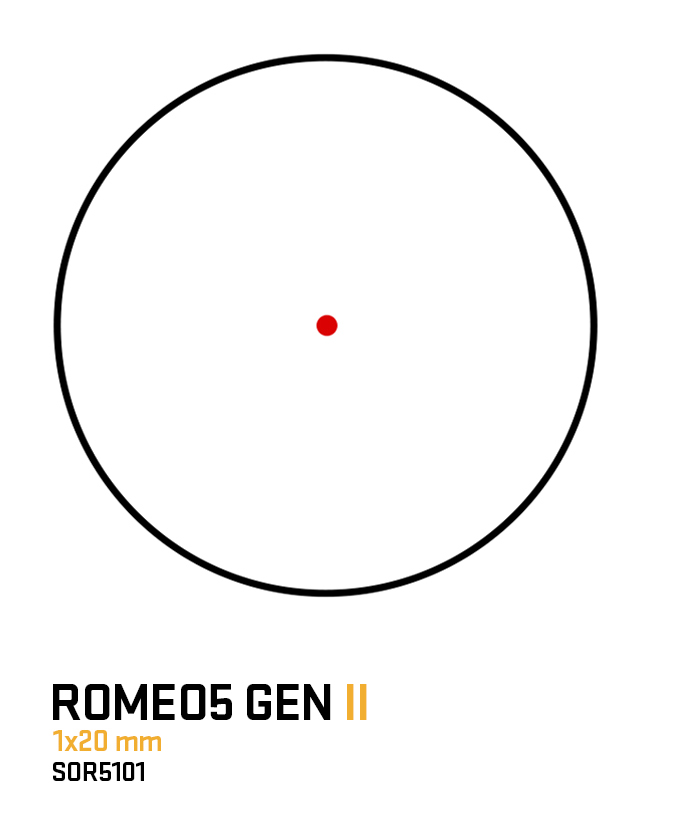
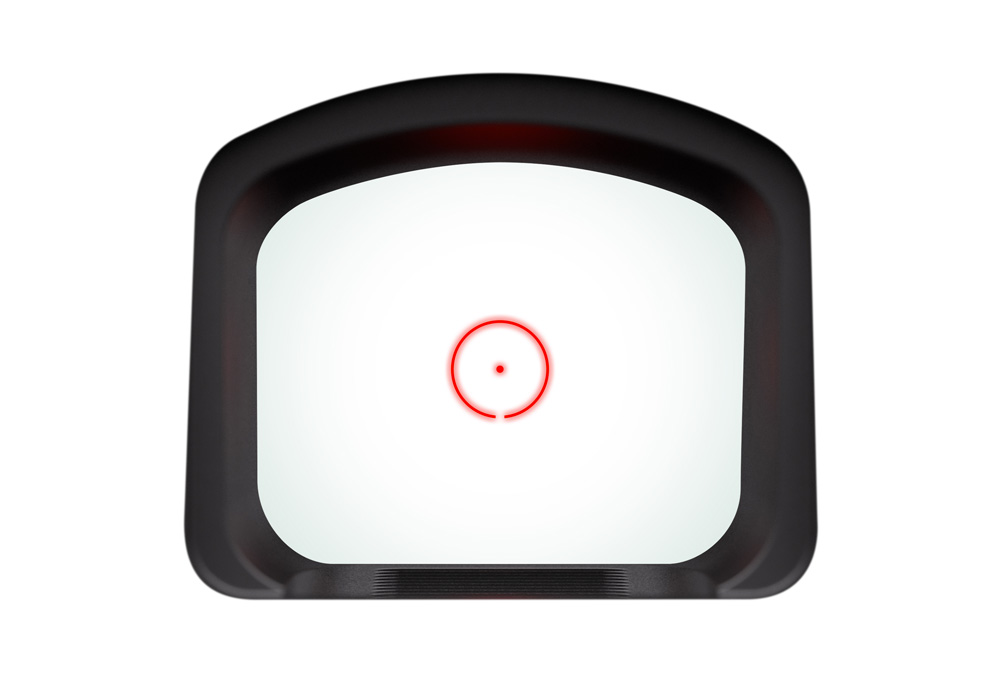
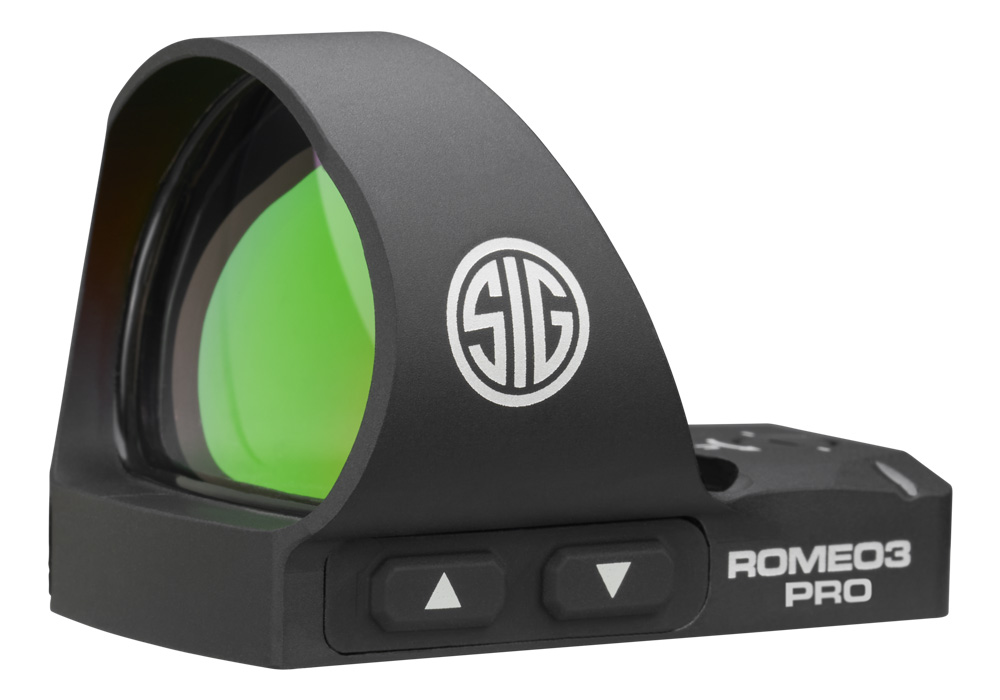
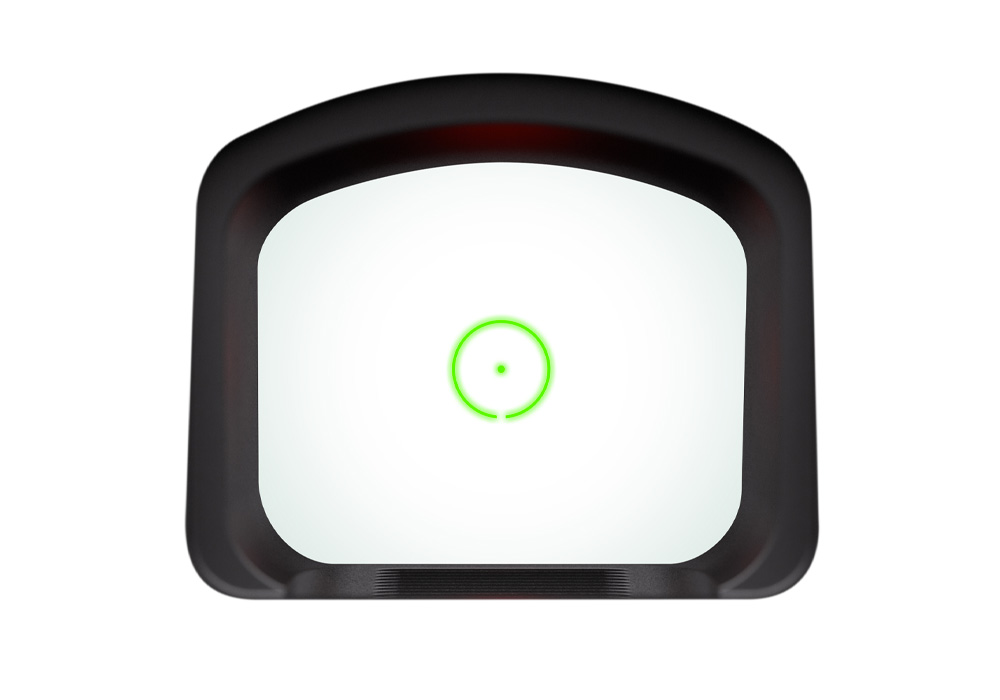
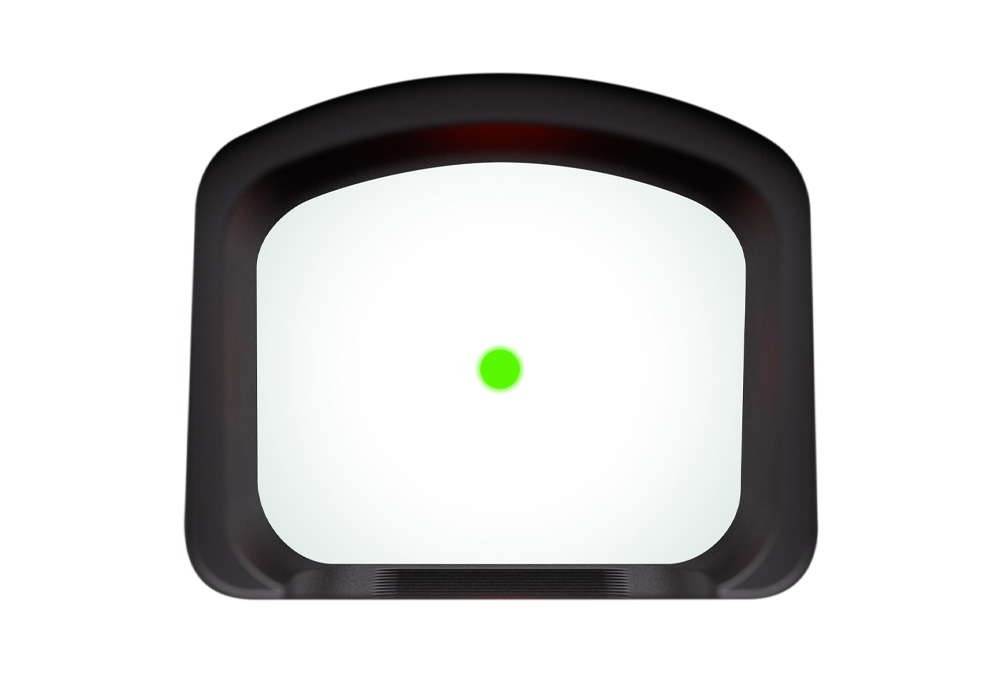
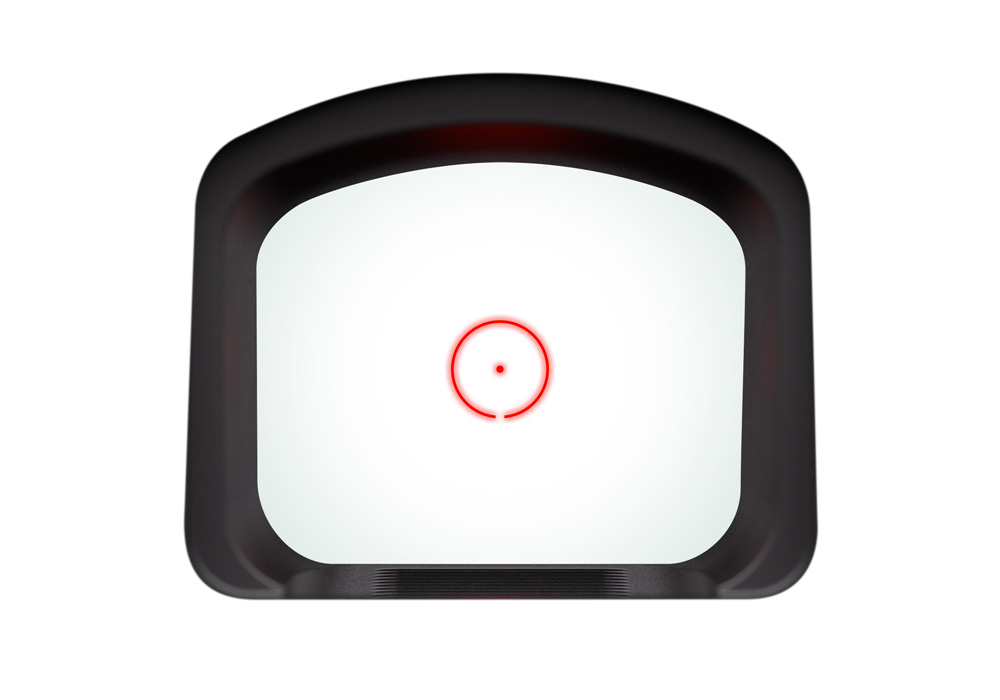
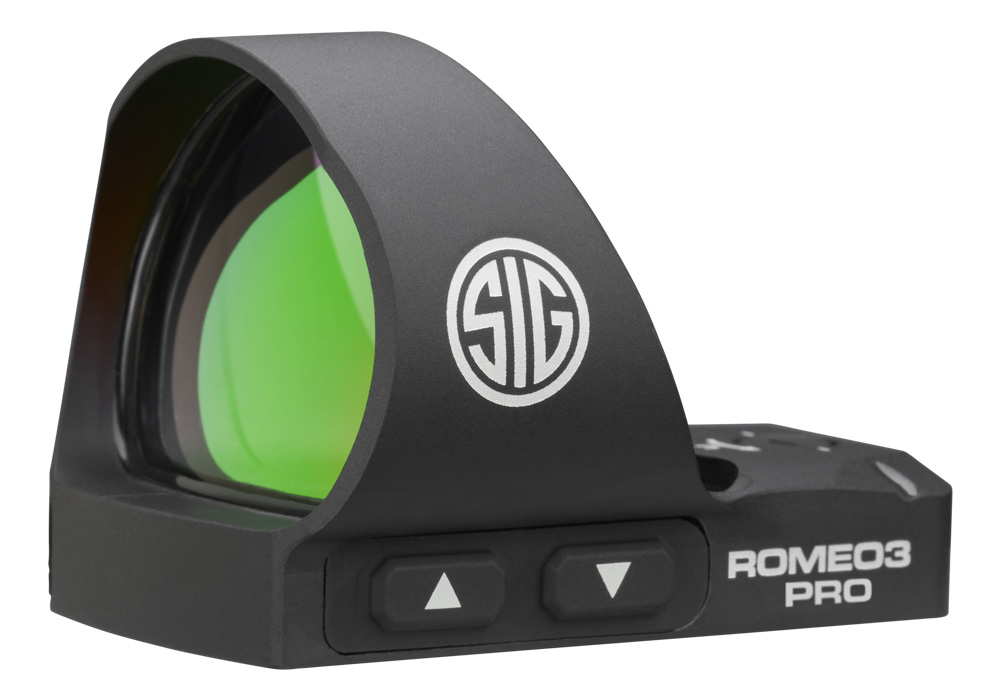
Outdoor shooting reflex sights offer a compact, nonmagnifying aiming system for recreational target shooting, organized competition, and compatible hunting applications. A reflex sight uses an illuminated reticle reflected from a lens, allowing the shooter to view an aiming reference and the target through the same window. Unlike a traditional magnified scope, it generally does not require a fixed distance between the eye and the optic, a characteristic often described as unlimited eye relief. This flexibility can support a comfortable viewing position across different firearm platforms, while both-eyes-open aiming helps preserve awareness of the surrounding range. The experience is especially useful on an outdoor target line, where a clearly visible dot can be easier to distinguish than conventional sights against a busy earthen backstop. Reticle appearance matters as much as the size of the viewing window. A smaller dot covers less of a distant target, while a larger dot can be easier to pick up visually; circle-and-dot patterns provide another option for shooters who prefer a more prominent reference. Dot size is commonly expressed in minutes of angle, or MOA, and describes how much of the target the reticle subtends rather than guaranteeing a particular level of accuracy. Adjustable brightness helps keep the reticle visible against different backgrounds and lighting levels without allowing excess illumination to obscure a fine aiming point. A crisp appearance also depends on the viewer’s eyesight, since astigmatism and other vision differences can cause an illuminated dot to look streaked or irregular. For that reason, the most useful sight picture is personal rather than universal. Lens tint, window dimensions, housing thickness, and control placement all influence how an optic feels during a range session. Reflex sights favor an uncluttered, unmagnified view, but they do not provide the distant detail of a magnified optic. The broader selection of Outdoor Shooting Optics provides context for shoppers comparing these different viewing experiences and intended uses.
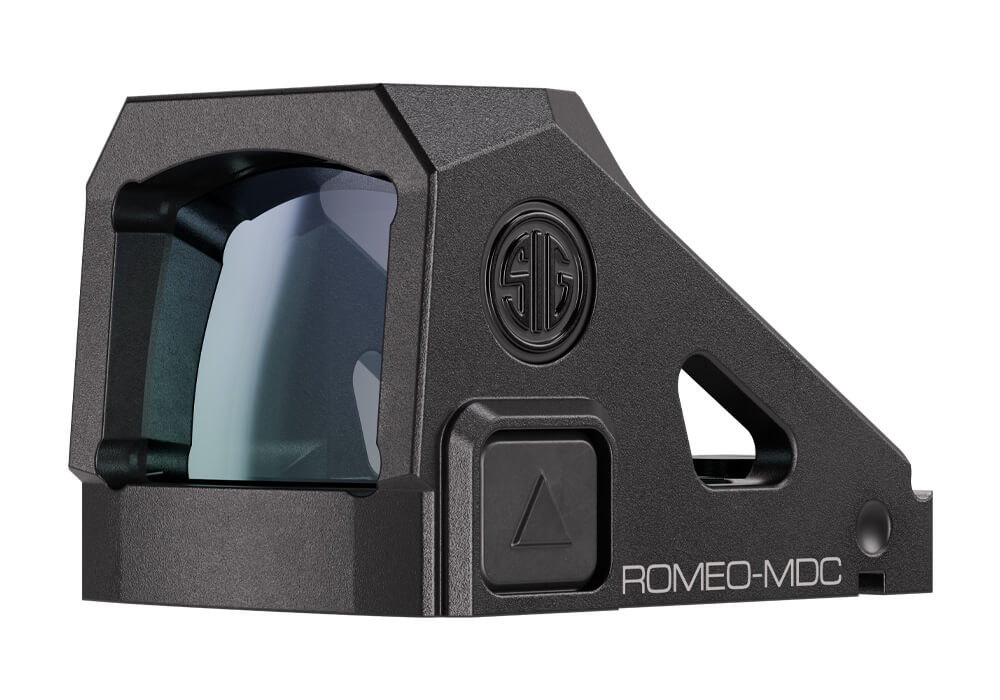
Construction and compatibility separate otherwise similar-looking reflex sights. Open-emitter designs leave the light source exposed behind the viewing lens, often creating a slim profile with relatively little housing around the sight picture. Enclosed-emitter designs protect the light path inside a housing, reducing the opportunity for dust, lint, or other debris to interrupt the projected reticle. An enclosed design may have a compact rectangular body or a tube-shaped profile; the defining distinction is protection of the emitter, not simply the outer shape. Neither arrangement is automatically the better choice for every application. An open design may appeal to someone who values a minimal profile, while an enclosed model may suit a shooter whose equipment encounters more debris during transport and use. Aluminum housings are common because they balance structural strength with manageable weight, although alloy specifications, housing geometry, surface treatments, and overall engineering all contribute to durability. A protective finish can help resist everyday abrasion, but finish alone does not establish recoil resistance or service life. Lens coatings can influence light transmission, glare, and cleaning requirements, making the manufacturer’s stated specifications more useful than broad durability claims. Mounting compatibility deserves equally close attention. Pistol mounting footprints, rail interfaces, adapter requirements, and platform clearances are not interchangeable, even when two sights appear nearly identical. A compatible attachment system, appropriate mounting height, and suitability for the host firearm’s recoil characteristics are essential purchasing considerations. The optic’s weight and external dimensions also affect balance, case fit, and access to nearby controls. On a compact platform, a small change in housing size may be noticeable; on a larger sporting firearm, viewing comfort and control access may matter more than the lightest possible specification. Compatibility with existing sights or accessories should be confirmed rather than assumed. Product documentation and a qualified professional can help resolve fit questions without relying on appearance or a generic description. The result is a more coherent equipment choice, with the sight, mounting interface, and intended platform considered together.
Day-to-day ownership brings a different set of details into focus: power management, accessible controls, straightforward care, and a reticle that remains comfortable to view throughout a practice session. Battery-life figures are useful comparisons only when their test conditions are understood. Runtime can vary with brightness level, operating mode, battery type, and electronic features, so a stated maximum should not be treated as a promise under every pattern of use. Motion activation and automatic shutoff, where offered, can reduce unnecessary battery use between sessions, while manual brightness controls give the shooter direct control over reticle intensity. Automatic brightness adjustment offers convenience, but its response may not always match an individual preference or the contrast of a particular target background. Battery compartment placement is another practical distinction: some designs permit replacement without removing the optic, while others require removal and a subsequent check of the sight’s alignment. Clearly marked buttons and accessible compartments can make routine ownership less cumbersome, particularly for someone who practices regularly. Care is generally simple but should follow the optic manufacturer’s instructions. Loose grit should be cleared with an approved method before the lens is wiped, and only suitable lens-cleaning materials should touch coated glass. Household cleaners, rough fabrics, and unnecessary contact with an exposed emitter can create problems that ordinary careful handling helps prevent. Protective covers and a well-fitting transport case help limit contact with other equipment, while periodic checks for loose components or visible damage support dependable use. Resistance ratings for dust or moisture describe specific tested limits, not permission to neglect cleaning or storage. These considerations matter to new recreational shooters choosing a first optic, experienced competitors refining their equipment preferences, and hunters evaluating an unmagnified sight for an appropriate sporting application. A reflex sight can also be a thoughtful gift for a dedicated range visitor when the recipient’s firearm compatibility and viewing preferences are already known. Across these uses, the strongest match is not necessarily the sight with the most features. It is the one whose reticle, construction, interface, and maintenance requirements fit the shooter’s actual routine, supported by clear specifications and realistic expectations.