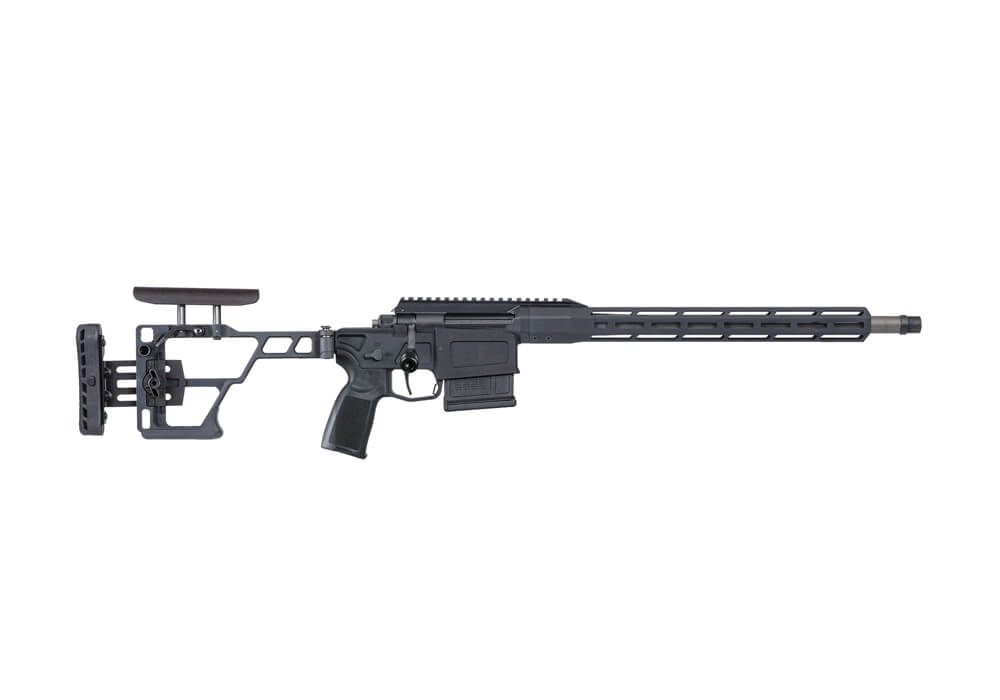
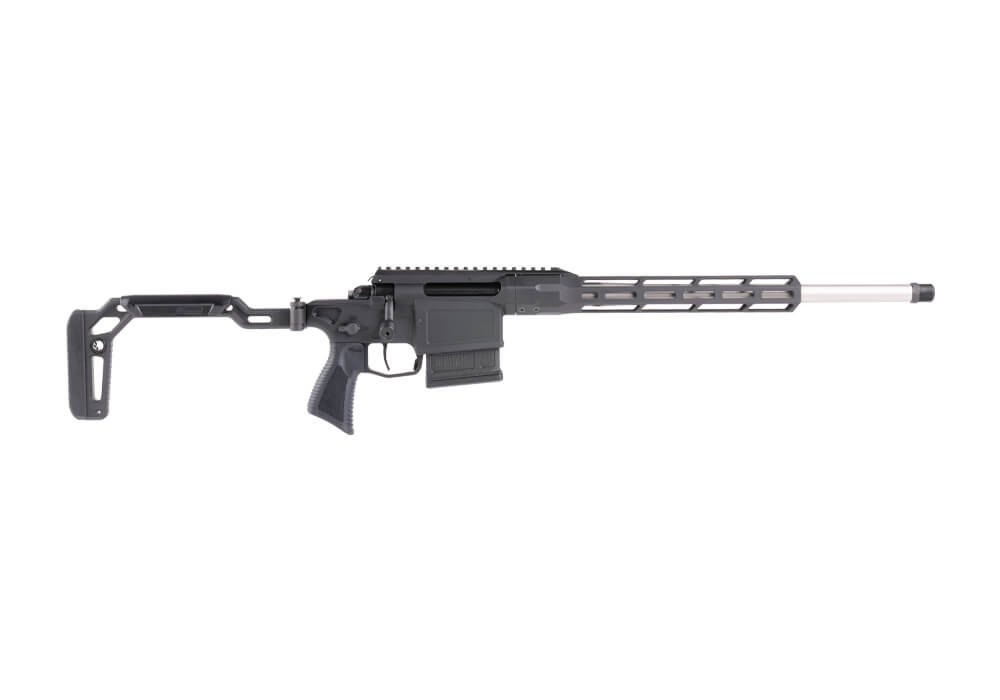
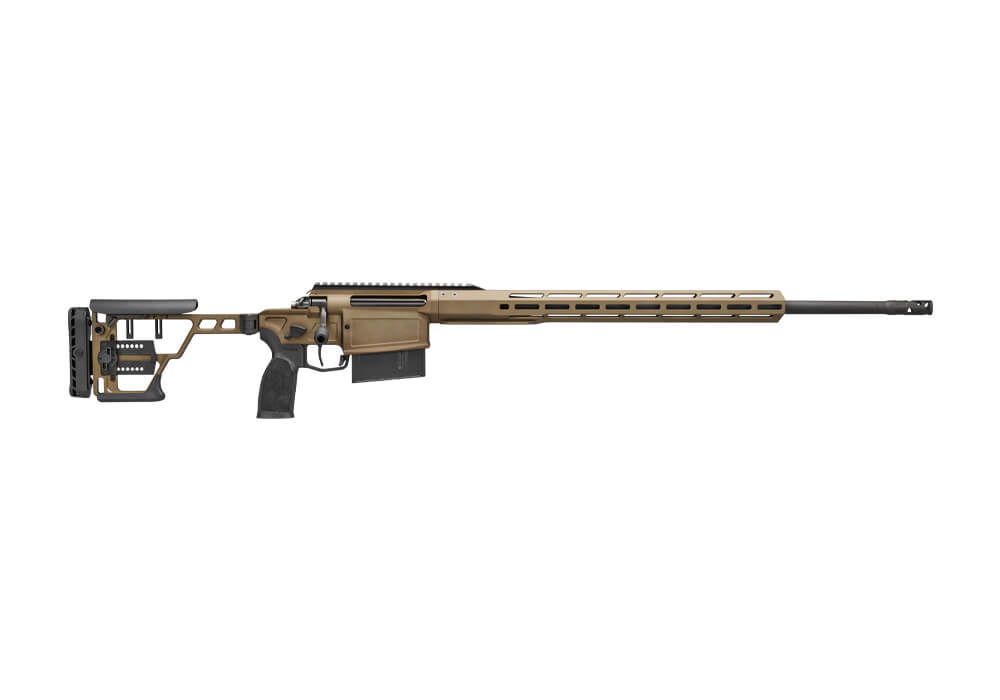
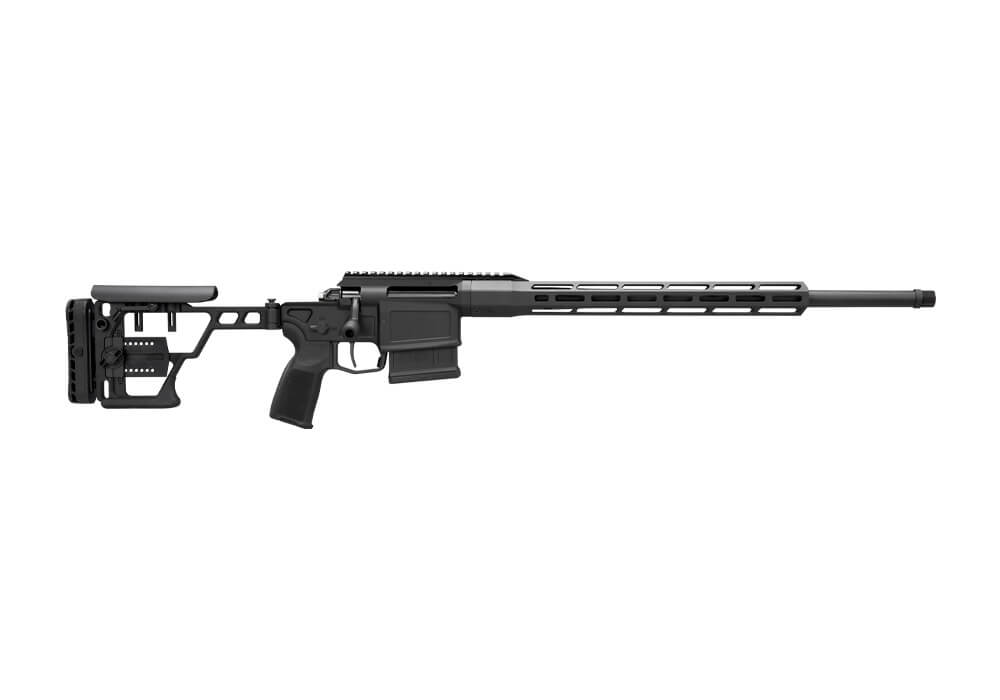
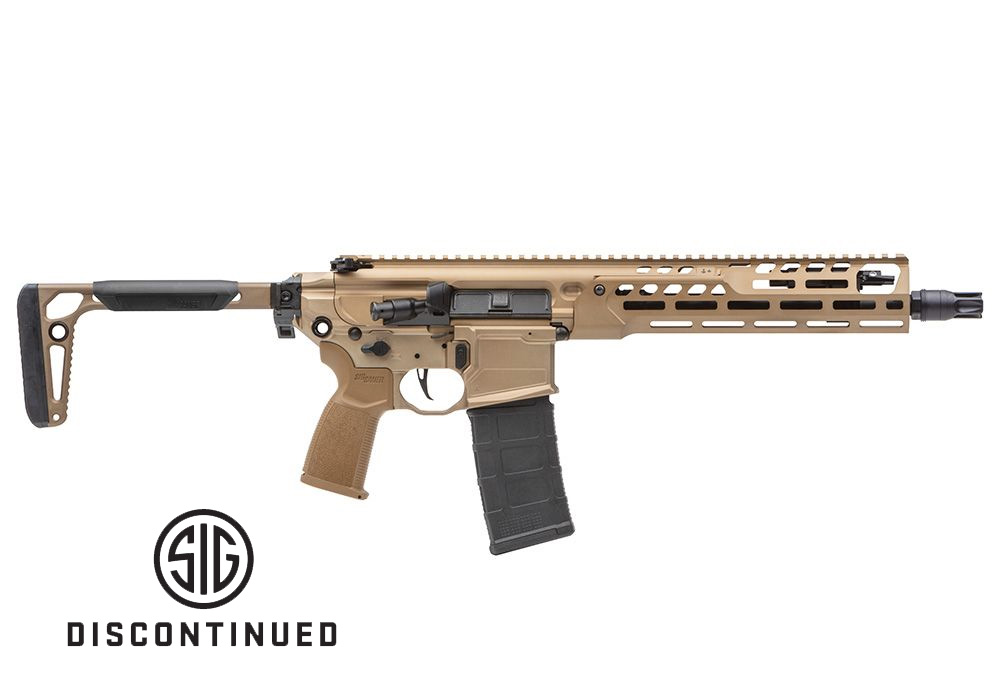
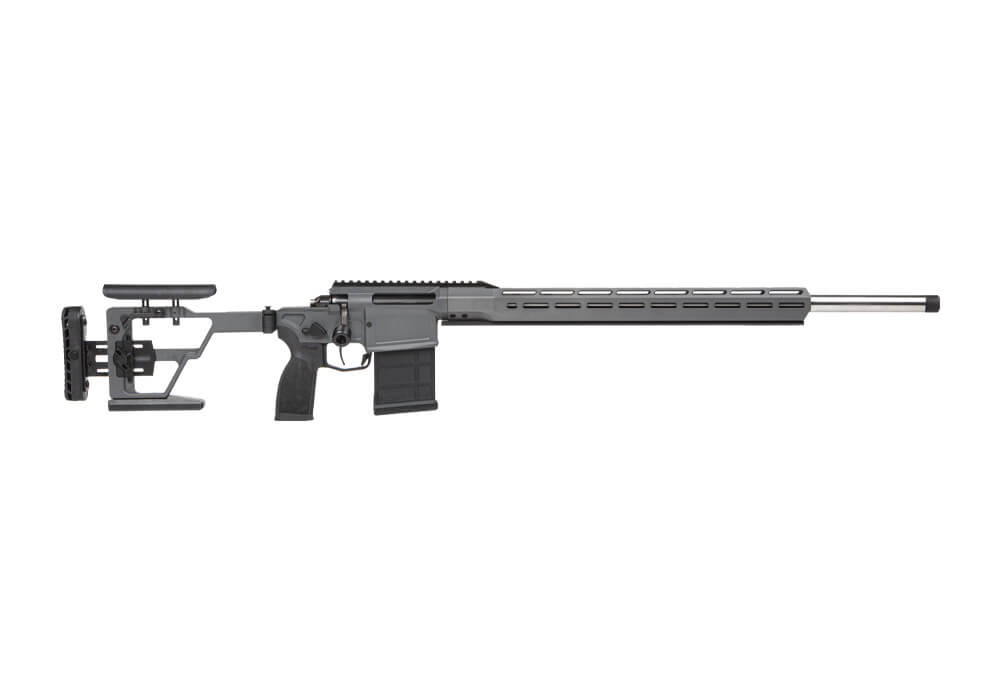
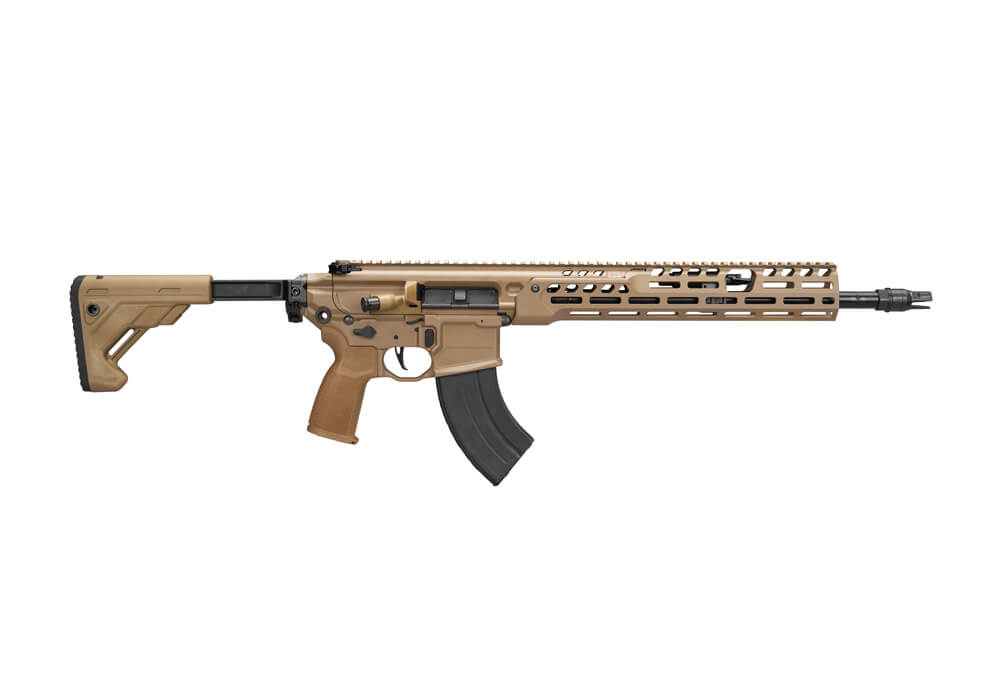
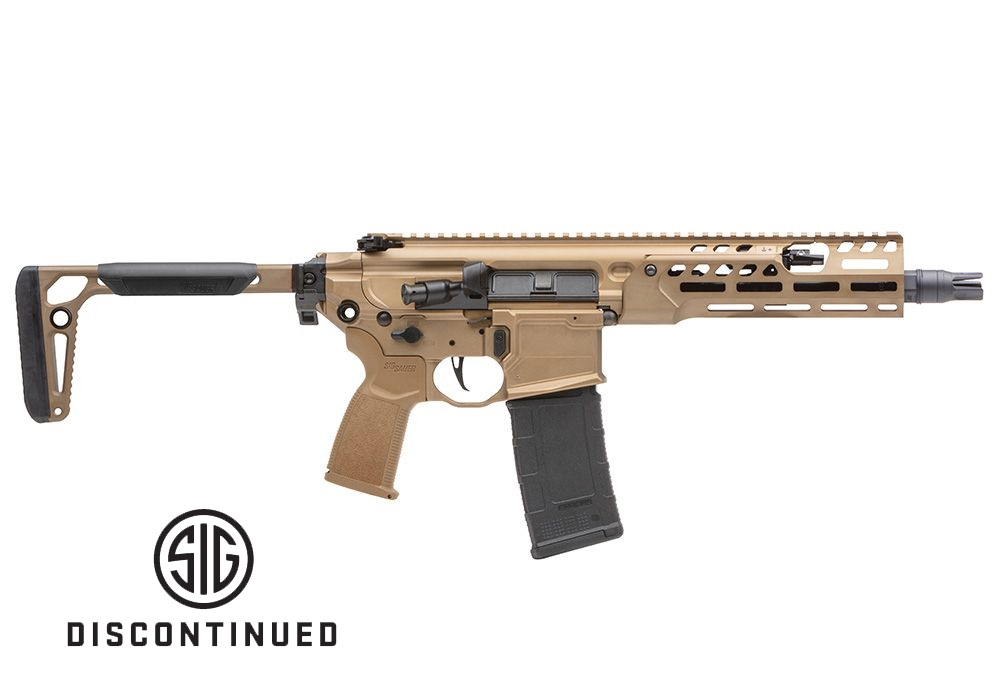
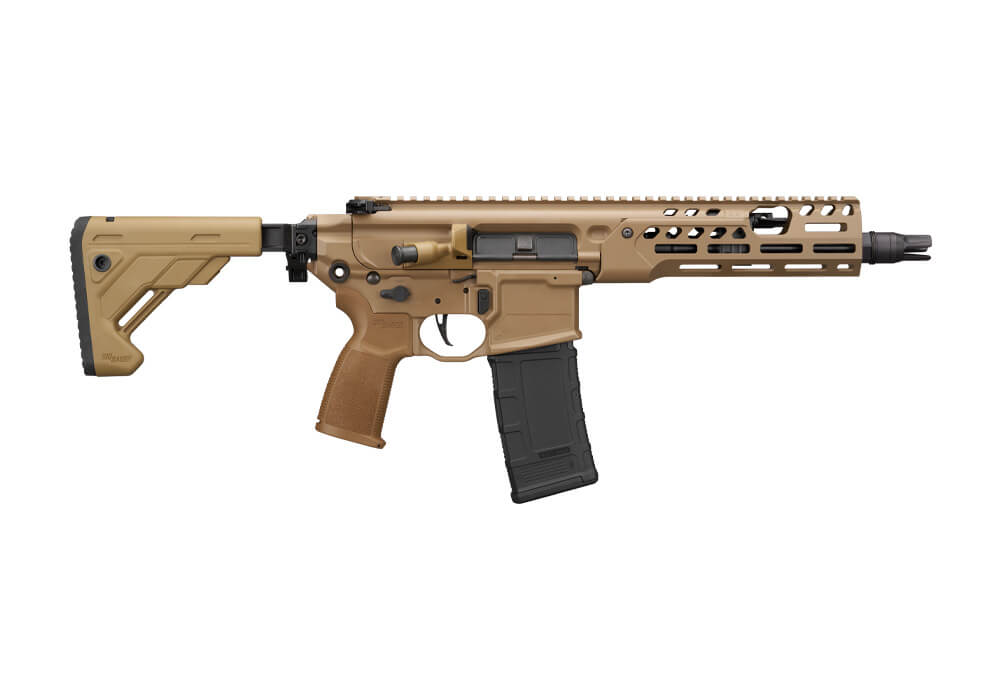
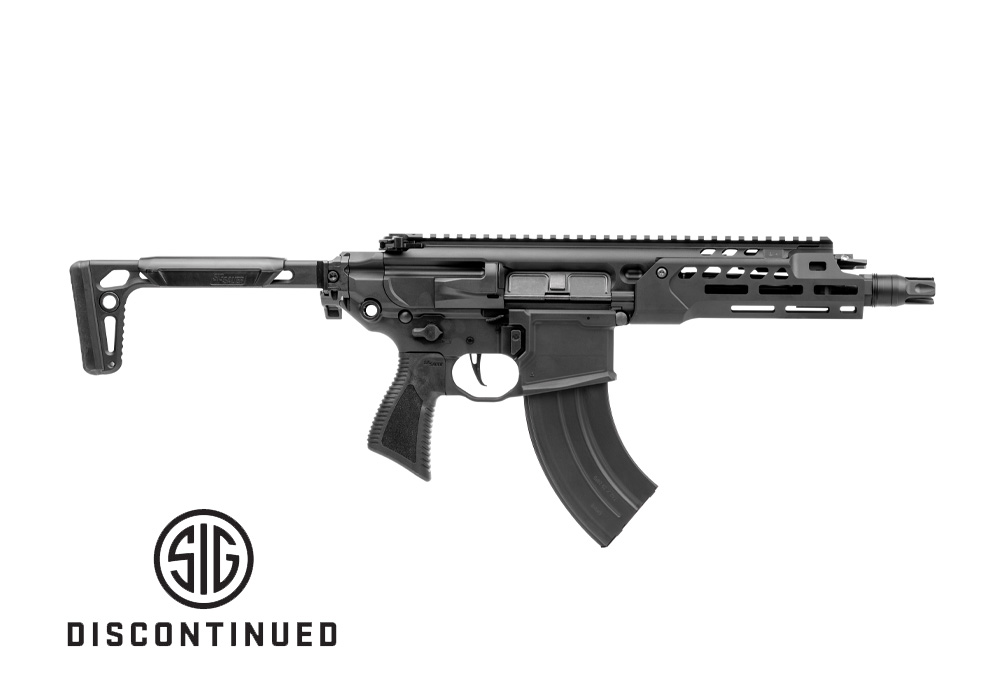
Lightweight rifles with folding stock designs bring together two practical qualities that matter in the field: reduced carry weight and a more compact profile for transport and storage. A folding stock can shorten the rifle when it is secured in a vehicle, placed in a pack, or stored in a safe, then lock into position when the rifle is ready for use. That compact form is especially useful for hunters moving through dense timber, backcountry users covering uneven ground, and recreational shooters who want a rifle that is easier to transport between the home, range, and field. The category includes lightweight bolt-action rifles built for mountain hunting and precision-oriented use, along with semi-automatic carbines designed around modularity, quick handling, and convenient transport. Some models use a side-folding stock, while others fold through a different point in the receiver or chassis, so the folded dimensions and operating method can vary substantially. When comparing products, look beyond the listed weight and consider how that weight is distributed. A rifle that balances naturally between the hands can feel more manageable on a long climb than one with the same listed weight concentrated toward the muzzle. Carbon-composite components, lightweight alloys, slim handguards, and compact optics can further reduce the burden, although every accessory adds weight and should be considered as part of the complete setup. A rifle carried at first light may feel effortless across a short trail, but after several hours of walking over rock, brush, and steep ground, small differences in balance and packability become much more noticeable.
The intended use should guide the choice between the different types of lightweight folding-stock rifles available on this page. A bolt-action configuration may appeal to hunters and precision-minded shooters who value a simple manual action, a crisp trigger, and a stable platform for carefully placed shots. These rifles are often paired with cartridges selected for the game, terrain, and expected distances, so compatibility with the ammunition you plan to use is an important purchase consideration. A semi-automatic rifle may be a better fit for users who prioritize fast follow-up shots, flexible handling, and a modular layout for range practice, training, or lawful defensive applications. Pistol-caliber carbines can offer familiar controls and manageable recoil, while centerfire rifles may provide a broader range of ballistic performance depending on the chambering. Review the rifle’s chambering, magazine pattern, barrel length, twist rate, stock adjustment, and compatibility with your preferred optic before making a decision. The folding joint deserves close attention as well. Look for a design that locks securely in the firing position, folds in a predictable direction, and does not interfere with the bolt, charging handle, safety, magazine release, or optic. Some folding systems are intended to be used only when the action is open or the rifle is unloaded, while others are engineered around a different operating arrangement. Read the manufacturer’s instructions and confirm the product’s handling requirements rather than assuming every folding mechanism works the same way. Buyers considering a retrofit should review compatible Rifle Folding Stock Kits and verify fitment before purchase, including the action pattern, receiver interface, buffer or operating system, sling attachment points, and any requirements for professional installation.
A well-chosen folding-stock rifle can serve a wide range of responsible owners, from a hunter preparing for a cooler-season trip to a range user looking for a compact platform that stores neatly between outings. It can also be a thoughtful gift for an experienced adult shooter when the recipient’s preferences, local regulations, and safe-storage arrangements are already understood. Firearms should be transferred only through lawful channels, and the recipient should be able to select the appropriate configuration, chambering, and accessories for their own needs. For transport, the rifle should be unloaded, secured in a suitable case, and handled according to applicable federal, state, and local laws; a folding stock does not change those obligations. Before heading into the field, spend time confirming the stock’s lockup, practicing the folding and unfolding procedure with an unloaded rifle, and checking that the chosen case accommodates the rifle both folded and ready for use. It is also worth considering the practical details that tend to matter after the purchase: whether the rifle accepts a sling that stays clear of the folding mechanism, whether the stock provides a comfortable cheek position behind the optic, whether the controls remain accessible with gloved hands, and whether standard or extended capacity magazines fit the intended case and pouches. During warmer-weather range sessions or cooler months in the field, the best setup is the one that remains comfortable, reliable, and easy to manage from start to finish. Browse the listed options with your intended terrain, carry distance, shooting style, storage space, and training habits in mind, then select a lightweight folding-stock rifle that supports confident, safe handling without adding unnecessary bulk to the trip.