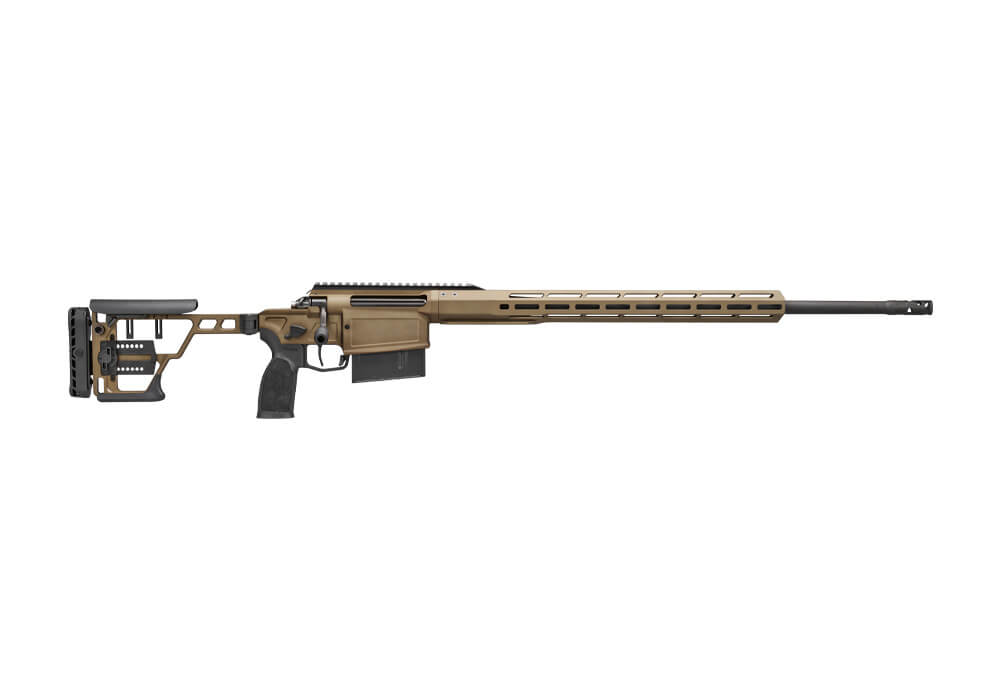
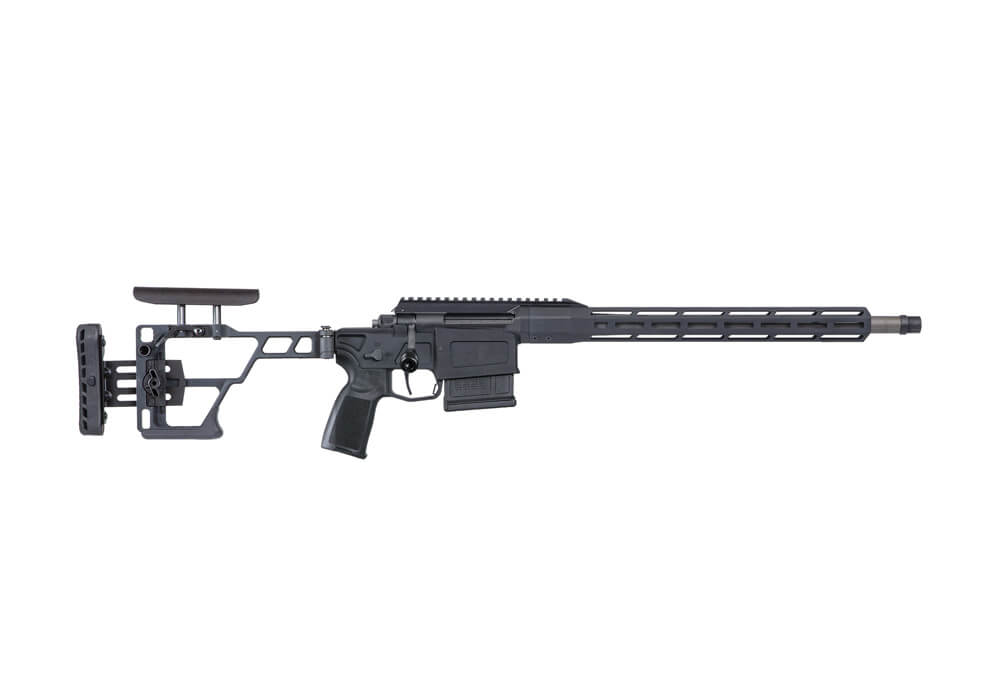
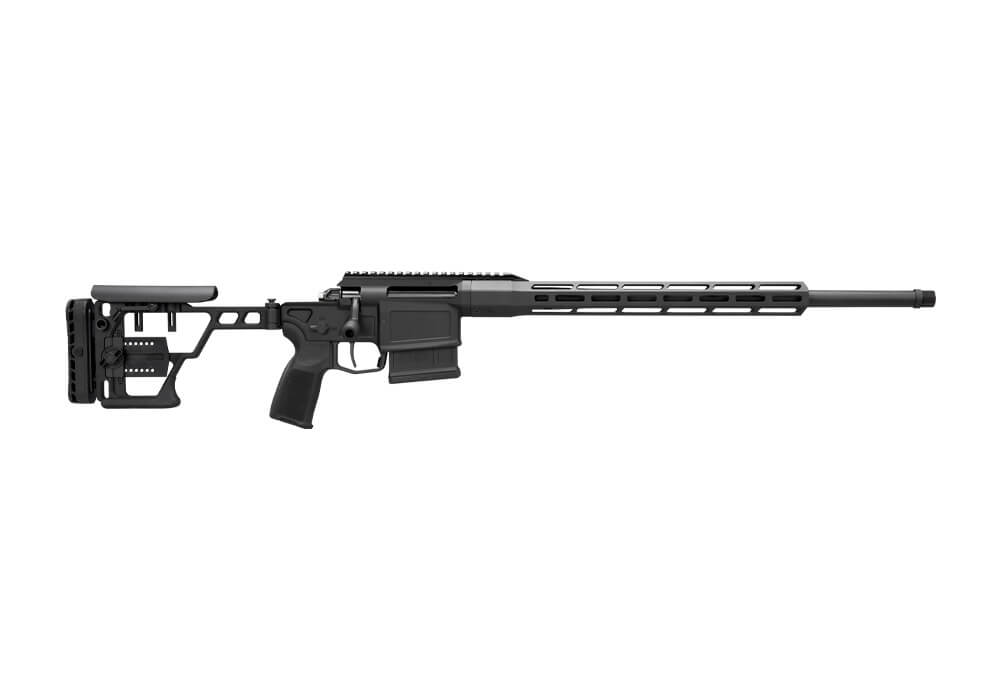
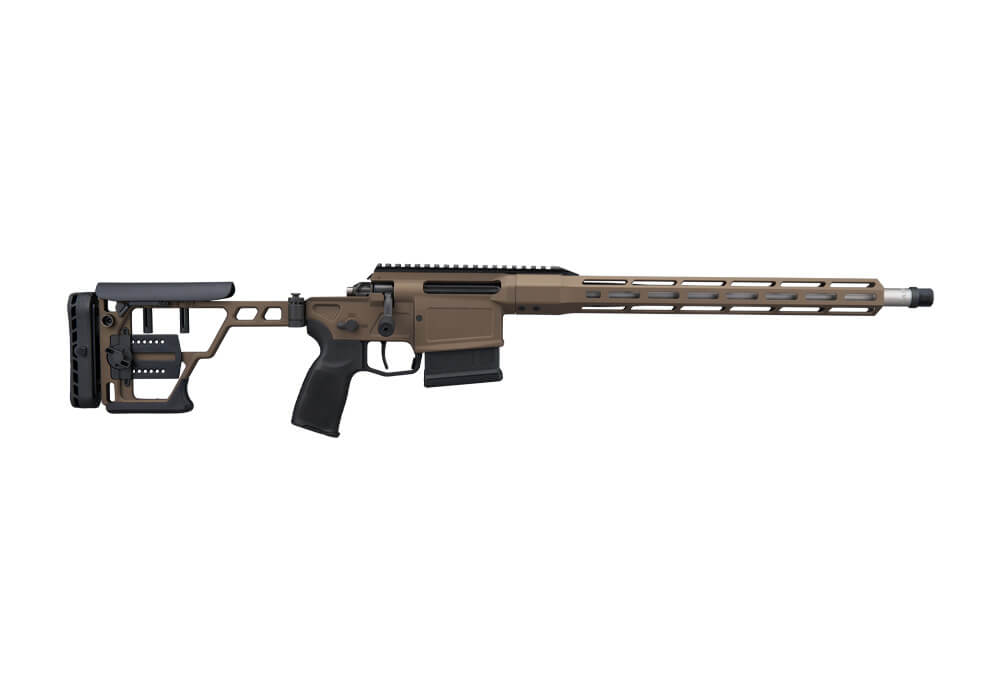
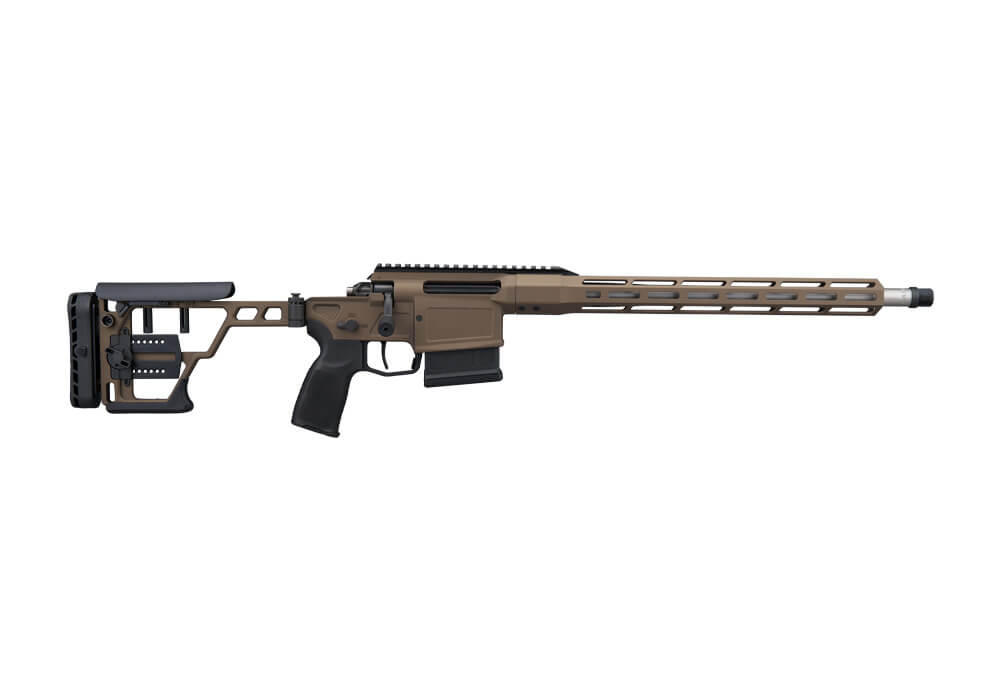
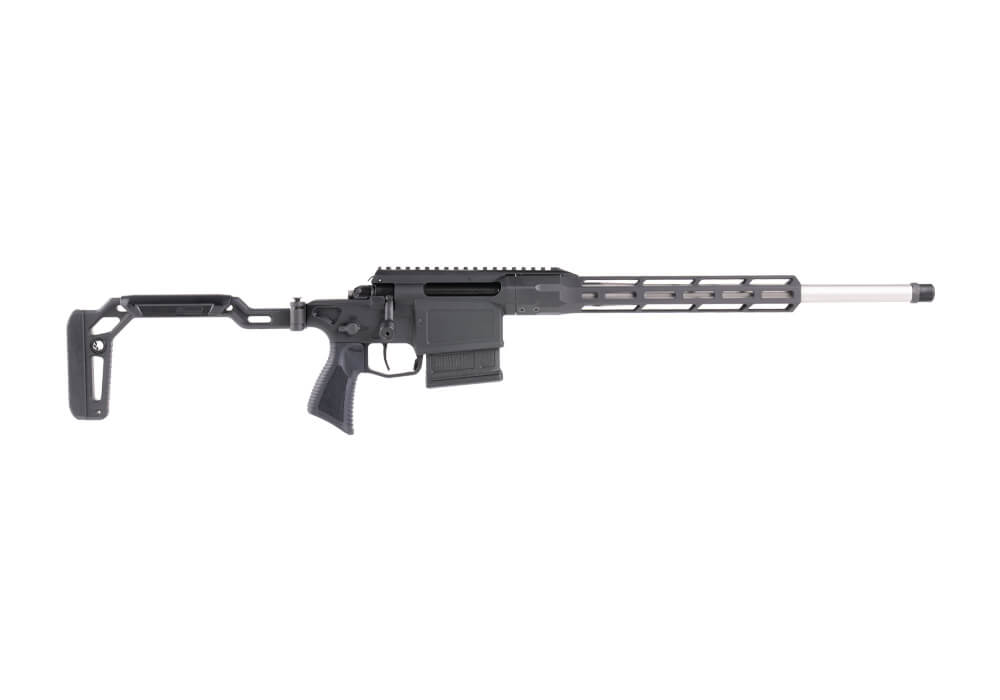
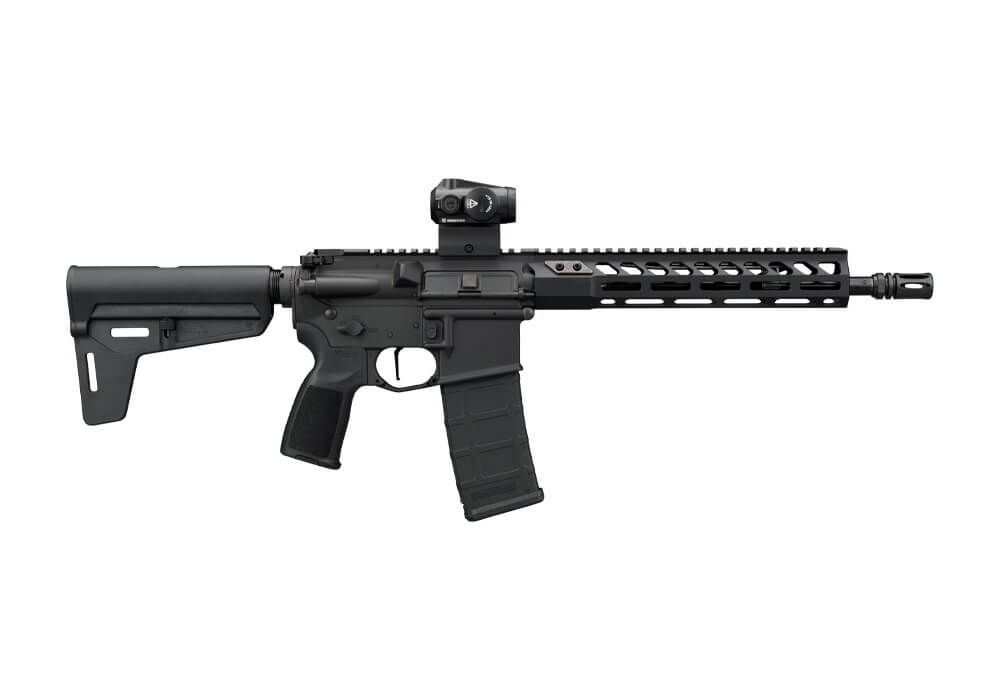
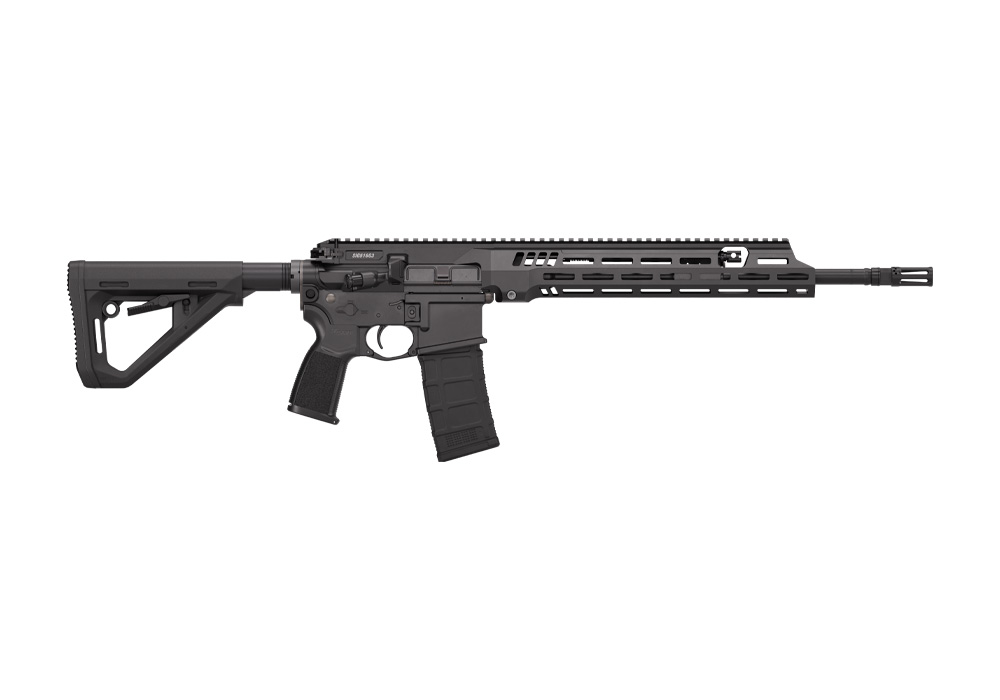
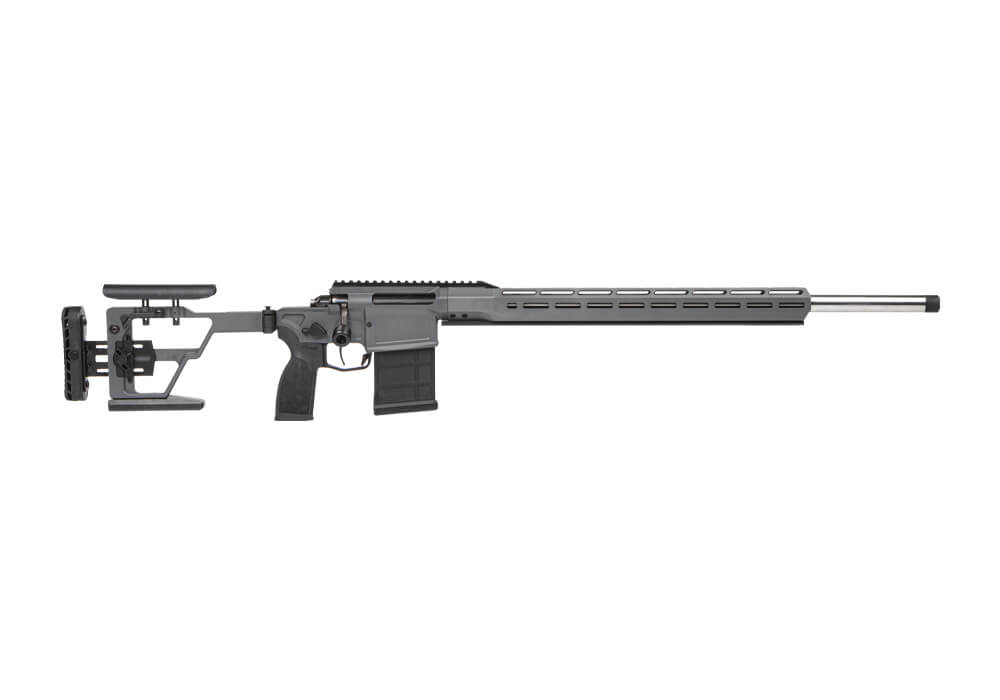
Enhanced precision rifles are built for shooters who value repeatable accuracy, stable handling, and a refined fit behind the optic. These rifles typically combine rigid chassis or stock systems, carefully finished barrels, adjustable triggers, and compatibility with modern mounting and support equipment. The result is a platform that can help a shooter maintain a consistent position from one session to the next, whether the goal is careful target work, field practice, or long-range competition. A rigid chassis can help limit stock flex and preserve a steady point of impact as the barrel warms, while an adjustable comb and length of pull allow the rifle to align naturally with the shooter’s shoulder, cheek, and optic. Folding stock systems can also simplify transport and storage without sacrificing the adjustments that contribute to a comfortable shooting position. When comparing enhanced precision rifles, consider the balance between overall weight and portability, barrel length and contour, action type, trigger adjustment range, stock ergonomics, and the rifle’s chambering. A heavier configuration may settle more firmly on a bench or supported position, while a lighter configuration can be easier to carry across uneven ground during a hunt or training exercise. Bolt operation should feel smooth and deliberate, with controls that are easy to reach while the shooter maintains a stable position. Look for a handguard or forend that provides useful mounting points for a bipod, tripod adapter, or other support gear, and verify that the rifle accepts the accessories you already own. A compatible optic, secure rings, a dependable sling, and a properly fitted support system can be just as important to the complete setup as the rifle itself.
The intended use should guide nearly every purchase decision. For precision target shooting, a shooter may prioritize a heavier barrel, a rigid chassis, a fine two-stage trigger, and a stock with numerous fit adjustments. These features can help refine the fundamentals of breathing, trigger control, follow-through, and wind calls during deliberate practice. Competitive shooters often appreciate fast, predictable bolt travel, a generous loading area, and an ergonomic layout that remains comfortable through extended strings of fire. For hunting, portability and balance may carry more importance, particularly when the rifle must be carried over wooded trails, open ridgelines, or uneven terrain during the cooler months. A shorter, lighter setup can be easier to maneuver in a blind or among dense cover, while a longer barrel can support consistent velocity and a stable sight picture when the terrain opens up. Hunters should also consider the chosen cartridge, available ammunition, recoil, and the distances typical of their environment. Target shooters may favor a cartridge with manageable recoil and readily available match ammunition, while field users may place greater emphasis on terminal performance and practical carry weight. Beginners can benefit from a rifle with straightforward adjustments and a stock that fits securely rather than an overly complex configuration that is difficult to tune. Experienced shooters may seek a more specialized platform that allows precise control over cheek height, length of pull, trigger weight, and accessory placement. Before purchasing, confirm local requirements, transport rules, storage obligations, and any restrictions that apply to the rifle, magazines, ammunition, or accessories. When giving an enhanced precision rifle as a gift, the safest approach is to involve the recipient in the selection process and complete the transfer through the appropriate licensed channels. Fit, chambering, hand preference, and intended use are personal choices, and a thoughtful gift can include professional instruction, a secure storage solution, or quality range equipment instead of relying on guesswork.
A well-selected precision rifle rewards careful setup and consistent habits. Begin by confirming that the optic, mount, and action fasteners are installed according to the manufacturer’s specifications, then establish a repeatable cheek weld and shooting position before refining the zero. Use a stable bench, prone position, or field support that matches the way the rifle will normally be used. A bipod can provide a steady front rest, while a rear bag can help fine-tune elevation without forcing the shooter to muscle the rifle into place. Record ammunition type, weather conditions, sight settings, and group results in a range log; over time, those notes can reveal how temperature, wind, barrel heat, and different loads influence performance. Allowing the barrel to cool between groups can help preserve consistency during evaluation, and routine cleaning should follow the rifle manufacturer’s recommendations rather than relying on a one-size-fits-all schedule. Always keep the muzzle pointed in a safe direction, keep the action open until the rifle is ready for use, verify the target and what lies beyond it, and wear suitable eye and hearing protection. Secure storage is equally important when the rifle is not in use, especially in homes shared with children or visitors. Shooters exploring this category may also find useful options in High Performance Tactical Rifles, where related configurations can complement a precision-focused setup. During the cooler months, a disciplined routine, dependable equipment, and thoughtful preparation can turn a quiet range session or a carefully planned field outing into a rewarding way to build skill and confidence.