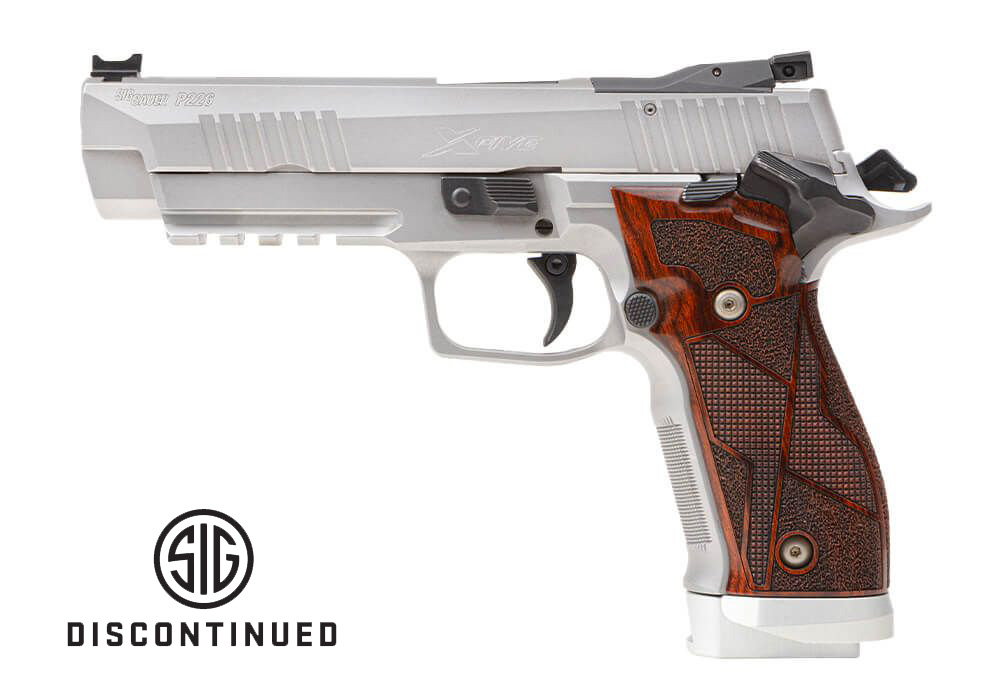
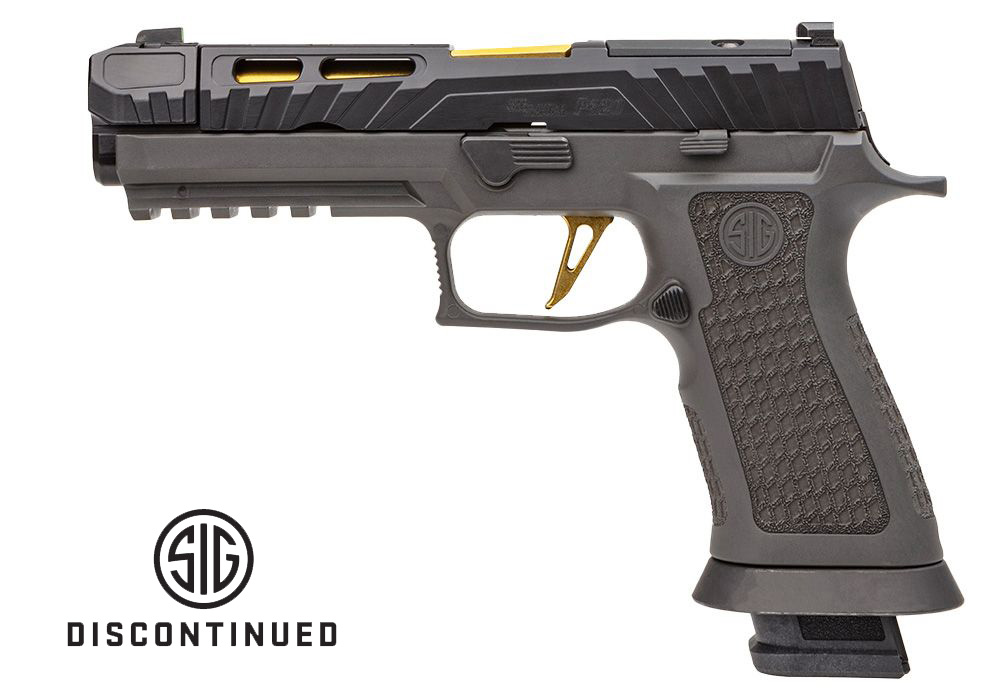
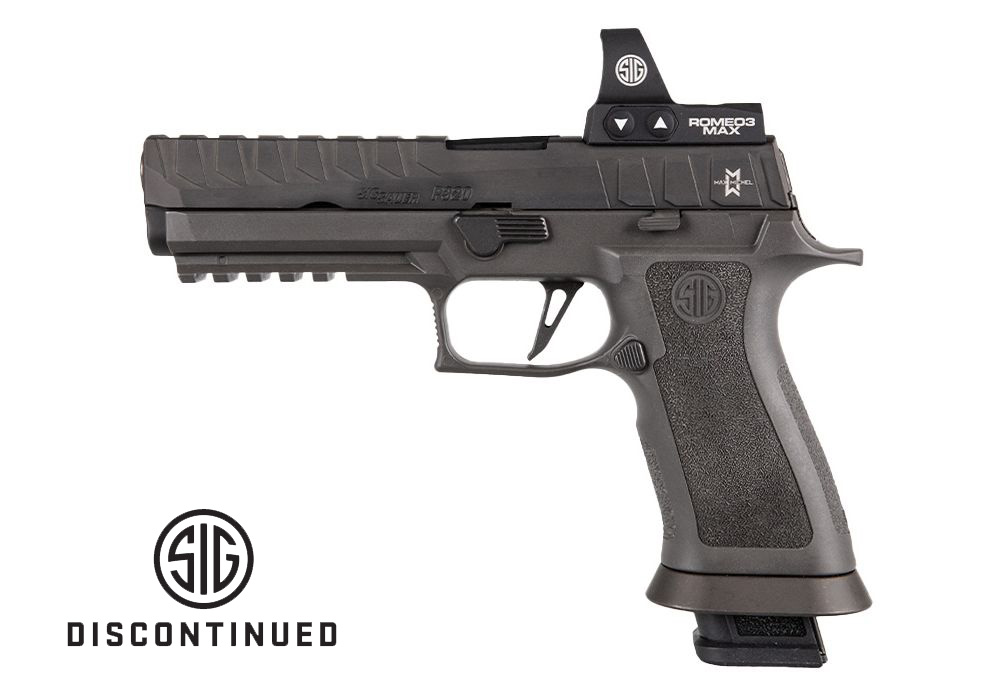
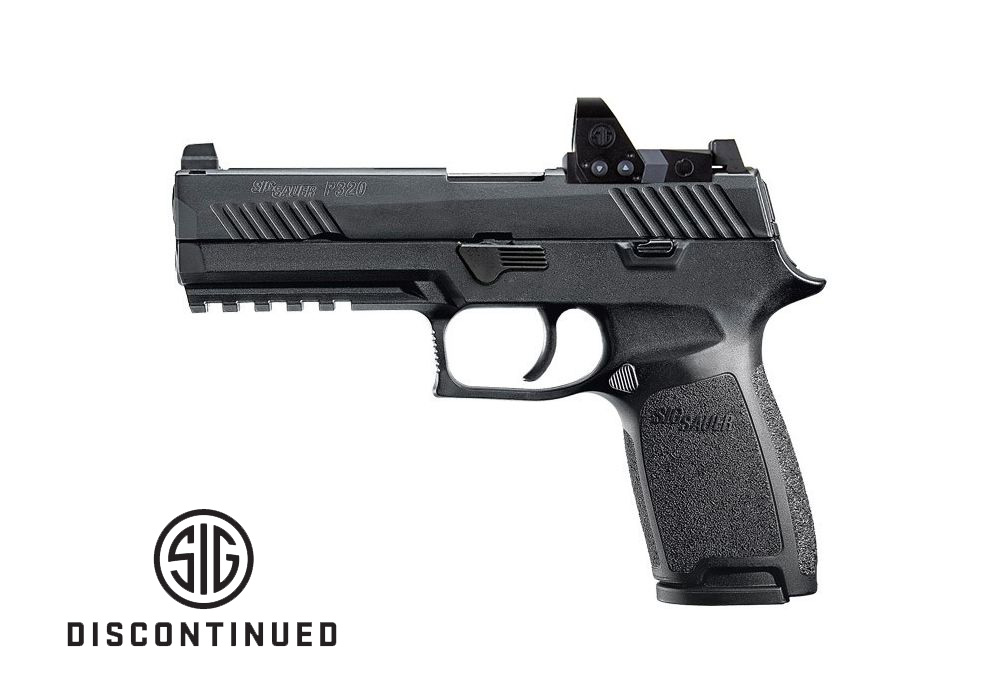
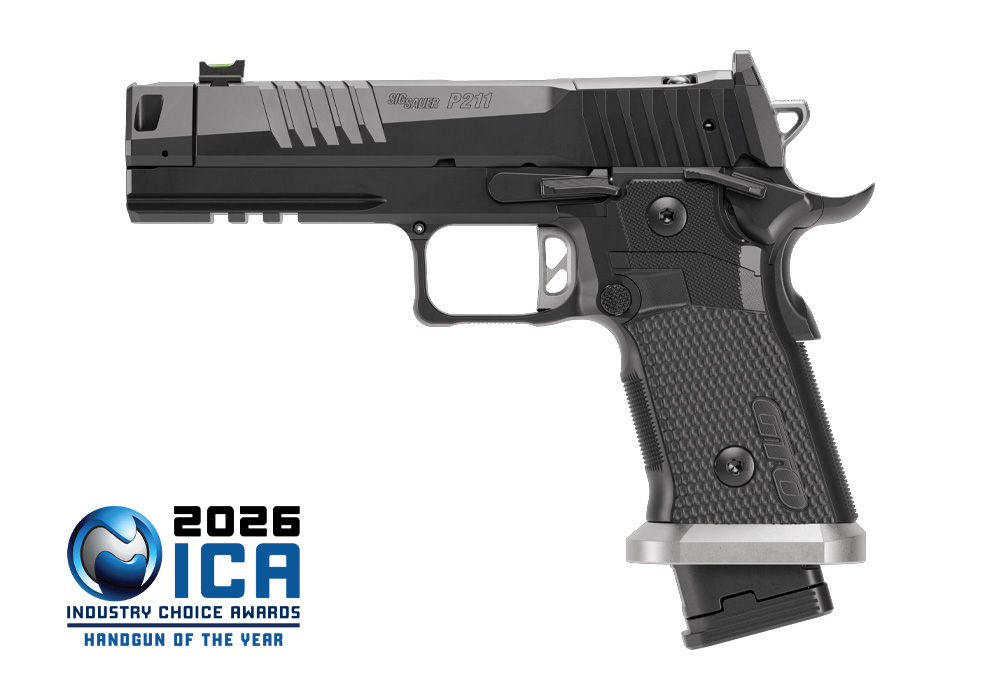
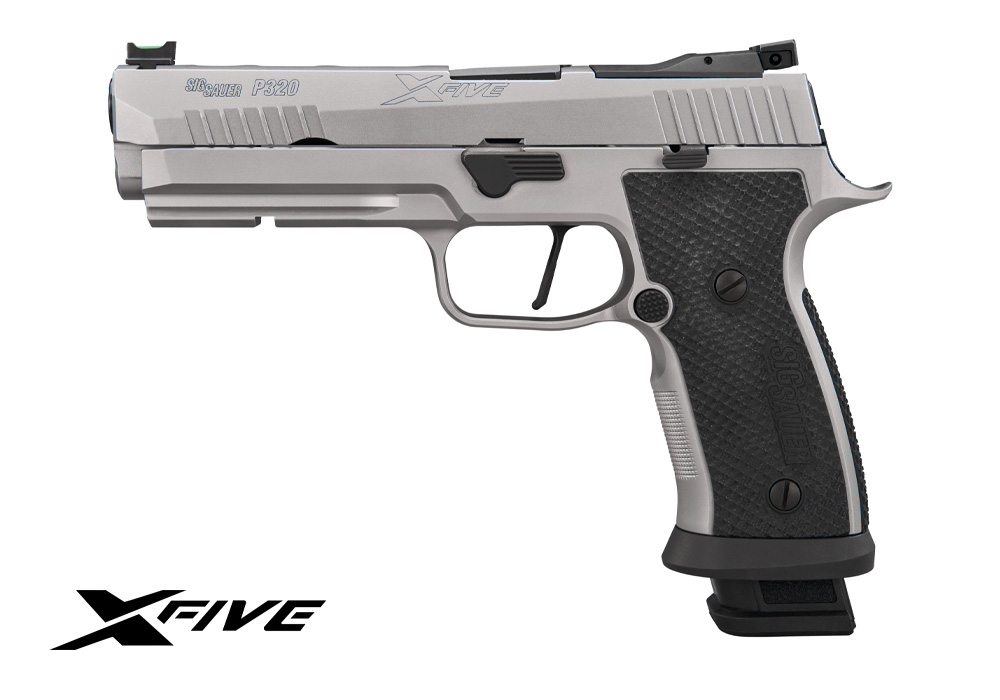
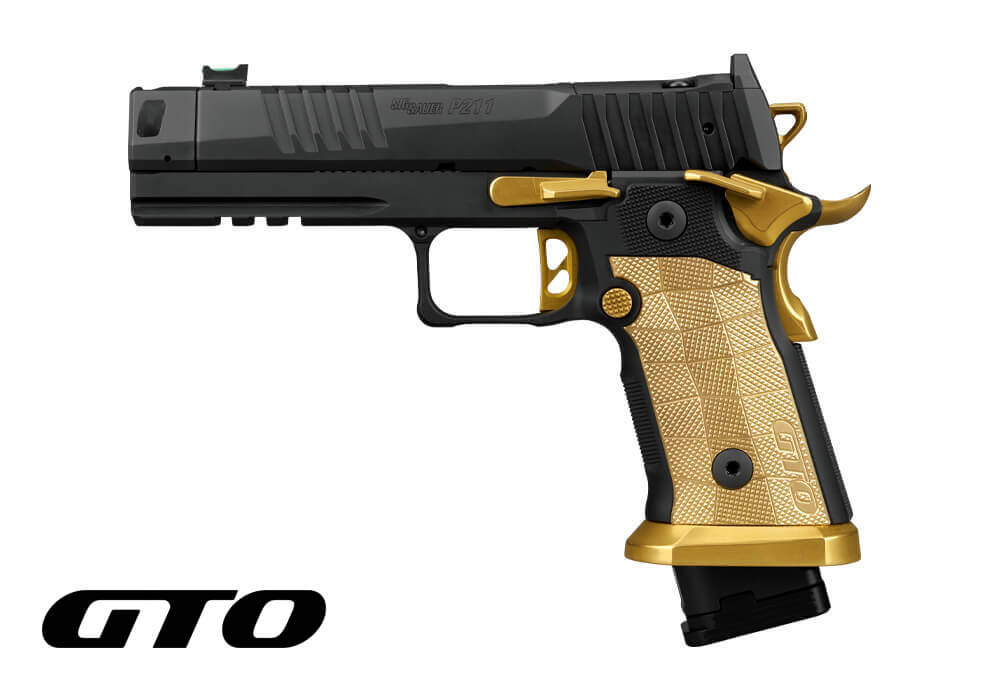
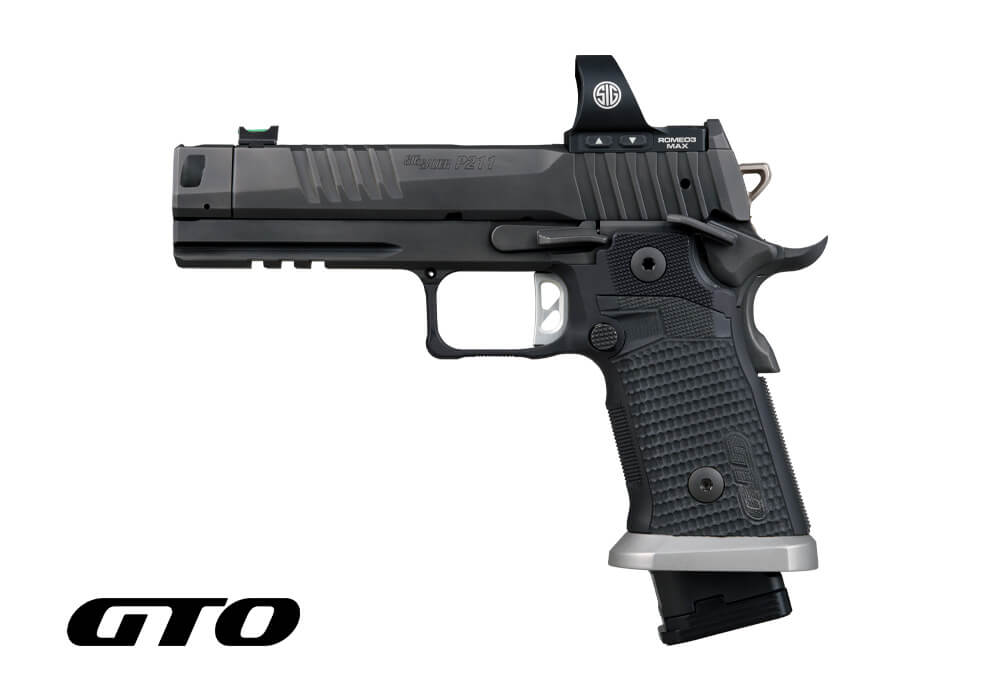
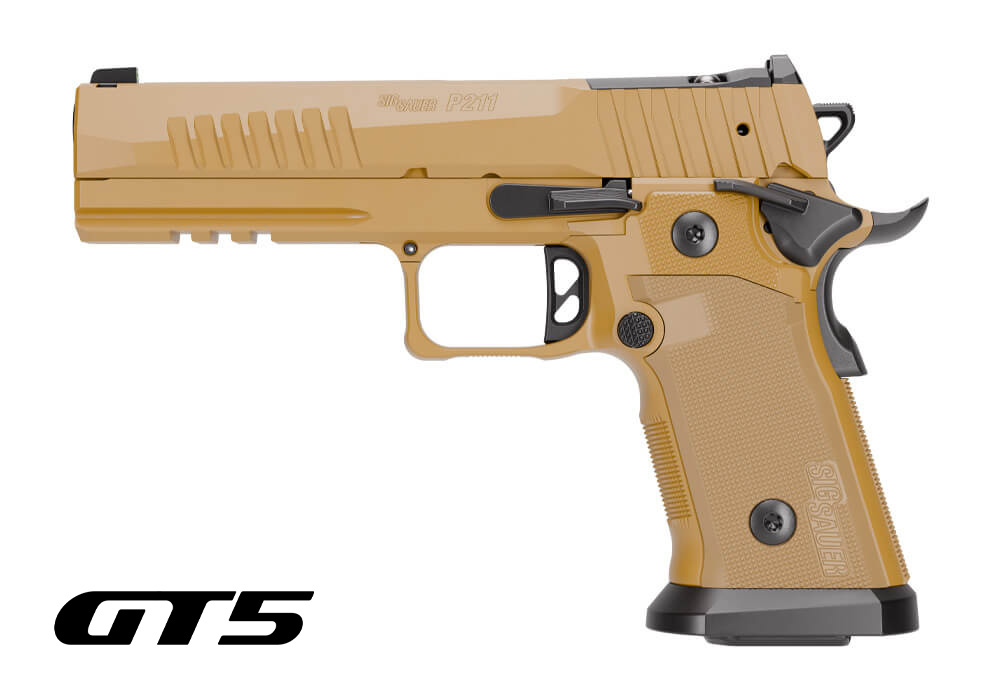
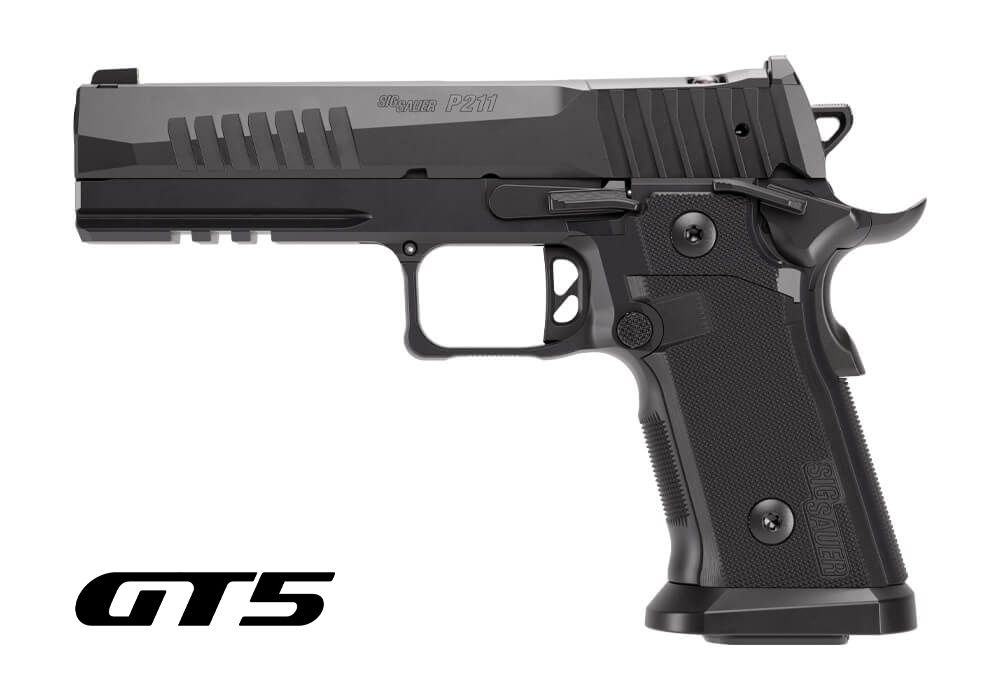
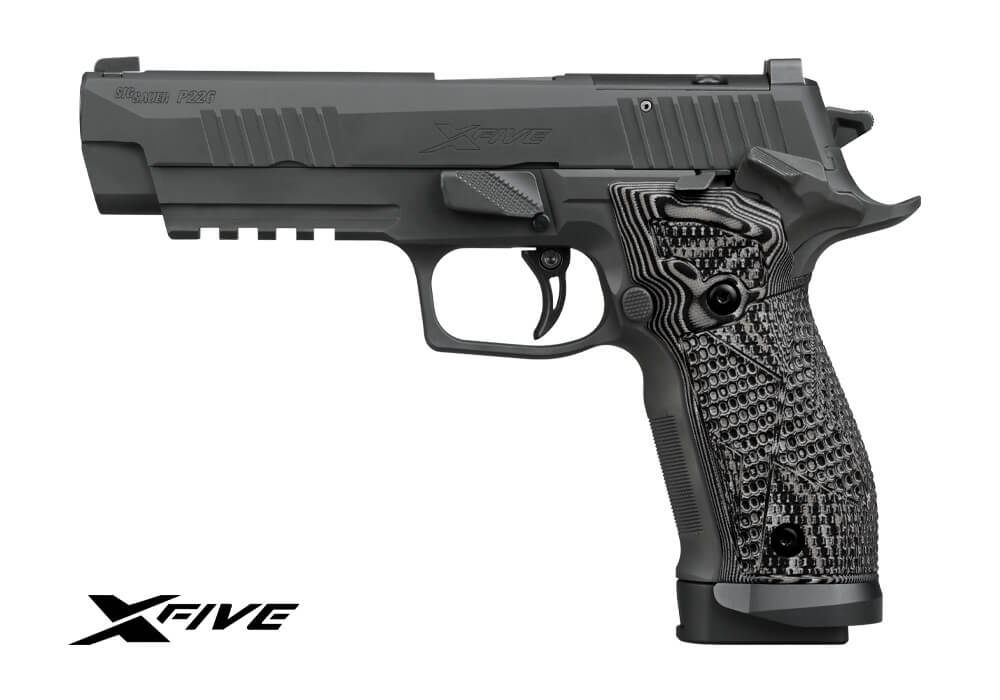
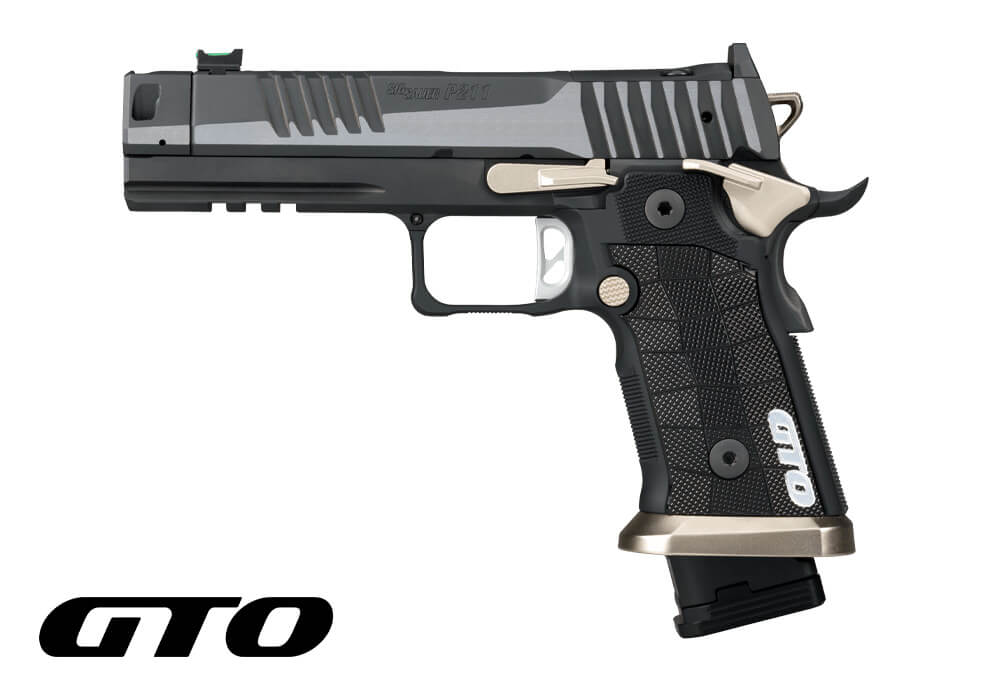
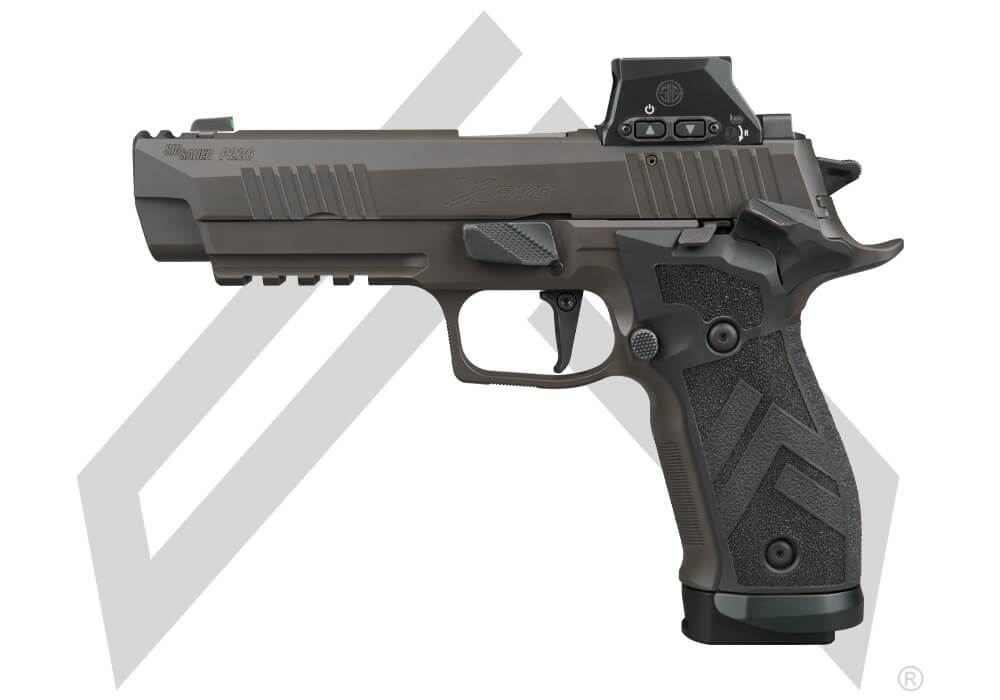
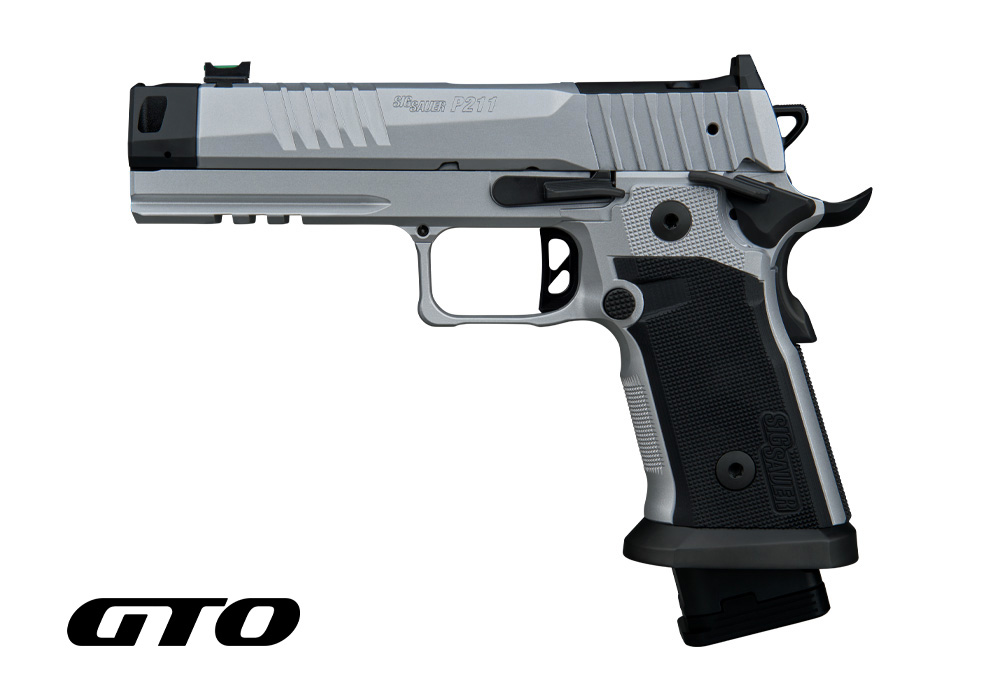
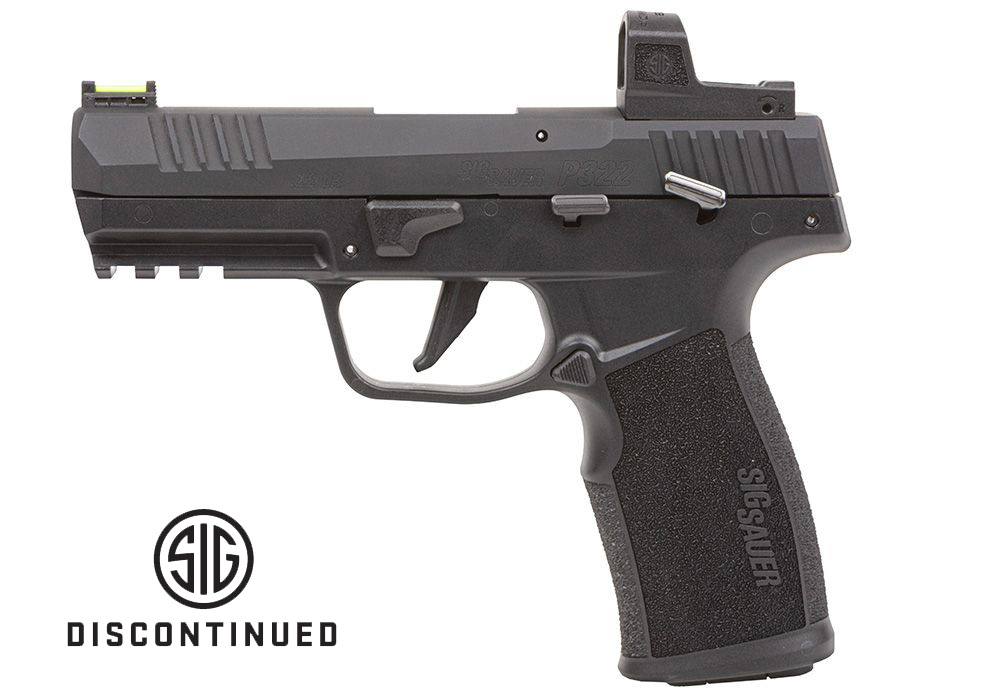
9mm pistols for competitive shooting are sporting handguns suited to organized matches where equipment rules, accuracy standards, and consistent handling shape the experience. The category includes different frame materials, operating systems, sight configurations, and grip dimensions, so there is no single design that fits every competitor or every division. A practical shooting match, an action-pistol event, and a precision-focused competition can have different requirements even when each permits 9mm handguns. Division eligibility is therefore an important part of a pistol’s intended use, alongside its dimensions, weight, and factory configuration. Some divisions accommodate optical sights, while others center on iron sights; rules may also address barrel length, permitted accessories, holster requirements, and magazine dimensions. An optics-ready description indicates provision for a compatible mounting arrangement, not universal compatibility with every sight or automatic eligibility for every match. Likewise, a competition-oriented description does not replace the governing organization’s equipment requirements. The appeal of 9mm in this setting comes partly from its established place in organized handgun sports and the range of sporting platforms chambered for it. Competitors can encounter striker-fired designs as well as hammer-fired designs with single-action or double-action operating systems. These terms describe how the firearm functions, and their relevance varies with the event and the participant’s training background. A newcomer attending a first club match may value clearly documented controls and straightforward equipment requirements, while a regular competitor may place greater emphasis on familiar dimensions and a configuration accepted in a particular division. Neither audience benefits from sweeping claims that one design is always the best. At match check-in, a clearly identified configuration and an understanding of the applicable rules matter more than a competition label alone. The most relevant distinctions are concrete: what the pistol is intended for, how its specifications align with the sport, and whether its fit and features suit the individual who will use it under qualified supervision.
Materials and fit give competition pistols much of their character. Steel frames generally contribute more weight than comparable polymer frames, while aluminum-alloy construction offers another balance of weight and structure. Actual weight depends on the complete design, including the slide, barrel, grip components, and accessories, rather than frame material alone. Polymer is not inherently a lesser choice, and metal construction is not a guarantee of better results or longer service life. Manufacturing quality, component design, surface treatment, and appropriate care all contribute to durability. A pistol that feels substantial in a display case may feel quite different over a full match day, making published dimensions and an in-person fit assessment useful complements to photographs. Grip circumference, front-to-back depth, contour, and texture affect how a handgun feels in different hands. Replaceable backstraps or grip panels, where included in the design, can accommodate different hand sizes without suggesting that every adjustable grip will suit every shooter. Texture also has a practical tradeoff: pronounced surfaces can feel secure, but comfort remains personal, especially during an extended supervised range session. Control placement and trigger reach deserve attention as aspects of fit, rather than as promises of better scores. Trigger shape, operating system, and the manufacturer’s stated specifications provide useful distinctions, but a lighter trigger is not automatically more appropriate for every participant or competition. Sight configurations have similar nuances. Iron sights differ in their visual presentation, and adjustable sights are not identical across designs. Optical-sight mounting provisions involve specific interfaces, compatible hardware, and manufacturer requirements. Barrel and slide length influence the pistol’s overall dimensions and may affect eligibility, yet length alone does not establish accuracy. A well-documented sporting handgun should be understood as a complete system, not a checklist of fashionable features. For someone comparing competition pistols, the useful picture includes physical fit, rule compliance, construction, and the support information supplied with the firearm.
Long-term ownership brings another set of considerations beyond the first match. Competitive use can involve repeated practice sessions, transport to different ranges, and regular equipment inspections, so durability includes more than the appearance of a finish. Corrosion resistance, the condition of working components, and access to appropriate service all matter over time. Protective finishes help shield surfaces, but they do not eliminate the need for manufacturer-directed care. Cleaning products, lubrication requirements, and service intervals should follow the firearm’s documentation; assumptions drawn from a different handgun may not apply. Unusual wear, damaged components, or changes in function warrant evaluation by a qualified professional rather than improvised adjustments. Clear manuals, documented compatibility information, and established service procedures are valuable parts of ownership, particularly for a participant learning the administrative and equipment side of organized shooting. A suitable protective case can help prevent contact damage during lawful transport, while secure storage remains essential between range visits. Storage and transportation arrangements should comply with applicable laws and keep firearms inaccessible to unauthorized people, especially children. Range rules and guidance from qualified instructors are equally important, whether the occasion is a local club event, a sanctioned match, or a supervised introduction to the sport. Related rimfire categories, including 22 Pistols For Competitive Shooting, represent a separate sporting option with different ammunition and potentially different event requirements; they are not interchangeable with 9mm equipment simply because both appear in competitive shooting. That distinction helps keep comparisons grounded in intended use rather than appearance. For returning competitors and first-time participants alike, a dependable ownership experience rests on clear specifications, comfortable fit, appropriate care, and realistic expectations. A competition pistol is one part of a broader sporting commitment that includes instruction, responsible handling, and respect for the match environment. Those fundamentals give the category its lasting relevance beyond any single feature or finish.