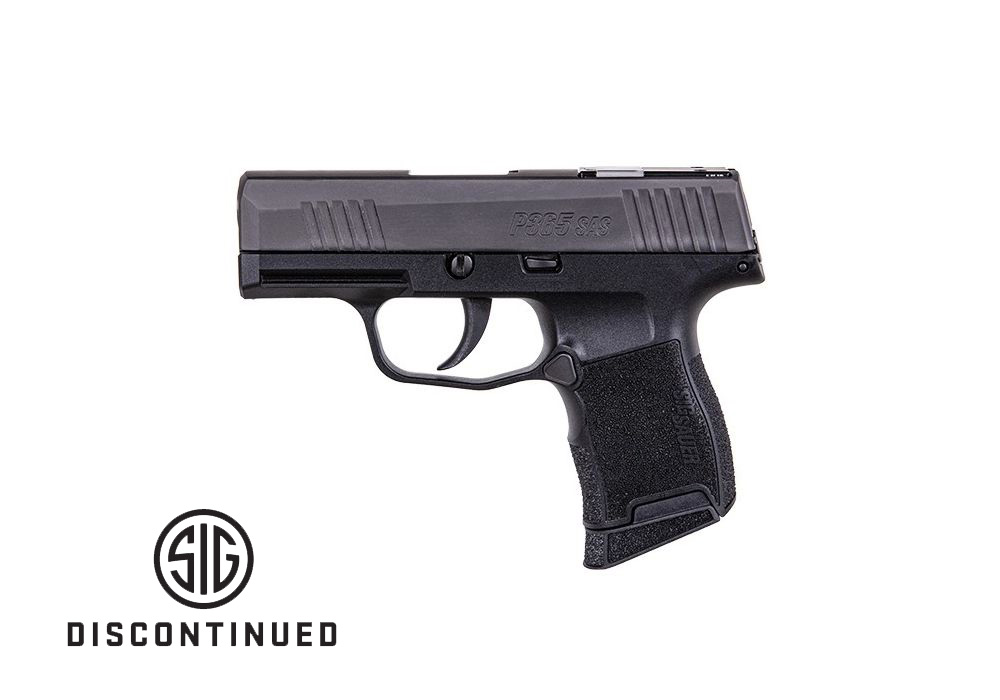
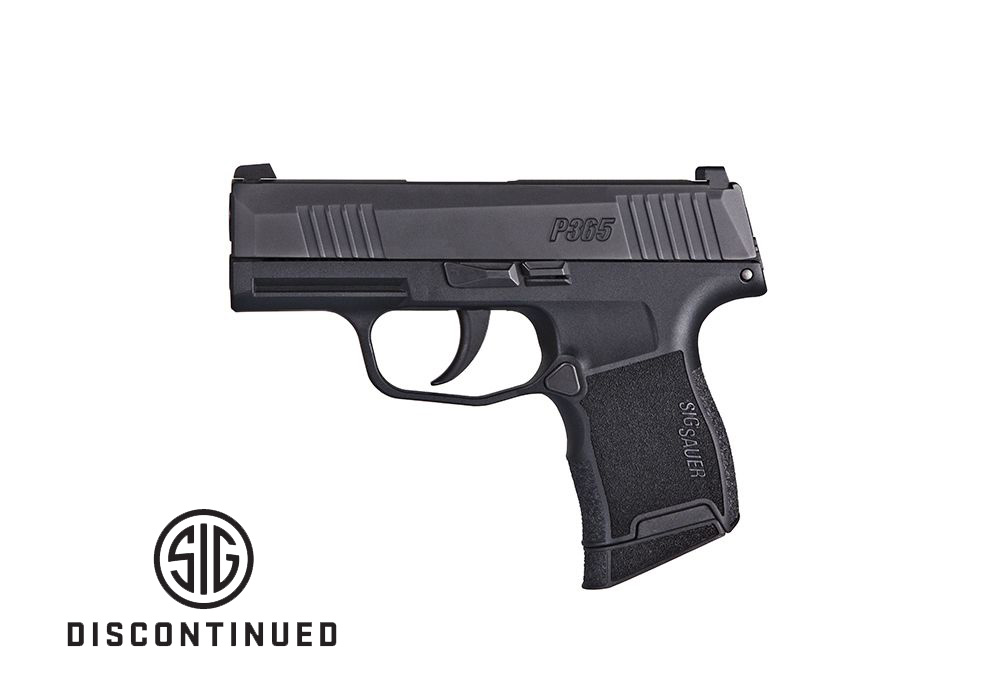
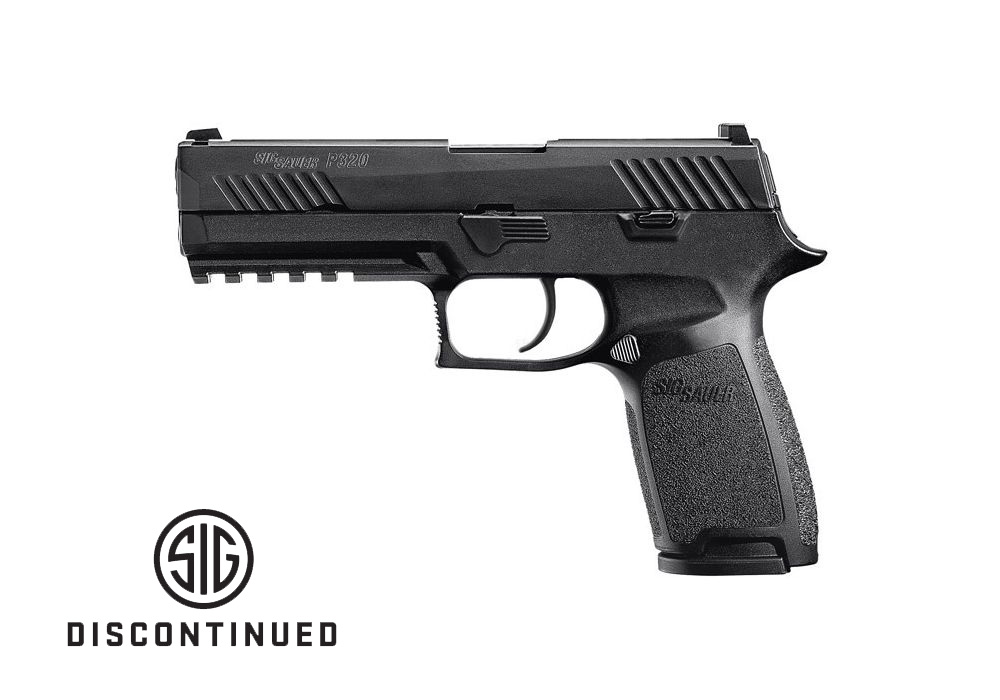
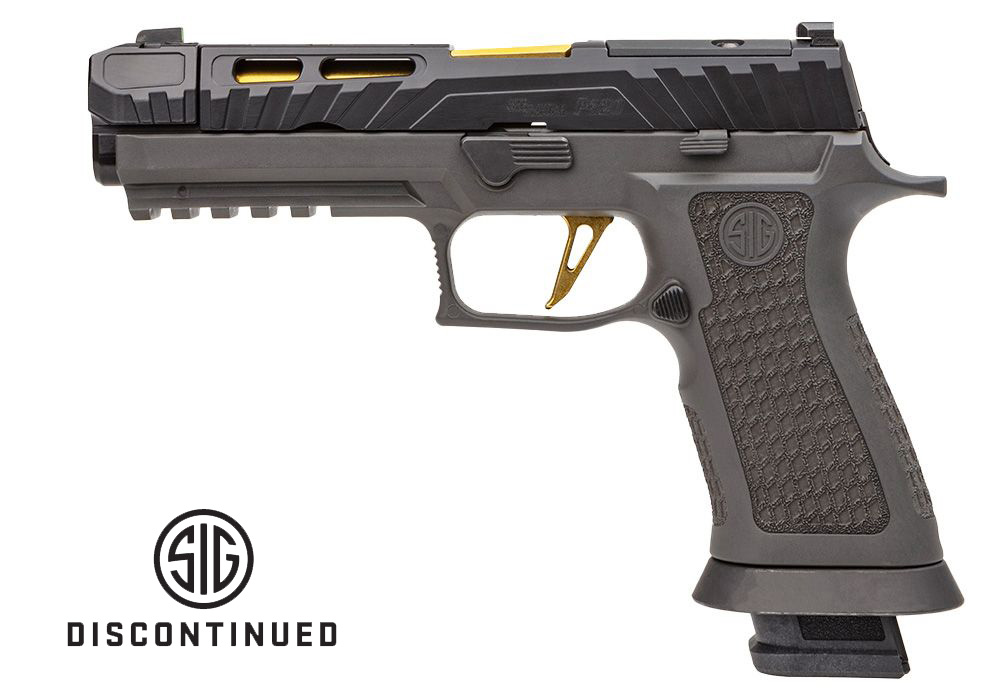
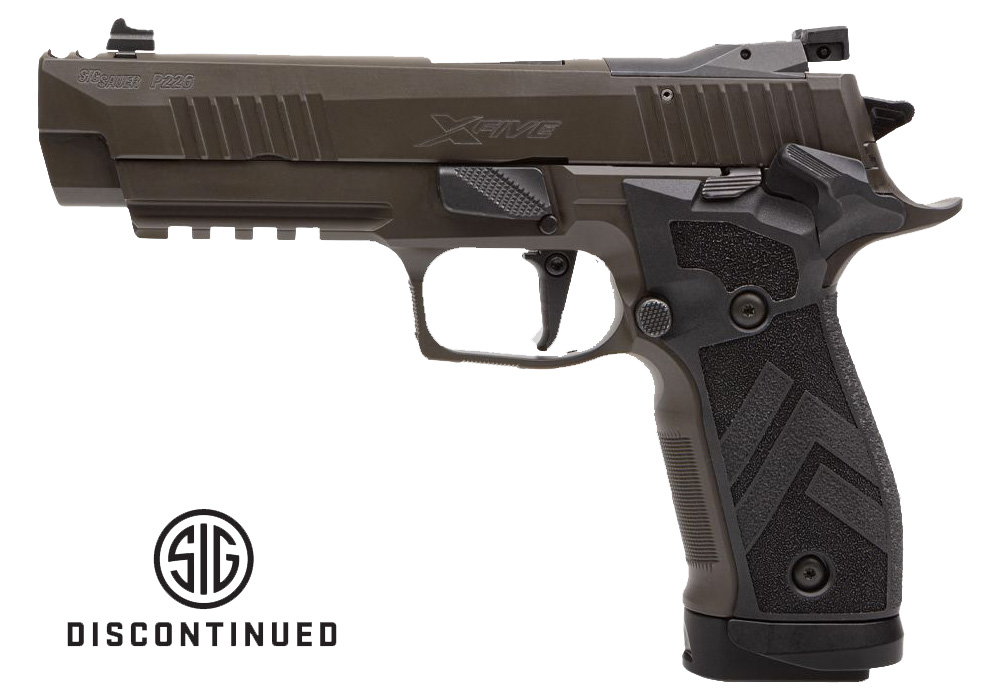
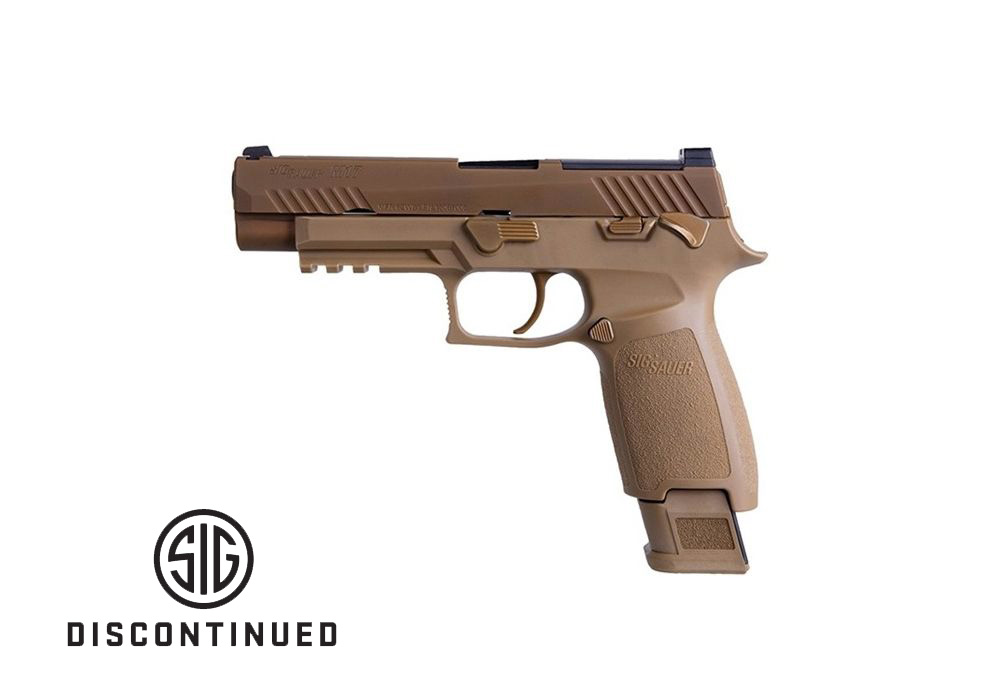
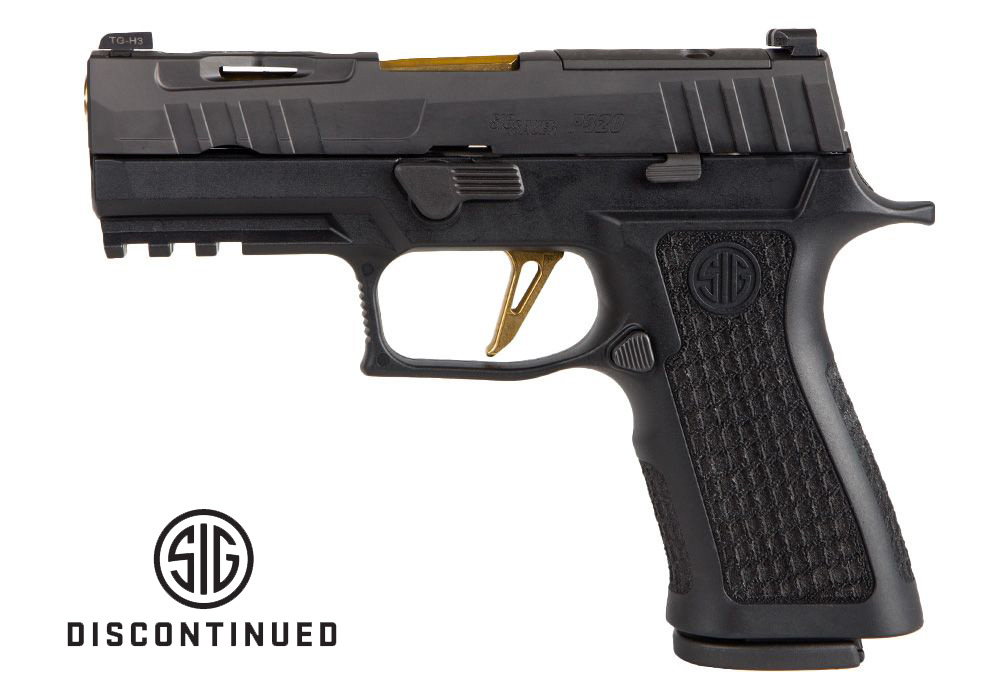
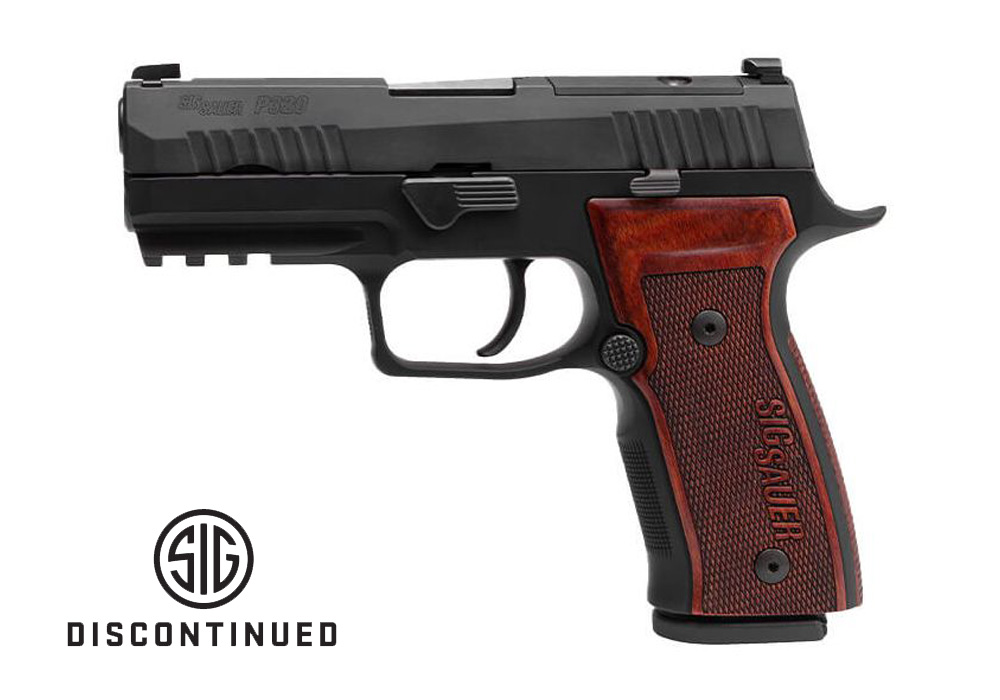
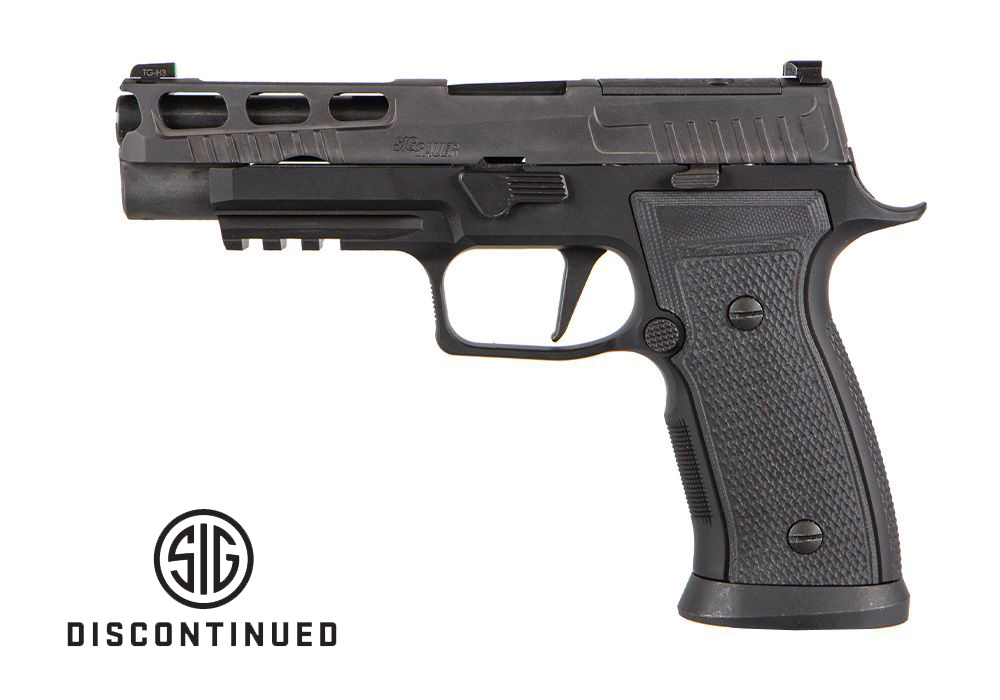
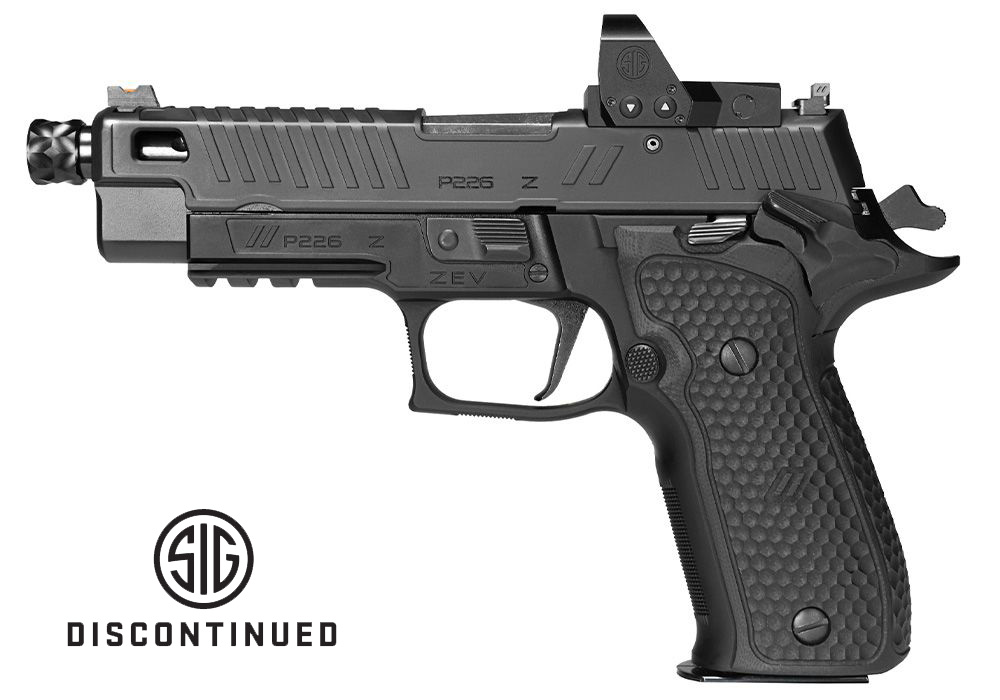
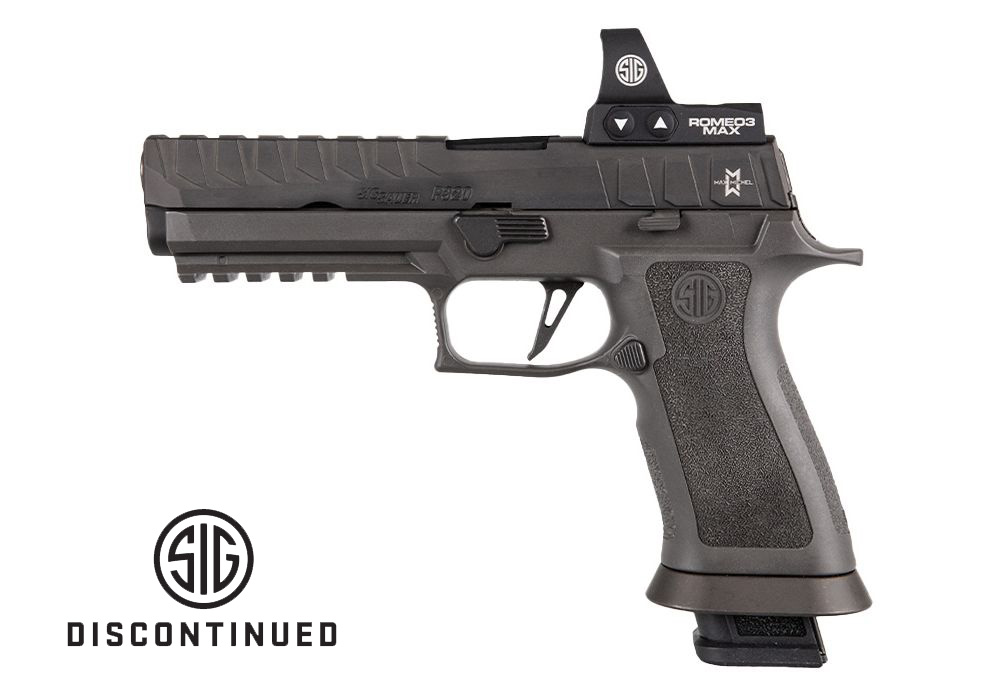
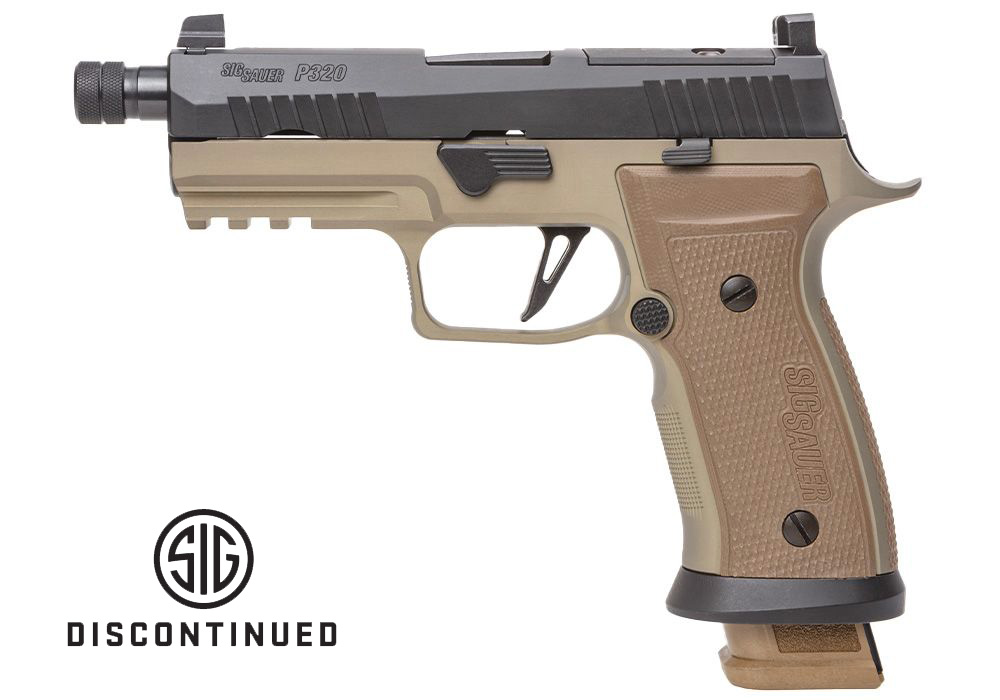
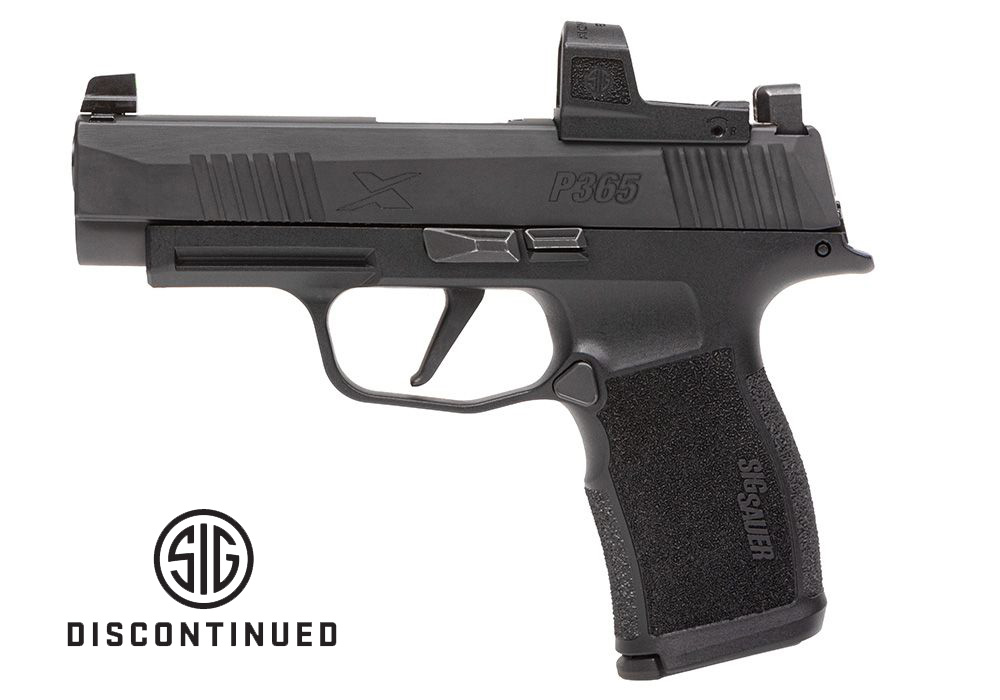
9mm pistols for enthusiasts bring together thoughtful ergonomics, durable construction, and features that reward regular range time. The appeal often lies in details that become noticeable over an afternoon of target shooting: a grip that settles comfortably into the hand, sights that are easy to distinguish against a paper target, and controls that feel accessible without an awkward reach. Enthusiast preferences are not limited to one size or action type. Full-size pistols offer a substantial gripping surface and, with iron sights, typically a longer sight radius, while compact designs balance smaller dimensions with handling characteristics suitable for recreational practice or lawful personal protection. Competition-oriented designs may emphasize balance, sight visibility, and features permitted within a particular shooting discipline. Striker-fired and hammer-fired actions provide different operating characteristics, and neither category guarantees a better fit for every shooter. Trigger feel, control layout, and the presence or absence of a manual safety deserve individual consideration alongside familiarity and training. For many enthusiasts, 9mm represents a practical balance of manageable recoil, broad ammunition compatibility within the specified chambering, and usefulness across several established shooting sports. Recoil still varies with pistol weight, grip fit, ammunition, and the individual shooter; a smaller pistol is not automatically more comfortable simply because it weighs less. Hand size matters, but trigger reach, grip circumference, and palm support often tell more than overall dimensions alone. Interchangeable backstraps or alternative factory grip sizes can help accommodate different hands where the design supports them. Texture also deserves attention: pronounced stippling can feel reassuring during practice, yet a less abrasive surface may suit someone who values comfort during extended handling. A supervised range rental or an authorized retailer’s handling session can reveal these differences more clearly than photographs. The strongest match is usually a pistol whose dimensions, controls, and intended purpose make sense together, rather than one selected solely for its longest feature list.
Materials and construction give enthusiast 9mm pistols much of their distinctive feel. Polymer frames generally contribute to lower overall weight, while aluminum-alloy and steel frames offer different combinations of weight, rigidity, and balance. A metal frame may appeal to a target shooter who prefers a more substantial feel, whereas a lighter frame may suit someone seeking less weight for lawful carry. Neither material category establishes quality on its own. Design, manufacturing consistency, surface treatment, and appropriate maintenance all influence long-term durability. Steel slides and barrels commonly receive protective finishes that help resist corrosion and surface wear, although no finish eliminates the need for care. Clean edges around controls, consistent surface texture, and comfortable contact points are worth noticing during an in-person evaluation. Mechanical fit should be assessed against the manufacturer’s specifications rather than assumptions that the tightest possible fit always indicates greater reliability. Enthusiast-focused features can include factory optics-ready slides, adjustable sights, accessible controls, and modular grip arrangements, but the details differ substantially between designs. An optics-ready designation does not mean every sight attaches directly or that every mounting component is included. Mounting footprints, approved plates, sight clearance, and holster compatibility should be verified through official documentation before selecting accessories. Likewise, an accessory rail does not establish universal compatibility with every attachment. Factory-supported modular designs may offer different grip configurations, but compatibility is specific to the platform and should never be assumed from appearance alone. Trigger descriptions such as smooth take-up, a defined break, or a distinct reset describe aspects of feel rather than an overall measure of quality. Safe operation and suitability for the intended activity remain more important than a particularly light pull. For organized competition, equipment rules can shape the choice of sights, dimensions, and configuration. Checking those rules before choosing a pistol helps distinguish genuinely useful features from extras that may not suit the event or the shooter’s preferences.
Ownership adds another dimension to choosing a 9mm pistol for enthusiastic, responsible use. A firearm that feels comfortable during a brief handling session should also fit into a realistic routine of training, inspection, cleaning, and secure storage. Someone attending regular target sessions may value straightforward manufacturer-approved maintenance and grip surfaces that remain comfortable through repeated practice. A collector may pay closer attention to finish consistency, mechanical design, and the relationship between traditional forms and newer materials. An experienced shooter exploring a different action type may prioritize instruction and familiarity over adding accessories immediately. Across these interests, dependable function requires the correct ammunition specified by the manufacturer, suitable magazines, and attention to signs of wear. The chamber marking and owner’s manual are the relevant references for ammunition selection; similarly named cartridges are not necessarily interchangeable. Cleaning products and lubricants should also be appropriate for the firearm’s materials and finish. Follow the prescribed maintenance schedule and procedures, and refer unfamiliar mechanical concerns to the manufacturer or a qualified gunsmith rather than treating them as an opportunity for experimentation. Eye and hearing protection, instruction from a qualified professional, and compliance with range rules belong alongside the pistol itself in any thoughtful ownership plan. Secure storage should prevent unauthorized access, with ammunition stored separately and applicable laws observed. If a firearm is being considered as a gift, the recipient’s eligibility, preferences, training needs, and all transfer requirements warrant careful attention; choosing for another person involves more than matching an interest in target shooting. For a wider perspective on sizes and configurations beyond this chambering, the Pistols for Shooting Enthusiasts collection provides a related starting point. Within 9mm, lasting satisfaction often comes from quieter qualities: a comfortable grip, clear documentation, accessible service support, and a design suited to the activities the owner actually enjoys. Those considerations give meaningful context to specifications and help keep the focus on responsible ownership, consistent practice, and appreciation of the firearm’s design.