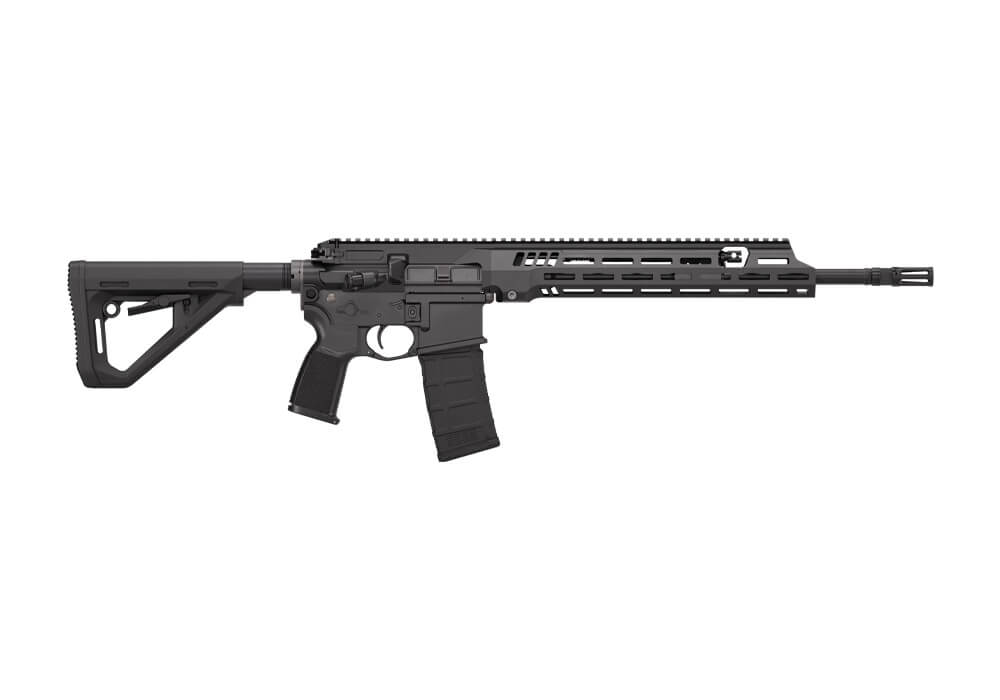
AR15 rifles selected for competitive shooting are built around consistency, controllability, and dependable performance through long practice sessions and demanding match stages. Unlike a general-purpose rifle, a competition-oriented setup is typically chosen with the shooter’s division, course of fire, and preferred distances in mind. Some competitors favor a lighter, faster-handling rifle for quick transitions between closely spaced targets, while others prioritize a steadier configuration that makes precise hits at extended distances easier to manage. A barrel measuring roughly 16 to 18 inches is a common starting point, with mid-length or rifle-length gas systems often valued for their smoother cycling characteristics and reduced felt recoil. Barrel profile matters as well: a lighter contour can help keep the rifle responsive during movement, while a more substantial profile may offer greater stability and consistent performance during extended strings of fire. A free-floating handguard gives the shooter a stable gripping surface without placing pressure directly on the barrel, and an M-LOK-compatible rail provides flexible attachment points for a sling, hand stop, bipod, or barricade support. The best choice depends on the balance each shooter wants between weight, precision, and speed. For a newer competitor, a reliable factory rifle with a comfortable stock, predictable controls, and a crisp trigger can provide a strong foundation without requiring an immediate list of modifications. Experienced competitors may seek a more specialized configuration tuned to their division and shooting style. Reviewing the rules for the intended discipline before purchasing is important, since limits on optics, muzzle devices, barrel length, magazine dimensions, and rifle weight can vary among matches and sanctioning organizations. Shooters attending organized practices or local club events may also appreciate browsing AR15 Rifles For Gun Club Events for configurations suited to a broader range of recreational and organized shooting activities.
Trigger feel is one of the most noticeable factors in a competition rifle. A clean, predictable break helps the shooter press the trigger without disturbing the sight picture, while a two-stage trigger can provide a defined first stage followed by a deliberate second-stage release. Single-stage designs may appeal to shooters who prefer a short, direct movement during rapid engagements. Pull weight should be evaluated alongside safety and control; the lightest trigger is not automatically the best trigger for every competitor, particularly when moving, shooting from awkward positions, or operating in cold weather with gloves. Recoil management also deserves close attention. A well-matched gas system, buffer system, and muzzle device can help the rifle return quickly to the target after each shot, reducing sight movement and making fast follow-up shots more comfortable. Adjustable gas systems and tuned buffer components may allow experienced users to refine cycling for a particular ammunition load, but these changes should be made carefully and tested for reliable function before a match. A rifle that feels exceptionally soft but fails to lock back, feed consistently, or cycle across different ammunition is not a practical competition tool. Ammunition selection should follow the rifle’s chambering, manufacturer guidance, and match requirements, with reliability taking priority over small theoretical gains in velocity or recoil. Optic selection should reflect the stage distances and target sizes. A low-power variable optic can support both rapid close-range transitions and more deliberate shots at distance, while a red dot sight may offer a bright, uncluttered aiming point for fast stages; a magnifier can add flexibility where the rules and shooting format permit it. Mount height, eye relief, reticle visibility, and the shooter’s ability to maintain a consistent cheek weld are just as important as magnification range. Before a purchase, consider the complete system rather than the rifle alone, including the optic, mount, sling, magazines, ammunition, and any support equipment that may be carried between stages.
Competitive shooting rewards equipment that works predictably and fits the person behind it. Stock length, grip angle, handguard diameter, charging handle reach, and ambidextrous controls can all influence how naturally a rifle settles into the shoulder and how quickly the shooter can move between positions. A rifle that feels balanced in the hands is easier to drive from one target to the next, especially during stages that combine movement, positional shooting, and rapid changes in direction. Weight should be considered honestly: a heavier rifle may stay steadier from a barricade or supported position, but a lighter rifle can reduce fatigue during a full day on the range. The most useful setup is usually the one the shooter can carry, mount, and control repeatedly without losing consistency. New competitors may find that time spent learning the rifle’s controls, confirming zero, practicing safe handling, and recording reliable ammunition data produces more benefit than immediately adding accessories. More experienced shooters often value repeatable groups, dependable feeding, a stable optic mount, and a trigger that behaves the same way from the first stage to the last. Regular inspection of magazines, fasteners, sling attachments, and optic mounts can help prevent avoidable problems, while cleaning and lubrication should follow the rifle manufacturer’s recommendations. Anyone purchasing an AR15 rifle as a gift should first confirm that the recipient can legally receive and possess it, understands the applicable storage requirements, and has access to appropriate instruction and a safe range. A secure storage solution, eye and ear protection, chamber flags, and a quality range bag can be thoughtful additions for a new or returning shooter. During the warmer months and into the cooler months, matches and practice days often bring changing light, wind, and temperature, making it valuable to choose equipment that remains comfortable and dependable across varied conditions. With the right fit, a reliable operating system, an appropriate optic, and careful attention to match rules, an AR15 rifle can serve as a focused platform for building speed, precision, and confidence on the competition range.