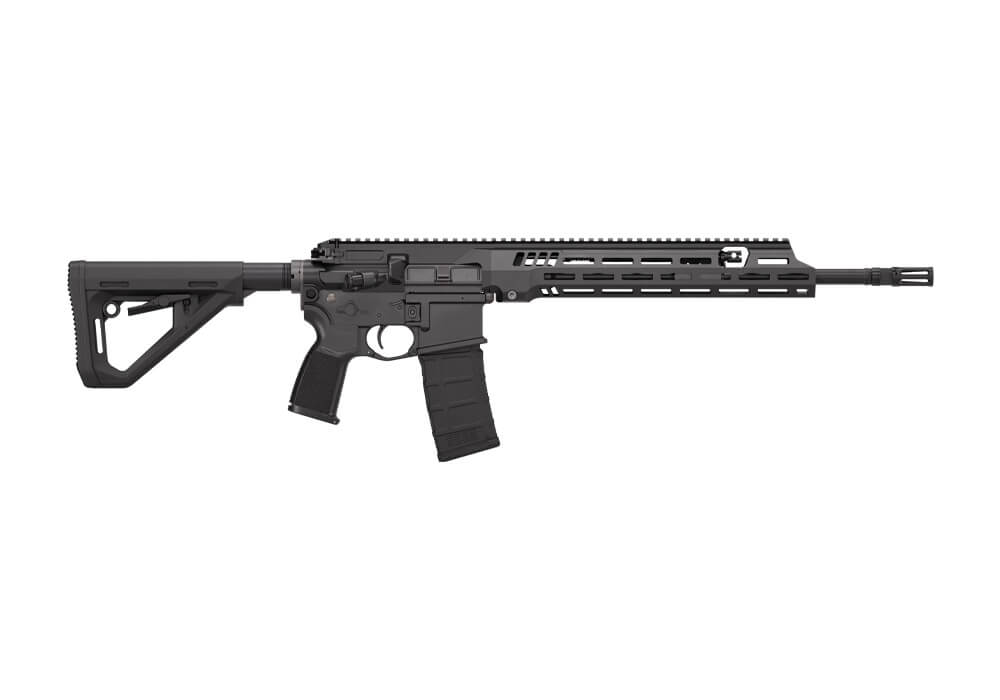
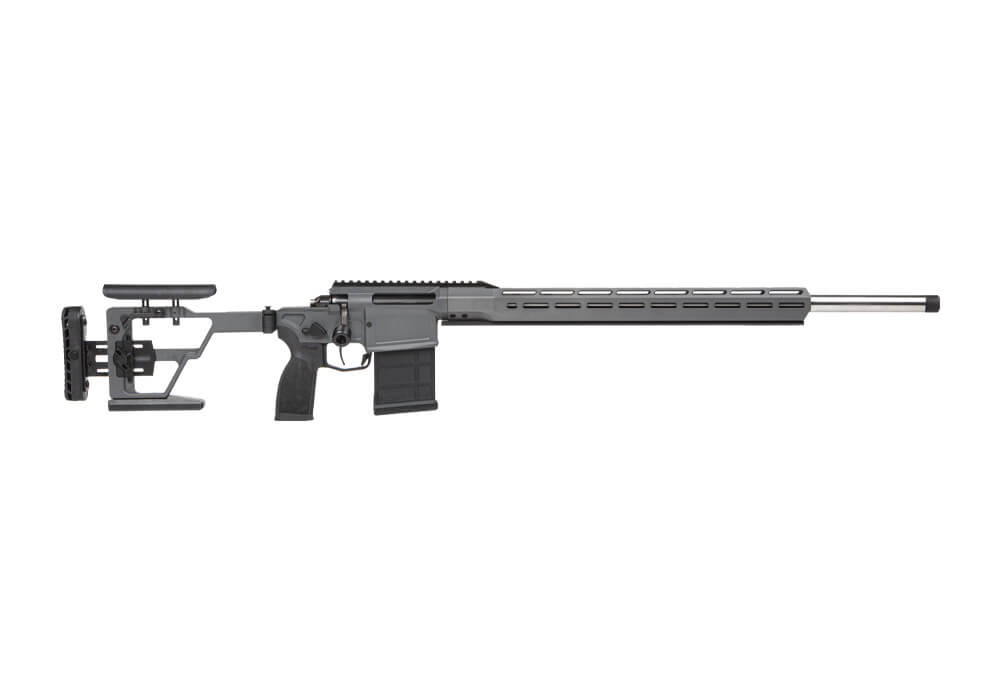
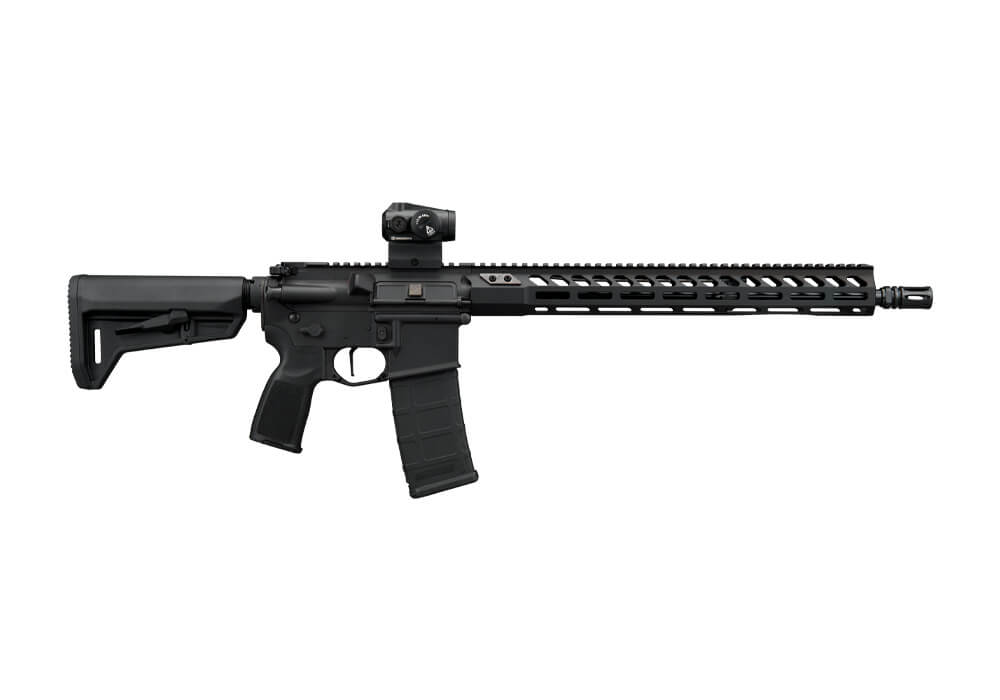
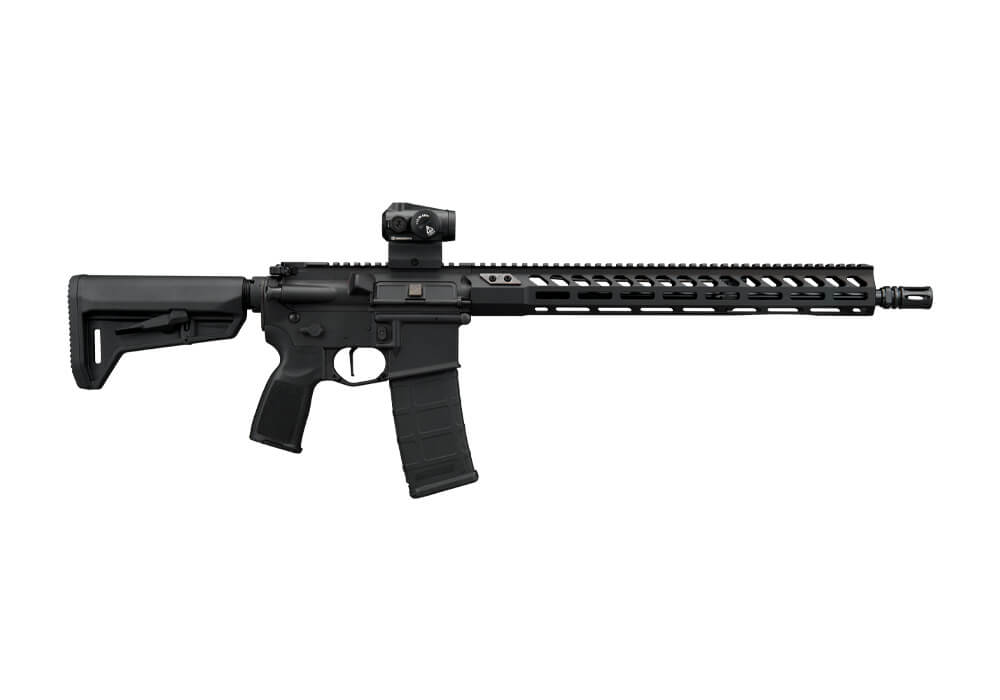
AR15 rifles selected for gun club events are generally chosen for their balance of reliability, manageable recoil, adaptability, and familiarity across a wide range of organized shooting activities. A semi-automatic rifle with a 16-inch barrel is a common starting point for club use, although each range or match may set its own requirements for barrel length, muzzle devices, stock configuration, caliber, and equipment. Rifles chambered in 5.56x45mm NATO or .223 Remington are frequently used for recreational range days, introductory carbine clinics, action matches, and service-rifle-style competitions, while other chamberings may be permitted for specific disciplines. Before purchasing, review the rules for the club and event you plan to attend rather than assuming a typical setup will be accepted. Some clubs limit magazine dimensions or require compliant magazines, while others specify approved ammunition, optic types, or firearm configurations. A practical rifle should also fit the shooter comfortably. Pay attention to overall weight, stock adjustability, grip shape, controls, and the balance between the receiver and barrel. A new participant may value a straightforward configuration that is easy to shoulder and operate, while an experienced competitor may prioritize a free-floating handguard, a match-oriented trigger, or a lighter profile that remains comfortable during a full day on the firing line. The best choice is one that supports safe, repeatable handling from the first sight-in session through the final stage of an event.
Gun club events can vary from measured precision shooting to fast-moving multi-gun courses, and the rifle setup should reflect the type of activity. High-power and service-rifle matches may involve targets at distances from 100 to 600 yards, making a clear sighting system and consistent ammunition especially important. A red-dot sight can be a practical choice for close and intermediate targets, while a red-dot paired with a magnifier or a low-power variable optic can offer additional flexibility when an event combines rapid transitions with longer shots. Three-gun and other action matches may involve movement between shooting positions, target transitions, timed stages, and equipment changes, so a balanced rifle, secure sling, dependable magazines, and accessible magazine pouches can make the day more organized. Introductory and defensive carbine clinics typically emphasize safe handling, loading and unloading procedures, zeroing, sight alignment, and controlled movement under instructor supervision. For any of these events, bring enough magazines for the course of fire and confirm whether the club requires specific magazine limits; many shooters carry several standard-capacity magazines so they can spend more time participating and less time repacking at the bench. Ammunition rules deserve equal attention. Indoor and outdoor facilities may prohibit steel-core, armor-piercing, tracer, or certain green-tip ammunition, and some ranges require ammunition that will not damage backstops or leave excessive debris. Confirm caliber compatibility, bullet construction requirements, and round-count expectations before arriving. A simple range checklist—rifle, unloaded and secured during transport, approved ammunition, magazines, eye and ear protection, chamber indicator if required, sling, optic, tools, and a small cleaning kit—helps prevent an avoidable interruption when the firing line opens.
For shooters comparing options for club events, durability and serviceability are often more valuable than an elaborate configuration. Look for controls that are easy to operate with a consistent shooting grip, a handguard that provides a comfortable support surface, and a stock that can be adjusted without compromising a stable cheek position. A rifle that can be transported securely during the warmer season, used on an outdoor range in changing weather, and handled comfortably during cooler months should be practical as well as capable. New owners should plan time for a supervised familiarization session before entering a match: read the owner’s manual, learn the rifle’s safety controls, verify that the chamber is clear, practice safe loading and unloading with no ammunition present, and confirm the zero at the range using the same optic and ammunition intended for the event. Club rules, state and local laws, transportation requirements, and storage obligations should be checked before purchase and before every trip. Firearms should be stored unloaded and secured from unauthorized access, with ammunition stored in accordance with applicable law and the owner’s safety plan. A rifle can also be a meaningful gift for an eligible adult who already participates in organized shooting, but the recipient’s preferences, club rules, legal requirements, and ability to store the firearm responsibly should be settled before selecting one. For shoppers considering a setup intended primarily for informal target practice, the broader selection of AR 15 Rifles For Range Shooting may also provide useful comparison. Whether the day involves careful groups on distant paper, a structured skills clinic, or the friendly rhythm of an action match, the right rifle is the one that meets the event’s rules, feels natural in the shooter’s hands, and supports safe, consistent participation from the first preparation at home to the final case closed at the range.