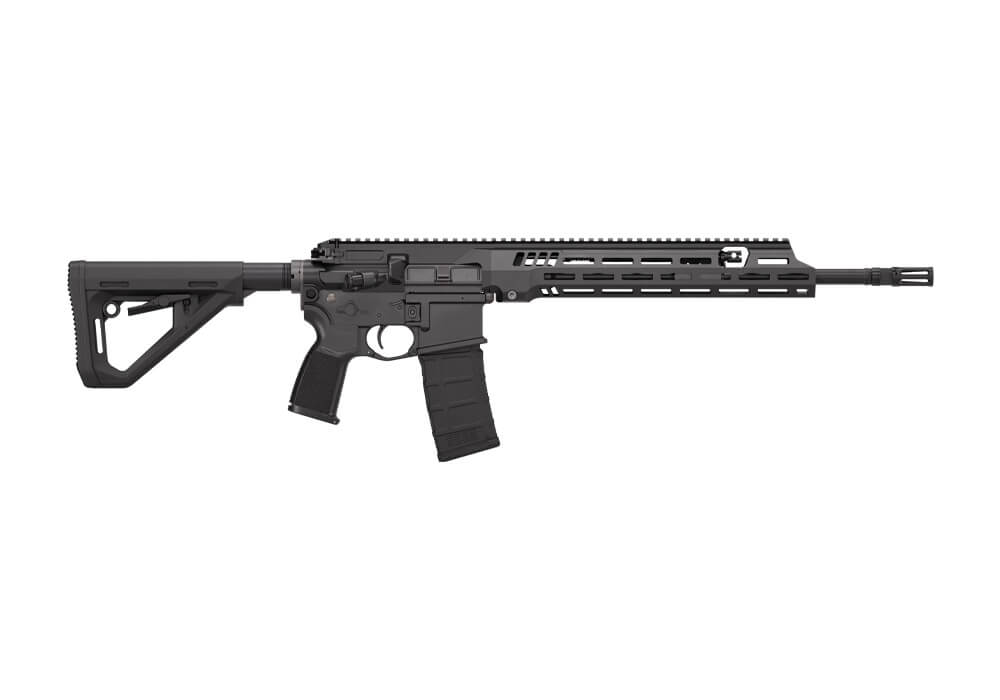
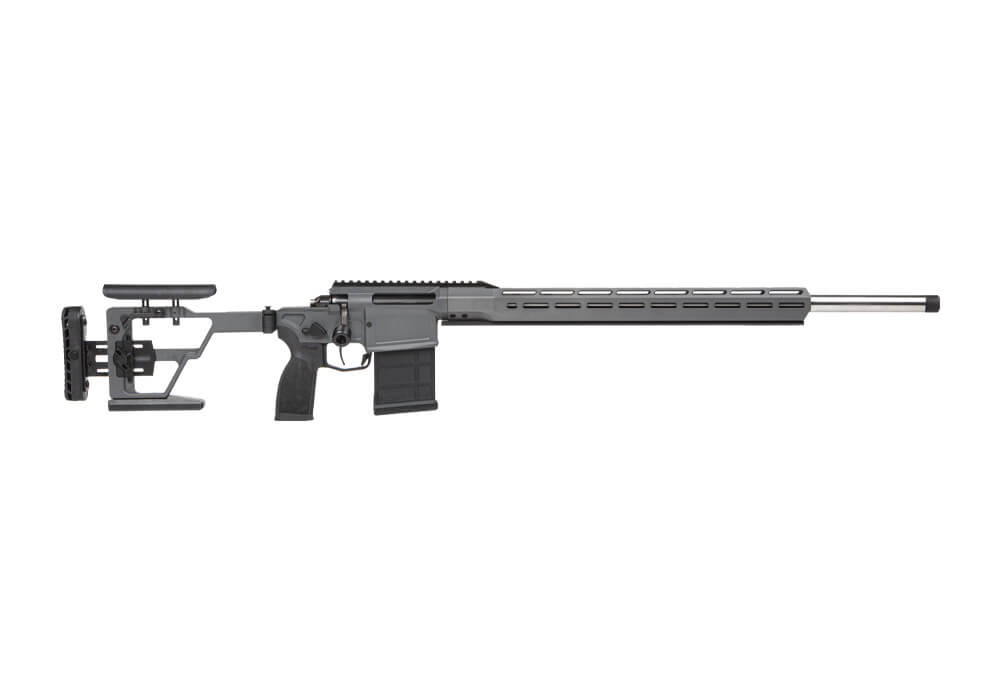
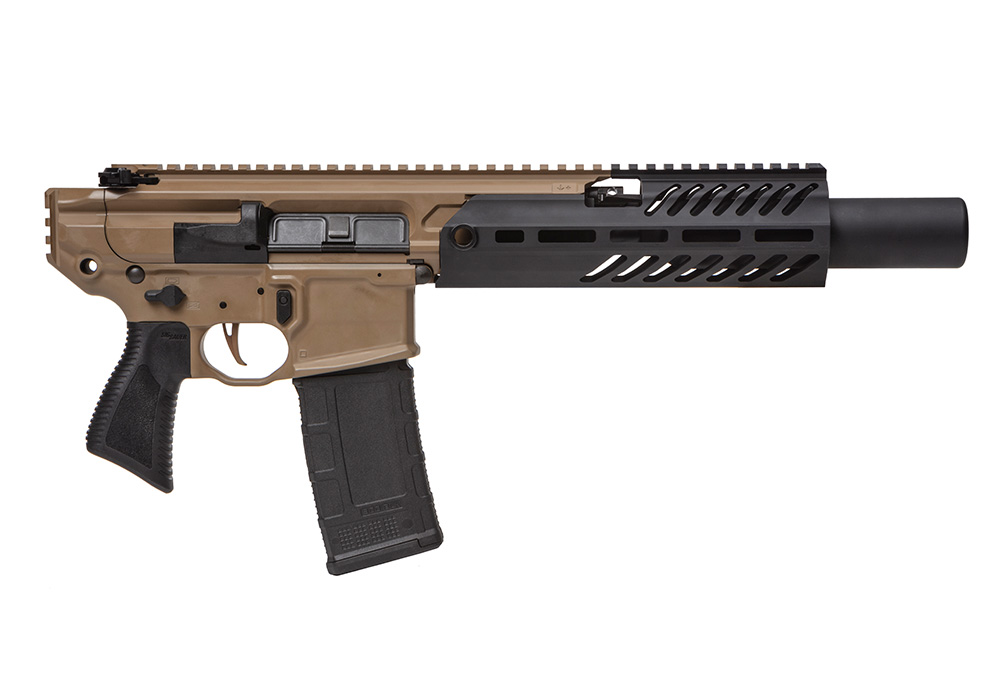
AR15 rifles selected for outdoor shooting events are generally chosen for their balance of accuracy, reliability, handling, and adaptability across changing range conditions. Whether the event involves paper targets, steel plates, timed stages, or a combination of movement and distance, a well-configured rifle can make the experience more comfortable and consistent from the first shot to the last. A 16-inch barrel is a popular all-purpose choice because it offers a practical blend of velocity, maneuverability, and overall balance, while an 18-inch barrel may provide a modest increase in velocity for shooters who spend more time working at extended distances. Rifles chambered in 5.56 NATO are widely used for outdoor range activities, and .223 Wylde chambers are designed to accommodate both .223 Remington and 5.56 NATO ammunition while supporting a precision-oriented setup. Always confirm the chamber markings and follow the rifle manufacturer’s ammunition guidance before heading to the range. For many shooters, the best AR15 rifle is the one that feels natural when shouldered, presents smoothly to the target, and remains comfortable during a long day outdoors. A properly balanced rifle can be especially valuable during the cooler months, when layered clothing and gloves may change the way controls and furniture feel in the hands. Those buying a rifle as a gift for an experienced shooter may want to consider the recipient’s preferred event format, existing accessories, and familiarity with the platform before selecting a configuration.
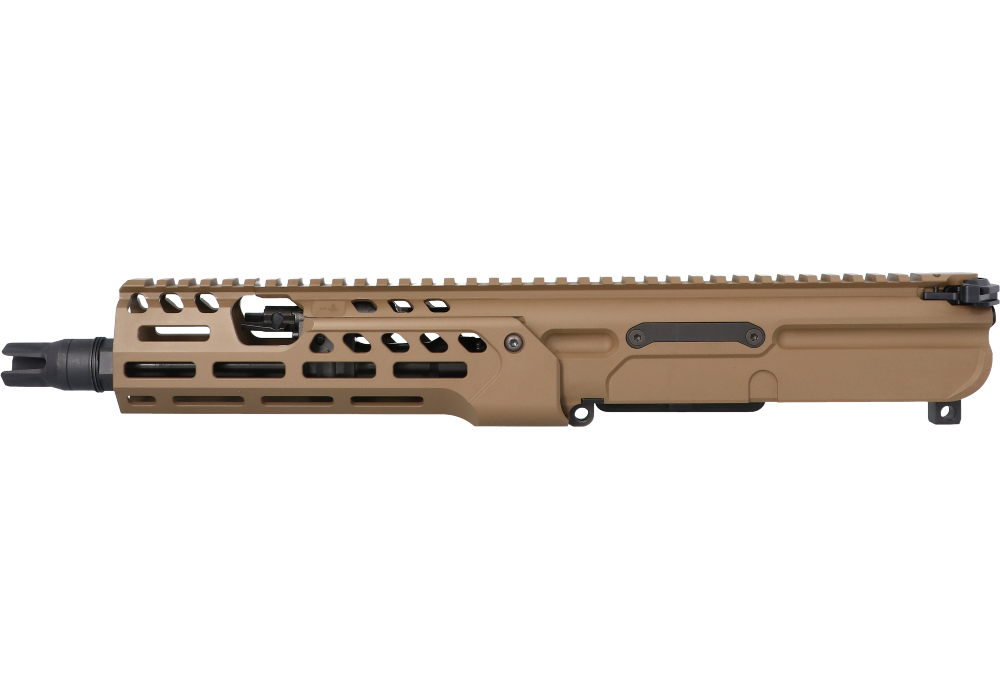
The rifle’s furniture and controls also deserve careful consideration. A free-floating handguard can help reduce unwanted contact with the barrel and provide a stable foundation for a consistent shooting position, while M-LOK-compatible mounting space allows owners to add only the accessories they actually use. Depending on the event and range rules, that space may support a bipod, hand stop, sling attachment, or approved illumination device. A two-stage trigger is another feature often sought by outdoor event participants because its first stage can provide a clear sense of preparation before the final press, helping the shooter maintain a steady rhythm during both deliberate and timed strings. Optics should be selected according to the distances and target sizes expected at the event. A red-dot sight can offer a simple, fast sight picture for close and moderate distances, while a low-power variable optic, commonly available in configurations such as 1-6x or 1-8x, gives the shooter flexibility when the course includes both nearer targets and smaller targets farther downrange. An adjustable stock, ambidextrous controls, and a comfortable grip can further improve fit, particularly when the rifle will be shared among family members or used by a shooter with specific reach or hand-size preferences. Before purchasing, review the rifle’s total weight, barrel profile, gas system, muzzle device, magazine compatibility, and whether it arrives ready for the intended optic. A rifle that looks impressive on a display shelf may feel noticeably different after several hours of standing, walking between bays, and maintaining safe control of the muzzle, so practical handling remains one of the most important factors.
Preparation extends beyond the rifle itself. Outdoor shooting events often involve moving between bays or carrying equipment across uneven ground, making a sturdy range bag, case, or gear cart a useful part of the setup. Multiple reliable magazines can reduce unnecessary interruptions, and a chamber flag or empty chamber indicator helps communicate the rifle’s safe condition when it is not in use. Eye and ear protection should be treated as essential equipment, with lenses suited to bright daylight and changing conditions as the weather warms or clouds move across an open range. Ammunition requirements vary by facility and event, so check the rules before buying in quantity; some outdoor ranges and organized matches restrict steel-core, tracer, or incendiary ammunition because of target damage and fire concerns. Standard .223 Remington or 5.56 NATO loads may be appropriate where permitted, but the range’s instructions always take priority. It is also wise to confirm magazine restrictions, chronograph procedures, target types, transport requirements, and whether a particular event requires a chamber flag or specific firearm configuration. Shooters who enjoy organized competitions may also want to browse AR15 Rifles For Gun Club Events for configurations suited to club-based activities. For a first outdoor event, a straightforward rifle with a dependable optic and familiar controls can be more rewarding than an overly specialized setup. Spend time learning the owner’s manual, checking that accessories are properly installed, and practicing safe loading, unloading, storage, and transport procedures before arriving. With the right combination of rifle, ammunition, optics, protective equipment, and range-ready organization, an outdoor shooting event becomes less about managing equipment and more about enjoying a focused day in the open air.