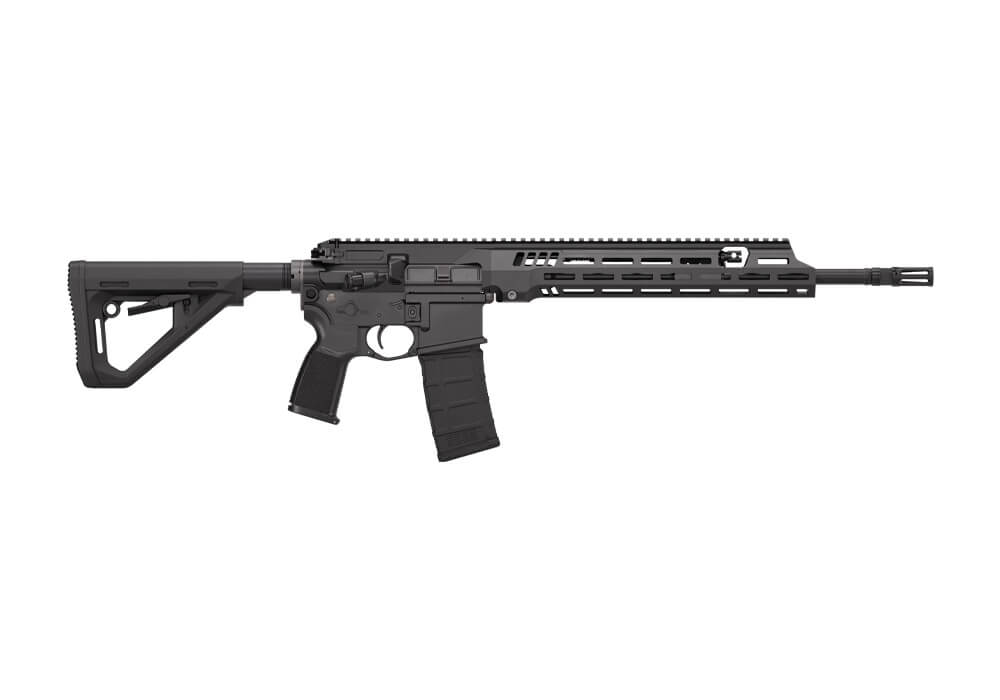
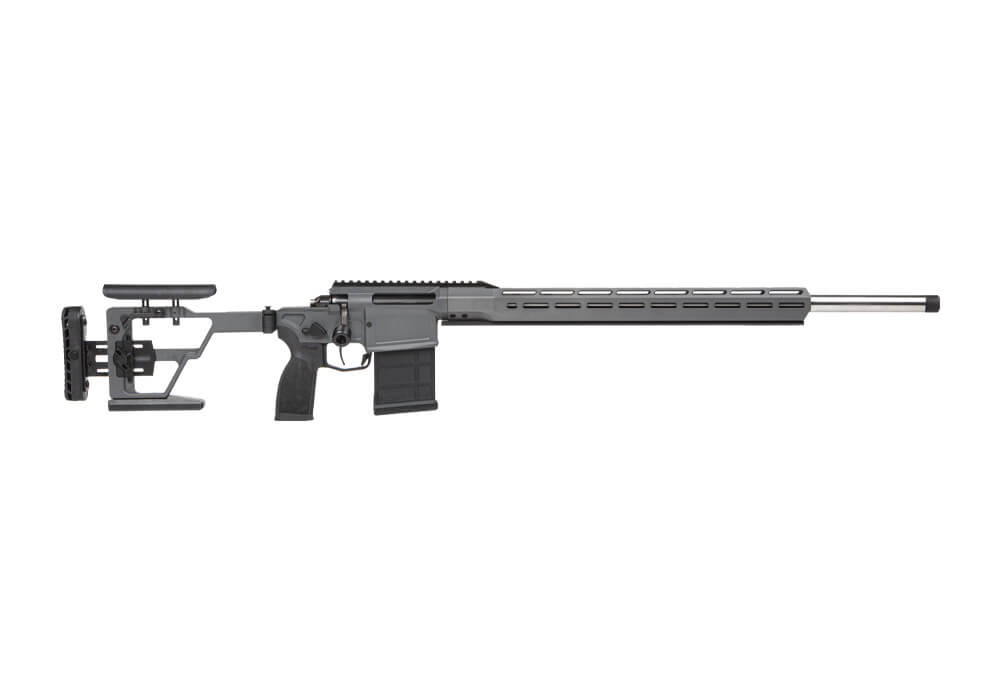
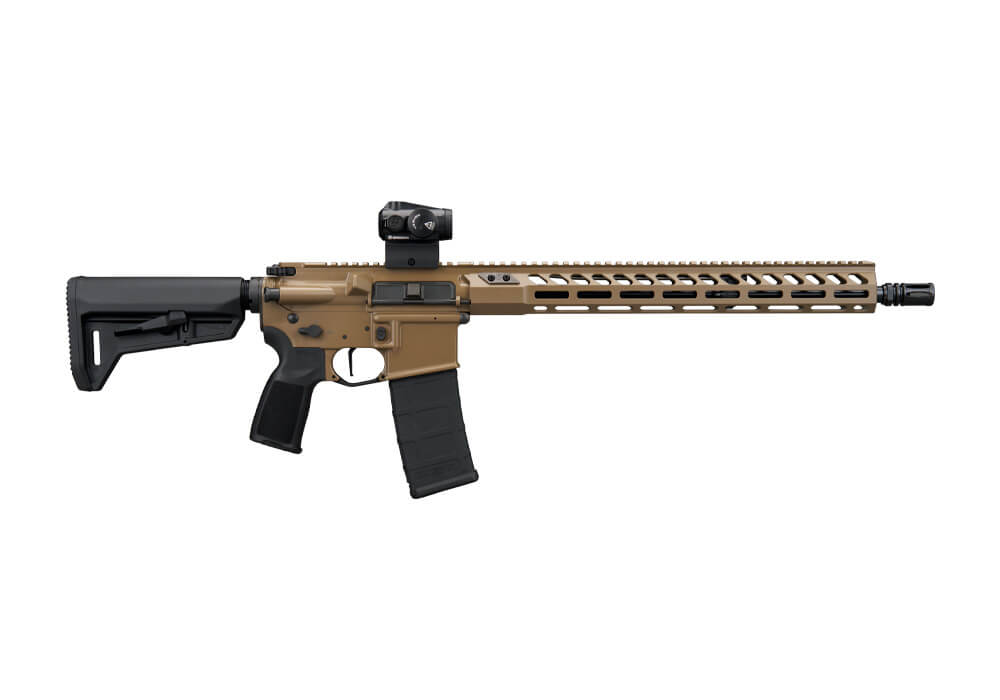
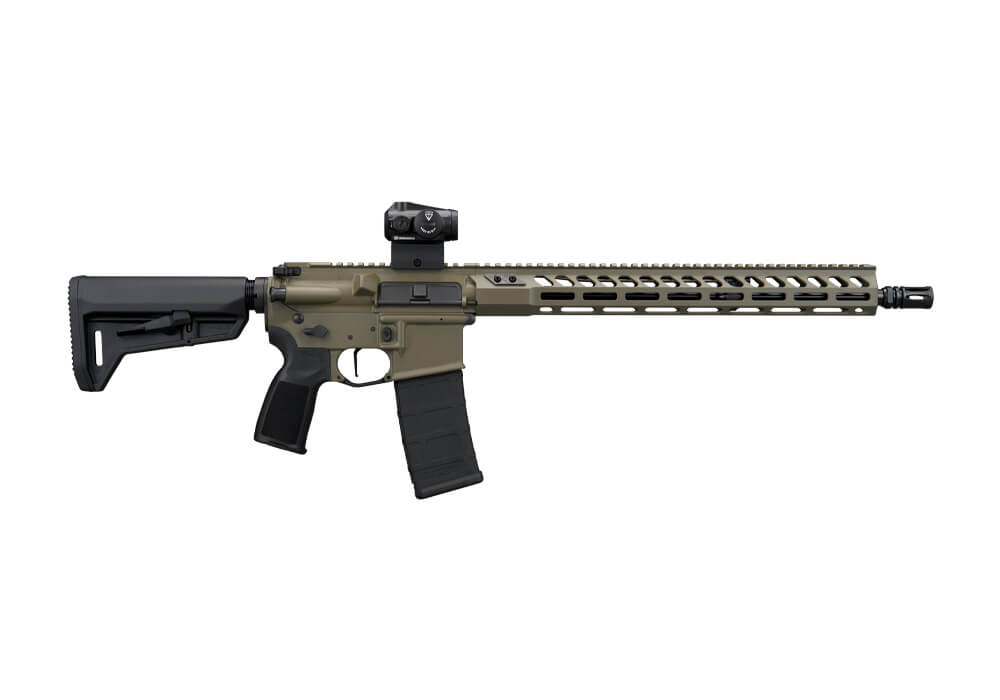
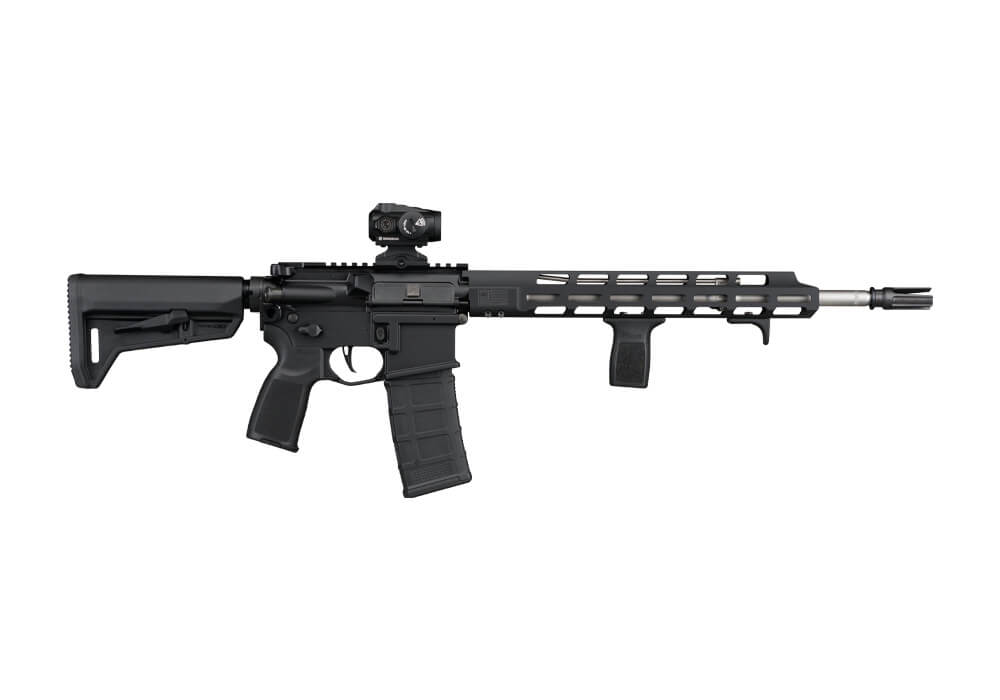
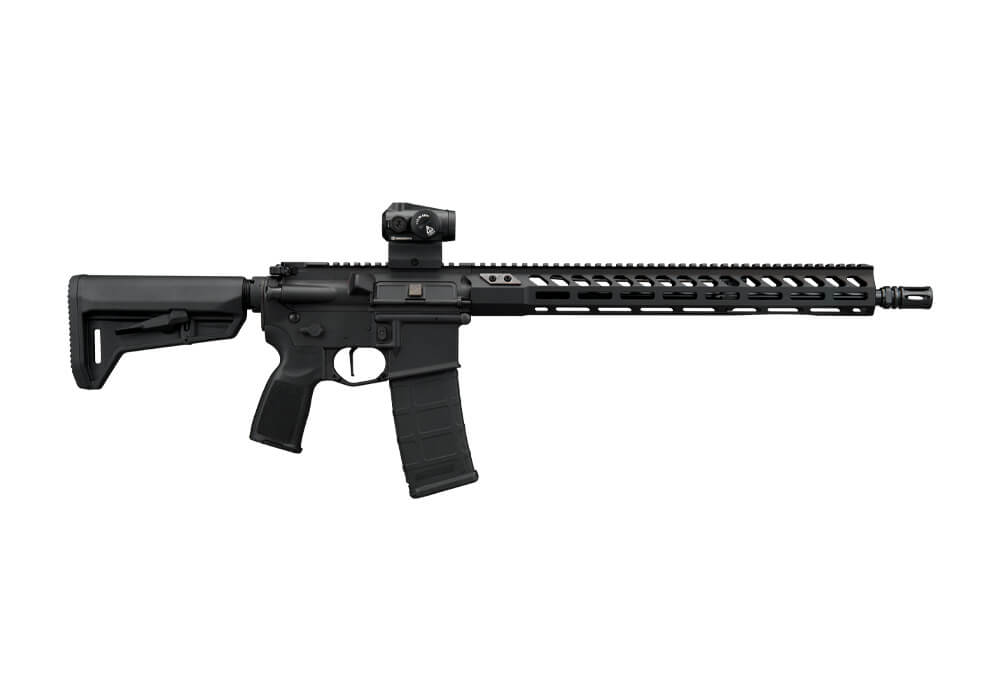
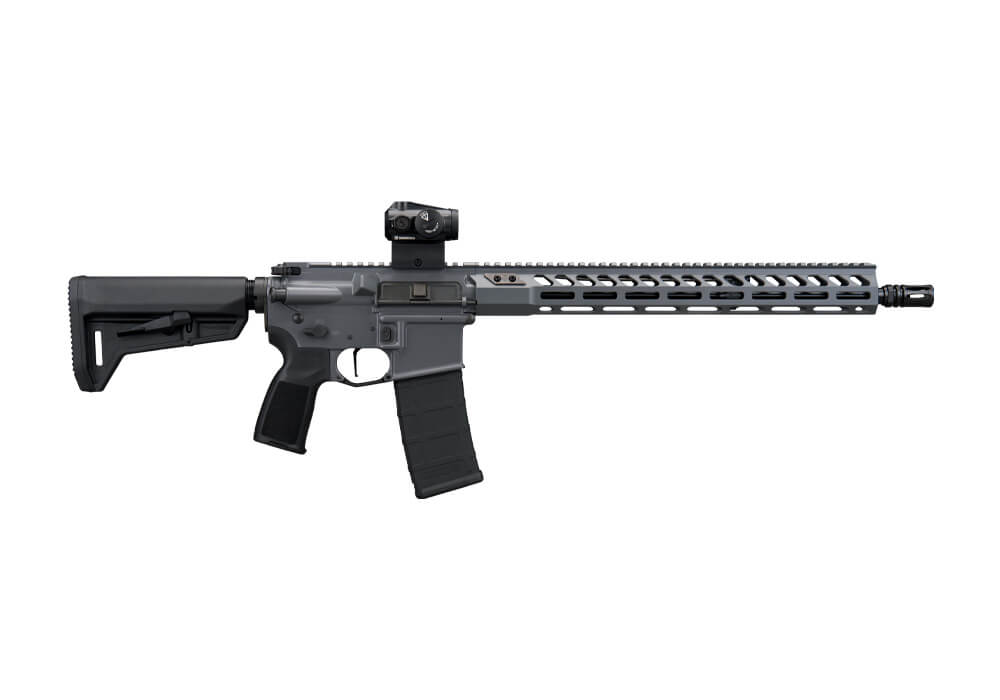
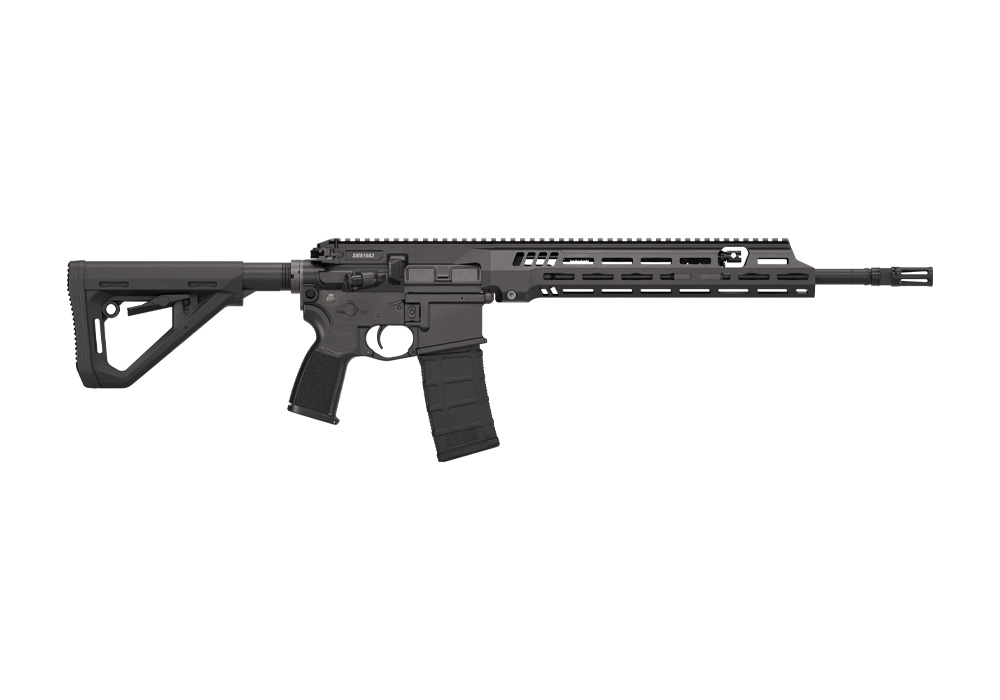
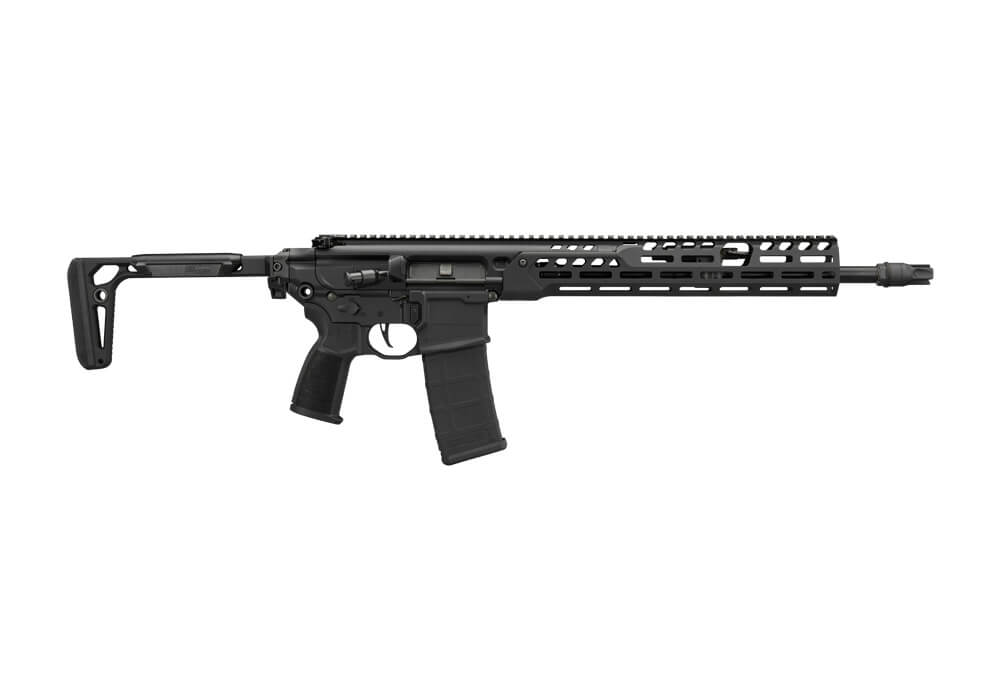
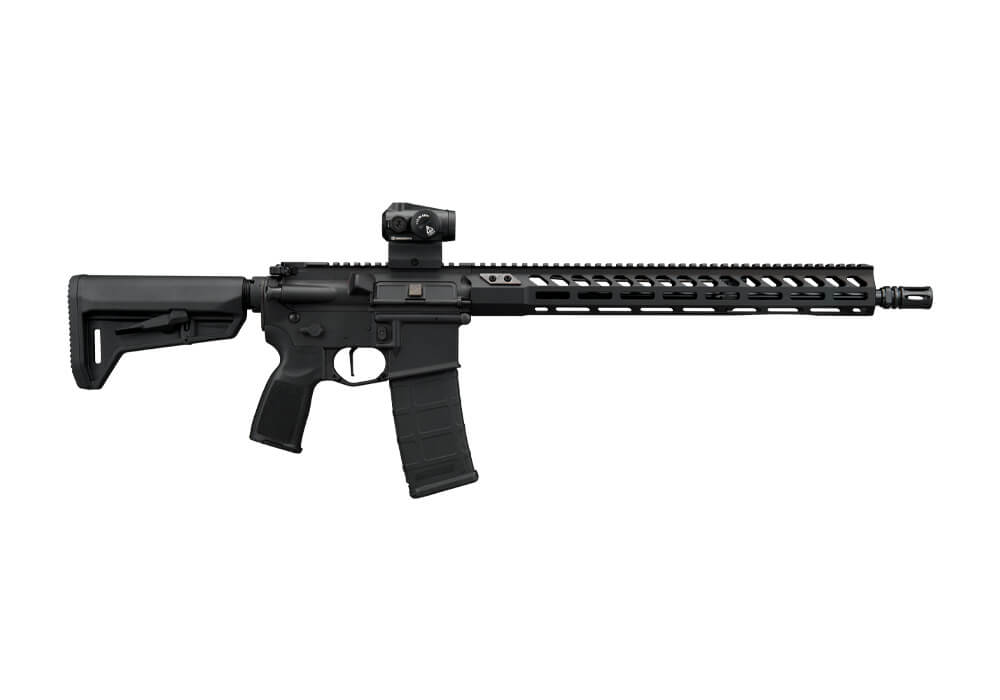
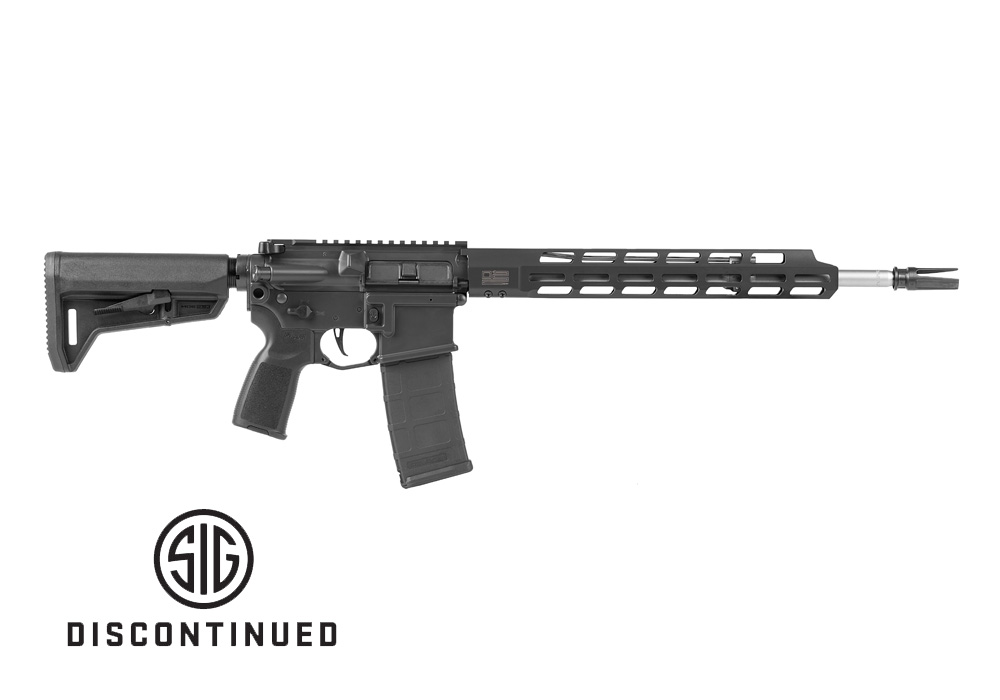
AR-15 rifles selected for range shooting are valued for their adaptable design, familiar controls, broad ammunition availability, and ability to support everything from relaxed paper-target practice to structured drills and longer-distance sessions. For many shooters, a 16-inch rifle chambered in 5.56 NATO/.223 Remington offers a practical balance of handling, sight radius, velocity, and manageable recoil. That combination works well on indoor and outdoor ranges, from close paper targets to steel placed several hundred yards downrange, while keeping ammunition choices relatively easy to find. A 16-inch barrel is long enough to make efficient use of common 5.56 loads without making the rifle unnecessarily cumbersome when moving between benches, setting up a rest, or working through a series of targets. Shorter configurations may appeal to those prioritizing compact handling, while longer barrels can be useful for shooters focused on extracting additional velocity or refining accuracy at extended distances. The best choice depends on the rules of the intended range, local laws, storage plans, and the kind of shooting that will make up most sessions. Before purchasing, review the rifle’s overall configuration, barrel profile, twist rate, handguard design, stock adjustment, controls, and included sights. A free-floating handguard can help maintain consistent point of impact when using a supported position, while an adjustable stock allows different shooters to establish a comfortable cheek weld and trigger reach. Shooters who spend long afternoons on the firing line may also appreciate a balanced rifle that does not feel front-heavy as the day progresses. Whether the goal is casual target practice, organized competition, skills development, or simply becoming more familiar with a modern sporting rifle, choosing a configuration that fits the range and the shooter is more valuable than selecting features that may never be used.
Optic selection has a noticeable effect on how approachable an AR-15 rifle feels at the range. Folding or fixed iron sights offer a durable, uncluttered setup and are useful for learning the fundamentals of sight alignment, trigger control, and follow-through. A red dot sight provides a quick aiming reference for close and medium distances, making it a popular option for shooters who want a simple sight picture during drills or recreational practice. For a more flexible setup, a low-power variable optic in a range such as 1-6x can support rapid target acquisition at lower magnification while offering additional precision when the magnification is increased. Shooters working at longer distances may prefer a mid-range scope with enough magnification to identify smaller targets and observe groups clearly. Mount height, eye relief, reticle design, and the quality of the mounting system all deserve attention; an optic that is technically capable but poorly positioned can make a comfortable shooting position difficult to maintain. Ammunition is another important consideration. Standard 55-grain or 62-grain .223 Remington and 5.56 NATO loads are commonly used for general practice, although the rifle and ammunition should always be matched according to the manufacturer’s specifications. Heavier match-style loads, including 69- or 77-grain options, may help some rifles produce tighter groups at longer distances, but results vary by barrel twist, ammunition construction, weather, and the individual rifle. Keeping notes on ammunition type, group size, distance, and sight adjustments can turn an ordinary range visit into a useful record of what the rifle prefers. Trigger feel matters as well: a consistent, predictable trigger can make it easier to press straight to the rear without disturbing the sight picture. Some shooters prefer a clean single-stage pull for straightforward range work, while others favor a two-stage trigger that provides a defined first stage before the final break. Factory configuration, maintenance requirements, warranty support, and the availability of replacement magazines or compatible accessories should all be weighed alongside the initial purchase price.
Budget is best considered as part of the complete range setup rather than as the rifle alone. A more affordable AR-15 can provide a dependable starting point for casual weekend use, leaving room in the budget for a secure storage solution, eye and ear protection, magazines, a sling, a cleaning kit, a rest or sandbag, and enough ammunition to practice consistently. Mid-range rifles may add refined furniture, improved receiver fit, upgraded controls, enhanced barrel treatments, or more carefully selected triggers and furniture. Premium configurations often focus on materials, finish quality, ambidextrous controls, barrel performance, and durability for frequent use. None of these features replaces safe handling or regular practice, and a shooter who spends time learning the rifle’s controls will generally gain more from the experience than someone who simply adds accessories. New owners should read the manual, verify the chamber is clear when appropriate, keep the muzzle pointed in a safe direction, keep the trigger finger outside the guard until ready to fire, and use only ammunition recommended for the rifle. Eye and hearing protection should be worn on every range visit, even when shooting in an enclosed bay. Secure storage is essential when the rifle is not in use, particularly in homes with children or other unauthorized persons, and local laws and range rules should be checked before purchase and transport. An AR-15 rifle may also be a thoughtful gift for an experienced adult shooter when the recipient’s preferences, legal eligibility, and storage arrangements are known, although firearms should never be given casually or without responsible planning. Shooters primarily researching defensive applications can review AR 15 Rifles For Personal Safety for a different set of considerations. For range use, the most satisfying setup is often the one that feels natural from the first magazine: a comfortable stock, a clear sight picture, predictable controls, reliable magazines, and a configuration that encourages steady practice during warm afternoons or cooler days at the firing line.