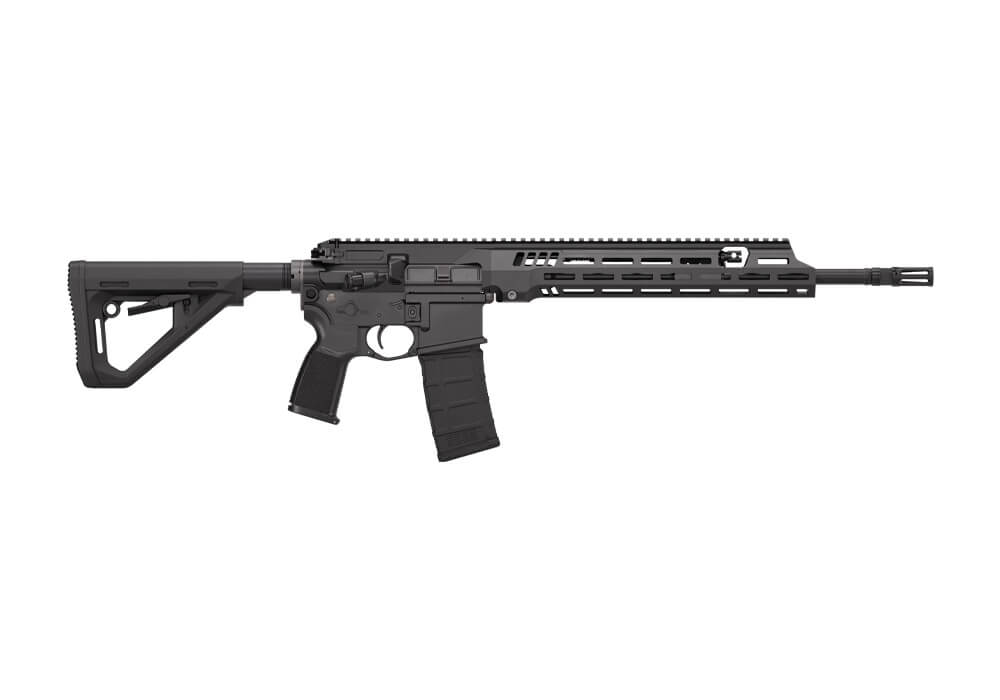
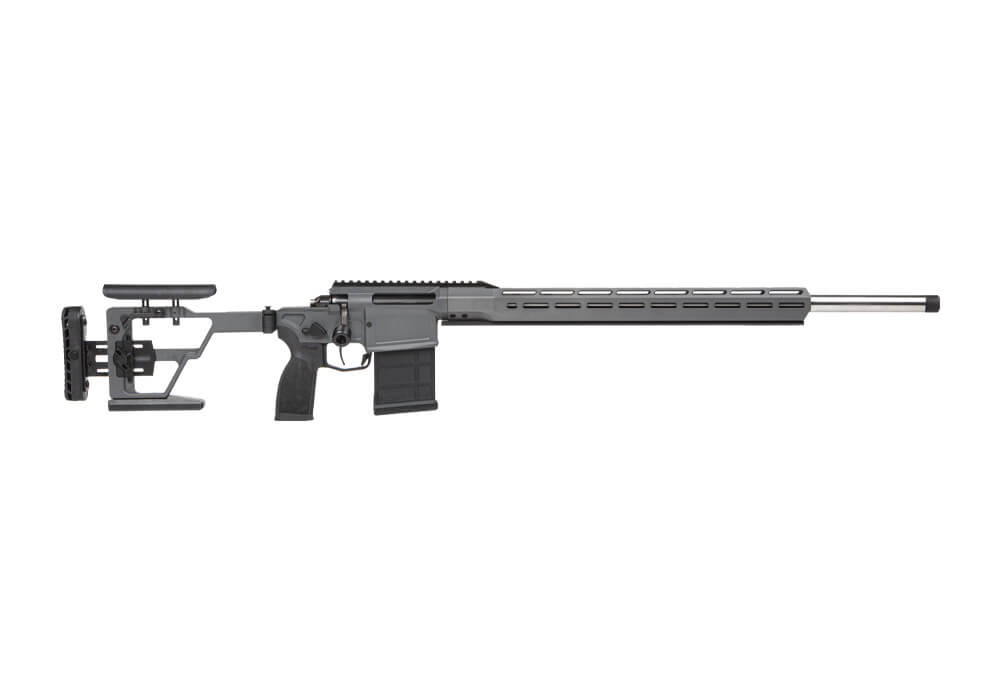
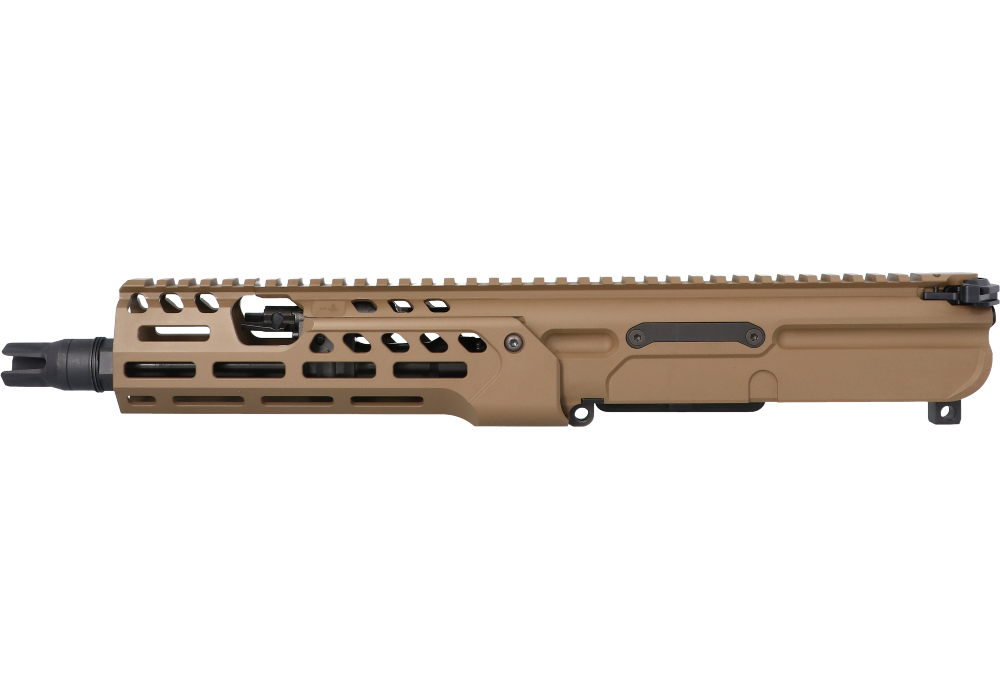
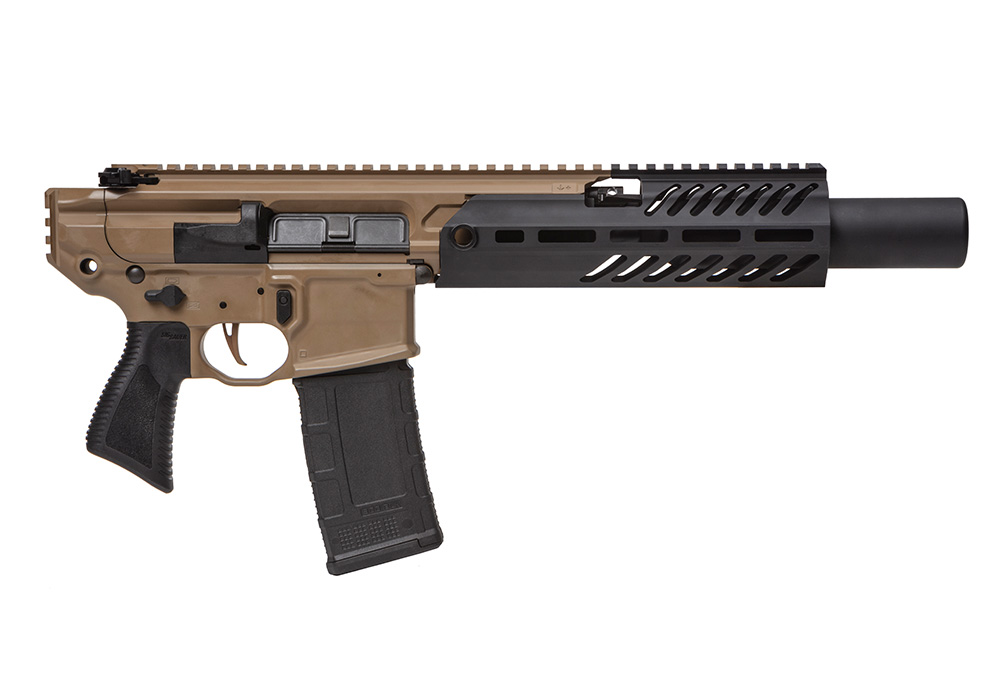
AR15 rifles for experienced shooters are built for buyers who already understand the platform and want a more refined combination of accuracy, durability, handling, and long-term serviceability. Rather than focusing only on a basic configuration, experienced users often compare the details that shape the rifle’s performance over time: barrel construction, gas-system length, trigger design, handguard mounting system, stock adjustment, controls, and overall balance. A free-float handguard can help minimize unwanted pressure on the barrel while providing a consistent platform for compatible accessories, while an M-LOK-style interface keeps the front end streamlined and easier to carry. Barrel length also deserves careful consideration. A shorter barrel may feel quick and manageable in confined spaces or during dynamic competition, while a longer barrel can offer a steadier sight picture and support a precision-oriented setup. Cold hammer-forged barrels with durable internal finishes are valued for hard use and extended service life, while stainless match barrels appeal to shooters who place a premium on precision and carefully selected ammunition. Rifles with mid-length or rifle-length gas systems may provide a smoother shooting experience than shorter systems, depending on the barrel and overall configuration. Proper gas tuning can also be important for shooters who plan to use a compatible suppressor, although every setup should be evaluated for function, reliability, and manufacturer recommendations. These choices are not simply technical specifications on a product page; they influence how the rifle feels when carried across uneven ground, settled into a supported position, or fired through a long practice session as the weather moves from warm afternoons into cooler months.
The trigger is another major point of distinction for experienced shooters. A standard trigger can be dependable and familiar, but a refined single-stage or two-stage trigger may offer a cleaner break and more predictable control when the shooter is working from a supported position or concentrating on groups at distance. A two-stage design typically provides a noticeable initial take-up before the final break, while a single-stage design may feel more immediate. Personal preference, intended use, and training style should guide that decision. Buyers should also evaluate the fit and finish of the upper and lower receivers, the consistency of the controls, the quality of the bolt carrier group, and the relationship between the stock, pistol grip, and handguard. A rifle intended for practical training or duty-oriented use may benefit from rugged components and a straightforward layout that remains easy to operate under stress. A competition-focused rifle may instead prioritize a lighter overall feel, a crisp trigger, a match barrel, and a handguard that supports a stable shooting position. For precision-minded shooters, a heavier barrel profile and rigid free-float design can help manage heat and maintain consistency during extended strings, though added weight becomes noticeable during transport. For general range use, an adaptable configuration with a dependable optic-ready receiver and a versatile mounting system can serve across several disciplines. The right choice depends on the shooter’s experience, body mechanics, storage options, expected round count, and the conditions in which the rifle will be used. Those shopping for a rifle to take to organized matches, practical rifle events, or structured outdoor training can also explore AR15 Rifles For Outdoor Shooting Events for configurations suited to time spent on an outdoor range.
An AR15 rifle may be selected for precision practice, recreational target shooting, competition, training, ranch or property use where lawful, or a carefully planned home-defense role. Experienced shooters often appreciate the platform’s modularity because it can be configured around a preferred optic, sling, stock, grip, muzzle device, and accessory layout rather than forcing every user into the same setup. Optic selection should match the rifle’s purpose: a magnified optic may support careful work at longer distances, while a non-magnified sight or compact variable optic can provide a wider field of view for closer targets and general range use. Buyers should confirm that the rifle, optic, mounts, and ammunition are suited to one another, and should allow time for a qualified inspection, sight-in process, and practice with the finished configuration. Ammunition selection can affect reliability and accuracy, so keeping records of loads that perform well in a particular rifle is a useful habit. Maintenance requirements, warranty support, replacement-part availability, and compatibility with commonly available magazines and accessories are equally practical considerations. An experienced shooter may purchase one of these rifles as a personal upgrade after years of working with an entry-level configuration, or as a thoughtful gift for a family member who already has the required training, understands safe handling, and can legally receive and possess a firearm. Firearms should always be transferred in accordance with applicable federal, state, and local laws, and should be stored unloaded and secured from unauthorized access when not in use. With the right balance of barrel, trigger, gas system, controls, and furniture, an AR15 rifle can become a familiar, dependable tool for deliberate practice and responsible shooting throughout changing seasons.