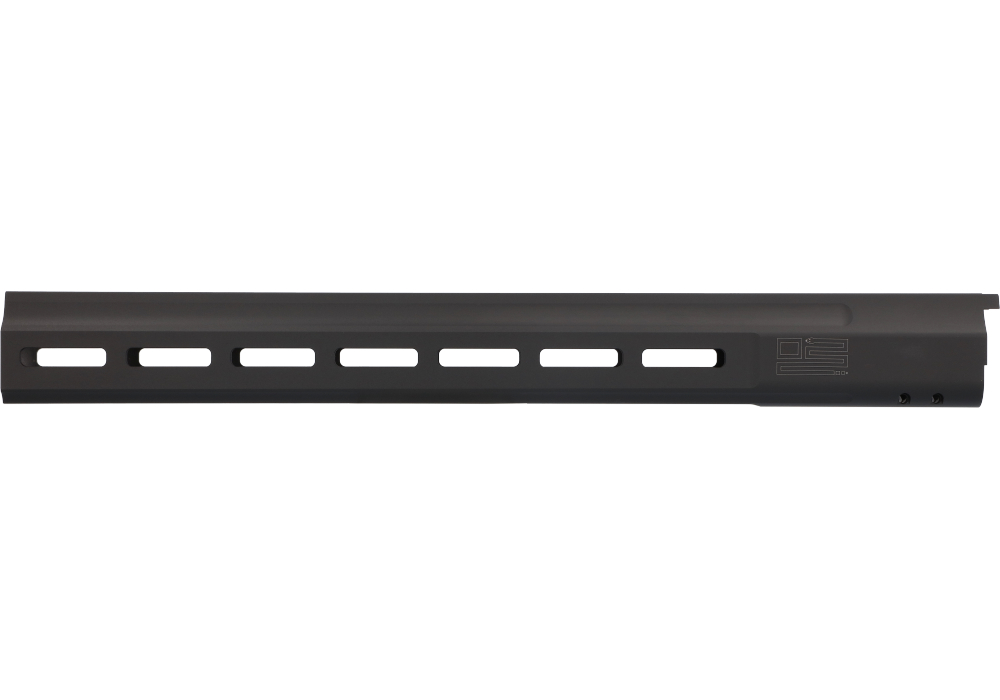
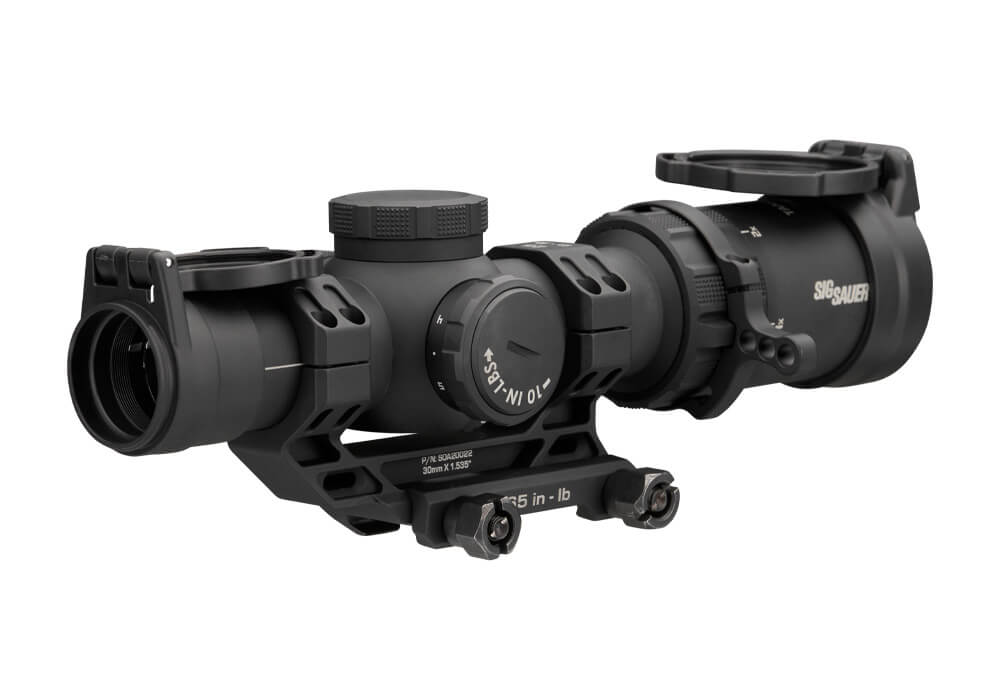
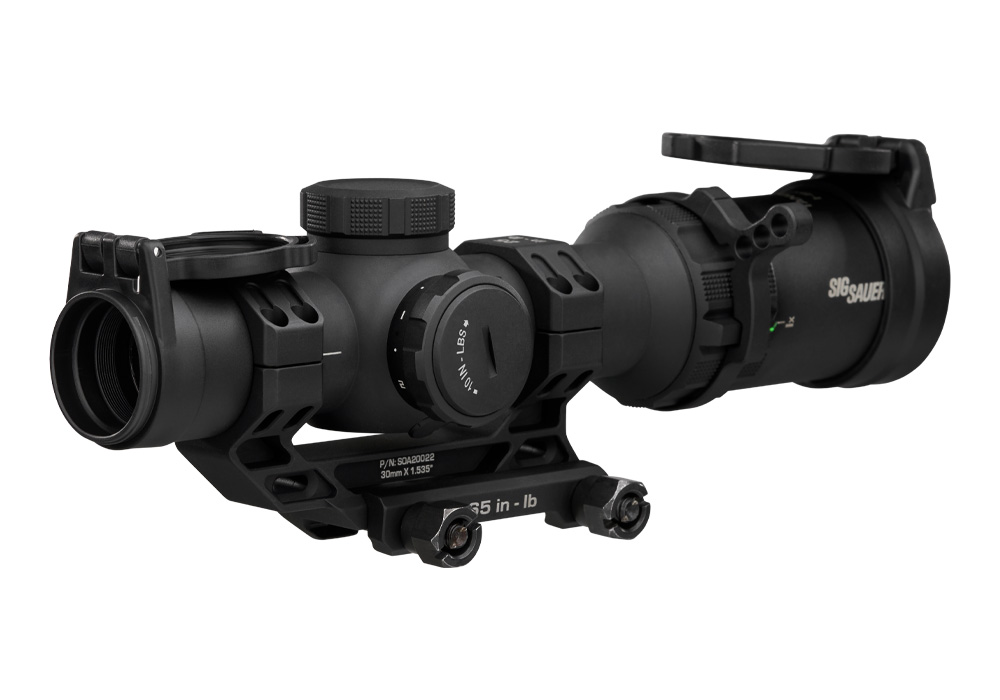
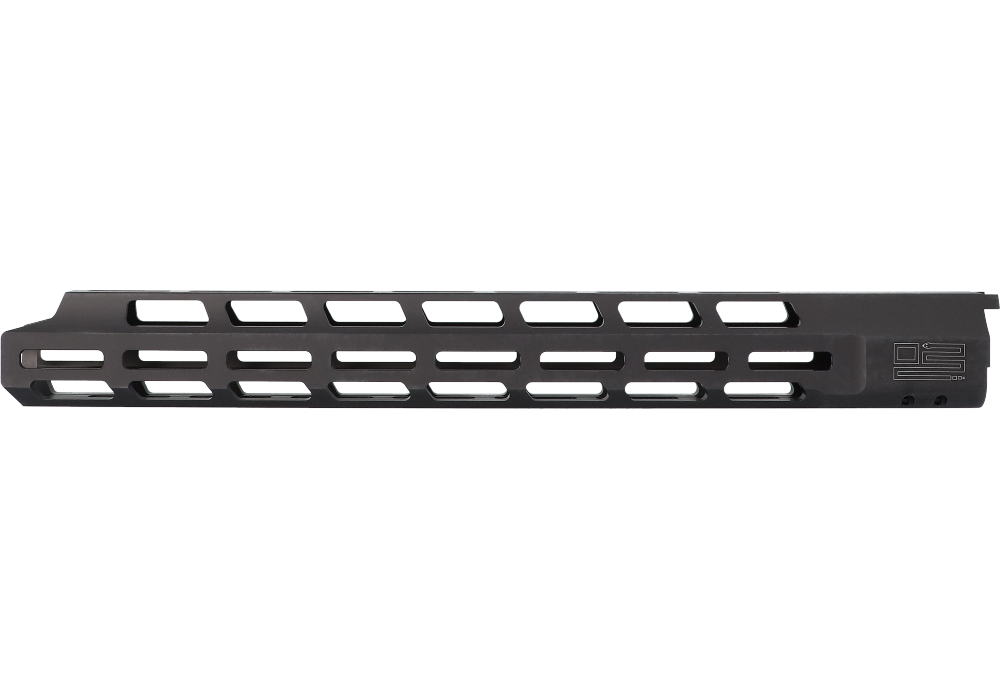
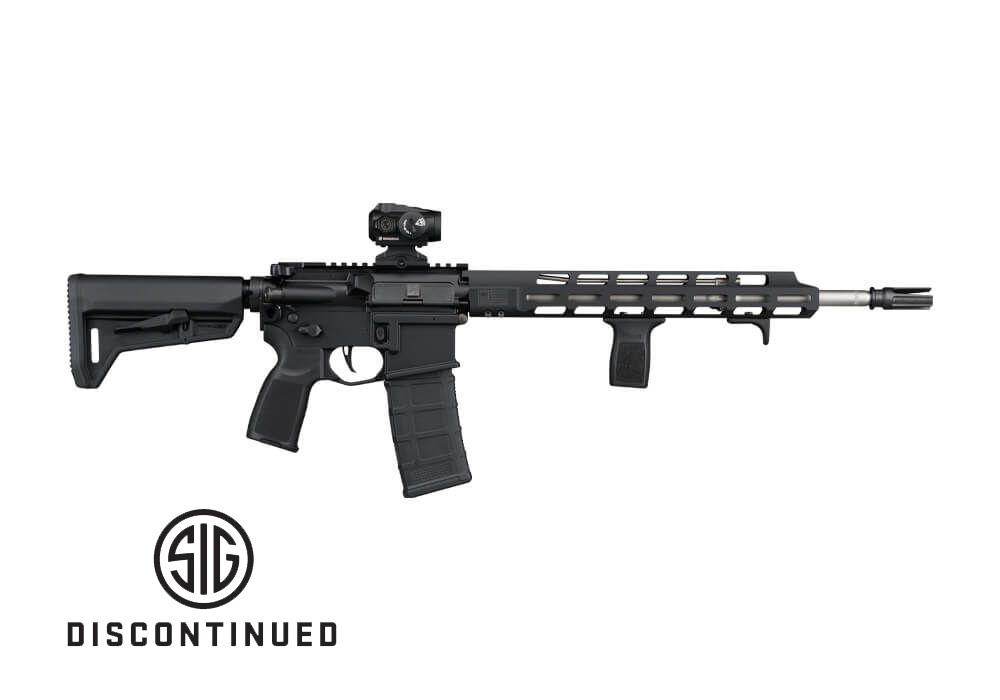
Modern rifle accessories are products that complement a rifle’s fit, carry comfort, sighting setup, protection, and routine care. The category spans sighting accessories, mounting hardware, carrying equipment, shooting supports, storage solutions, and maintenance supplies, with choices suited to recreational target shooting, hunting, and organized range activities. A useful accessory earns its place by addressing a real need, whether that means a more comfortable walk to a hunting stand, better protection during travel, or a less cluttered bench at the range. For many owners, the best setup is not the one with the most attachments. It is the one that feels manageable, works with the equipment they already own, and stays practical through repeated use. Compatibility is the starting point: rifle configuration, attachment interfaces, dimensions, and manufacturer specifications all influence whether an accessory is appropriate. Similar-looking components are not necessarily interchangeable, and a product’s stated fit matters more than its appearance in a photograph. Weight and placement also deserve attention, particularly when a rifle will be carried farther than the distance between a vehicle and a shooting bench. A few ounces can feel insignificant indoors and noticeably different after a long morning outside. Materials, surface texture, adjustment range, and ease of cleaning help distinguish accessories that look alike on a product page. During the cooler months, those details become especially tangible: a carrying strap rests over a heavier jacket, a case meets damp gravel, and gloved hands encounter closures that felt effortless in warm weather. Modern rifle accessories should accommodate those ordinary realities without adding unnecessary complication. Experienced owners often recognize the value of equipment that quietly does its job, while newer owners may appreciate straightforward designs with clear specifications and accessible support. Across both groups, thoughtful selection begins with the intended activity and the rifle itself, rather than the assumption that every available attachment belongs on every setup.
Shopping for rifle accessories is largely an exercise in matching features to the way equipment will actually be used. Sighting accessories differ in viewing characteristics, adjustment options, power requirements, and suitability for varying light and weather conditions. Clear specifications help shoppers compare those differences without assuming that a larger housing, greater magnification, or a longer feature list automatically represents a better fit. Mounting components require equally careful attention to the manufacturer’s compatibility information, including the intended interface and any limitations associated with the rifle or sighting equipment. Installation requirements can vary, and qualified professional assistance is appropriate whenever fit or setup is uncertain. Carrying accessories introduce a different set of considerations: strap width, padding, adjustment range, attachment compatibility, and how comfortably the equipment rests against outerwear. For someone spending most of a range visit at a bench, those details may matter less than convenient organization and protective transport. For a hunter walking uneven ground, comfort and manageable overall weight may shape the entire purchase. Shooting supports likewise vary in weight, portability, surface contact, and suitability for the setting, from established shooting benches to permitted outdoor locations. Shoppers comparing equipment for deliberate target work can also explore Precision Rifle Accessories for related options within that activity. Protective accessories deserve the same attention as equipment used on the firing line. Interior dimensions should accommodate the rifle’s complete configuration, while padding, closure quality, and internal organization influence everyday convenience. A soft-sided option may suit one transportation routine, while a more rigid enclosure may better match another; neither description alone establishes security or compliance with transportation rules. Product details should clarify what protection and locking provisions are actually included. Price is most useful when considered alongside construction, compatibility, warranty terms, and expected frequency of use. An accessory used on every outing has a different value calculation from one reserved for an occasional trip, and durable simplicity can be more worthwhile than features that rarely leave their default settings.
The people shopping for modern rifle accessories are not all building toward the same experience. A recreational shooter may want an orderly range bag and reliable protection for equipment between visits. A hunter may prioritize weather resistance, quiet closures, and carrying comfort over long stretches outdoors. Someone participating in organized target shooting may value consistent fit, clearly documented specifications, and equipment that meets the rules of the activity. Owners who share range time with friends or family often appreciate accessories that keep personal equipment organized and easy to identify without relying on appearance alone. There is a familiar rhythm to a well-planned outing: opening a case on a clean bench, finding protective equipment where it belongs, and packing everything away without searching through loose gear. Accessories that support that rhythm can be just as satisfying as more visible additions to the rifle. Maintenance and storage products contribute to ownership in a different but equally important way, helping support manufacturer-recommended care and protection between outings. Cleaning materials should be appropriate for the surfaces involved, and storage choices should account for moisture, access control, and the presence of children or other unauthorized users. A transport case is not automatically a substitute for secure storage, just as sighting equipment is never a substitute for positively identifying a target and its surroundings. Appropriate eye and hearing protection remain essential for shooting activities. As gifts, rifle accessories are most successful when the recipient’s preferences and equipment are already understood. Fit-dependent components are better selected with exact compatibility information, while suitable protective or organizational accessories may offer more flexibility. Even then, dimensions and intended use matter; a thoughtful gift should solve a familiar inconvenience rather than create another compatibility problem. Across the cooler months, when outings may involve heavier clothing, shorter daylight hours, and more time packing around changing weather, practical details tend to stand out. The strongest purchases remain useful beyond a single season: compatible equipment, comfortable carry solutions, dependable protection, and care products suited to the owner’s routine. Together, these choices support responsible rifle ownership without turning a straightforward setup into an unnecessary collection of attachments.