Precision rifle accessories are selected to help a rifle feel steadier, more controllable, and easier to manage when small changes in position can affect the point of impact. Shooters preparing for long-range target practice, precision rifle competition, varmint control, or carefully planned hunting applications often build their equipment around the conditions they expect to encounter. A bipod is one of the most recognizable additions, providing adjustable support from a bench, firing line, hillside, or uneven ground. Look for a design with a stable footprint, secure attachment, useful leg adjustment, and controls that are easy to operate without disturbing the rifle. A rear shooting bag can complement a bipod by supporting the stock and helping the shooter make fine elevation changes with gentle pressure. Different fills, shapes, and levels of firmness suit different positions, so the right bag should match the rifle’s stock or chassis and the kind of terrain where it will be used. A chassis upgrade or modular stock can add adjustability at the cheek rest, buttpad, grip, and forend while also providing mounting points for rails, barriers, and other equipment. These changes are especially useful for shooters who spend long sessions behind one rifle and want the fit to remain comfortable and repeatable. The best setup is not necessarily the most elaborate one; it is the one that supports a consistent position, keeps controls accessible, and works naturally with the shooter’s hands, optic, ammunition, and intended range.
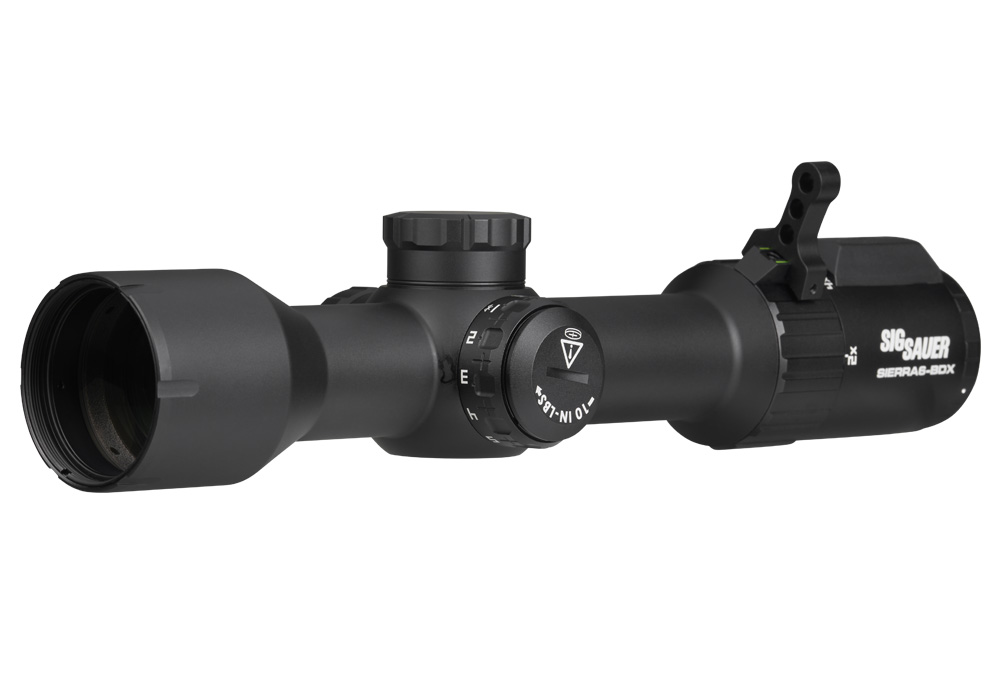
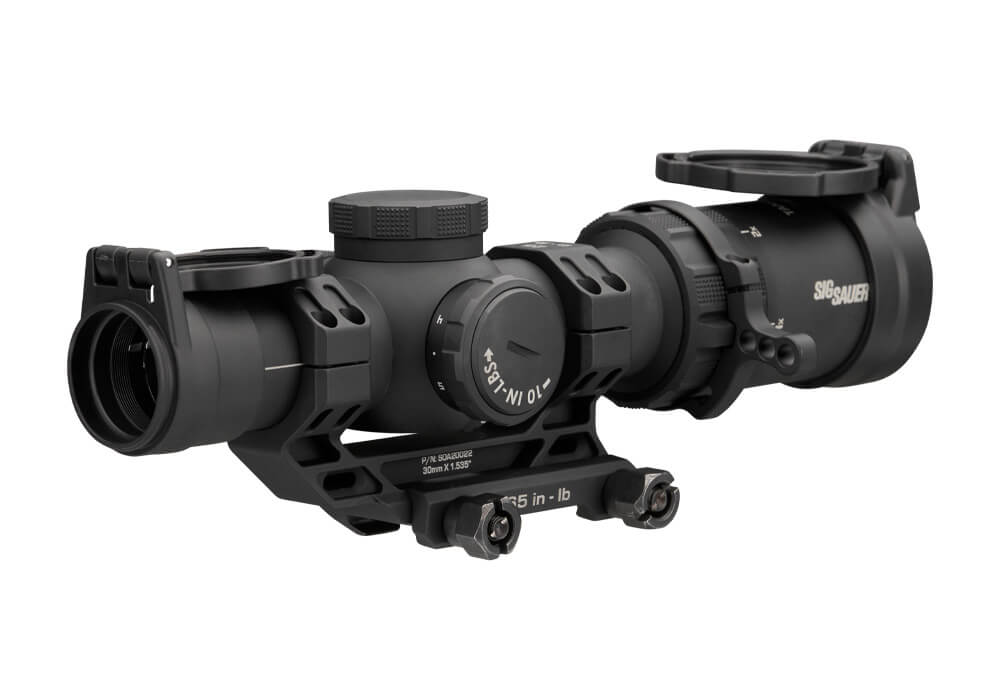
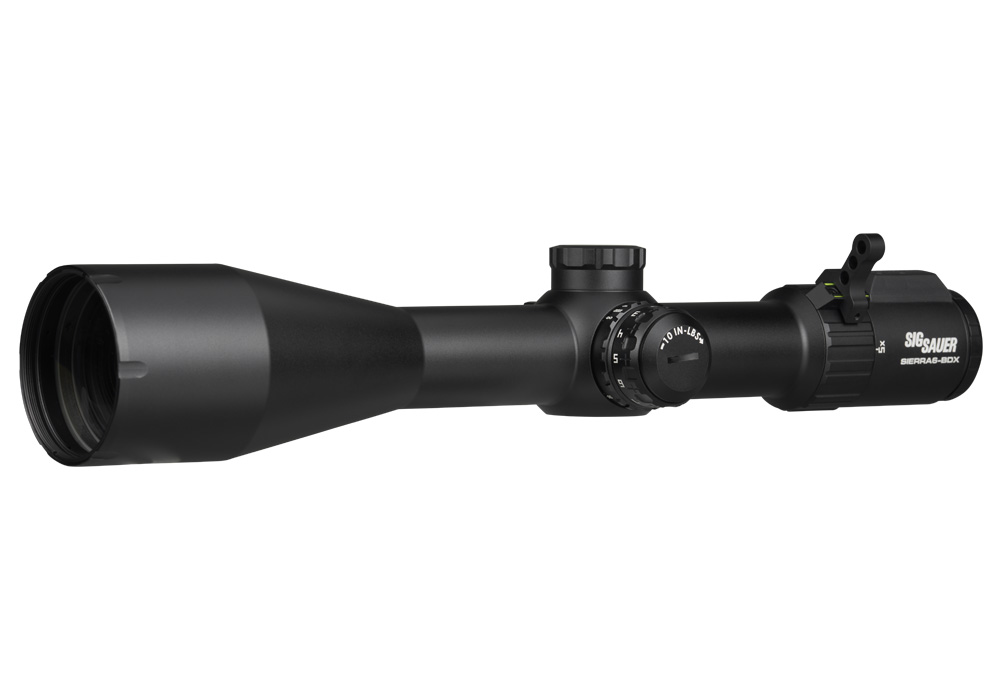
A precision rifle’s optic and mounting system deserve equal attention. Scope rails and mounts must be properly matched to the rifle and optic, installed according to the manufacturer’s specifications, and checked for secure fit before use. A sturdy mount helps preserve alignment and can make it easier to establish a comfortable eye position behind a larger scope. Shooters comparing magnified optics commonly consider magnification range, reticle design, adjustment style, first- or second-focal-plane operation, parallax adjustment, eye relief, low-light performance, and the size and placement of the turrets. Clear glass is important, but so are controls that can be identified by feel when the shooter’s attention is on the target. For additional selection, the Rifle Optics Accessories collection can help shoppers compare complementary equipment for a precision-focused setup. A DOPE holder or data card mount keeps confirmed elevation and wind information visible without requiring a phone or loose note to be handled during a shooting session. A parallax wheel can make small adjustments more deliberate, while a level can help reduce cant and support consistent alignment. Muzzle brakes and other muzzle devices may help manage recoil and muzzle movement, though their fit, sound, blast, and compatibility should be considered carefully, particularly when shooting near other people or using hearing protection. An upgraded trigger may offer a cleaner, more predictable break, but any trigger work should be performed by a qualified professional and verified for safe function. An enlarged bolt knob can provide a more positive grip when cycling the action, especially while wearing gloves during cooler months. Each accessory has a role, yet the most useful combination depends on the rifle model, action pattern, stock or chassis, optic tube size, mounting interface, and the shooting discipline.
Choosing precision rifle accessories is easier when the purchase starts with the rifle and the shooter rather than with a long list of features. Confirm dimensions, attachment standards, clearance, weight, and compatibility before ordering, and consider whether an accessory will stay on the rifle or be removed for transport. A competition shooter may prioritize quick adjustments, repeatable support, and durable components that withstand frequent setup and teardown. A long-range target shooter may value a comfortable stock fit, clear data organization, and an optic with precise, tactile adjustments. A hunter may prefer a lighter arrangement that balances well in the field and remains practical when moving across brush, rocky ground, or changing elevations. Accessories can also make thoughtful gifts for an experienced shooter: a quality support bag, data card holder, scope level, replacement mounting hardware, or a useful range pouch can be practical without requiring the recipient to change the rifle’s core configuration. For a more substantial gift, a carefully chosen bipod, mounting system, or adjustable stock component can help personalize a familiar rifle, provided the recipient’s model and interface are known. During the cooler months, gloves and layered clothing can change how controls feel, making accessible adjustment levers and positive gripping surfaces especially valuable. Before any outing, inspect fasteners, confirm that accessories are secure, verify the rifle is unloaded when handling or installing equipment, and follow all applicable laws, range rules, and manufacturer instructions. With the right combination of stability, adjustment, recoil management, and clear data access, precision rifle accessories can turn a familiar rifle into a more comfortable and consistent tool for deliberate shooting.