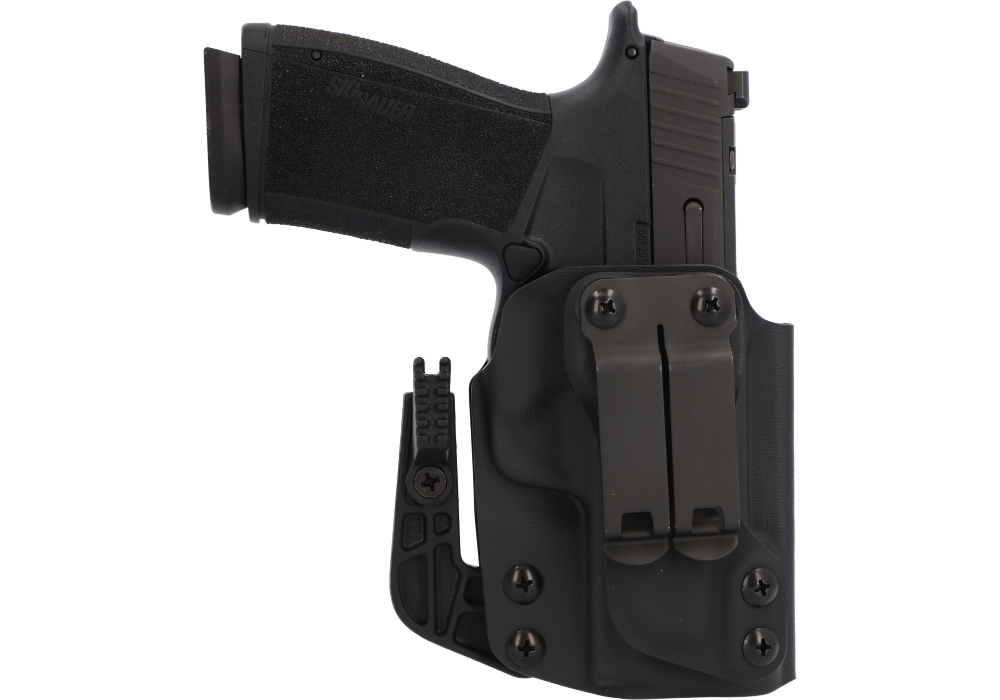
Tactical shooting gear brings together the equipment that helps organize, carry, protect, and maintain firearms and related essentials during range sessions, professional duties, training exercises, and responsible preparedness. Rather than being limited to one type of setup, tactical gear can be tailored around a person’s firearm, skill level, clothing, environment, and intended use. A practical starting point may include a secure holster, a supportive belt, magazine pouches, a range bag, protective eyewear, hearing protection, and durable gloves. Those building a more complete configuration may also consider a chest rig or plate carrier, medical supplies, utility pouches, a compact pack, and a maintenance multi-tool. Each component serves a distinct purpose: a holster helps keep a handgun positioned consistently, a belt distributes the weight of attached equipment, and pouches keep magazines, tools, lights, and other essentials accessible without allowing them to shift loose. Magazine carriers should match the dimensions and style of the magazines being used, including standard or extended capacity options, while rifle and pistol configurations may require different attachment methods. Modular webbing allows many load-bearing products to be arranged around a user’s preferences, but a streamlined setup is often easier to move in and less tiring during a long practice session. For additional equipment that supports a configurable setup, explore Tactical Gun Accessories. The best tactical shooting gear is not necessarily the largest collection of equipment; it is a dependable arrangement that places necessary items where they can be reached naturally and keeps unnecessary weight out of the way.
Choosing tactical shooting gear starts with the activity and the environment. A recreational shooter spending an afternoon at an indoor range may value a compact bag, padded firearm storage, spare magazine organization, and easy-to-clean clothing, while someone practicing outdoors may need weather-resistant materials, adjustable layers, gloves with a secure grip, and a pack with room for water, eye and ear protection, targets, and basic tools. Professional users often prioritize rugged construction, repeatable placement, and compatibility with existing duty or field equipment. For home preparedness, a low-profile belt, secure storage solutions, a handheld light, medical supplies, and clothing that permits unrestricted movement may be more useful than a heavily loaded carrier. Tactical pants and performance shirts can provide practical pockets, durable fabric, and freedom of movement without feeling cumbersome during training. Gloves can help protect hands from abrasion, cold surfaces, and hot equipment, though they should still allow the wearer to operate controls safely and maintain a firm grip. Eye protection should provide clear vision and a comfortable seal or fit, while hearing protection should be selected with the shooting environment in mind. A first-aid pouch or individual medical kit deserves careful consideration as part of any range or field bag, and users should seek appropriate medical training rather than relying on equipment alone. Bags and packs are especially useful when gear needs to travel between the vehicle, storage area, and firing line. Separate compartments can keep unloaded firearms, ammunition, tools, and personal items organized, reducing the time spent searching through loose equipment. During the cooler months, layered clothing and gloves should be tested with the selected holster, belt, and controls before heading outdoors, since extra fabric can affect access, fit, and movement.
Tactical shooting gear can also make a thoughtful gift for a new range visitor, a seasoned training partner, a professional who needs durable equipment, or anyone who enjoys keeping their shooting supplies orderly and ready for use. Gift choices are easiest when they focus on broadly useful items rather than highly specialized components. A sturdy range bag, protective eyewear, electronic or passive hearing protection, a quality cleaning tool, a compact flashlight, storage pouches, or a pair of durable shooting gloves can complement many existing setups. More specialized gifts, such as holsters, magazine carriers, belts, and chest rigs, should be chosen only after confirming the recipient’s firearm model, hand preference, mounting system, and preferred configuration. Fit matters as much as construction: a belt should support its intended load without excessive flex, a holster should retain the firearm securely and allow a consistent draw under proper training, and a carrier should adjust comfortably without restricting breathing or movement. Maintenance tools are useful for routine inspection and cleaning, particularly when they include bits or fittings suited to common firearm components, but every firearm should be unloaded and handled according to its owner’s manual before maintenance begins. Storage and transport practices remain essential regardless of the gear selected. Firearms should be secured from unauthorized access, ammunition should be stored responsibly, and equipment should be inspected for wear, loose fasteners, damaged stitching, or degraded materials. After each outing, wiping away dust and moisture, checking attachment points, and returning every item to a designated place can make the next session calmer and more efficient. Whether assembled gradually or purchased as a coordinated setup, tactical shooting gear should support safe handling, disciplined training, and confident organization across changing conditions and cooler outdoor days.