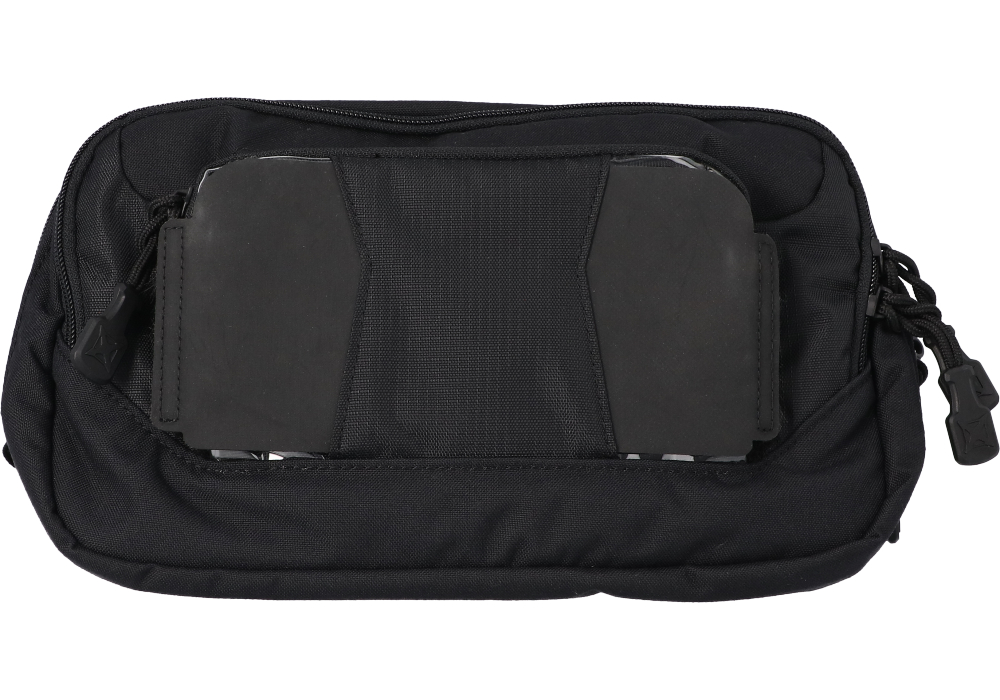
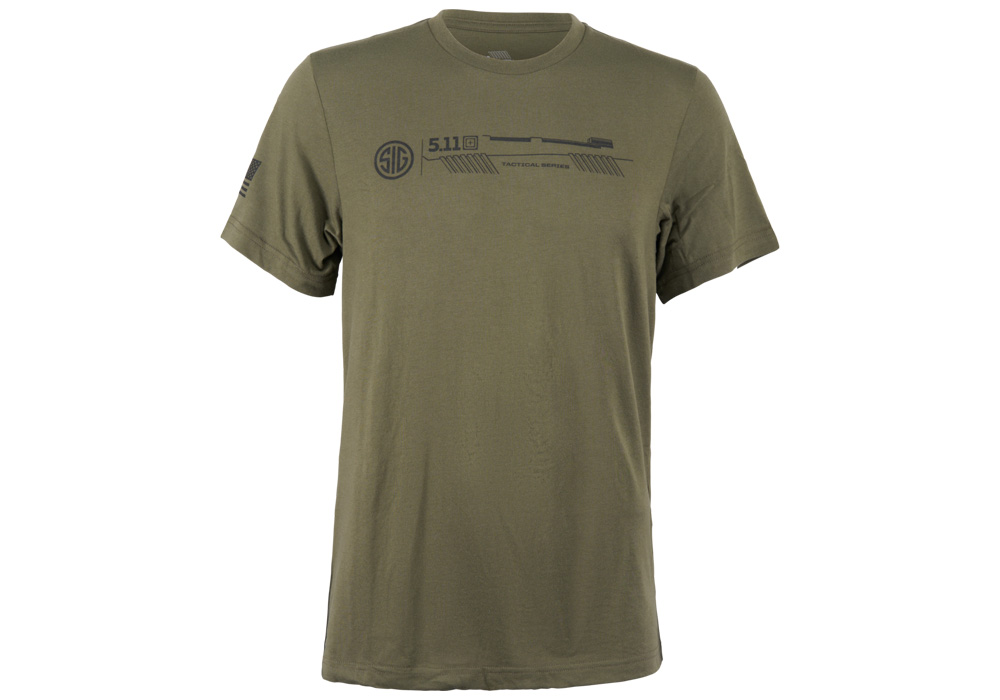
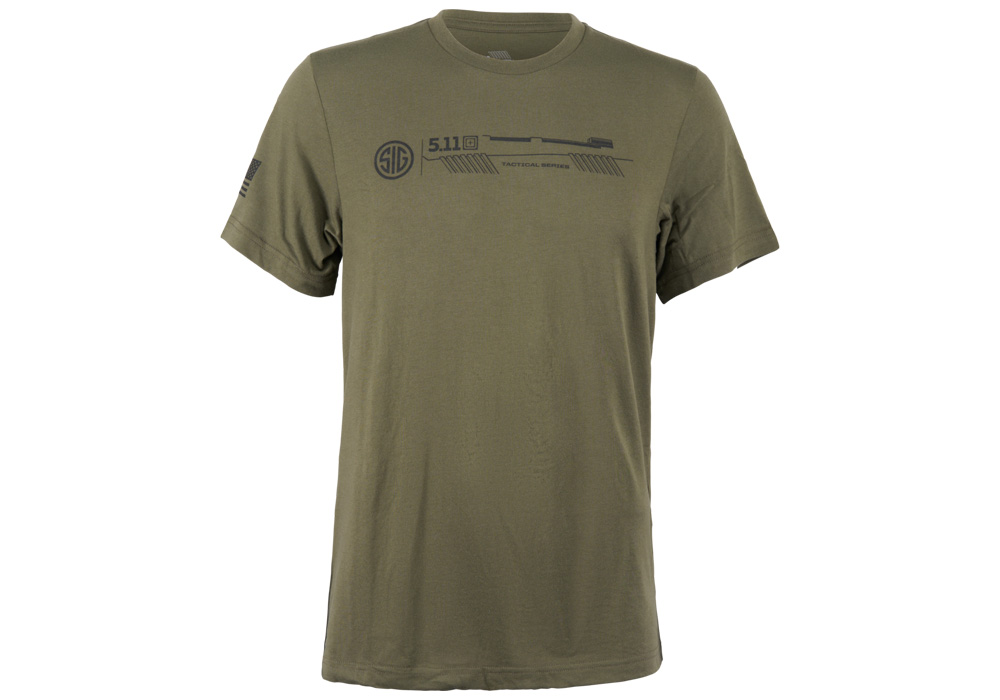
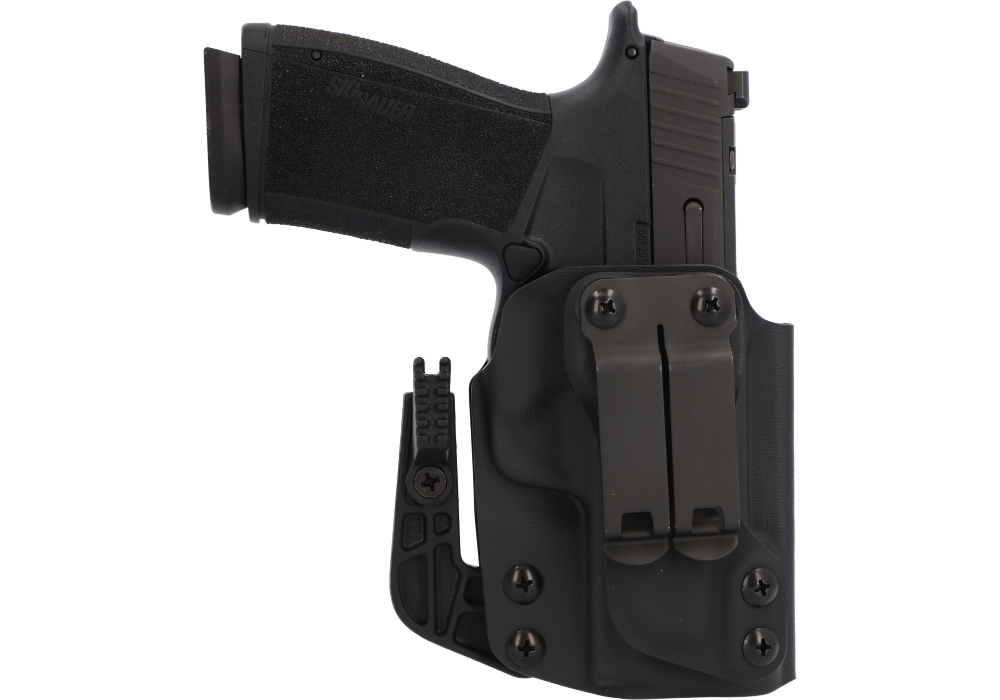
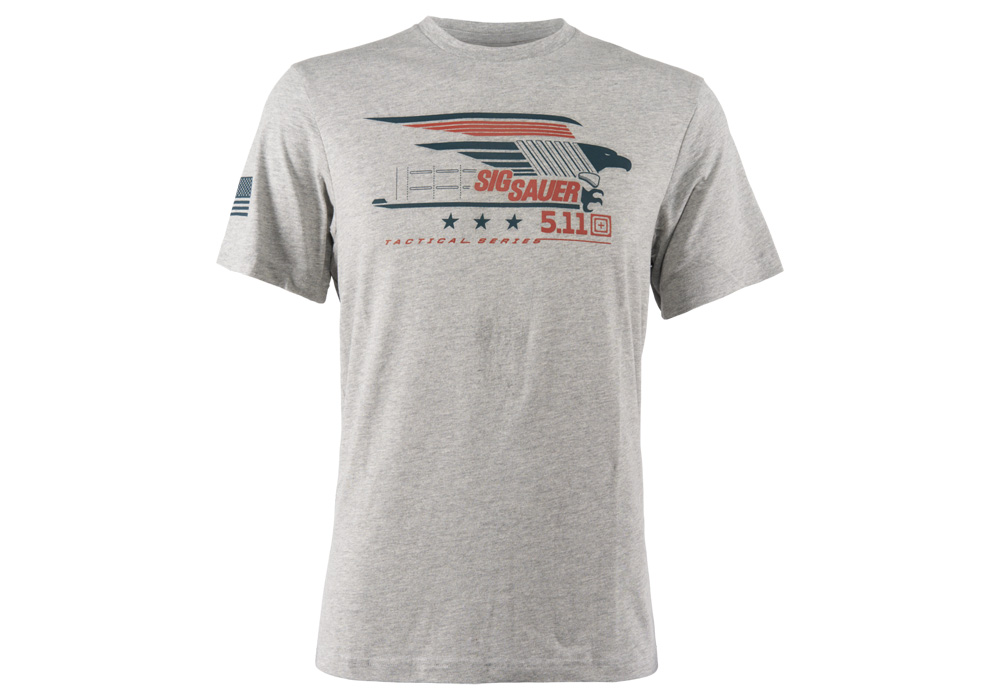
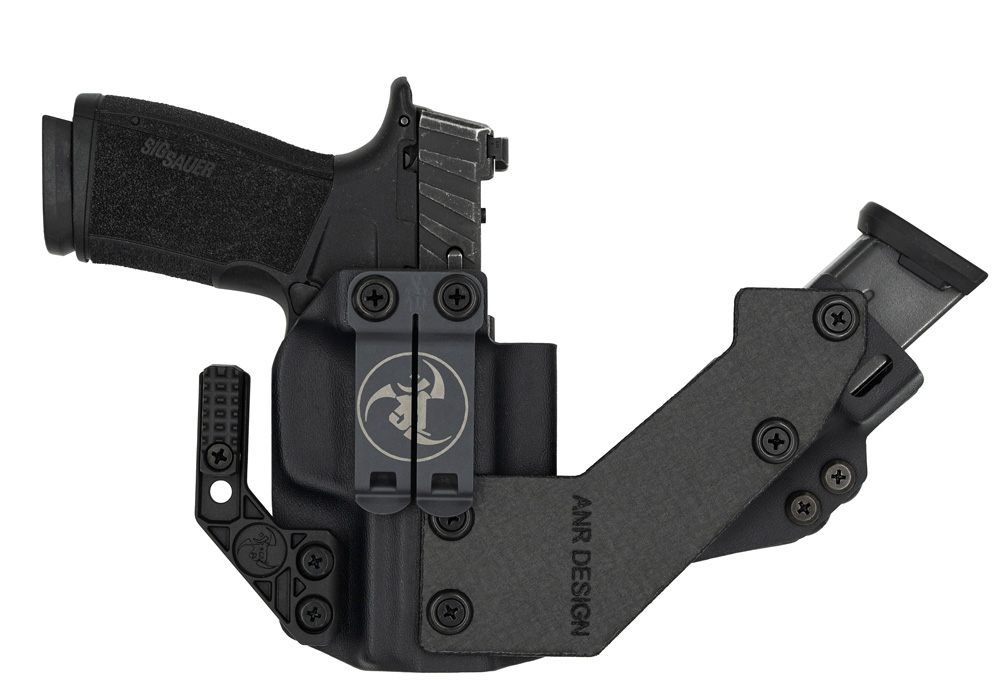
Tactical gear for men is built around a simple idea: dependable equipment should support the way you move, work, train, and spend time outdoors. A well-chosen setup may include durable pants with reinforced construction and useful pocket placement, moisture-managing shirts, protective outer layers, supportive boots, gloves, a practical belt, and a backpack or compact carrying system for organized storage. The best gear is not necessarily the most complicated; it is the gear that feels natural to wear and easy to reach when conditions change. Look for materials suited to your routine, sturdy stitching, secure closures, comfortable waistbands, and designs that allow a full range of motion. During the cooler months, layering becomes especially important. A breathable base layer can help manage moisture, an insulating midlayer can add warmth without excessive bulk, and a weather-resistant shell can help keep wind and light precipitation from interrupting an outdoor day. Footwear deserves the same careful attention. Consider tread, ankle support, cushioning, water resistance, and the surfaces where the boots will be used, from pavement and gravel to wet leaves and uneven ground. Fit is essential across every category: clothing should allow movement without snagging, packs should sit securely without shifting, and gloves should provide protection while preserving enough dexterity to handle everyday tasks. For shoppers comparing Tactical Gear For Civilians, these same principles make it easier to narrow a broad selection into equipment that is comfortable, useful, and appropriate for lawful personal, professional, recreational, or emergency-preparedness needs.
Carrying systems and utility tools can make tactical gear more functional when they are selected with a specific purpose in mind. A backpack or sling should offer enough room for the essentials while keeping weight balanced and contents easy to organize. Separate compartments can help divide clothing, hydration, navigation equipment, first-aid supplies, electronics, and personal items, while attachment points may provide added flexibility for compatible accessories. Avoid choosing a bag solely because it has the most pockets; thoughtful organization and comfortable shoulder straps often matter more than maximum space. Belts, pouches, and vests should be evaluated for stability, adjustability, and compatibility with the equipment you already own. A compact flashlight can be useful during a power outage, on a dark path, or while checking a vehicle after sunset, and a dependable knife may serve as a practical cutting tool when carried and used responsibly in accordance with applicable laws. Gloves can help protect hands from abrasion, cold, and rough surfaces, while a compact first-aid kit can provide a sensible layer of preparedness for minor injuries during travel, outdoor activities, or household projects. When selecting these items, pay attention to controls that can be operated with gloved hands, battery access, closure security, corrosion resistance, and how easily each tool can be cleaned or maintained. The most useful setup is usually the one that matches a real routine rather than an imagined one: a commuter may prioritize a low-profile bag and weather-resistant clothing, an outdoor enthusiast may value traction and layered insulation, and someone who spends time maintaining equipment may need durable workwear, task lighting, and organized storage. Clear labeling, regular inspection, and practice with non-emergency uses can also improve familiarity before gear is needed in a stressful situation.
Tactical gear can be a thoughtful gift for men who appreciate practical equipment, spend time outdoors, work in demanding environments, or enjoy improving their everyday preparedness. Apparel and footwear are best chosen with accurate sizing and an understanding of the recipient’s preferred fit, while bags, flashlights, gloves, first-aid kits, and organizational accessories are often easier gifts when size is uncertain. For a personal touch, consider the setting where the gear will be used. Someone who hikes or camps may appreciate comfortable layers, durable boots, and a compact pack; a frequent traveler may benefit from organized storage and versatile clothing; and a homeowner may find a reliable flashlight, work gloves, or first-aid supplies useful around the house. As weather shifts from mild afternoons to colder mornings, adaptable layers and weather-resistant materials become increasingly valuable, particularly for early starts, roadside stops, training sessions, and time spent outdoors. Care also affects long-term performance. Follow garment washing instructions, allow damp equipment to dry fully, inspect straps and stitching, replace worn closures, and check batteries and first-aid contents periodically. Keep edged tools secured, use lighting and cutting tools responsibly, and select protective equipment for the task rather than relying on appearance alone. Whether assembling a complete field-ready outfit or adding one practical item to an existing kit, focus on comfort, durability, fit, and responsible use. Tactical gear for men should earn its place through reliable performance in ordinary moments as well as demanding conditions, helping the wearer stay organized, protected, and prepared without unnecessary bulk.