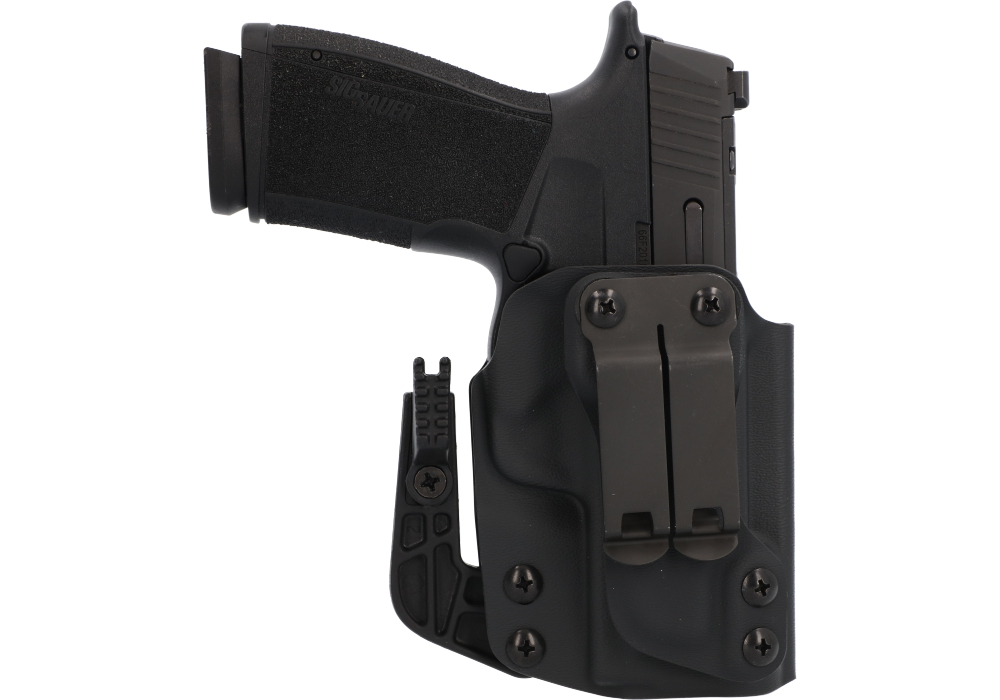
Tactical gear for military use is built around a simple principle: every item should serve a clear purpose without creating unnecessary weight, bulk, or distraction. Service members, law enforcement professionals, security personnel, and serious training enthusiasts may rely on specialized equipment to organize essential supplies, protect the body, move efficiently, and respond to changing conditions. Load-bearing equipment such as plate carriers, chest rigs, tactical vests, belts, and modular pouches helps distribute equipment across the torso and waist while keeping frequently used items accessible. When comparing these systems, pay close attention to adjustability, attachment points, material durability, stitching, closure systems, and compatibility with the equipment already in use. A well-fitted setup should remain stable while walking, kneeling, climbing, or entering and exiting vehicles, rather than shifting under movement. Internal and external organization also matters: dedicated spaces for magazines, medical supplies, communications equipment, navigation tools, and personal essentials can make a meaningful difference when time and visibility are limited. Buyers should also consider whether standard or extended capacity options are appropriate for their equipment and mission requirements, while confirming dimensions and retention before making a purchase. For protective systems, fit and verified performance are essential. Ballistic helmets, armor plates, plate carriers, and trauma protection should be selected according to the intended threat level, coverage needs, weight tolerance, and applicable testing or certification information. Protective equipment is not interchangeable simply because it appears similar, and users should follow the manufacturer’s instructions for inspection, storage, cleaning, and service life. Check local laws and agency or unit requirements before purchasing armor or other regulated equipment, and make sure every component works together as a complete system. Equipment that fits correctly and matches the user’s role is generally more useful than a larger collection of items that are difficult to configure or carry.
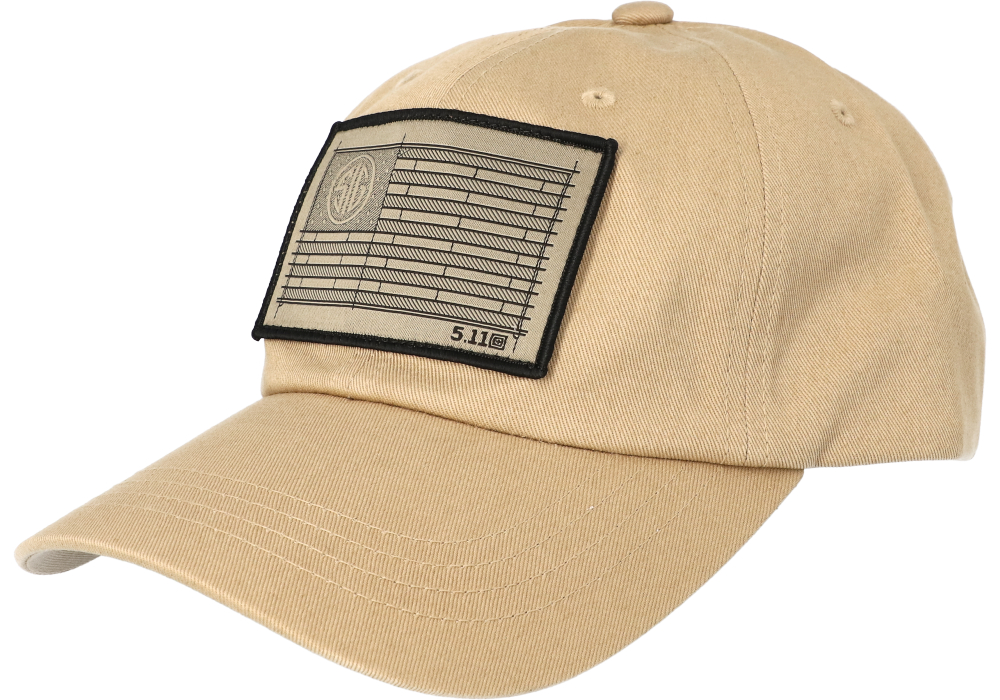
Apparel is another important part of a dependable tactical setup, particularly for personnel working outdoors or moving through demanding environments. Combat shirts, field shirts, tactical pants, outer layers, gloves, boots, and moisture-managing base layers are designed to support mobility while helping the wearer manage heat, cold, abrasion, rain, and prolonged wear. Look for articulated knees, reinforced panels, stretch zones, secure pockets, adjustable cuffs, and fabric suited to the climate and workload. During the cooler months, layering is often more practical than relying on one heavy garment. A breathable base layer can move moisture away from the skin, an insulating mid layer can retain warmth, and a weather-resistant outer layer can help block wind and precipitation without restricting movement. Neutral colors and subdued patterns may be preferred for duty or field use, while high-visibility options can be appropriate for training, roadside work, search activities, or other environments where being seen is part of staying safe. Footwear deserves equal consideration because long hours on uneven ground can expose weaknesses in support, traction, and fit. Break in boots gradually, match them with the socks intended for use, and account for the swelling that can occur during extended activity. Gear can also be selected as a practical gift for a service member, first responder, range professional, outdoors enthusiast, or family member who spends time training outside. Apparel, durable gloves, packs, organizers, lighting, hydration accessories, and maintenance tools are often easier to size and personalize than protective equipment, though gift buyers should still confirm preferred colors, dimensions, attachment standards, and intended use. Those shopping for equipment outside a military or professional setting can explore Tactical Gear For Civilians for options oriented toward responsible training, outdoor use, and everyday preparedness.
Medical and utility equipment can round out a field-ready kit by addressing the problems that occur away from immediate support. An individual first aid kit may include items intended for bleeding control, wound care, and basic stabilization, while trauma shears, medical gloves, marking tools, pressure dressings, and compact organizers help keep supplies protected and identifiable. First aid equipment should be chosen according to the user’s training; owning supplies without knowing how to use them can create confusion during an emergency. Formal instruction and regular practice are important, especially for anyone carrying equipment intended for serious trauma. Multi-tools, repair items, cordage, batteries, compact lights, navigation aids, and weather-resistant storage can help with routine field tasks, equipment adjustments, and minor failures. Before heading out, inspect closures, straps, buckles, seams, elastic, batteries, and protective surfaces, then replace anything cracked, worn, contaminated, or no longer secure. During cooler and wetter conditions, protect sensitive equipment from condensation and precipitation, and avoid storing damp apparel or packs for extended periods. A useful tactical setup is personal and mission-specific: a short training session may call for a lighter configuration than a multi-day field exercise, while vehicle-based work may allow different storage choices than foot patrols or remote travel. Build around the tasks that are actually expected, prioritize fit and reliability, and test the complete arrangement with the clothing and protective equipment it will be worn with. When selected thoughtfully, military tactical gear supports organization, mobility, protection, and preparedness without getting in the way of the person using it.






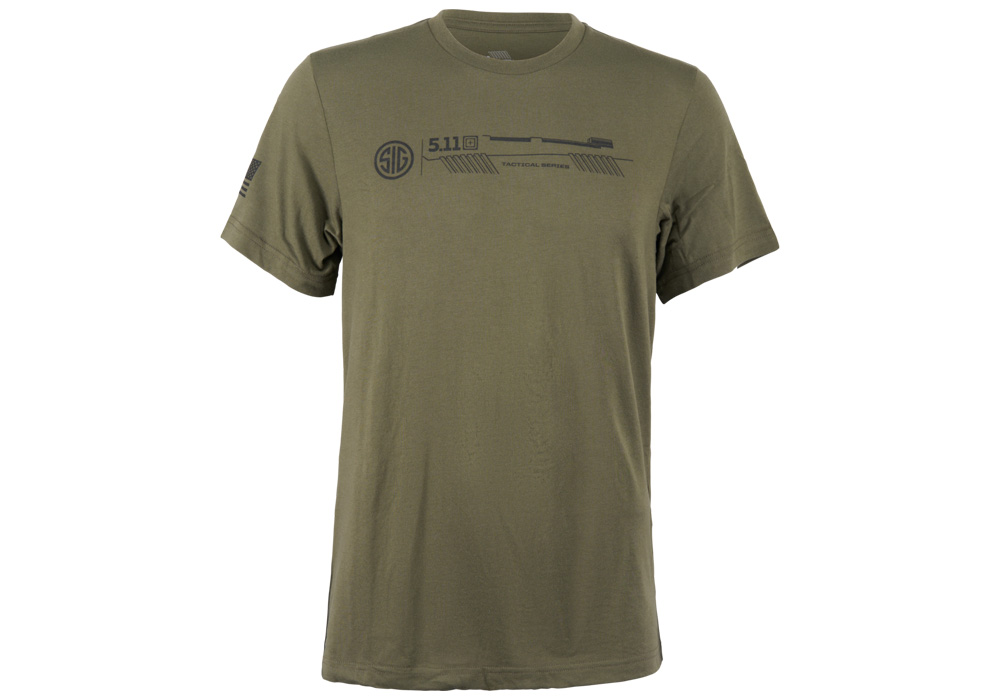


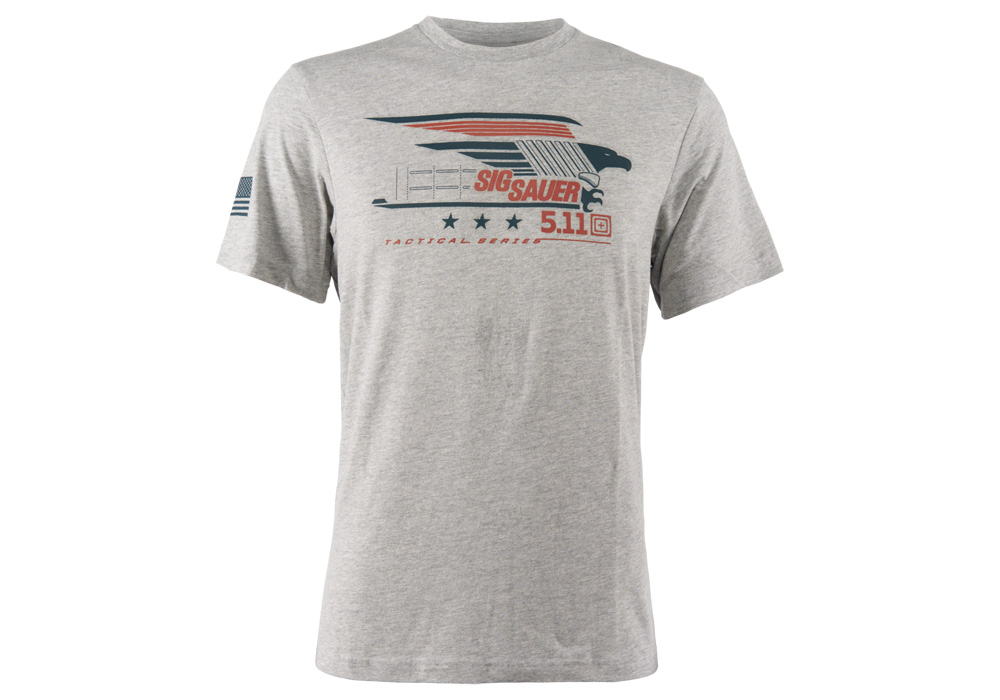
![5.11 SIG SAUER TACTILE TACTICS SHORT SLEEVE TSHIRT - ODG [MED & 2XL LEFT]](http://www.sigsauer.com/media/catalog/product/8/3/8301123-web-front.jpg)