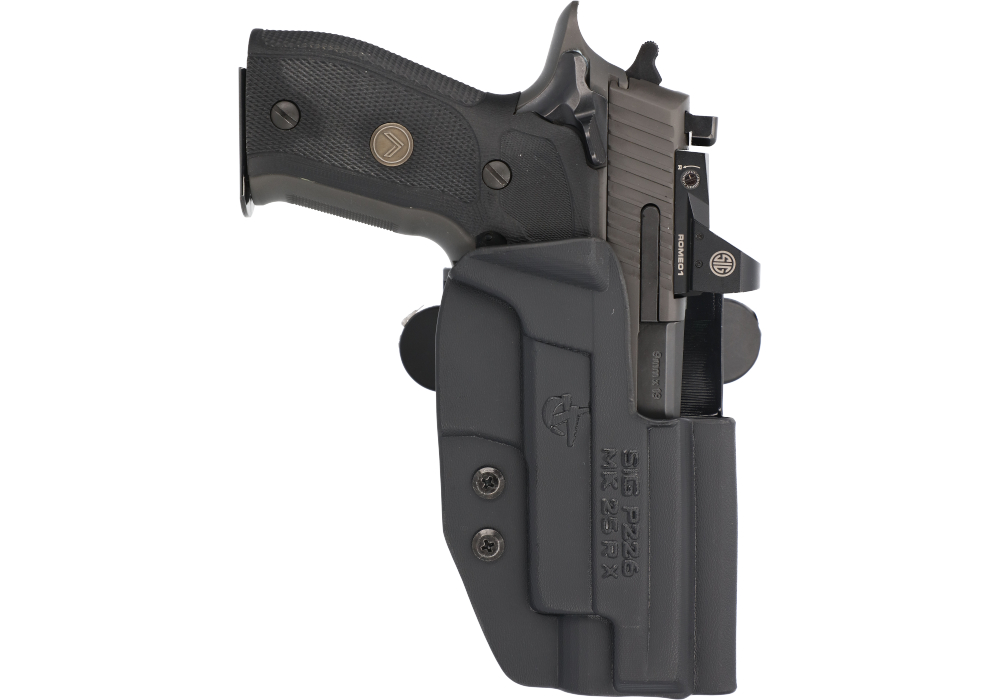
Gun accessories are supporting equipment for firearm storage, transport, maintenance, carrying, and range use. The category includes sights and optics, holsters, slings, magazines, cleaning supplies, protective cases, range bags, and eye and hearing protection. Each serves a different purpose, from keeping equipment organized between outings to protecting a firearm’s finish during travel. For recreational shooters, hunters, competitive participants, and people attending supervised instruction, the most useful accessories tend to match an established routine rather than add unnecessary complexity. A compact bag may suit a short practice session, while a compartmentalized case can help keep a larger collection of equipment separated and protected. Someone carrying a firearm needs different features from someone transporting an unloaded firearm to a range, so intended use matters as much as appearance. Fit is especially important for accessories that attach to, hold, or enclose a firearm. Holster compatibility depends on the firearm’s exact configuration, including any attached equipment, and a suitable holster must cover the trigger guard and retain the firearm securely. Cases need sufficient interior space without allowing their contents to shift excessively, while protective padding should support the firearm without putting pressure on delicate components. Sights, optics, and mounting accessories also have model-specific compatibility requirements; a similar appearance does not establish a proper fit. Manufacturer specifications provide the clearest basis for checking those relationships, and qualified professional assistance is appropriate when installation or fit is uncertain. For magazines and other regulated accessories, applicable federal, state, and local requirements are part of the selection process. Accessories do not replace safe handling, training, or secure storage, but thoughtfully matched equipment can make those responsibilities easier to manage. Across the category, the central considerations remain consistent: the right dimensions, suitable materials, dependable construction, and a clear purpose within the owner’s normal activities.
Materials and construction influence how gun accessories feel, how they wear, and how much care they require. Reinforced polymers are common in rigid cases and holsters, where low weight and resistance to routine surface wear can be useful. Aluminum and steel appear in hardware and mounting components, with protective finishes helping limit corrosion when maintained according to the manufacturer’s directions. Nylon and other woven textiles are common choices for range bags, slings, and soft cases; dense fabric, reinforced attachment points, and even stitching are meaningful details in equipment that is carried frequently. Leather offers a different texture and structure, though its care requirements differ from those of synthetic materials. None of these materials is automatically the best choice for every application. A padded soft case can be convenient for ordinary transport, while a rigid case offers a more structured protective shell; suitability still depends on the contents, closure system, and travel requirements. Inside a bag or case, soft lining, dividers, and covered hardware help separate surfaces that could otherwise rub together. Outside, comfortable handles, adjustable straps, and accessible compartments affect how manageable the load feels on the walk from a vehicle to a shooting bench. Durability also depends on the small details: stitching around a handle, the way a zipper moves around a corner, and whether a buckle stays firmly fastened during ordinary handling. Care should follow the accessory’s own instructions rather than a single routine applied to every material. Solvents intended for firearm maintenance may be unsuitable for fabric, leather, lens coatings, or some plastics. Cleaning equipment likewise needs to match the firearm and its manufacturer’s recommendations, including the appropriate caliber or gauge where relevant. After use, removing debris, allowing cleaned components to dry as directed, and inspecting closures, seams, and fasteners can help preserve service life. A worn strap, cracked shell, or damaged retention component deserves attention before the accessory is relied upon again.
Range accessories bring many of these considerations together in practical, everyday ways. At a shooting bench, a well-organized bag keeps protective equipment, maintenance supplies, and personal essentials in separate, recognizable spaces rather than mixed in a single compartment. Dedicated storage for glasses helps protect lenses from scratches, while a separate pouch for hearing protection keeps it easy to locate before entering the shooting area. Eye protection intended for shooting should offer documented impact protection, adequate coverage, and a secure fit that remains comfortable during normal movement. Lens shape and frame design matter when glasses are worn alongside earmuffs, since thick temple pieces can interfere with the earmuff seal. Hearing protection should be selected using its documented noise-reduction information, fit requirements, manufacturer guidance, and the rules of the shooting facility. It reduces sound exposure but does not eliminate it, and some settings call for earplugs and earmuffs together. Comfort is not merely a finishing detail: protective equipment that pinches, shifts, or conflicts with other gear can become distracting during a supervised lesson or extended range visit. The same attention to everyday habits makes Gun Accessory Gifts more personal and useful. For a new participant, appropriately fitted protective equipment or an organized storage solution can support the routines introduced in training. An experienced enthusiast may appreciate durable carrying gear or maintenance accessories suited to equipment already owned. Gifts that attach directly to a firearm require exact compatibility information, while personal protective equipment may require measurements or knowledge of the recipient’s preferences. Secure storage deserves consideration at every experience level, particularly in homes where children, visitors, or other unauthorized people could encounter firearms. A transport case is not necessarily a secure storage device, and padding alone does not provide access control. Thoughtful accessory choices account for these distinctions, combining practical organization, responsible ownership, and materials suited to repeated use without overlooking the details that determine whether something genuinely fits its purpose.