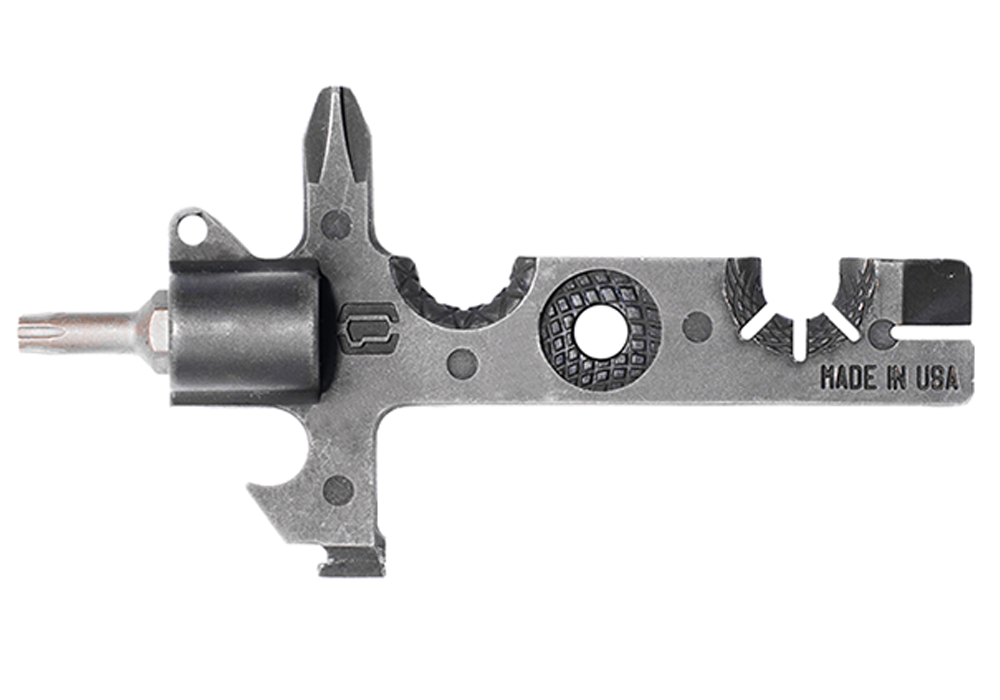
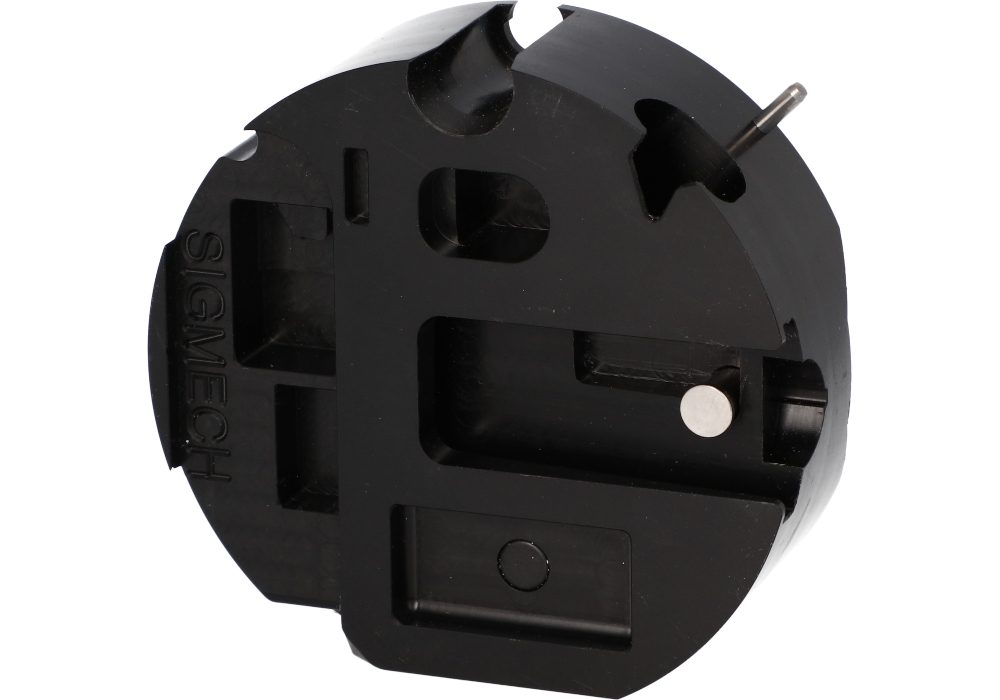
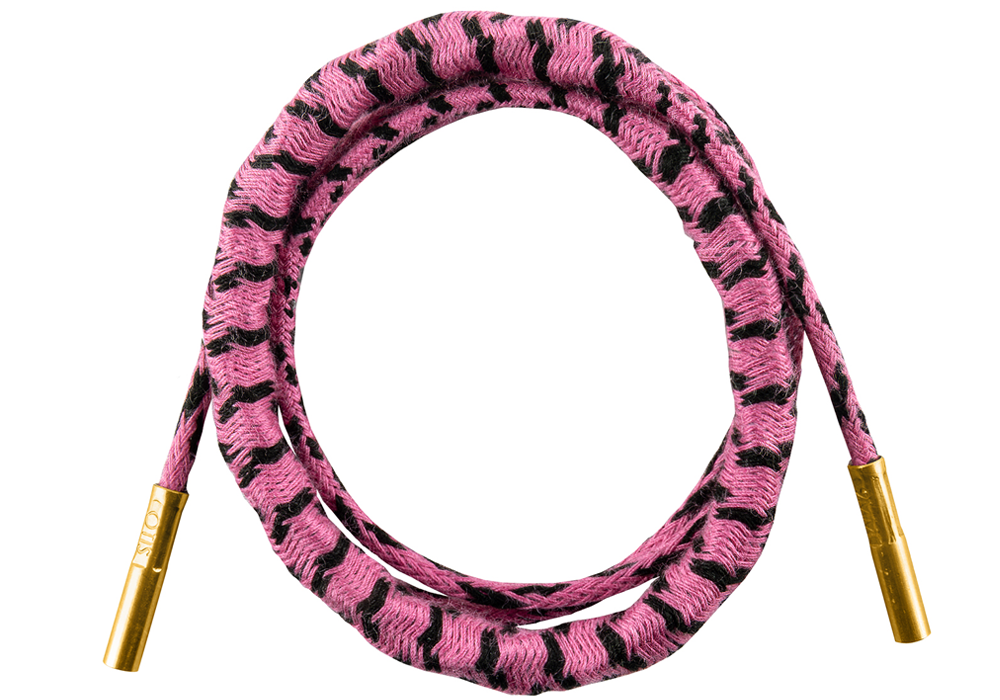
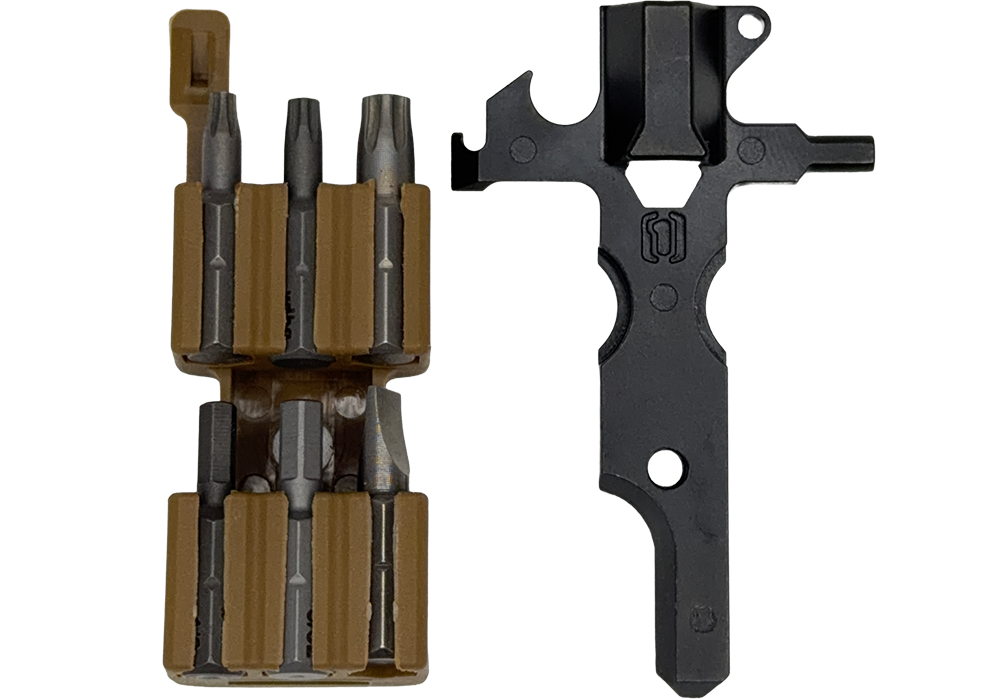
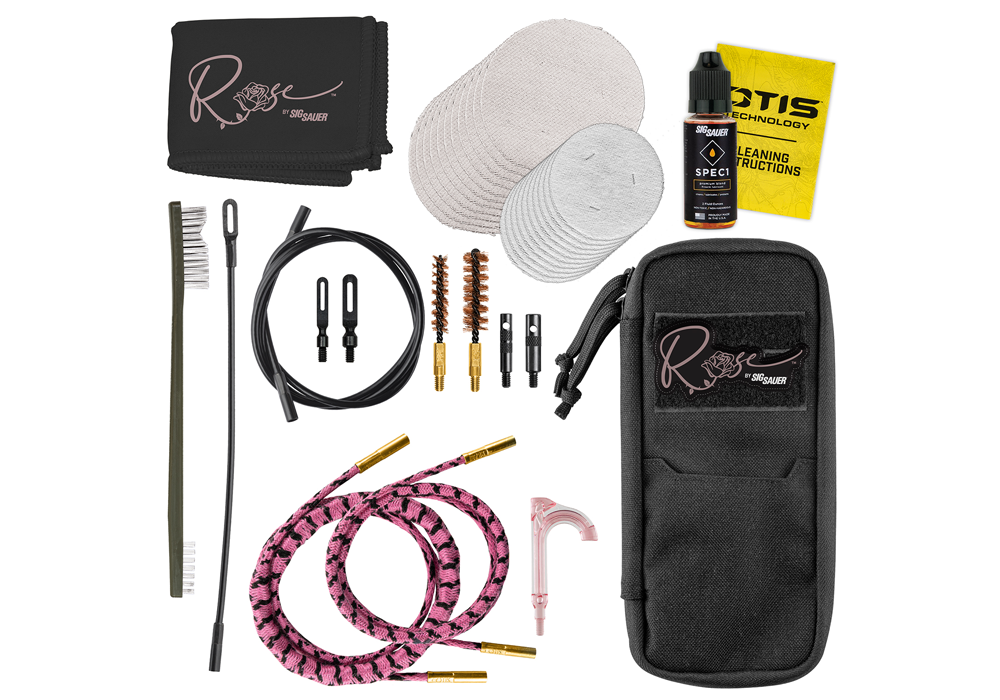
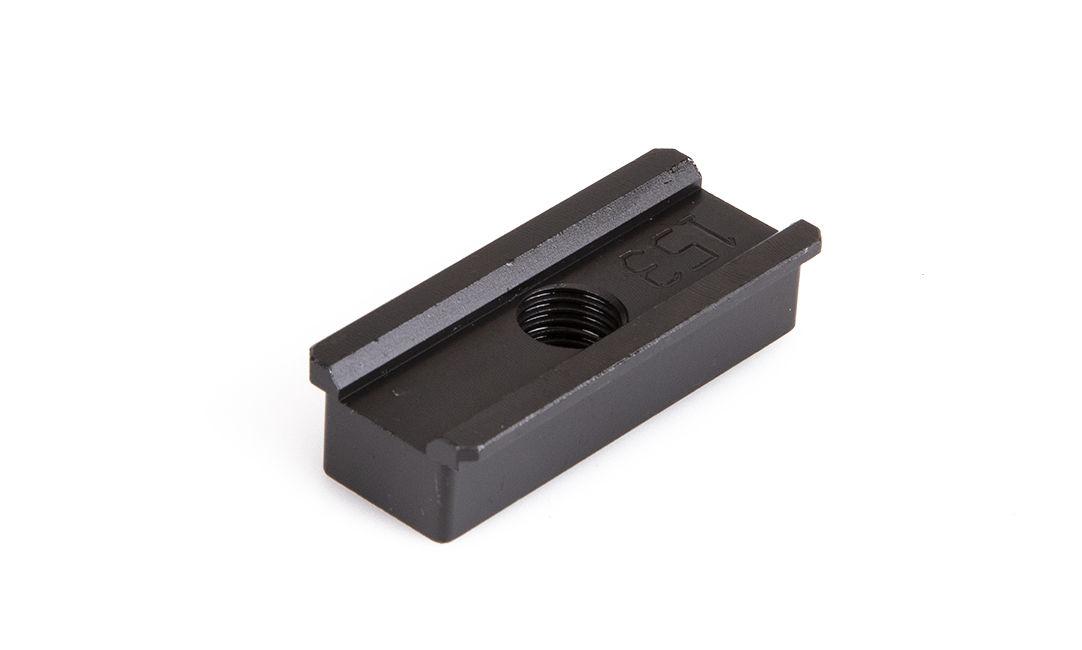
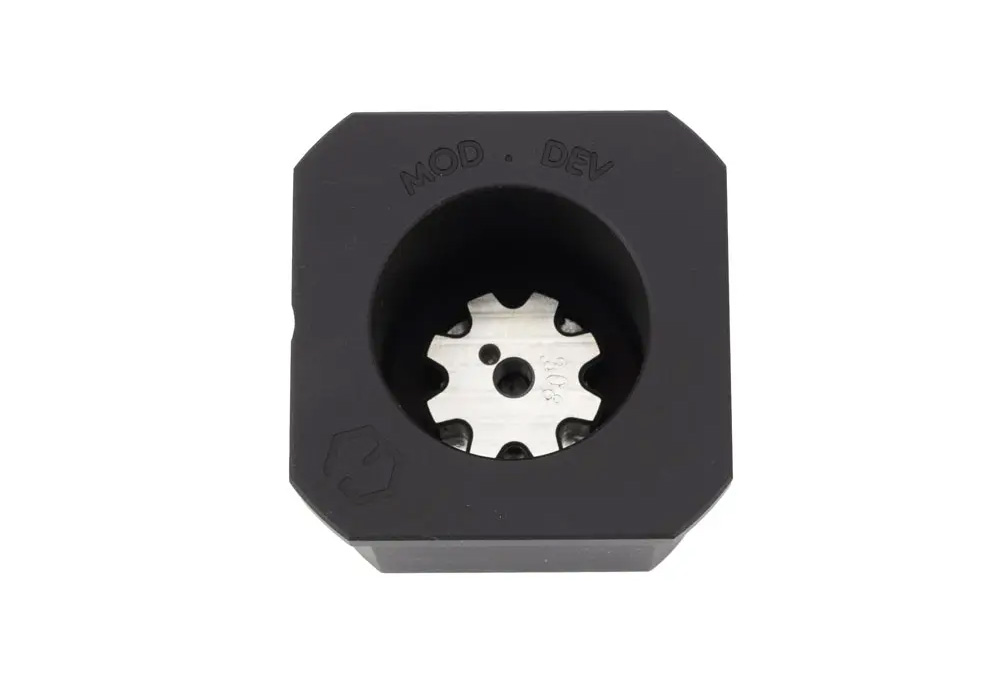
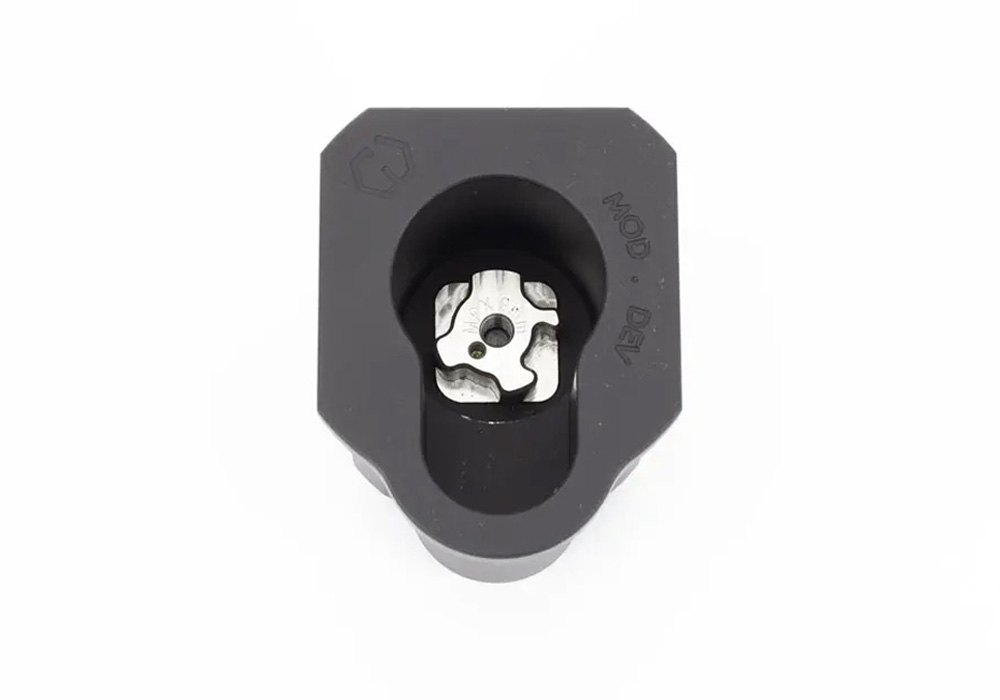
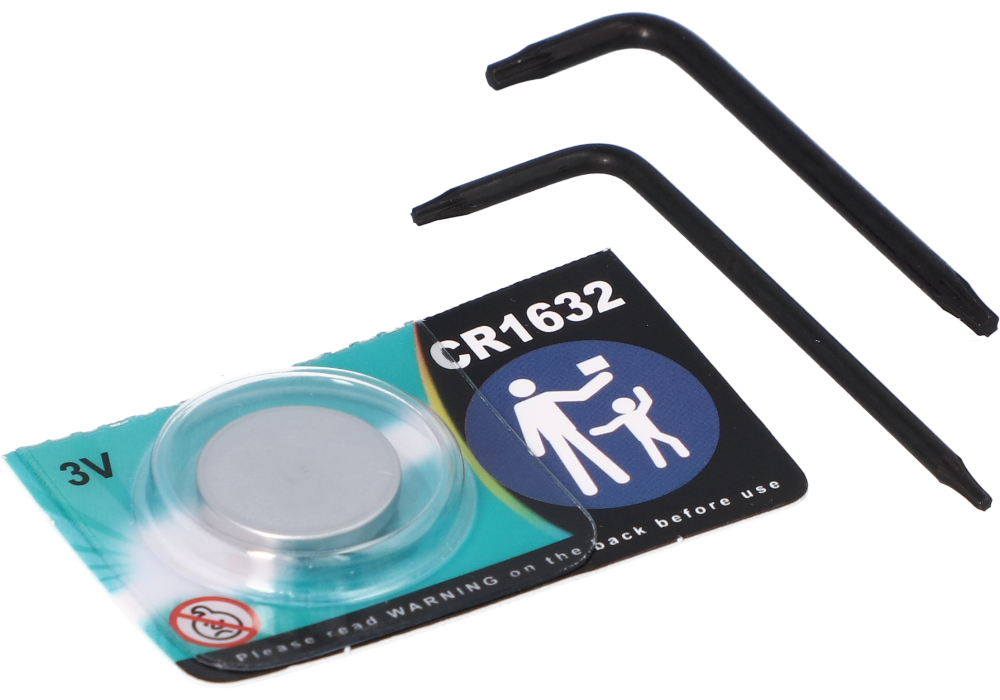
Gun accessory tools support the careful maintenance, adjustment, and organization that help firearm owners keep their equipment in dependable working order. A well-chosen tool collection can serve many purposes, from routine cleaning and inspection to optic mounting, sight adjustment, and controlled assembly. The foundation often includes hollow-ground screwdriver bits, which fit fastener slots more completely than general-purpose hardware-store tips and help reduce the risk of slipping or marring screw heads. A selection of pin punches is equally useful when working with components that use retaining pins, with brass, nylon, and steel options suited to different surfaces and levels of force. A small hammer with interchangeable faces can complement those punches, while a bench vise or dedicated gun workstation helps hold a firearm securely during maintenance without placing unnecessary pressure on delicate finishes. For owners who work at a kitchen table, in a compact workshop, or at a range bench, portable tool kits can keep essential drivers, bits, punches, and accessories together in one organized case. Those who prefer a permanent setup may value a larger workstation with storage areas, adjustable supports, and protective contact points. Explore related Gun Accessories to round out a maintenance area with practical additions for cleaning, transport, protection, and everyday readiness.
Choosing the right gun accessory tools starts with identifying the firearm platform and the task at hand. A tool set for a modern sporting rifle may need receiver blocks, roll-pin punches, extended drivers, and a torque driver for accessory installation, while a handgun owner may place greater emphasis on compact punches, sight tools, small brushes, and precision bits. Bolt-action rifle owners often look for supports that keep the stock and barrel steady, along with tools suited to scope rings, bases, and action screws. When installing an optic or tightening fasteners, a torque wrench or torque driver helps apply a measured setting rather than relying on feel alone. This matters because too much force can damage threads or distort mounting hardware, while too little can allow a fastener to loosen during use. Always consult the firearm, optic, and mounting hardware instructions for the correct torque specifications, bit style, and sequence. Hollow-ground bits are especially helpful when working with slotted screws, and a broad selection of metric, standard, hex, Torx, and specialty bits can make a kit more versatile across multiple platforms. A gun vise should provide a stable hold with padded or non-marring contact areas, and it should allow access to the firearm without forcing it into an awkward position. Before any maintenance or adjustment, point the firearm in a safe direction, remove all ammunition from the work area, and verify that the chamber and magazine well are empty according to the owner’s manual. Good lighting, a clear bench, and a tray for small parts can be just as valuable as the tools themselves. In practice, these simple habits help prevent misplaced pins, scratched surfaces, and interruptions that turn a straightforward task into a frustrating one.
Gun accessory tools can also be thoughtful gifts for a new firearm owner, a range regular, a hunter, or anyone building a more capable home workshop. A compact field kit is useful for someone who travels to training sessions or spends long days outdoors, since it can provide basic adjustments without adding much weight to a range bag. A precision driver set or organized punch kit may suit the owner who enjoys keeping equipment clean and tuned after every outing. For a dedicated hobbyist, a sturdy vise, receiver support, or complete bench arrangement can create a more comfortable place for detailed projects during the cooler months, when indoor workshop time becomes especially appealing. Gift selection is easiest when it reflects the recipient’s habits: compact tools for mobile users, broad bit assortments for households with several firearm types, and specialized supports for someone focused on optic installation or careful assembly. Durability, clear markings, secure storage, comfortable handles, and protective finishes are all worth considering. Tools should feel controlled in the hand, fit fasteners cleanly, and remain easy to locate when a small adjustment is needed before a range trip. Keeping tools separated from ammunition and cleaning chemicals also helps preserve organization and reduces confusion at the workbench. With the right combination of precision drivers, punches, hammers, torque tools, supports, and storage, firearm maintenance becomes more orderly and repeatable. Whether the goal is a reliable field kit, a first home maintenance set, or a complete bench setup, these practical tools give owners a better way to care for their equipment while following manufacturer instructions and responsible handling practices.