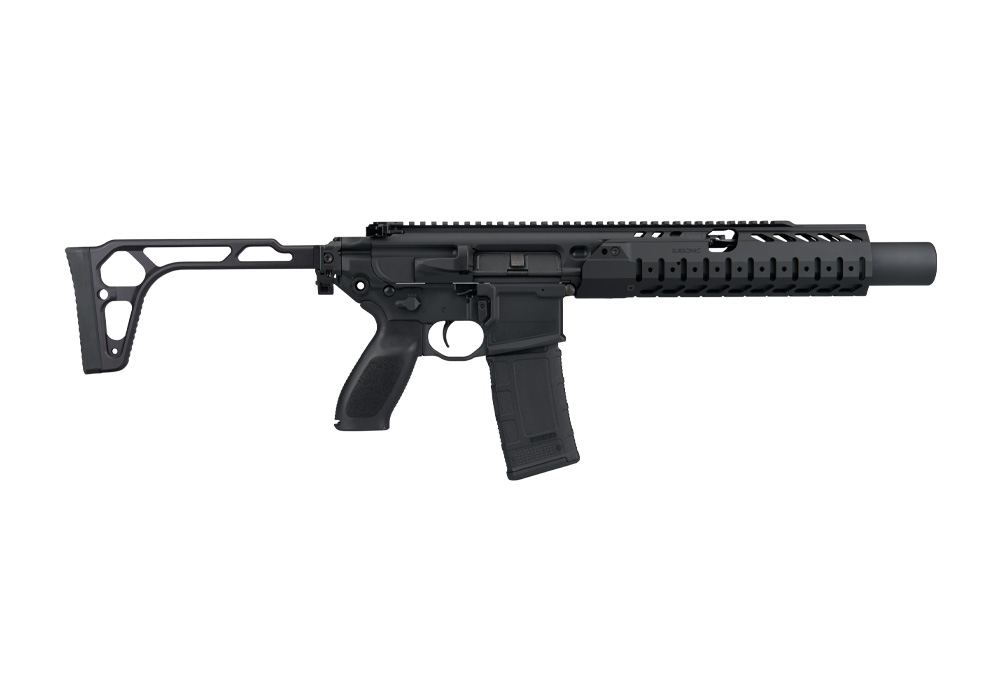
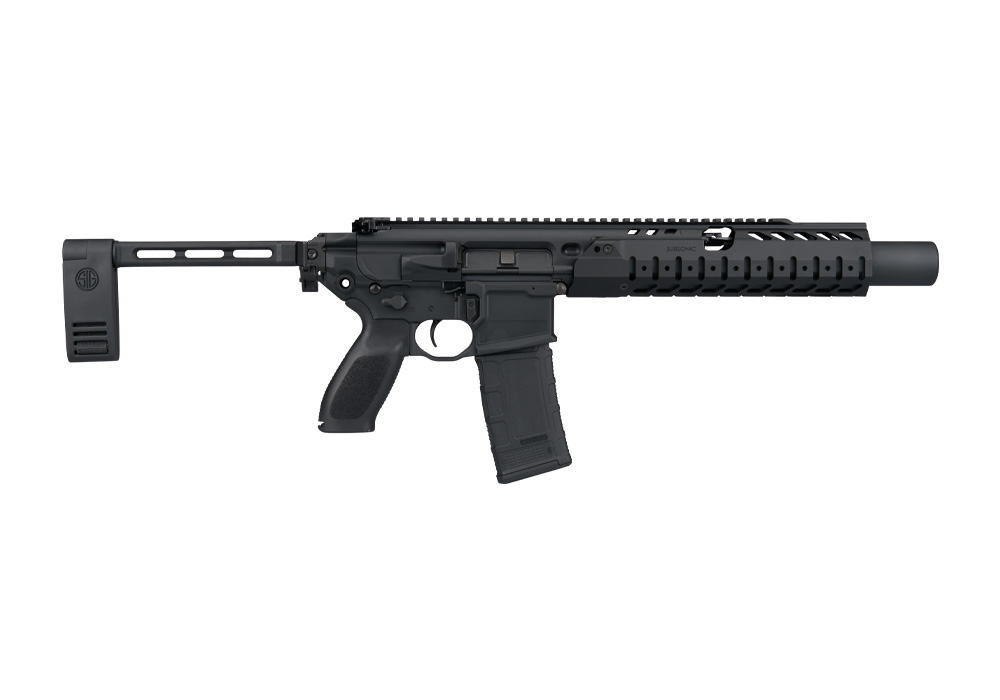
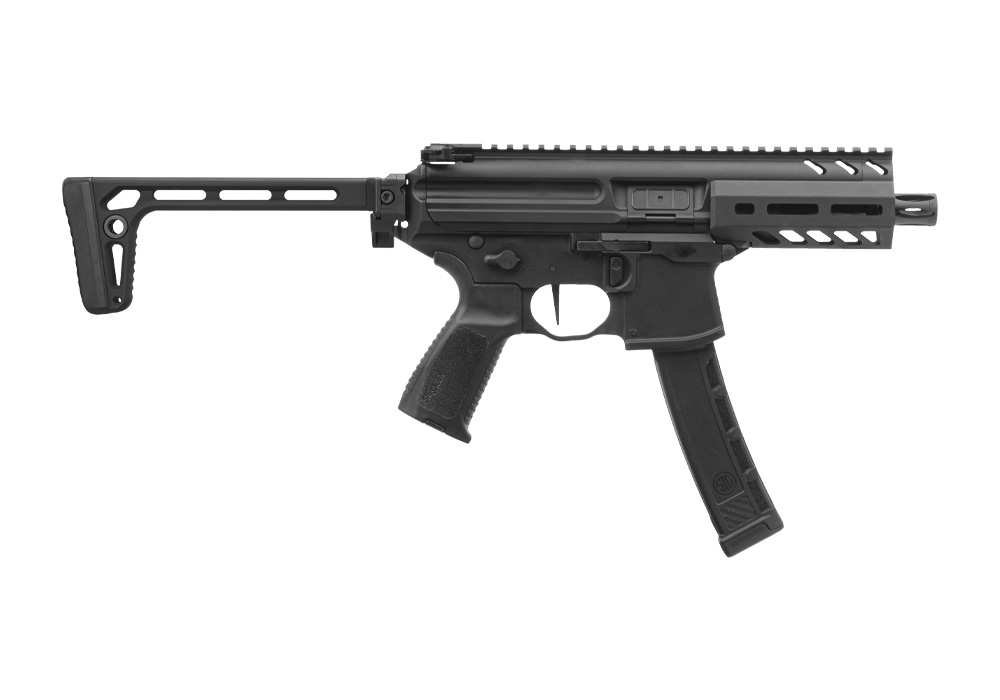
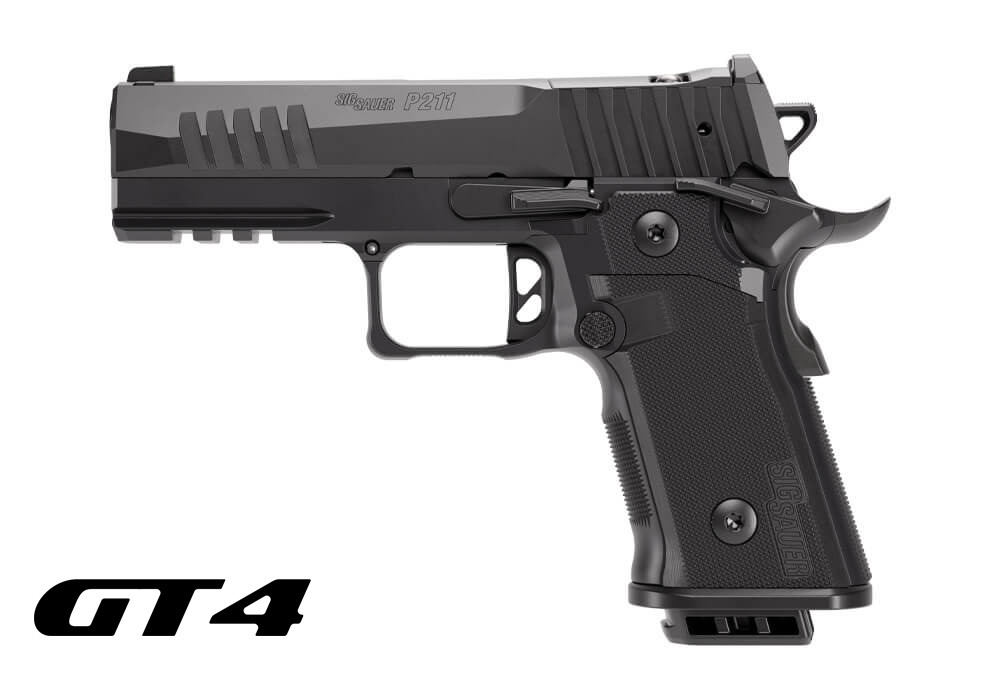
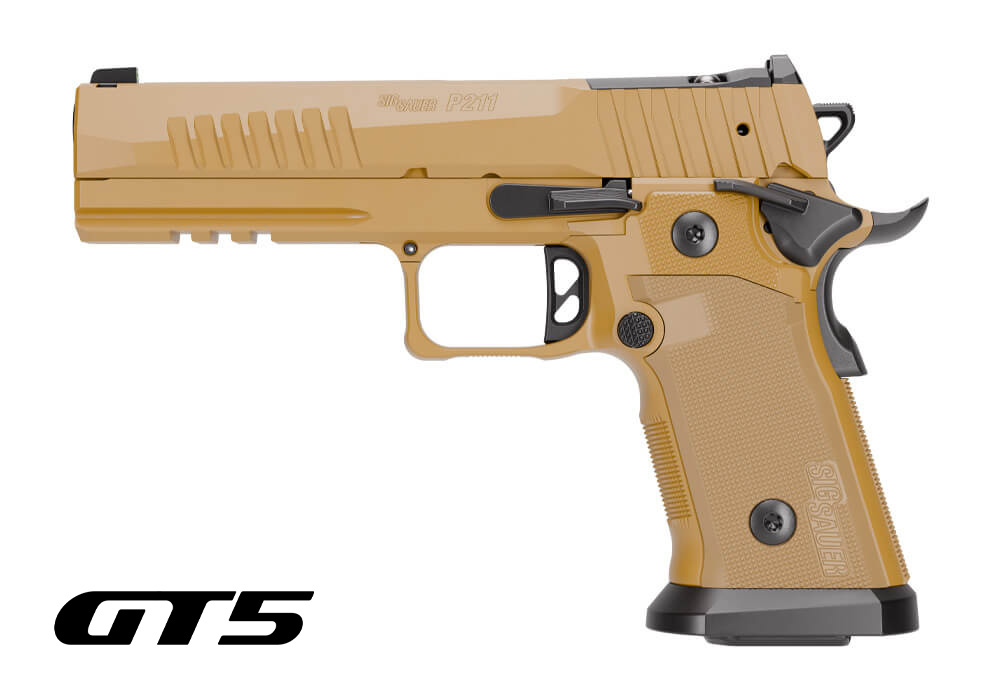
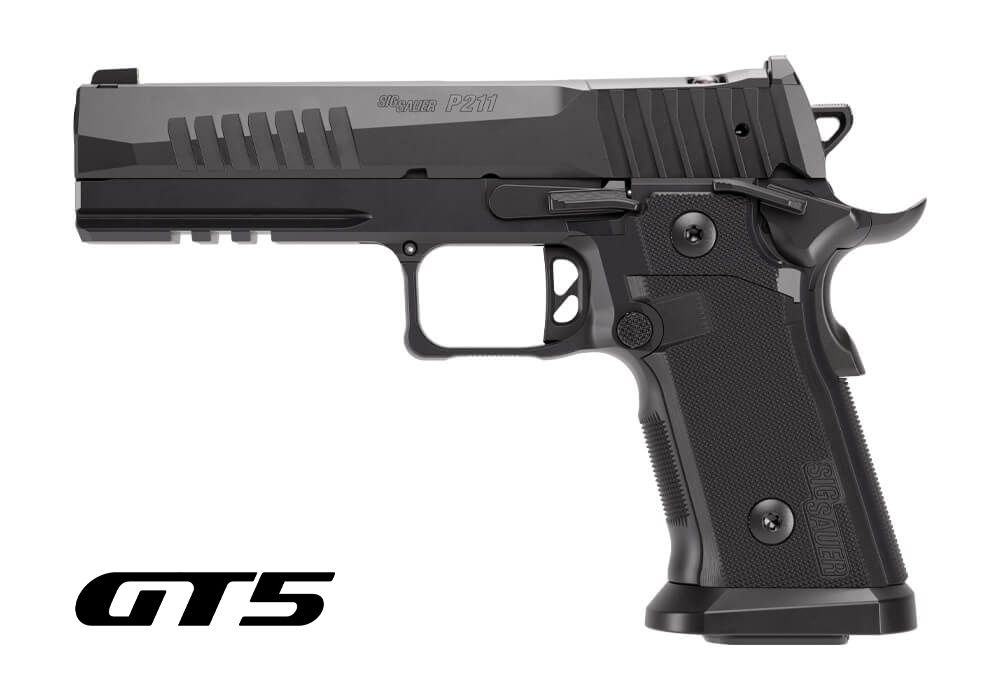
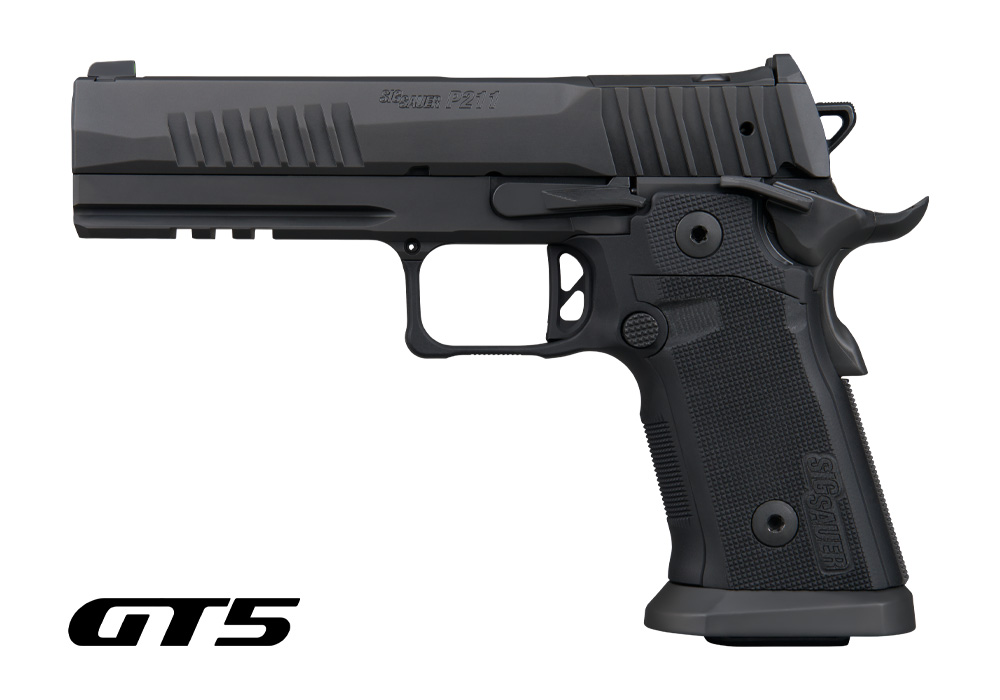
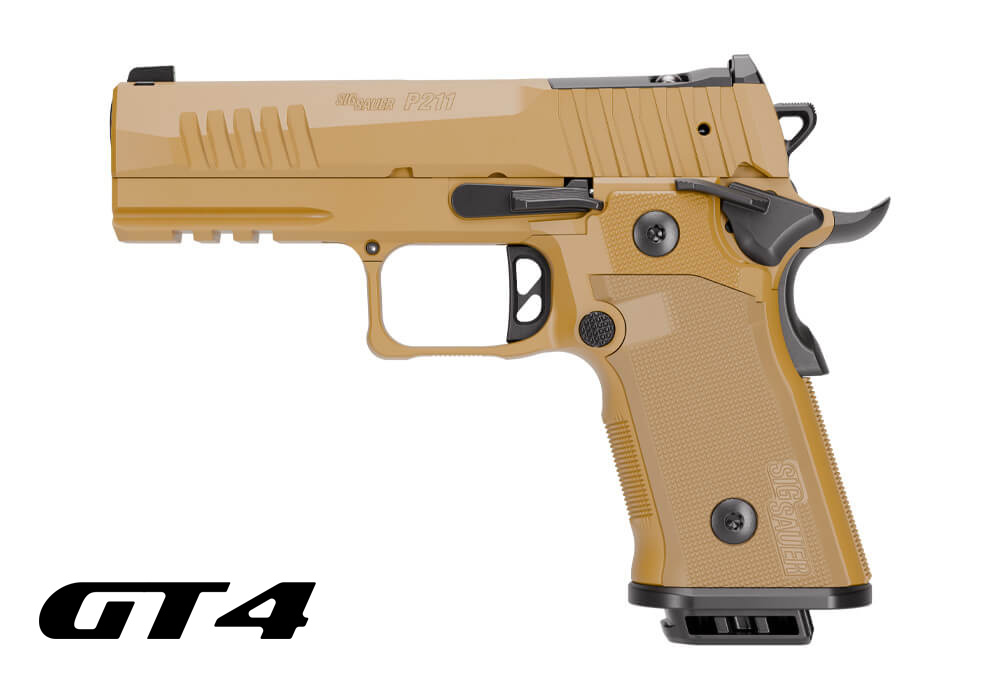
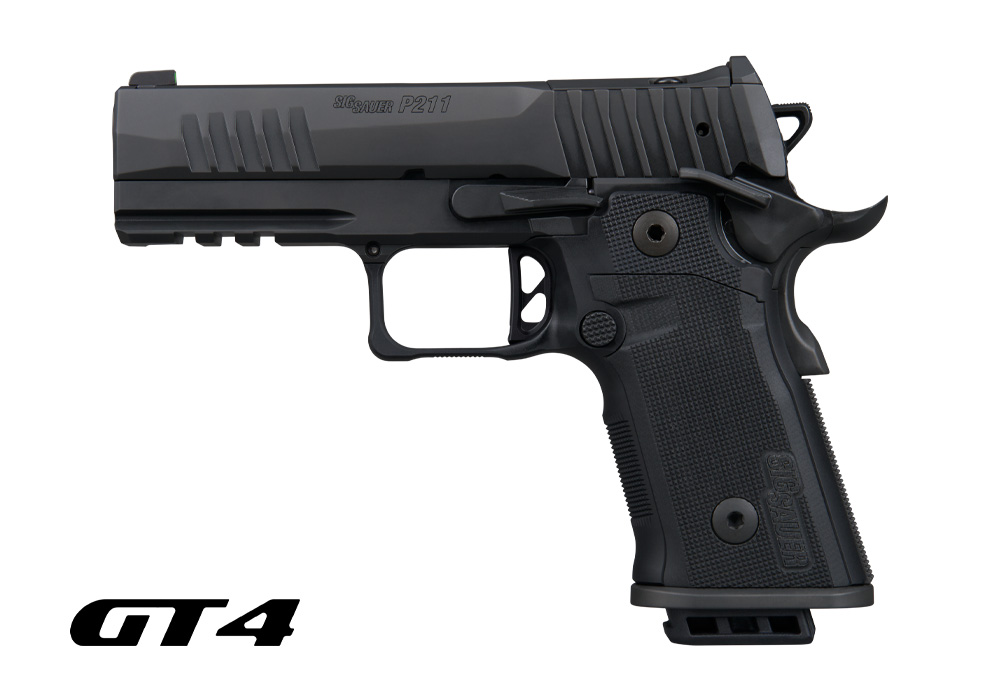
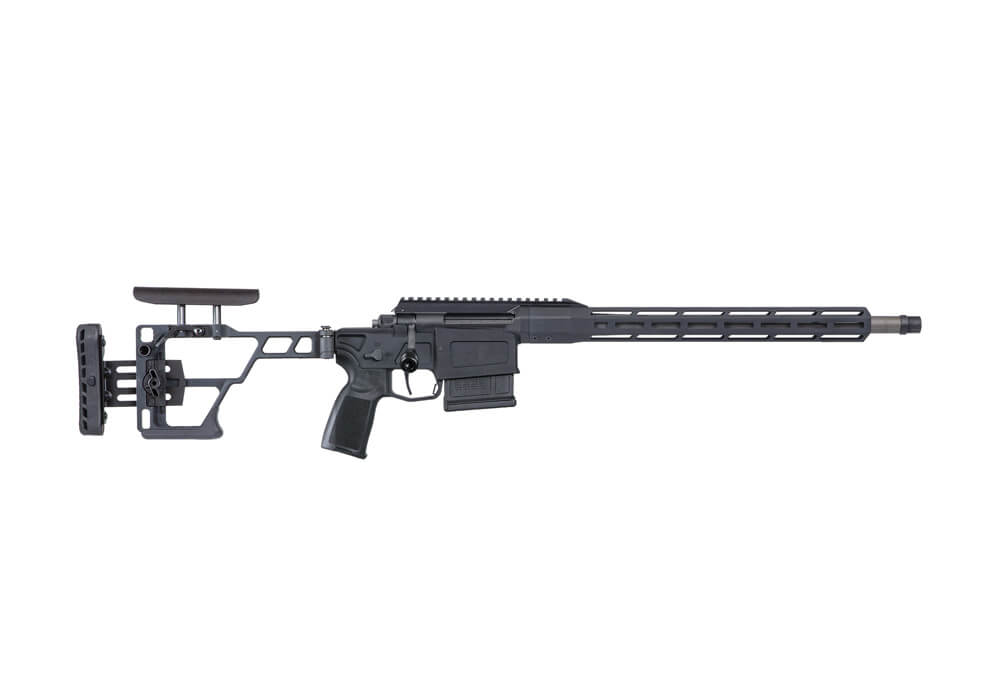
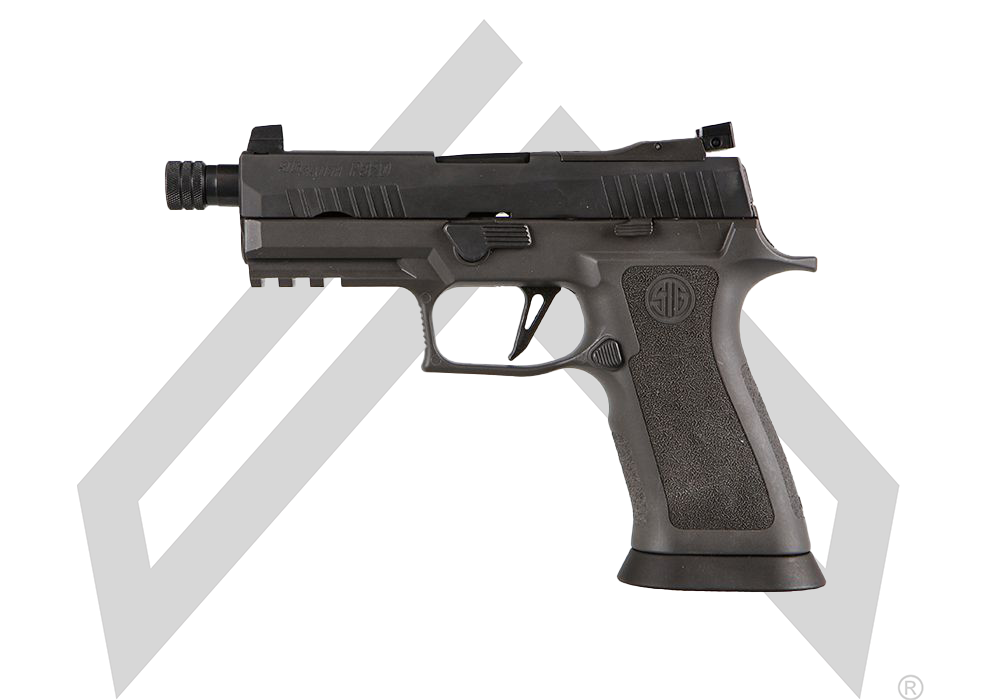
Firearms for left-handed shooters include dedicated left-handed designs, firearms with ambidextrous controls, and configurations with reversible controls that accommodate a left-handed grip. These categories offer different kinds of compatibility. A dedicated left-handed design may place operating controls and the ejection port on the opposite side from a conventional right-handed layout. An ambidextrous design provides access to certain controls from either side, while a reversible control can be configured for one side or the other rather than serving both sides simultaneously. Those distinctions matter because a firearm described as ambidextrous does not necessarily have every control mirrored, and a reversible magazine release does not necessarily mean the ejection direction can change. For a left-handed shooter, the practical benefit is a layout that feels natural in the hand and places important controls within comfortable reach. Depending on the firearm, relevant features may include the magazine release, slide controls, safety lever, charging handle, or bolt controls. Their shape and position can matter as much as which side they occupy. A lever that sits comfortably beneath one person’s thumb may feel crowded or difficult to reach for someone with a different hand shape. Ejection direction is a separate consideration, particularly with shoulder-fired firearms, where the relationship between the action, face, and shooting shoulder deserves attention. Left-handed compatibility is therefore more specific than a label on a specification sheet. It reflects the way a firearm’s layout works with the individual shooter’s grip, reach, and intended use. For recreational target shooting, organized competition, hunting, or lawful personal protection, an appropriate configuration can reduce the awkwardness of adapting to controls positioned primarily for a right-handed user. New shooters may appreciate an arrangement that feels less unfamiliar during supervised instruction, while experienced left-handed shooters may have clear preferences developed through years of range use. Neither group necessarily needs the same layout, and left-handed use alone does not establish whether a particular firearm will fit comfortably. Familiarity can influence preference, but physical fit and the actual control arrangement remain distinct considerations.
Fit also extends beyond control placement. Grip circumference, trigger reach, frame contours, and overall weight influence how a handgun rests in a left hand, just as stock dimensions, grip shape, and balance influence the feel of a shoulder-fired firearm. A symmetrical exterior can appear equally suitable for either hand while still presenting differences in control access. Conversely, a firearm with some controls on only one side may still suit certain left-handed users, depending on its design and their preferences. Textured surfaces can provide a secure feel, but pronounced texture may be uncomfortable against the skin or distracting during an extended range session. Interchangeable grip components, where supported by the design, offer another way to accommodate different hand sizes without assuming that every left-handed shooter needs a larger or smaller grip. Materials contribute their own characteristics. Polymer frames can help limit overall weight, while metal frames often provide a different balance and sense of solidity. Steel components, aluminum alloys, surface treatments, and protective finishes each have roles in managing wear and supporting service life. No material eliminates the need for care, and corrosion resistance should not be confused with immunity to corrosion. Routine cleaning, appropriate lubrication, and inspection according to the manufacturer’s directions remain part of responsible ownership. Compatibility with cleaning products matters for both metal finishes and polymer components, particularly when a firearm combines several materials. Reversible components also deserve attention as a design feature rather than an invitation to improvise alterations; any configuration work should follow the manufacturer’s requirements, with a qualified professional involved when appropriate. For frequent range use, durability includes more than the appearance of the finish. Consistent control function, secure grip components, and the condition of regularly handled surfaces all contribute to the ownership experience. A firearm that feels comfortable during a brief handling session should also suit the owner’s broader needs, including transportation, storage, maintenance, and the amount of practice associated with its intended role. Those everyday details often distinguish a comfortable long-term fit from an appealing first impression.
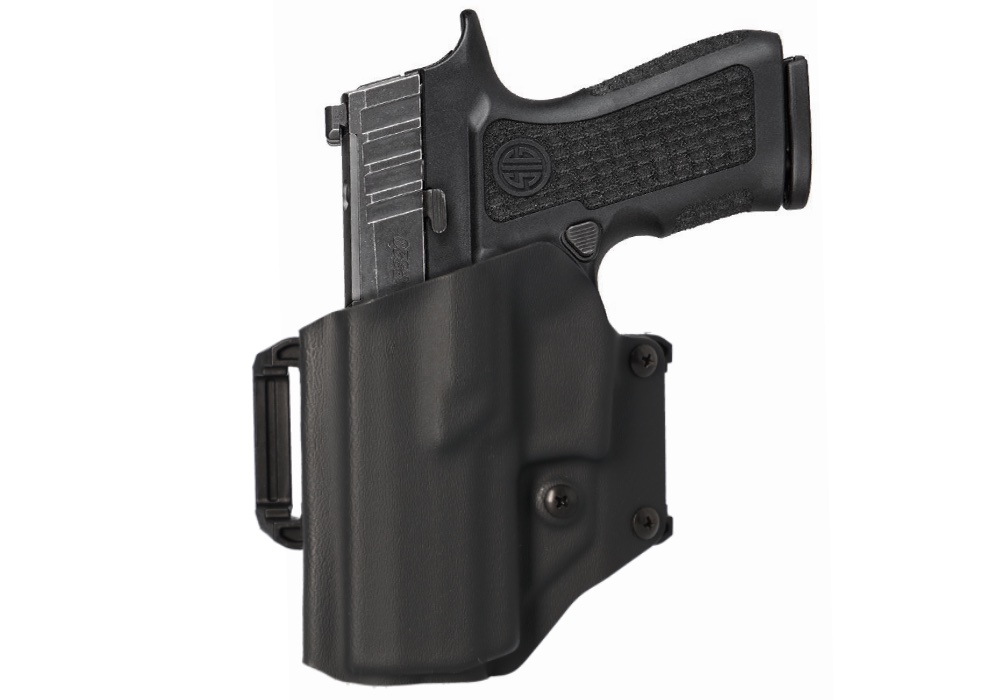
The broader equipment setup can influence how well a left-handed firearm fits into regular use. A compatible firearm and a comfortable supporting setup serve related but different purposes, and handedness should be considered across both. Holster orientation, for example, is separate from whether the firearm itself has ambidextrous controls. Compatibility also depends on the firearm’s exact dimensions and configuration, not simply its general type or the shooter’s dominant hand. For related accessories, Equipment for Left Handed Shooters provides a complementary category alongside firearms intended to accommodate left-handed use. Protective eyewear, hearing protection, secure storage, and suitable transportation remain important regardless of handedness. At a supervised range, a new shooter may be most concerned with a comfortable grip and an understandable control layout. Someone who participates in organized target events may place greater emphasis on consistency across practice sessions and compatibility with the event’s equipment rules. A hunter may weigh stock fit, balance, and carrying comfort alongside the firearm’s suitability for the intended activity. These priorities can overlap, but they do not produce a single best firearm for every left-handed person. Hand dominance and eye dominance are also separate traits, so a left-handed label cannot answer every fit question on its own. Professional instruction and an in-person fit assessment can add context that specifications cannot fully convey. Responsible ownership includes understanding the firearm’s operation, following applicable laws, and preventing unauthorized access through appropriate secure storage. If a firearm is being considered as a gift, the recipient’s preferences, legal eligibility, and applicable transfer requirements deserve particular attention; handedness alone is not enough to establish suitability. The lasting value of a left-handed configuration lies in its everyday compatibility with the person using it. Clear distinctions between dedicated left-handed, ambidextrous, and reversible designs help describe that compatibility accurately, while attention to fit, materials, care, and intended use gives those features meaning beyond the label.