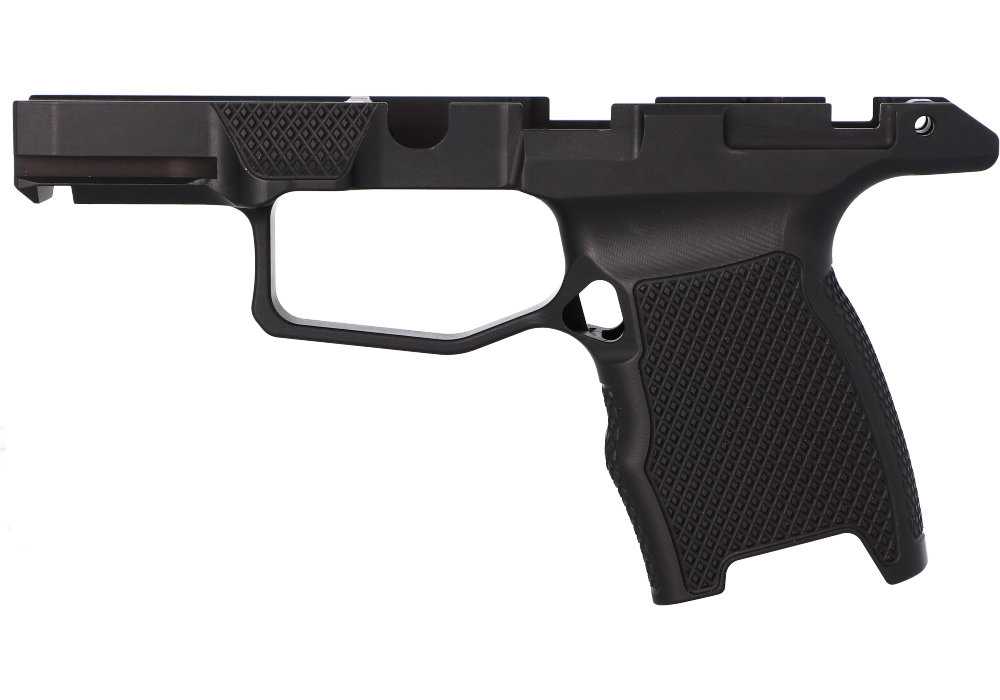
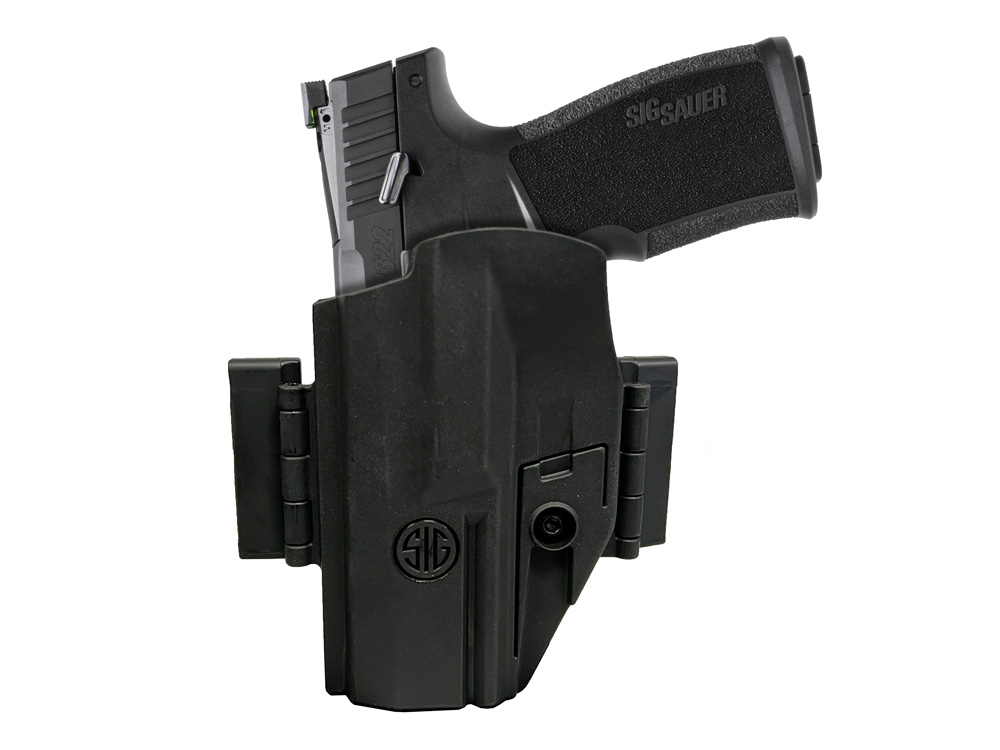
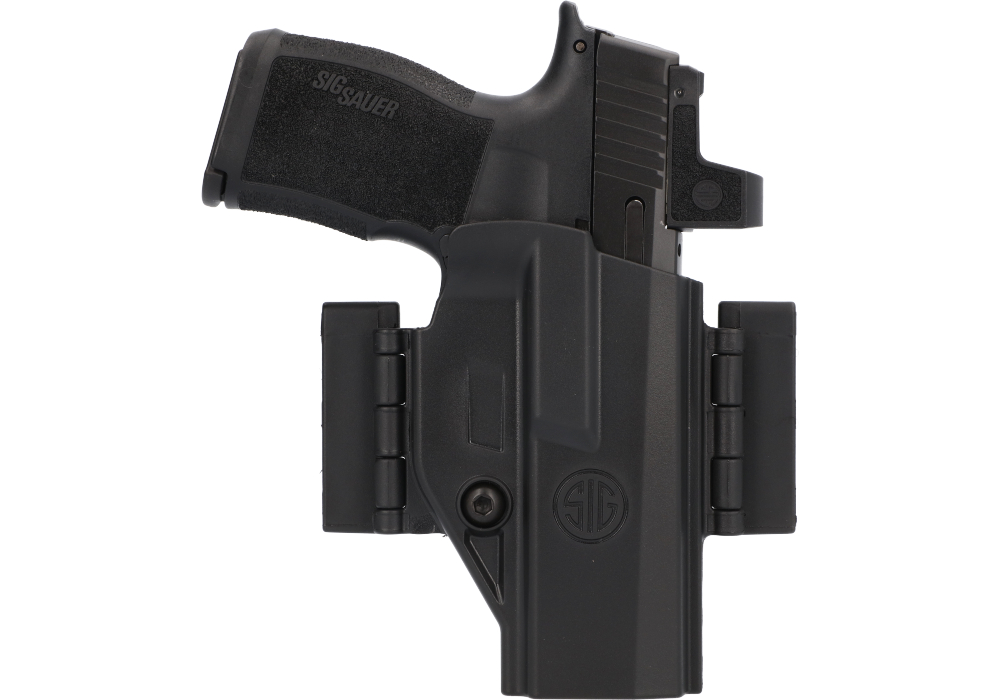
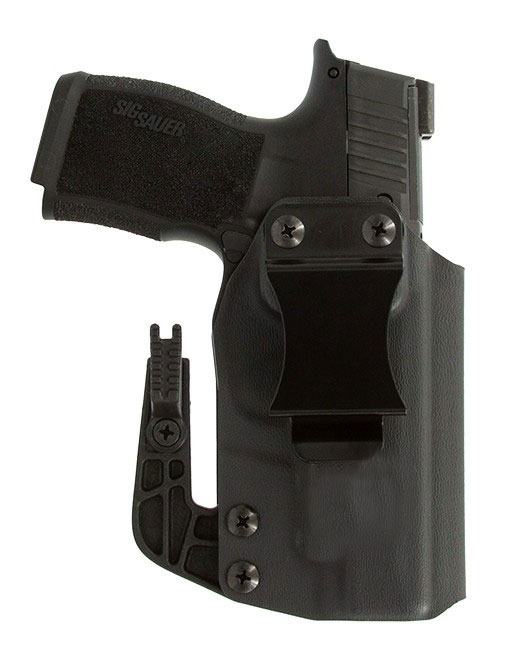
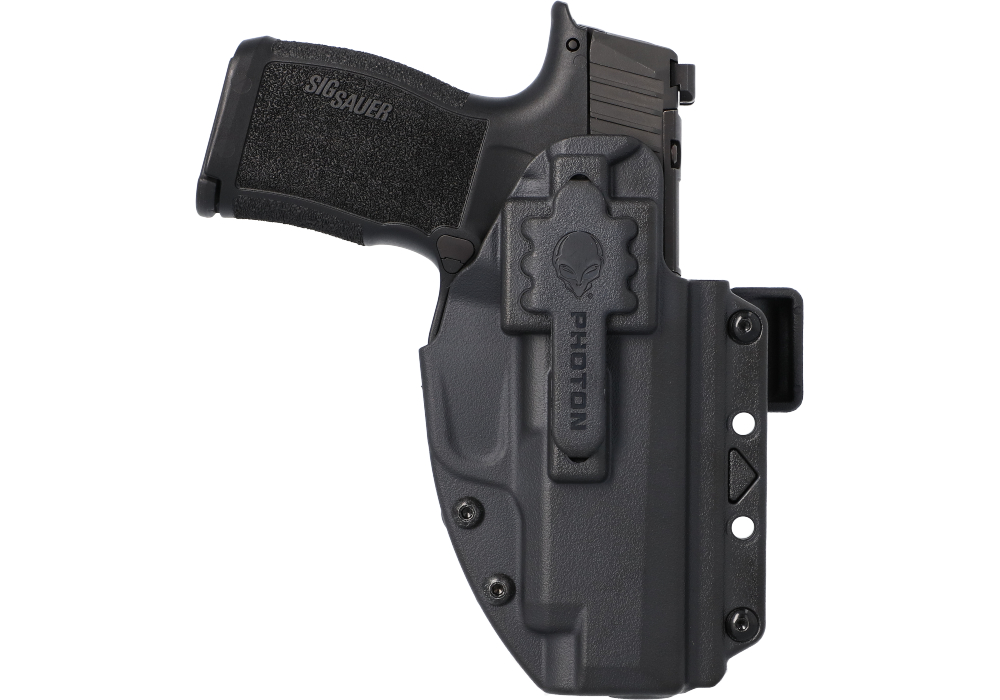
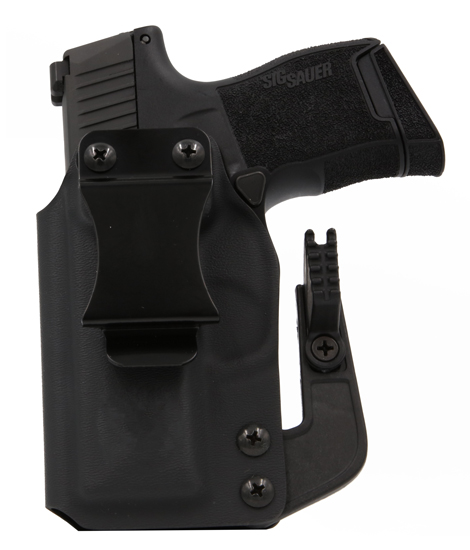
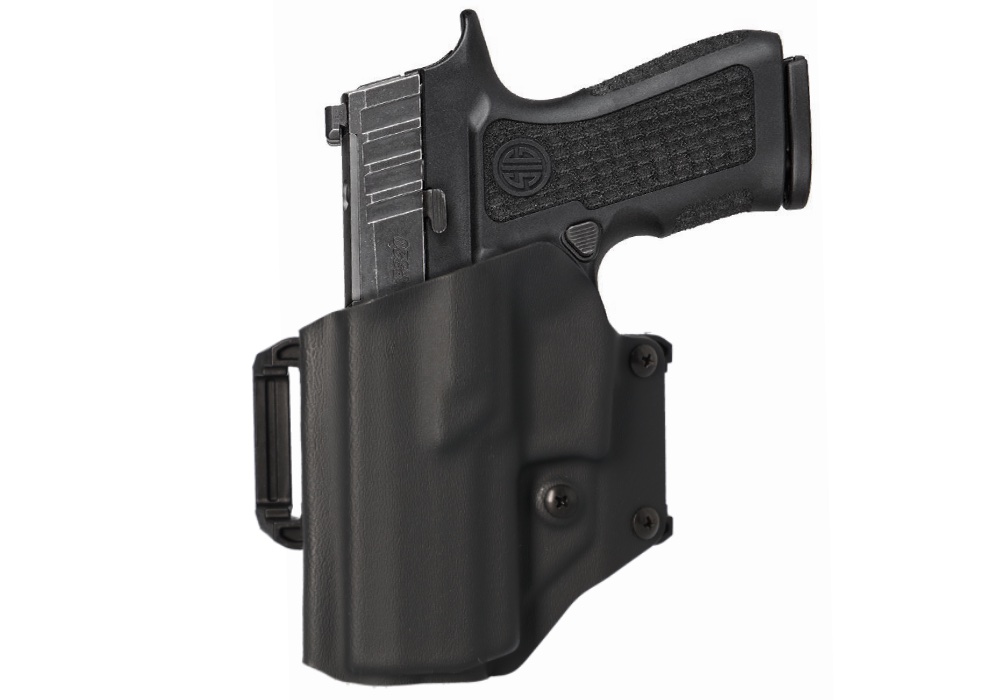
Equipment for left-handed shooters is designed to make firearm handling more natural, predictable, and comfortable from the opposite side of the firing line. While many modern firearms offer ambidextrous or reversible controls, the details can vary considerably between platforms, making compatibility and control placement important considerations when comparing recommended equipment. Handguns with reversible magazine releases, ambidextrous slide stops, or controls that can be operated without shifting the firing grip may help left-handed users maintain a consistent presentation and reload technique. Some designs use controls on both sides, while others allow the magazine catch or safety to be moved during setup. The best choice depends on hand size, reach, training habits, and whether the shooter prefers using the trigger-hand thumb, support-hand thumb, or a change in grip to operate each control. A left-hand-specific holster is equally important. Dedicated molded holsters are shaped for the draw direction, belt position, retention interface, and trigger guard coverage of a left-handed shooter, rather than simply relying on a generic pouch that can be worn on either side. Proper fit helps keep the firearm secure while allowing a clean, repeatable draw, and it can prevent straps or hardware from interfering with the magazine release. When selecting a holster, consider the firearm’s exact configuration, including an attached optic, light, or suppressor, as well as the intended use, clothing layers, carry position, and belt type. These products can be practical gifts for a left-handed shooter who has often had to adapt to right-handed equipment, particularly when the gift is selected around a known firearm and a specific carry setup. A gift card or accessory chosen with the recipient’s preferred platform in mind can also be more useful than a universal item that may not fit securely.
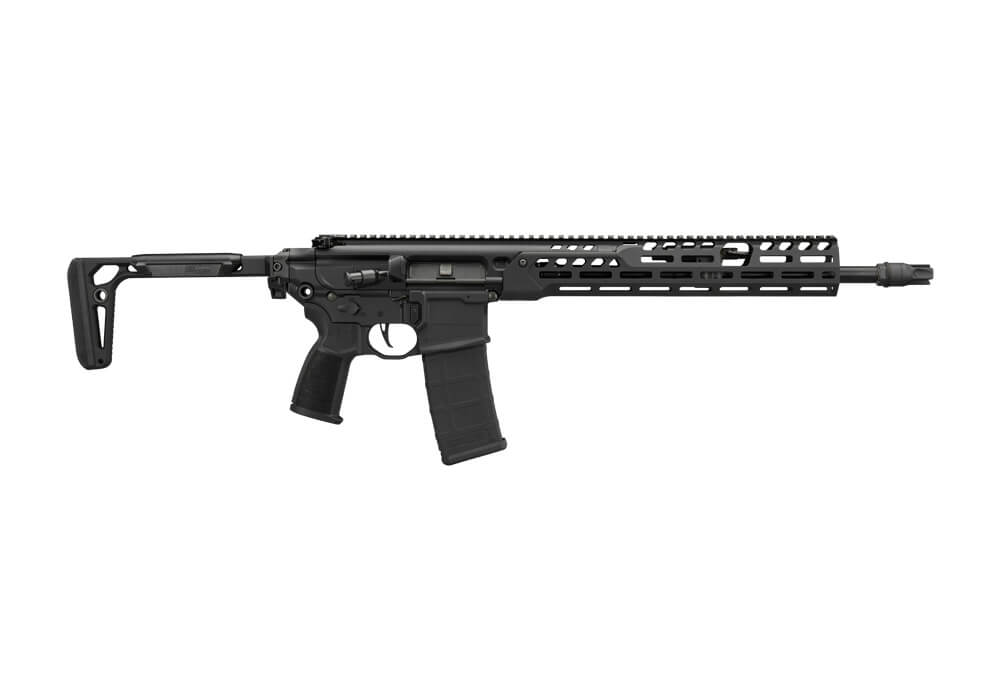
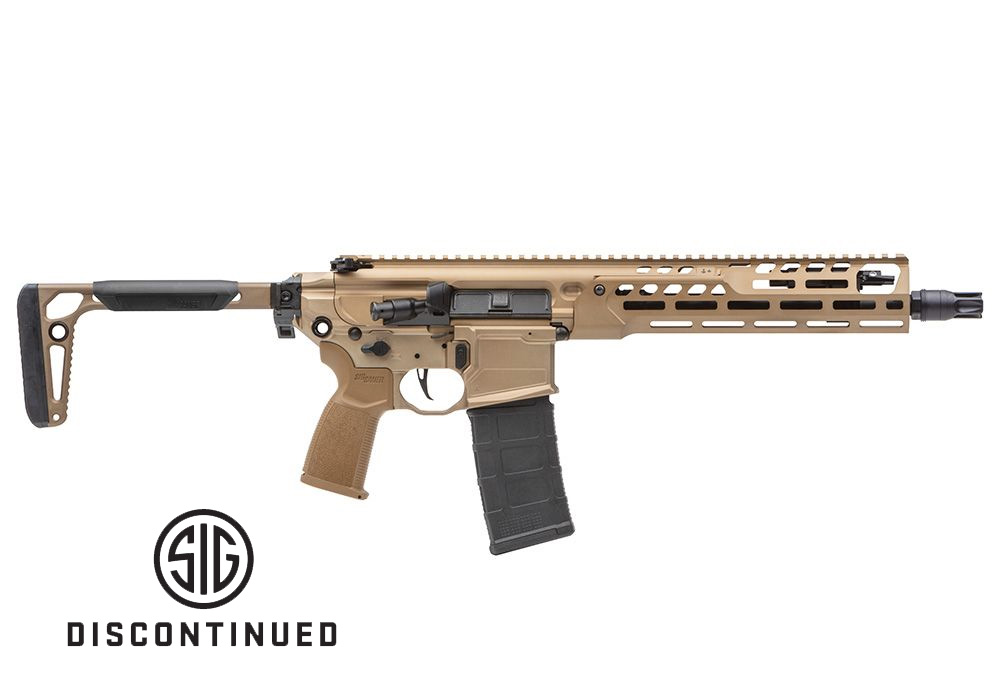
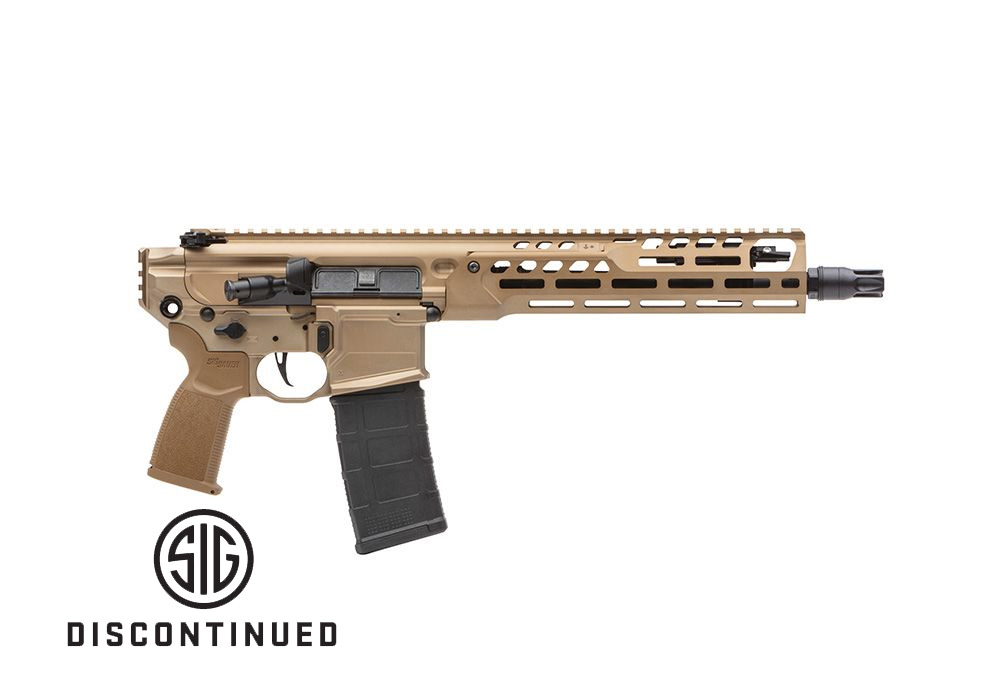
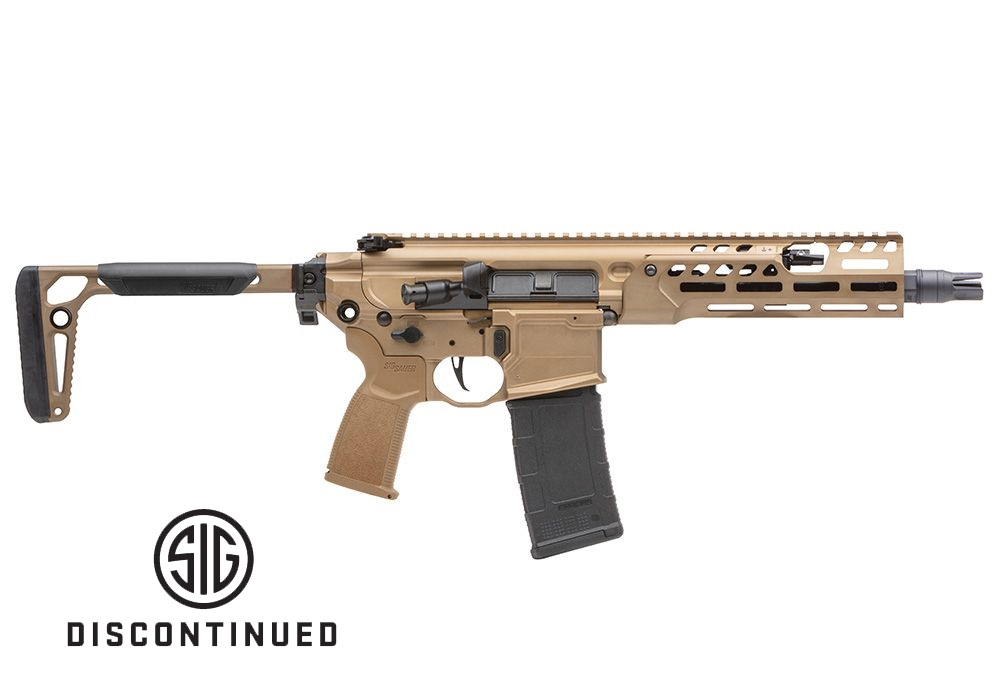
Rifles require additional attention to ejection direction, charging controls, sling placement, and the location of the safety selector. Dedicated left-ejecting rifles and upper receivers are built to direct spent brass away from the shooter’s face, which can be especially helpful for users who fire from the left shoulder. Fully ambidextrous rifles may offer controls on both sides while retaining a conventional ejection pattern, giving the shooter flexibility without requiring a dedicated left-ejecting configuration. For those using a standard right-ejecting rifle from the left shoulder, the path of brass, vented gases, charging-handle position, and cheek weld should be evaluated carefully before purchase. An ambidextrous safety selector, reversible or centrally accessible magazine release, oversized charging-handle latch, and reversible sling attachment can make a familiar rifle easier to operate without breaking the firing position. Sling hardware deserves close attention because a mounting point that works well on the right side may place webbing, swivels, or adjustment tabs in an awkward location when the rifle is shouldered left-handed. The same principle applies to optics and weapon-mounted lights. An optic should provide a clear sight picture from the shooter’s dominant eye and leave enough clearance for charging and manipulation, while a light or pressure switch should be positioned so it can be activated naturally with the support hand or left-side thumb. Standard and extended capacity magazines should be checked for reliable fit, release access, and ease of insertion from the intended shoulder position. Shooters considering bullpup configurations should verify the ejection system before purchase, since some models eject only to the right and may not be suitable for comfortable left-shoulder use. Equipment listed for Ambidextrous Grip Rifles For Left Handed Shooters can provide another option for users who want a rifle interface that accommodates either hand without having to reach across the receiver or modify established handling habits.
Beyond the firearm itself, left-handed shooting equipment can include magazines, magazine pouches, range bags, slings, shooting gloves, ear and eye protection, and training accessories selected around the shooter’s natural movement. Magazine pouches should present the magazine at an angle that supports a smooth left-handed reload, with enough retention to keep equipment secure during movement but not so much resistance that removal becomes cumbersome. Range bags with configurable compartments can help separate loaded magazines, unloaded firearms, ammunition, tools, and protective equipment, while a layout that opens toward the shooter’s preferred side may make setup and cleanup more efficient on a crowded bench. Eye protection should provide full coverage around the lenses, and hearing protection should allow a stable fit without interfering with a cheek weld, stock, or holster. These details become more noticeable during longer range sessions or during the cooler months, when jackets, gloves, and additional layers can change the way a sling, holster, or firearm sits against the body. Left-handed shooters who practice both recreationally and for defensive purposes may also value equipment that supports the same control sequence across multiple firearms, reducing unnecessary adjustments when transitioning between platforms. Before purchasing, confirm the firearm model, generation, barrel or slide length, optic cut, light pattern, magazine type, and intended carry or storage method. Review manufacturer specifications, follow all applicable laws, and have a qualified professional check fit or demonstrate safe operation when needed. Firearm safety rules remain the foundation of every setup: treat every firearm as loaded, keep the muzzle pointed in a safe direction, keep the trigger finger outside the trigger guard until ready to fire, and know the target and what lies beyond it. With the right combination of left-hand-specific and truly ambidextrous equipment, shooters can spend less time working around controls and more time building a comfortable, consistent routine.