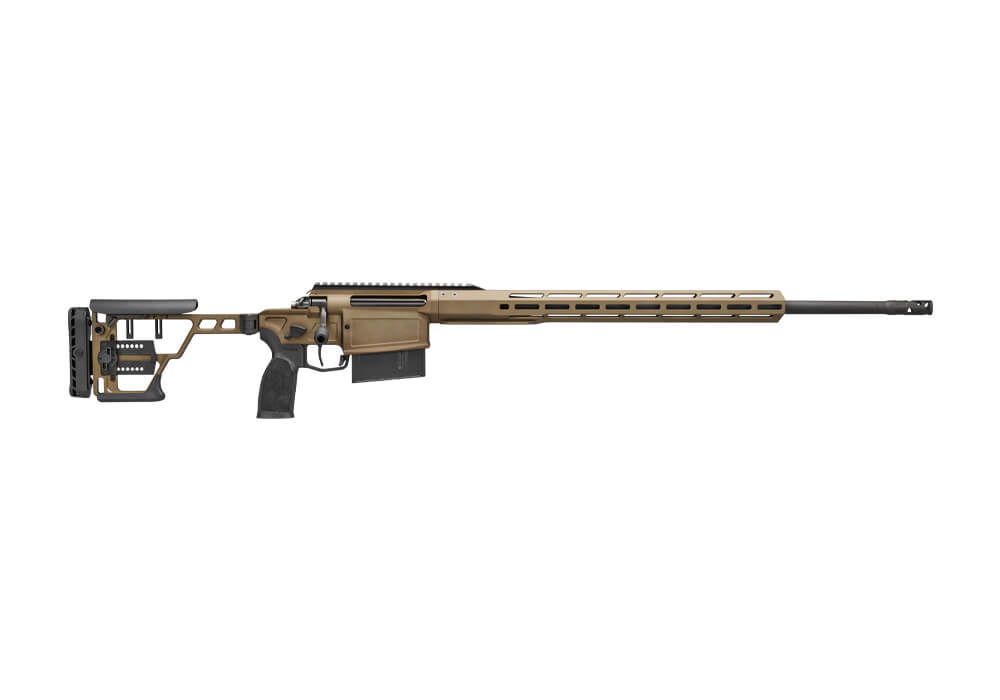
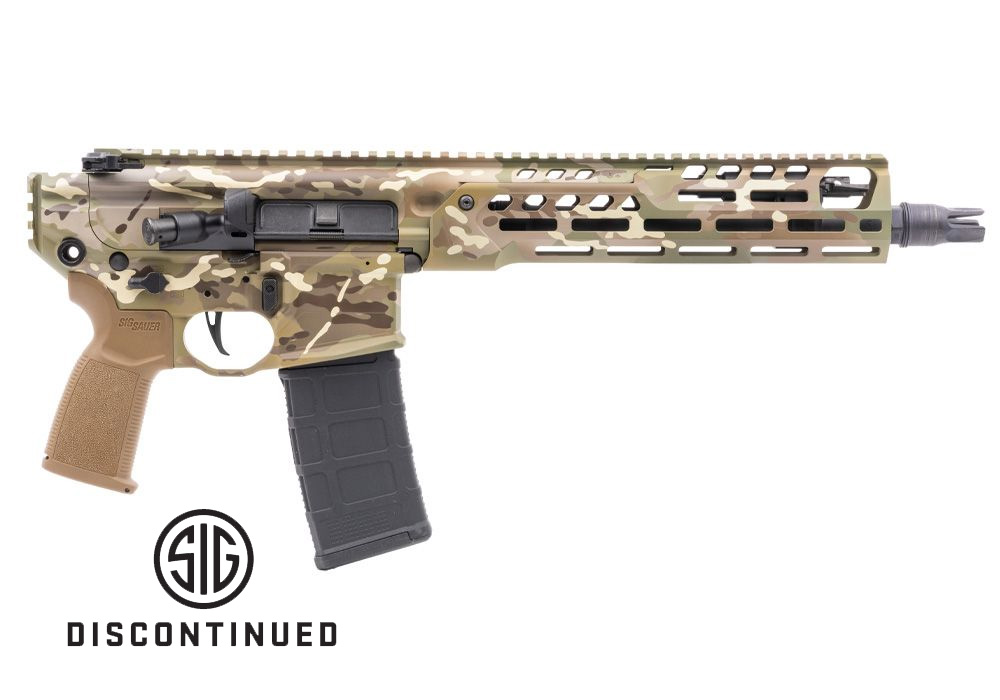
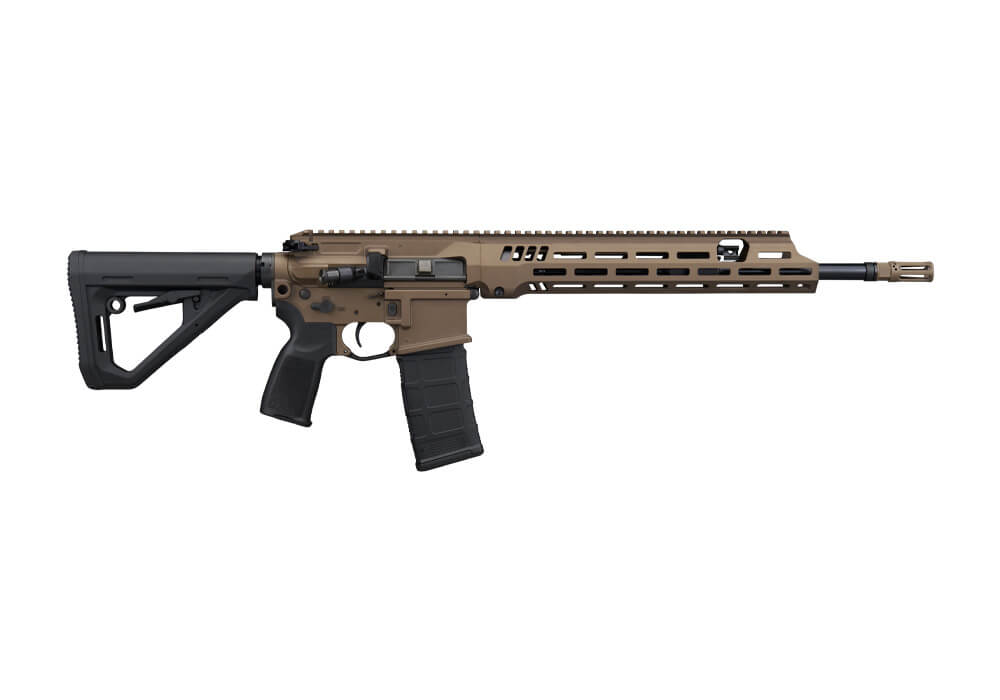
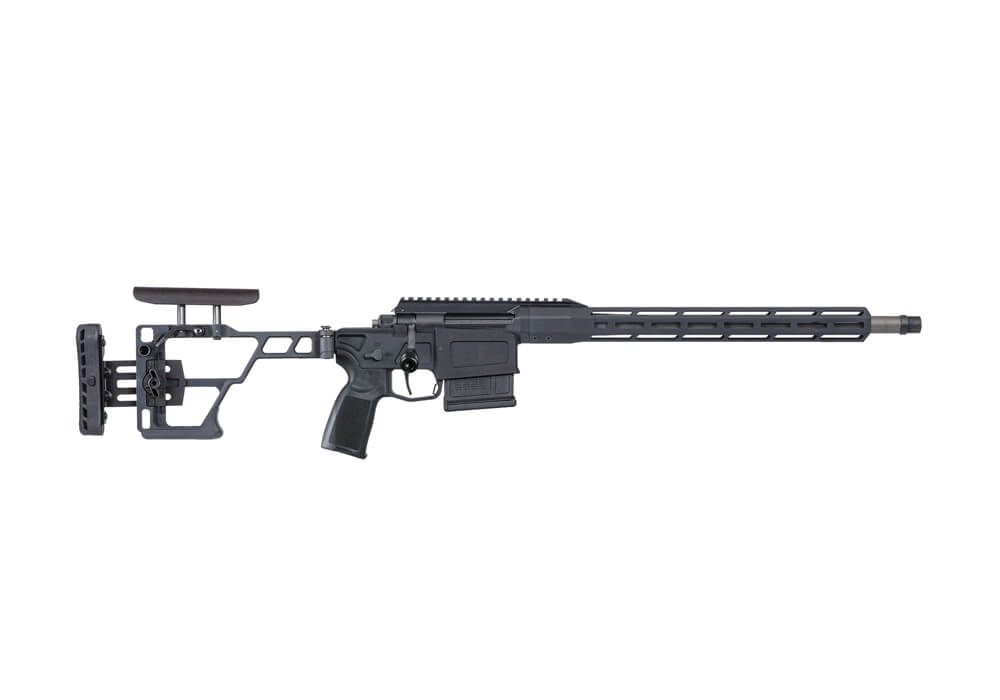
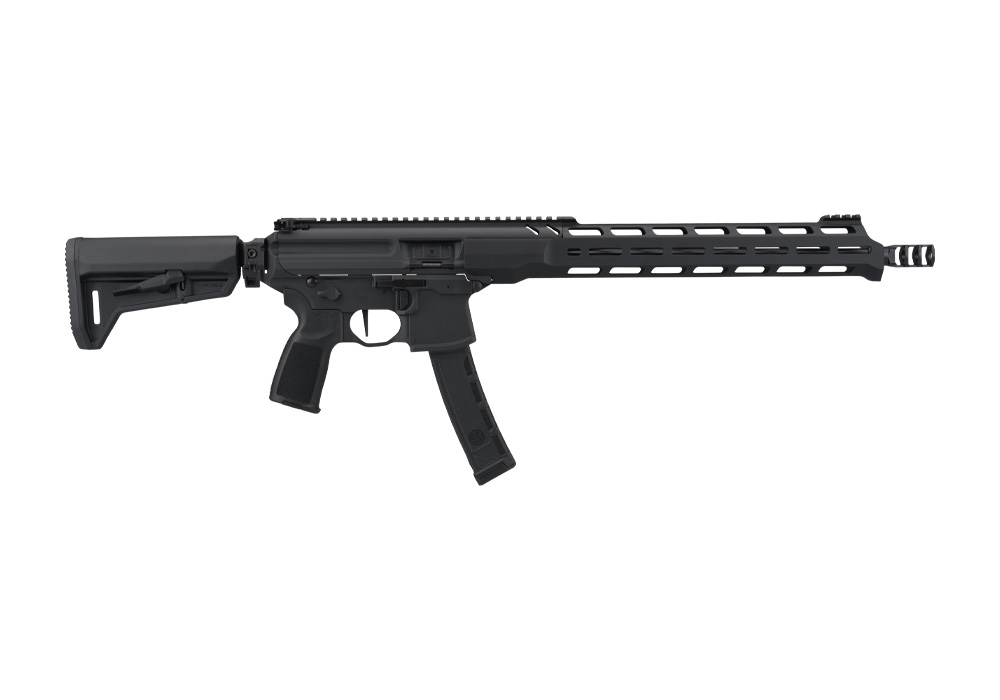
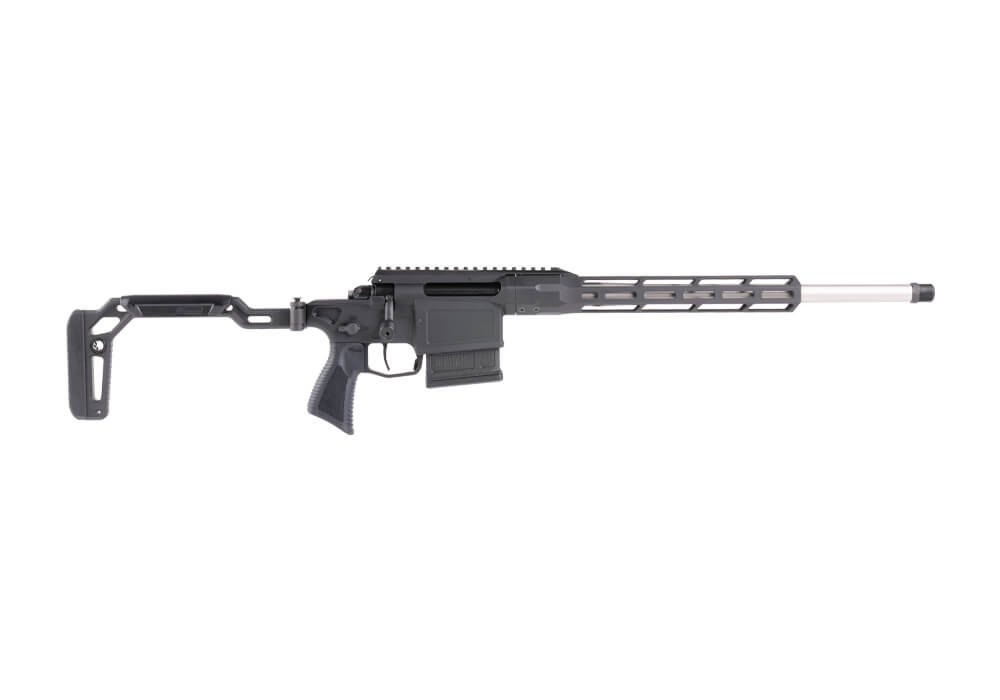
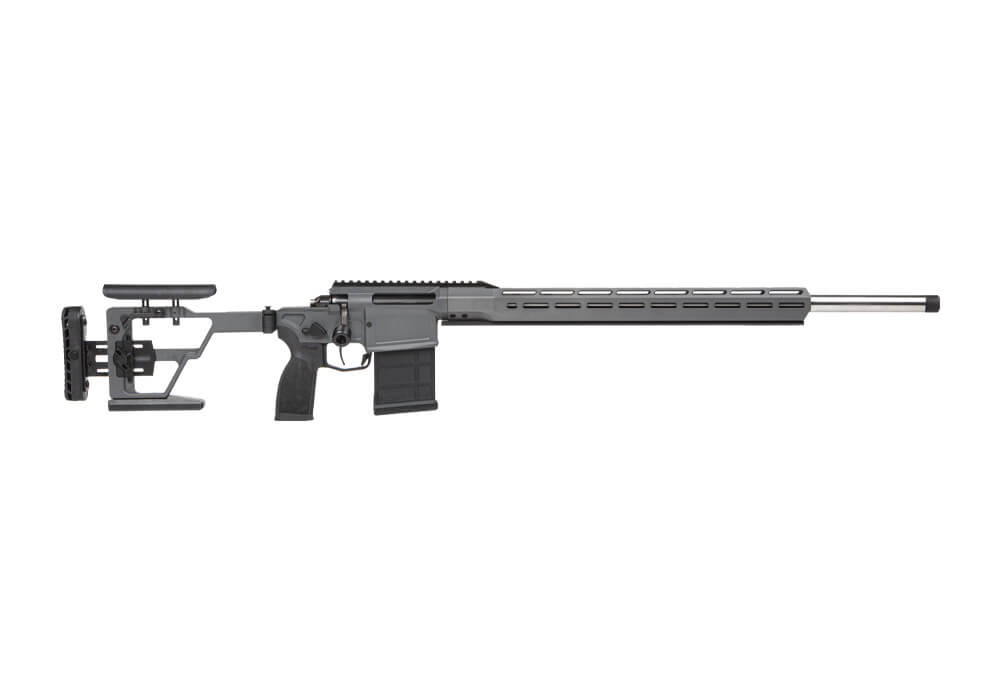
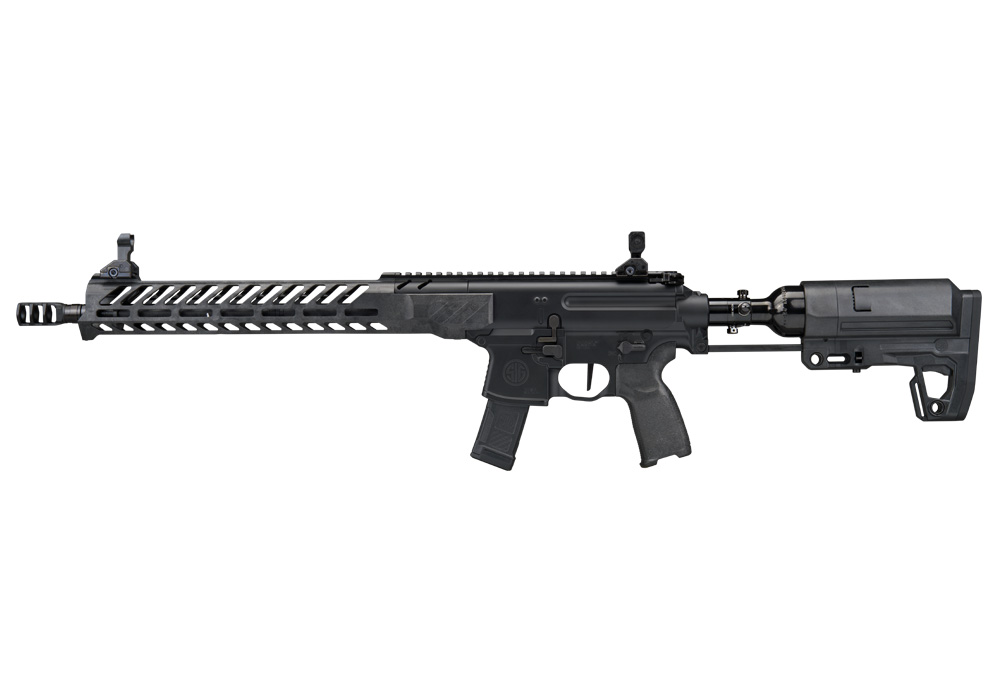
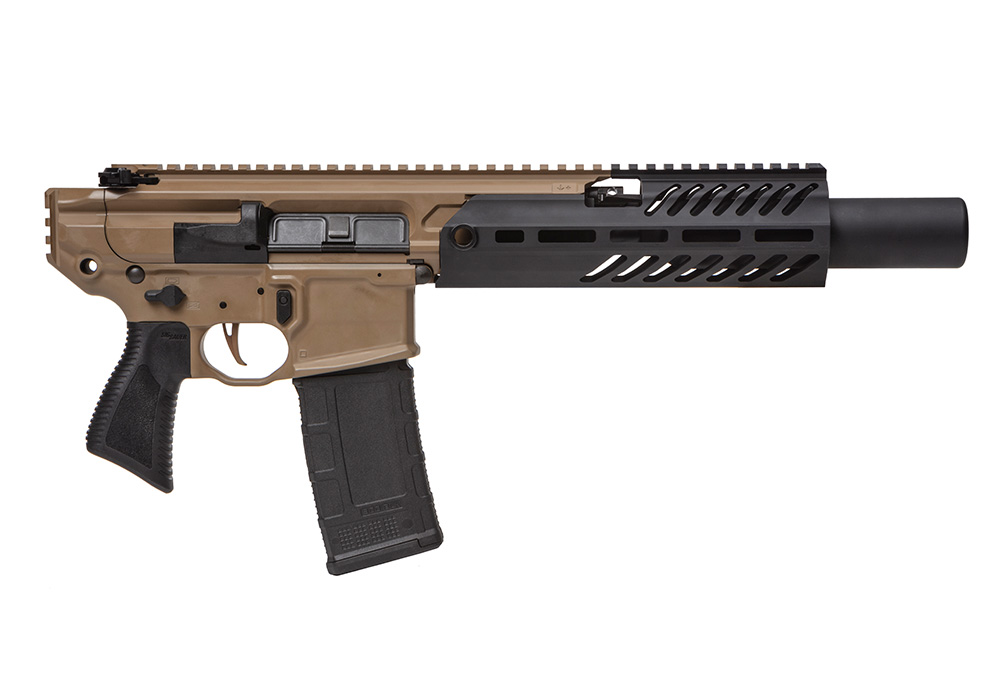
Civilian rifles with advanced performance bring together the practical features modern shooters value most: dependable operation, thoughtful ergonomics, adaptable configurations, and the accuracy needed for consistent work on the range or in the field. This category may include precision bolt-action rifles built around rigid receivers and match-oriented barrels, modern sporting rifles with modular furniture and free-floating handguards, and traditional lever-action platforms refined with contemporary sights, materials, and controls. Rather than focusing on a single design, this selection reflects the range of purposes a rifle can serve for a lawful civilian owner. A precision-oriented rifle may be chosen for disciplined target practice, long-range competition, or careful varmint control where local regulations allow. A modular semi-automatic platform may appeal to a shooter who values adjustable fit, familiar controls, and the ability to configure the rifle for different range sessions. A lever-action or big-bore rifle can offer a distinctive handling experience, practical field utility, and a connection to classic sporting traditions. Across these designs, advanced performance is usually found in details that become meaningful over time: a crisp and predictable trigger, a barrel designed to maintain consistency through repeated sessions, an optic-ready receiver, ambidextrous controls, a comfortable stock, and a balance that feels natural when the rifle is shouldered. During the cooler months, these qualities are especially noticeable as shooters spend longer stretches at outdoor ranges, moving between benches, shooting positions, and equipment cases. The right rifle should feel manageable rather than excessive, with controls that can be operated confidently and a configuration suited to the owner’s experience, body type, and intended use.
When comparing civilian rifles with advanced performance, start with the role the rifle is expected to fill, then evaluate the specifications that support that role. Caliber affects ammunition cost, recoil, availability, and the distances or game species for which a rifle may be appropriate, so it deserves careful consideration rather than being selected by reputation alone. Barrel length influences overall balance, portability, sight radius on non-optic setups, and velocity, while barrel profile can affect handling and sustained accuracy. Bolt-action rifles are often valued for their straightforward operation and repeatable lockup, making them a natural choice for precision practice and deliberate field shooting. Modern semi-automatic rifles can provide fast follow-up shots and flexible accessory mounting, with controls and stock adjustments that help accommodate different shooters. Lever-action rifles offer compact handling and a distinctive manual action, while big-bore options may be selected for specific hunting applications where permitted. Optic compatibility is another important part of the purchase decision. A rifle intended for close-to-moderate range use may pair well with a compact sighting system, while a precision setup may call for an optic with magnification, a suitable reticle, and mounts that preserve a stable zero. Weight matters, too: a rifle that is comfortable from a bench may feel very different during a long walk across uneven ground. Standard or extended capacity magazines should be selected only where lawful and appropriate, and buyers should verify compatibility before adding accessories. It is also worth accounting for sling attachment points, replacement magazines, cleaning equipment, ammunition, hearing and eye protection, and a secure locking solution. For someone receiving a rifle as a gift, the most thoughtful approach is confirming eligibility, local requirements, preferred configuration, and intended use before purchase. A carefully chosen case, safe-storage accessory, or training experience can be just as valuable as the rifle itself.
A well-selected rifle becomes more useful as the owner develops familiarity with it. New buyers should plan for professional instruction, supervised range time, and a gradual process of learning the rifle’s controls, sighting system, loading procedure, and maintenance routine. Safe handling begins with treating every firearm as loaded, keeping the muzzle pointed in a safe direction, keeping the trigger finger outside the trigger guard until ready to fire, and being certain of the target and what lies beyond it. Secure storage is essential, particularly in homes with children or visitors; a locked container or other appropriate locking method helps prevent unauthorized access, while ammunition should be stored responsibly and in accordance with applicable law. Routine care also supports dependable performance. After a range session, many owners appreciate the simple rhythm of checking the chamber, separating the rifle from its ammunition, inspecting contact surfaces, and following the manufacturer’s instructions for cleaning and lubrication. That habit can turn maintenance into part of the shooting experience, much like laying out gear on a workbench while the last light fades outside. Buyers seeking additional options can explore High Performance Tactical Rifles alongside precision, modern sporting, and traditional rifle categories. Whether selected for competition, recreational range use, lawful hunting, collecting, or as a carefully considered gift, civilian rifles with advanced performance are best matched by purpose, fit, training, and responsible ownership. Reviewing applicable federal, state, and local laws before purchasing, transferring, transporting, or configuring a rifle helps ensure that the entire ownership experience remains safe, compliant, and rewarding through every season.