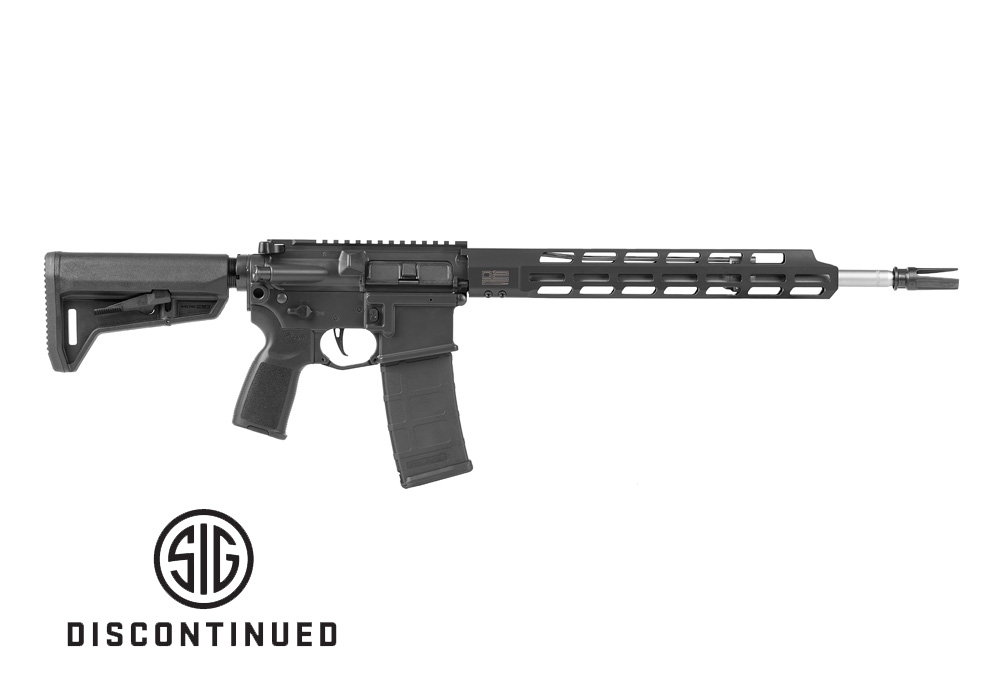
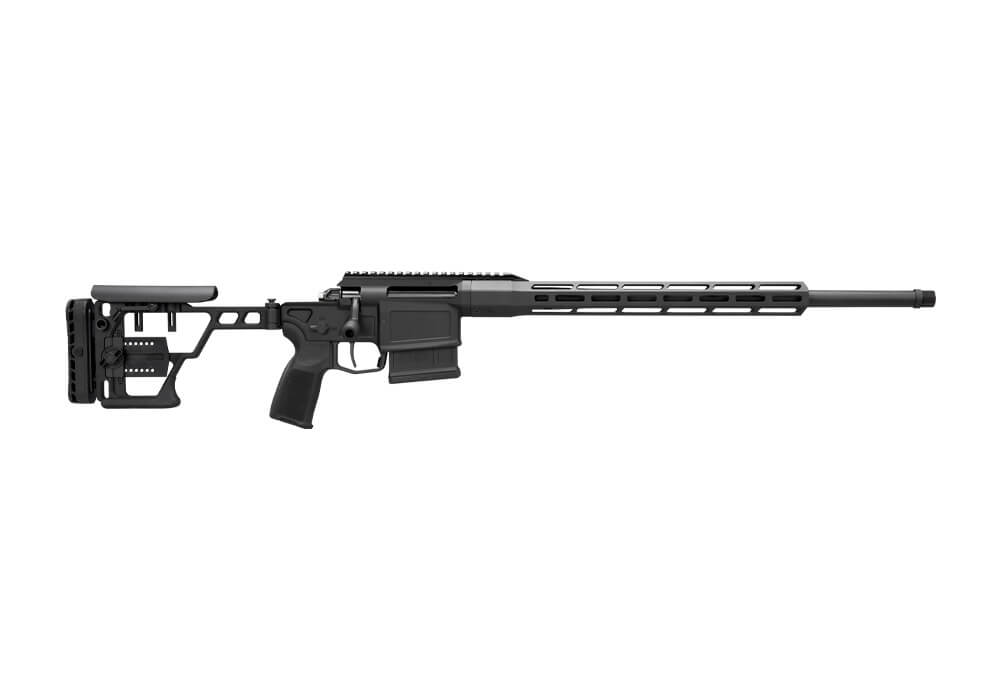
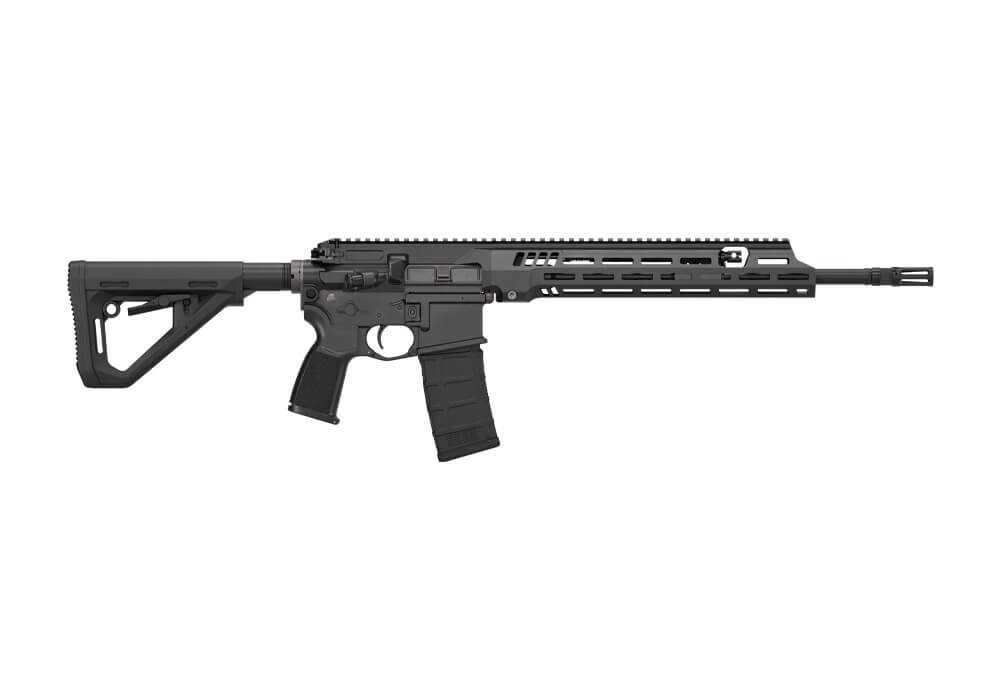
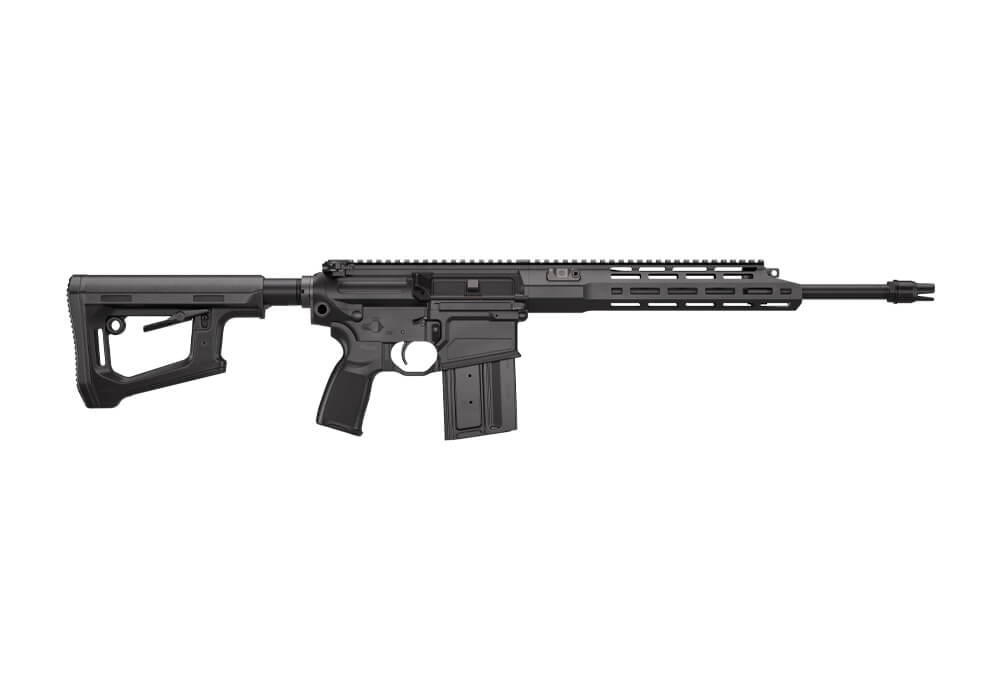
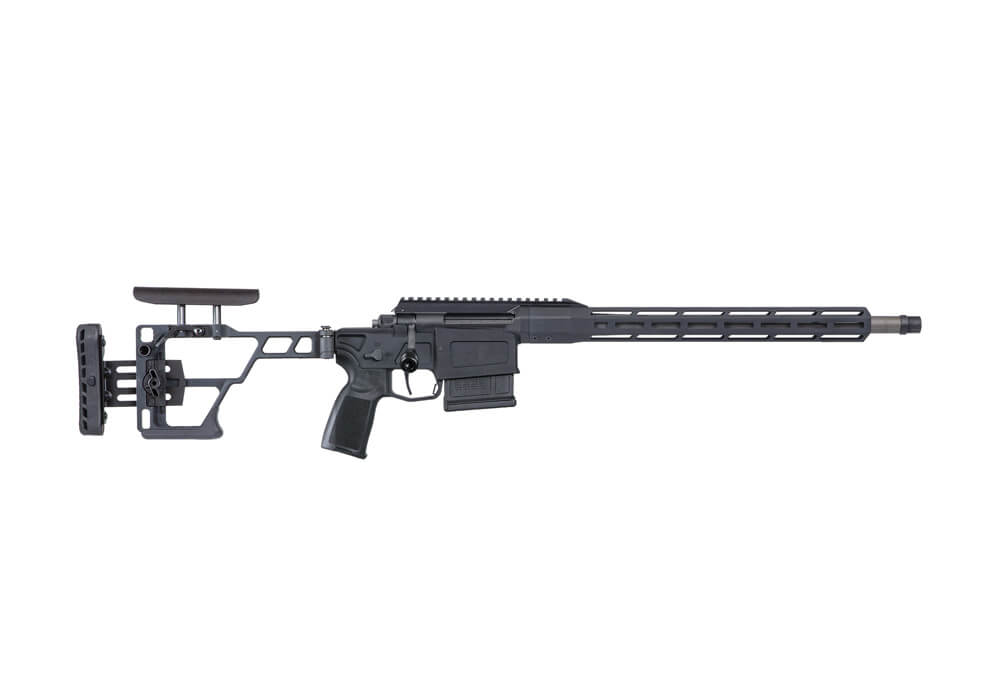
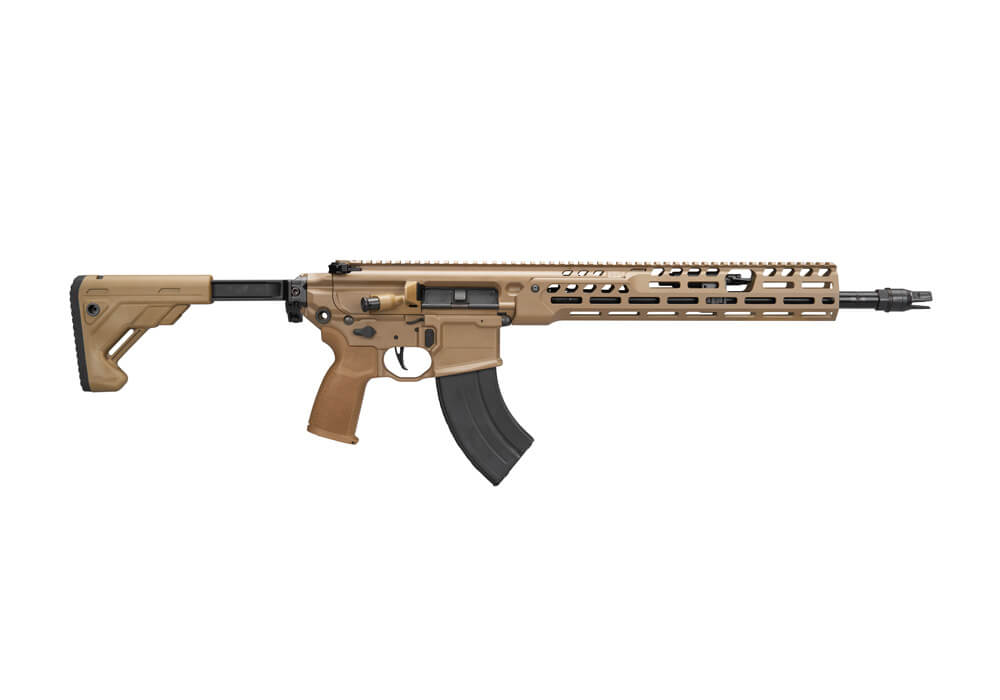
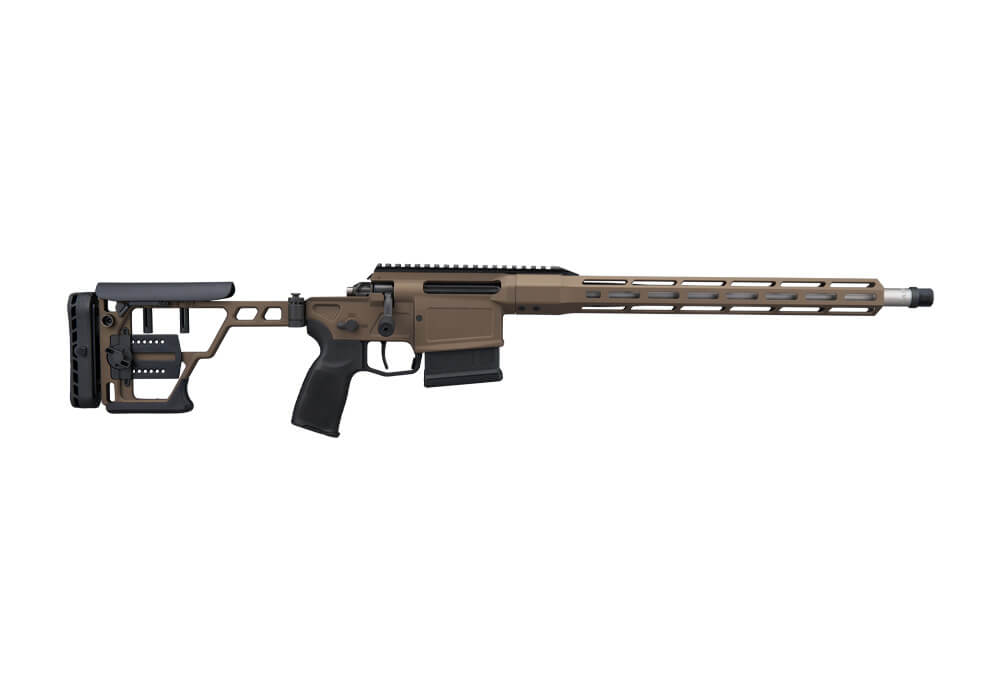
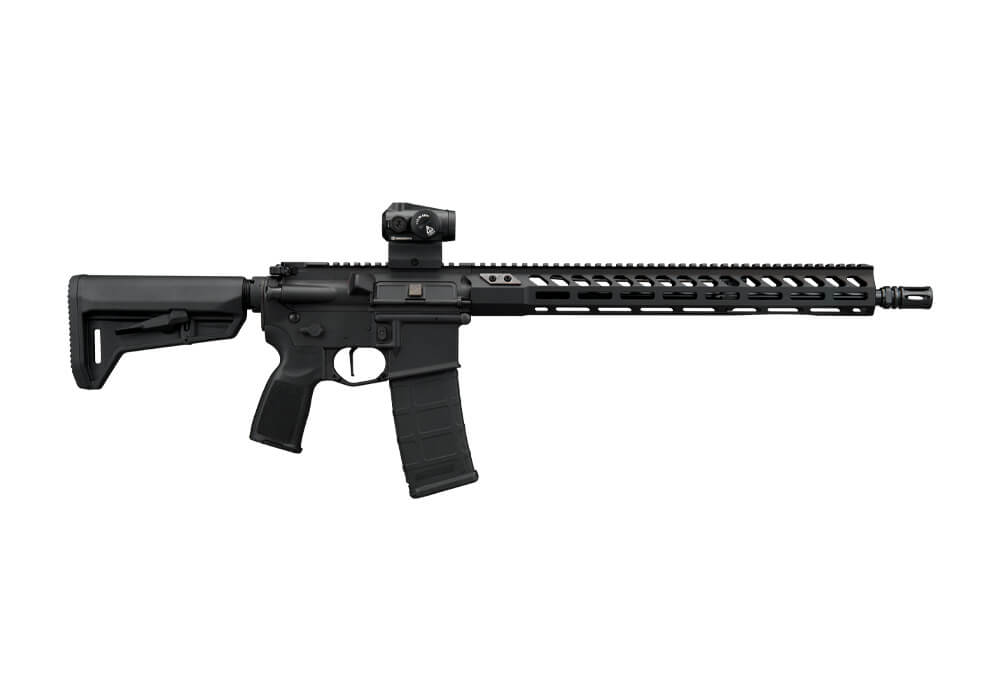
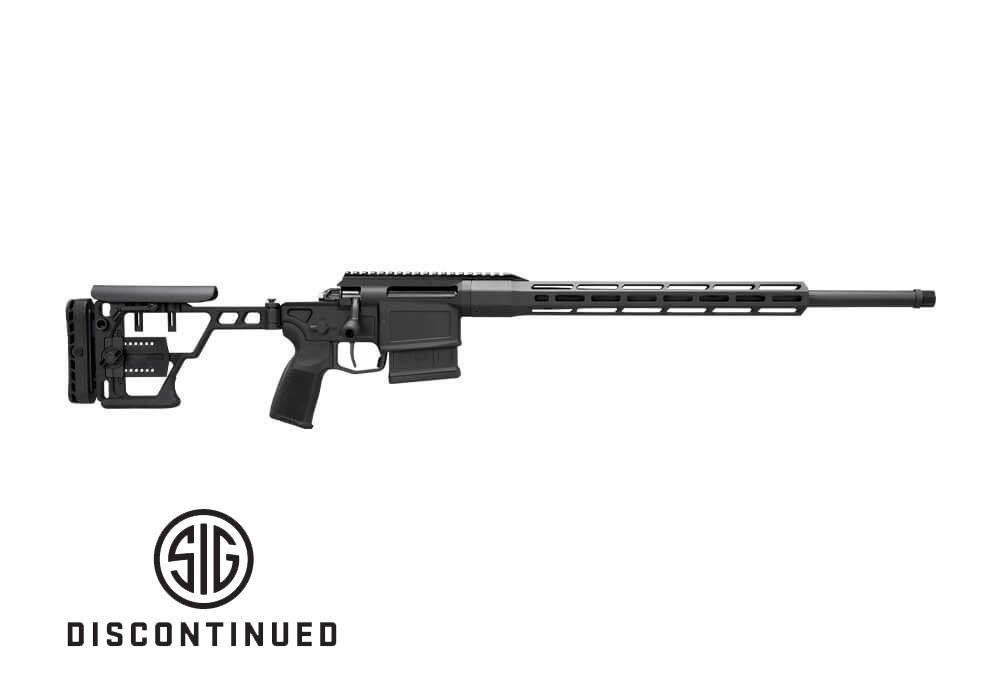
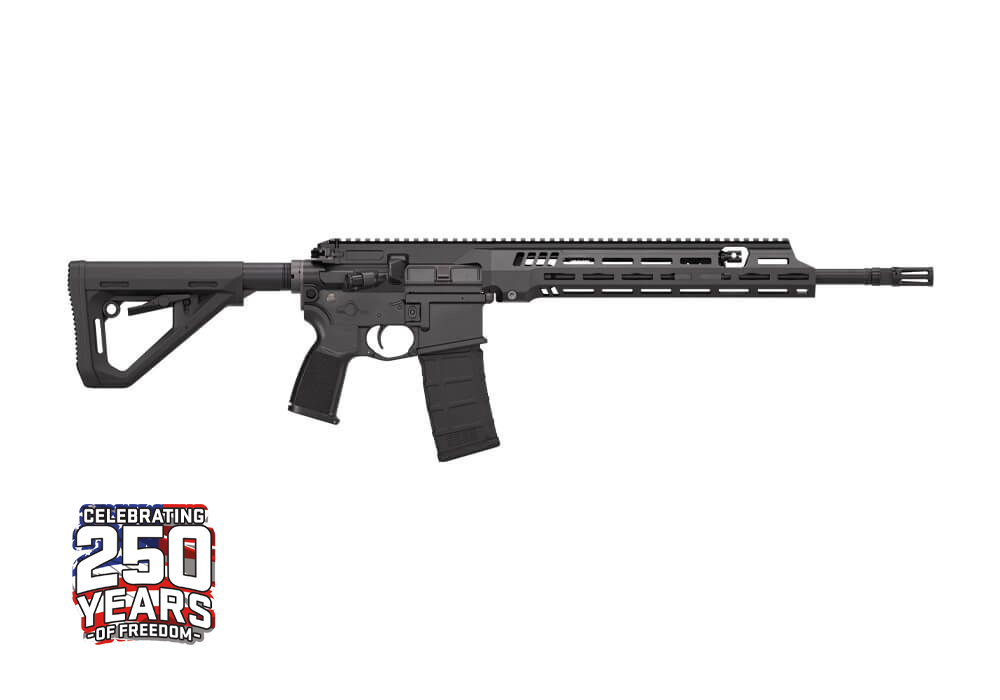
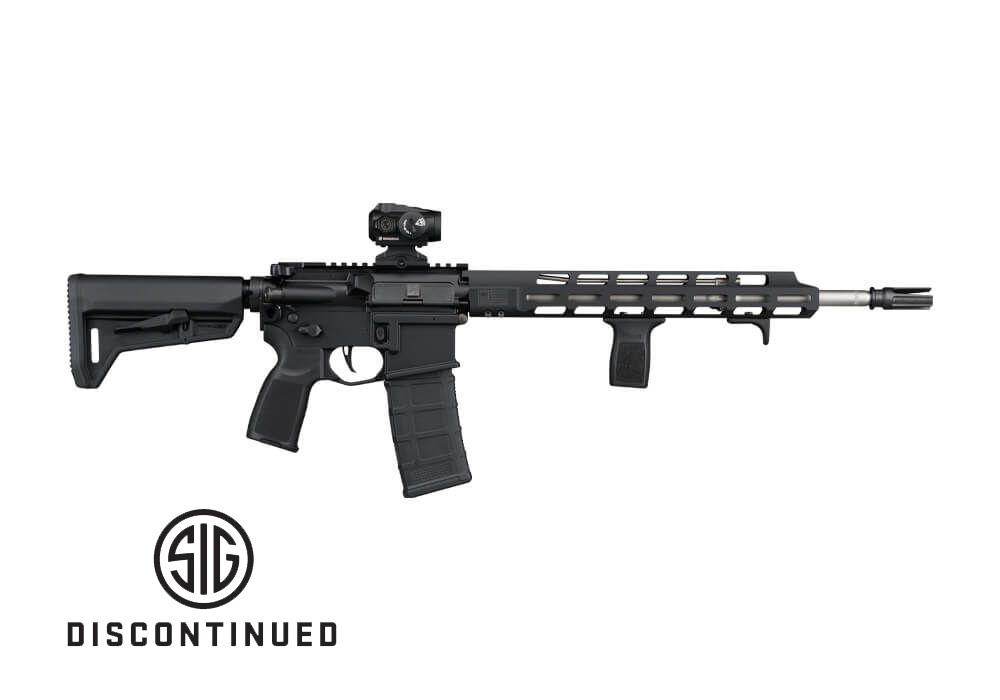
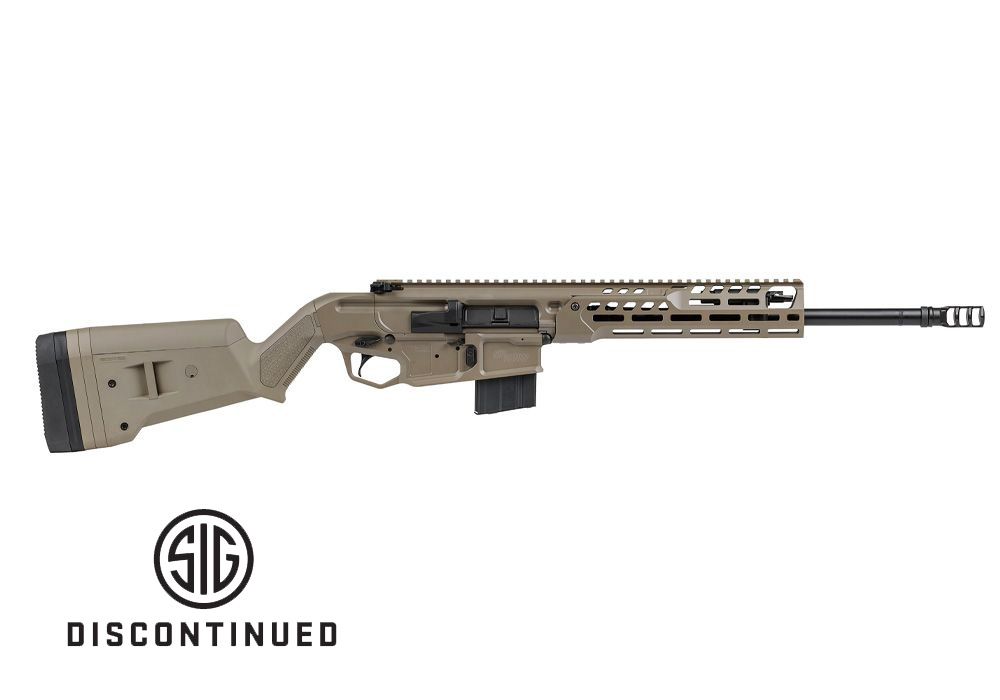
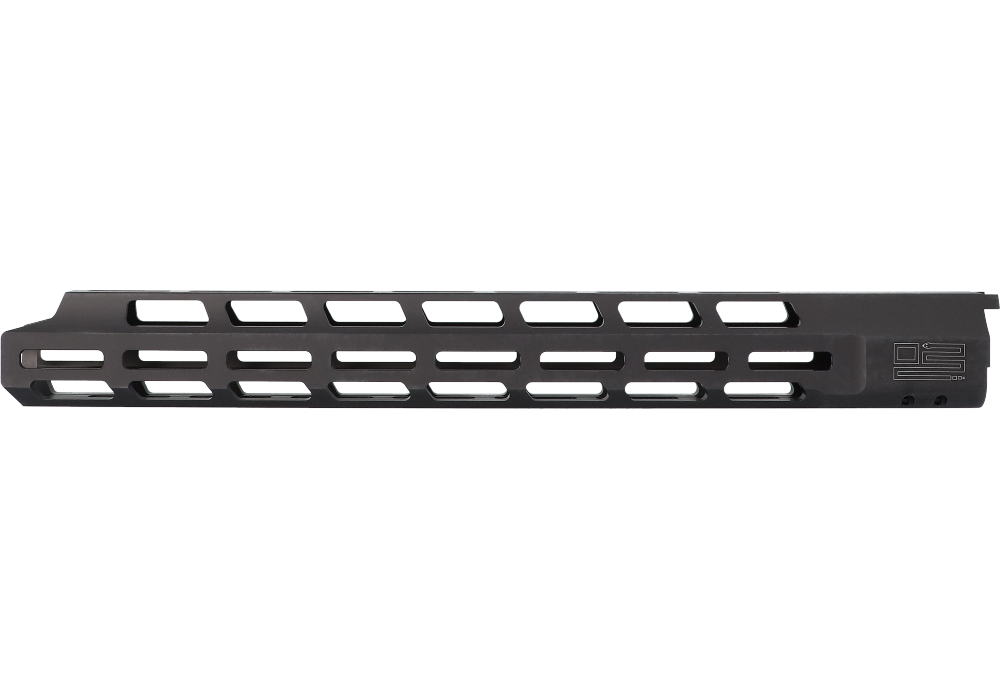
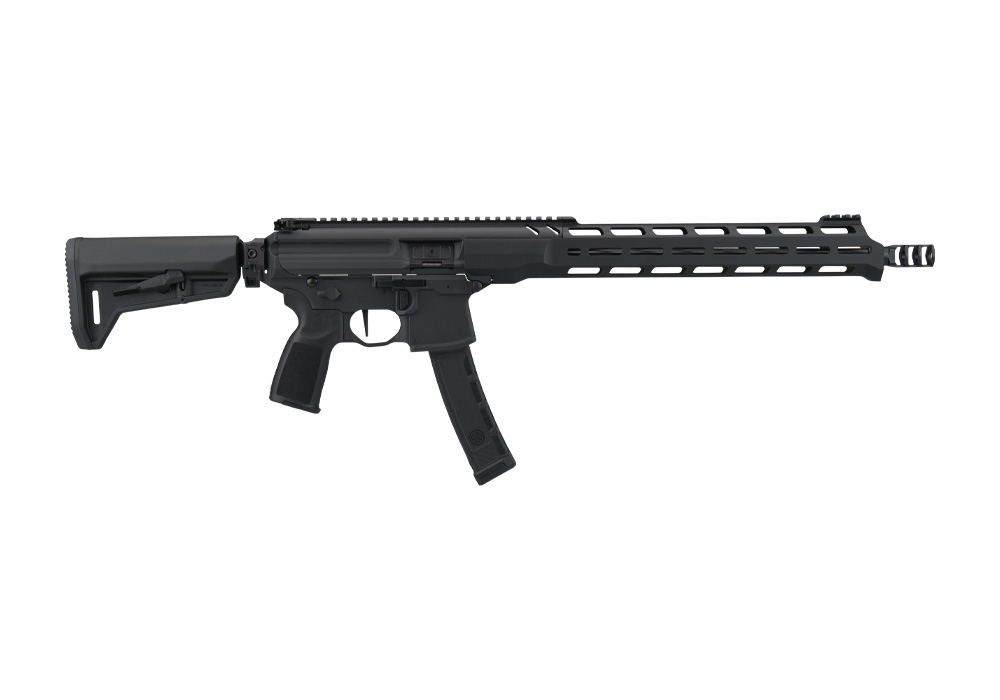
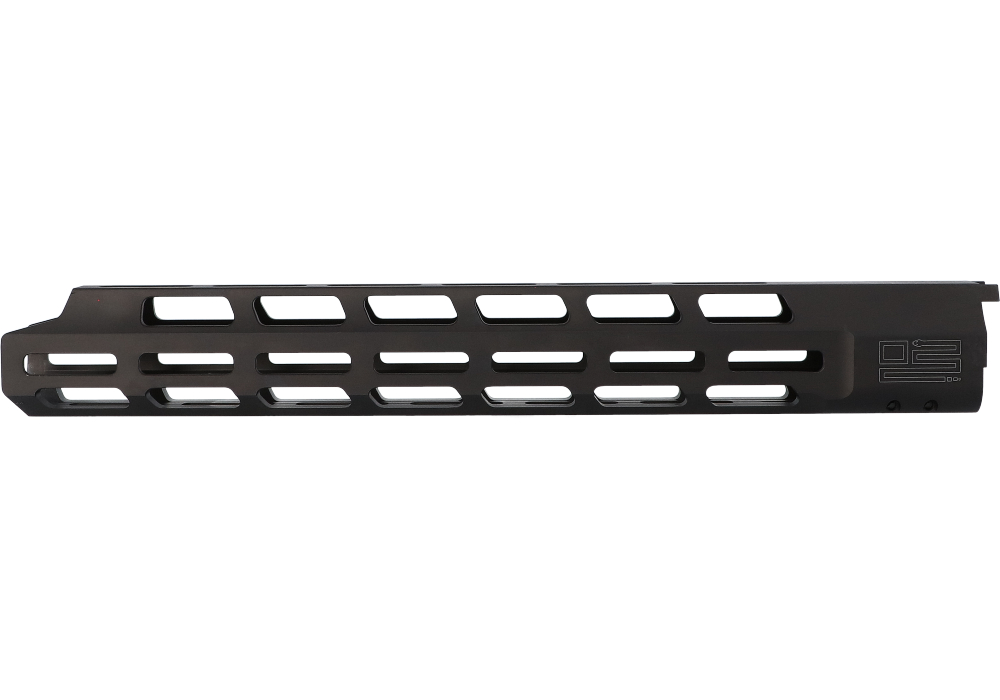
Civilian rifles with free floating handguards are designed for shooters who value a stable, adaptable platform for target practice, recreational shooting, training, hunting, and lawful defensive use. A free floating handguard attaches to the upper receiver or barrel nut rather than making contact with the barrel, allowing the barrel to move through its natural vibration cycle with less outside influence. This distinction matters when a shooter applies pressure through a sling, rests the rifle on a barricade, or uses a bipod. On a conventional handguard that contacts the barrel, those forces can introduce barrel deflection and shift the point of impact. A properly installed free float system helps reduce that variable, supporting more consistent groups from one shooting session to the next. It does not replace sound fundamentals, quality ammunition, or careful zeroing, but it gives the rifle a predictable foundation. Many civilian rifles in this category use an M-LOK-compatible handguard, providing a clean, lightweight way to attach a light, sling mount, hand stop, or other compatible accessory where it is most comfortable for the shooter. For shoppers comparing configurations, it can be helpful to explore Carbines With Free Floating M Lok Handguards as another option within the same general design family.
Choosing among civilian rifles with free floating handguards begins with identifying how the rifle will be used and what feels natural in the hands. A compact, lighter configuration may be comfortable for range drills, field carry, or maneuvering around a property, while a longer barrel and more substantial stock can provide a steadier feel from a bench or supported position. Chambering is another important consideration. Rifles chambered in 5.56 NATO or .223 Remington are widely selected for recreational shooting and training because ammunition is commonly available and recoil is generally manageable for a broad range of shooters. A rifle chambered in .308 Winchester or 7.62x51mm NATO may be a better fit for those who want greater downrange energy or intend to pursue appropriate game where permitted, though ammunition, rifle weight, and recoil deserve close attention. The best setup is not necessarily the most specialized one; it is the configuration that matches the shooter’s experience, physical comfort, local regulations, and intended distances. Examine the handguard’s length, texture, and attachment points, then consider whether the stock and pistol grip allow a relaxed, repeatable cheek weld and trigger position. Buyers should also confirm compatibility among the barrel, muzzle device, bolt assembly, magazines, optic, and ammunition before completing a purchase. A standard capacity magazine may suit many range sessions, while an extended capacity option can be appropriate only where legal and useful for the intended activity. As with any firearm, review applicable federal, state, and local requirements, complete any required transfer process, and plan for secure storage before bringing the rifle home.
These rifles can serve as a thoughtful purchase for an experienced shooter, a new owner completing formal instruction, or a family member who has expressed a genuine interest in recreational shooting. They are not an impulse gift, however, and a recipient’s age, licensing or transfer requirements, training, and local laws should be verified in advance. A gift may be better presented as a planned purchase together, allowing the recipient to choose the caliber, length, controls, stock dimensions, and optic that fit comfortably. For a new owner, professional instruction and supervised practice are valuable complements to the rifle itself. Begin with a safety-focused orientation, learn the operation and unloading procedure, and establish a consistent routine for muzzle awareness, trigger-finger discipline, chamber checks, and transport. A free floating handguard also rewards careful setup: accessories should be mounted securely without interfering with the barrel, gas system, charging handle, or controls, and a sling or bipod should be attached according to the manufacturer’s instructions. After mounting an optic or changing ammunition, confirm zero from a stable position and record the results for future reference. During the cooler months, a well-balanced rifle with a comfortable handguard can make a long range session or field outing less tiring, while its modular layout allows the setup to be adjusted as conditions and preferences change. Clean the rifle as directed, inspect fasteners and attachment points, use suitable eye and ear protection, and store the firearm unloaded in a locked container separate from ammunition when it is not in use. With thoughtful selection and responsible handling, civilian rifles with free floating handguards offer a durable, adaptable platform for building confidence and enjoying time at the range or in the field.