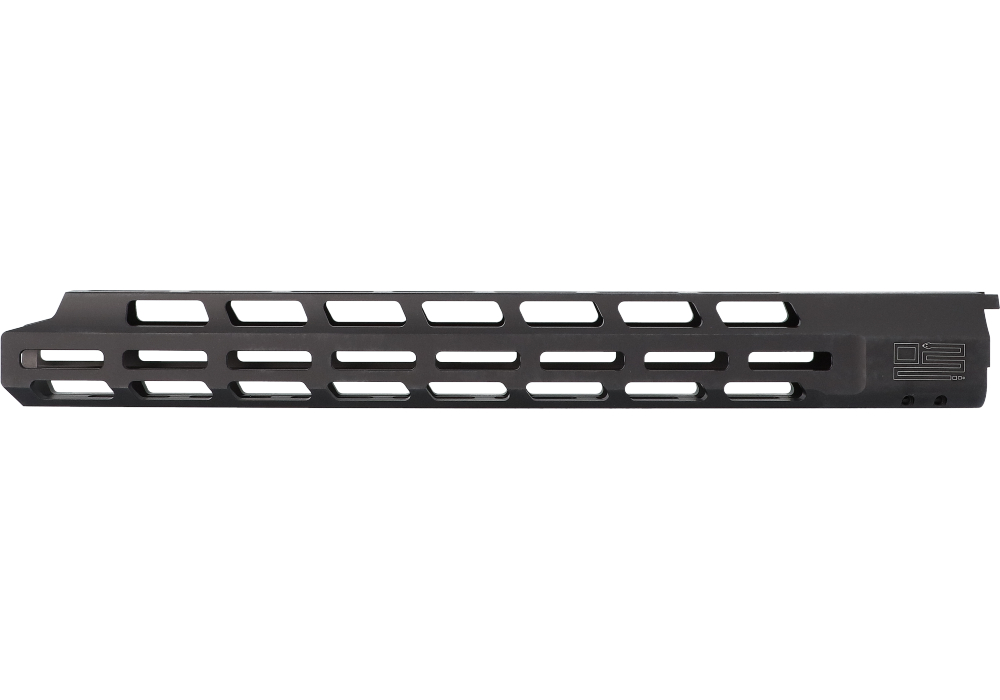
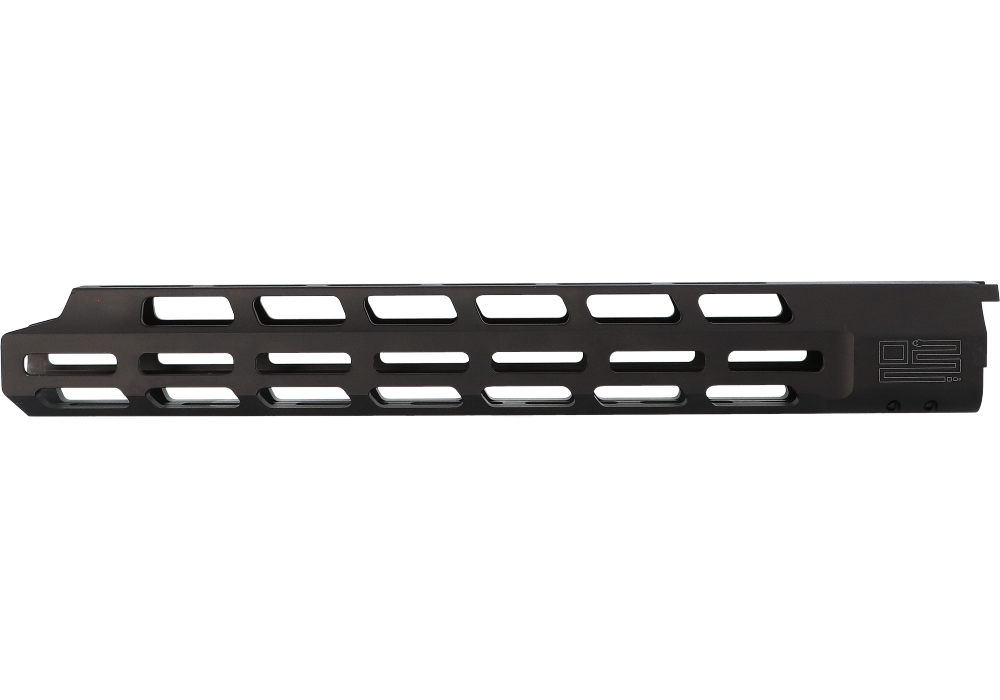
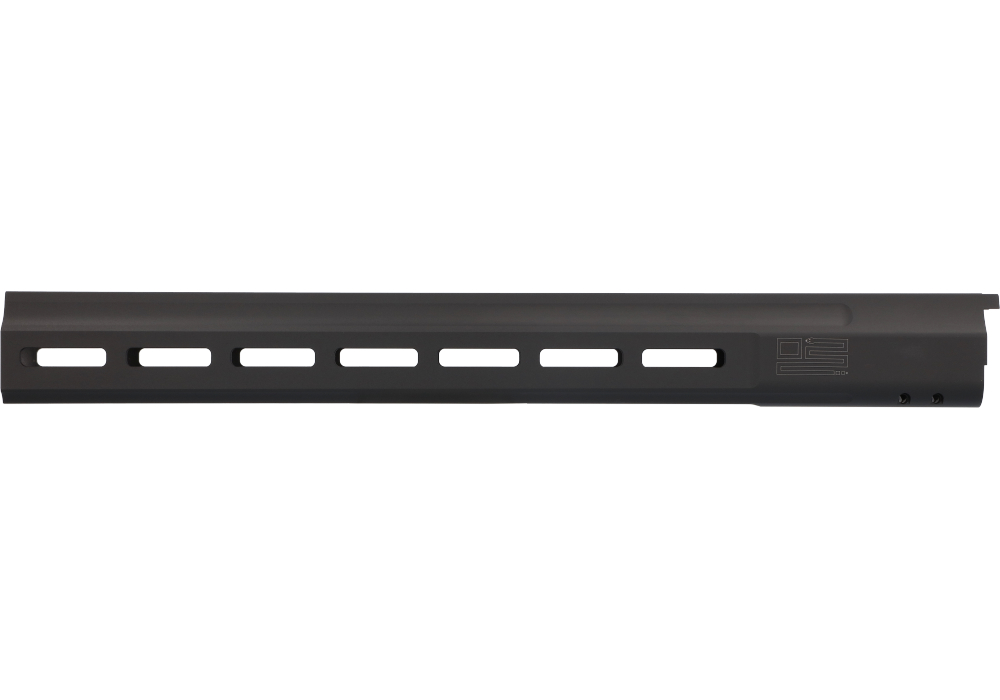
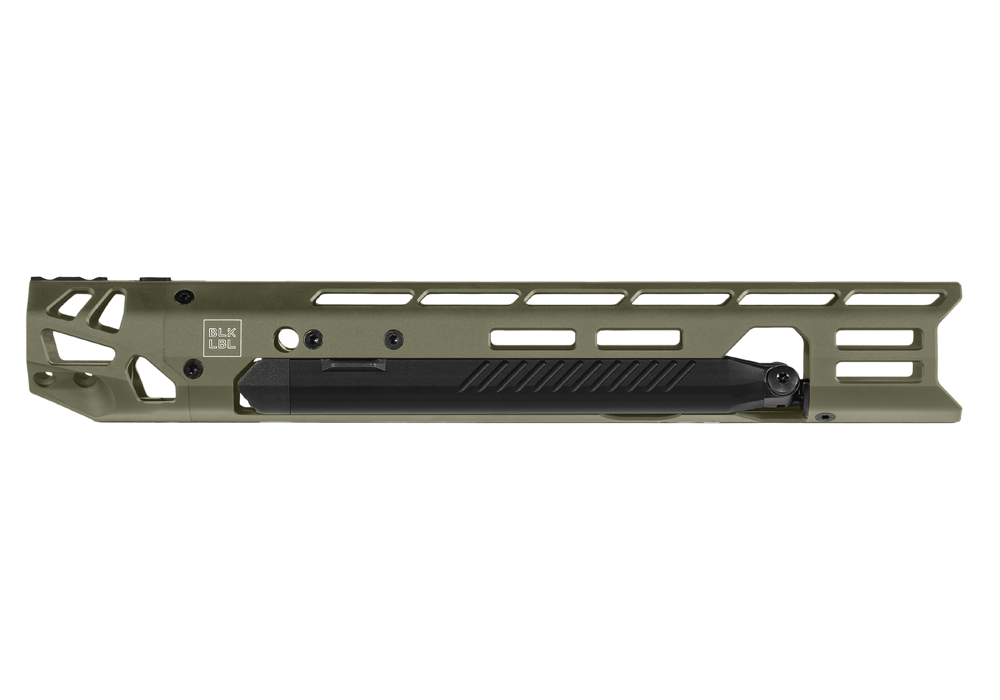
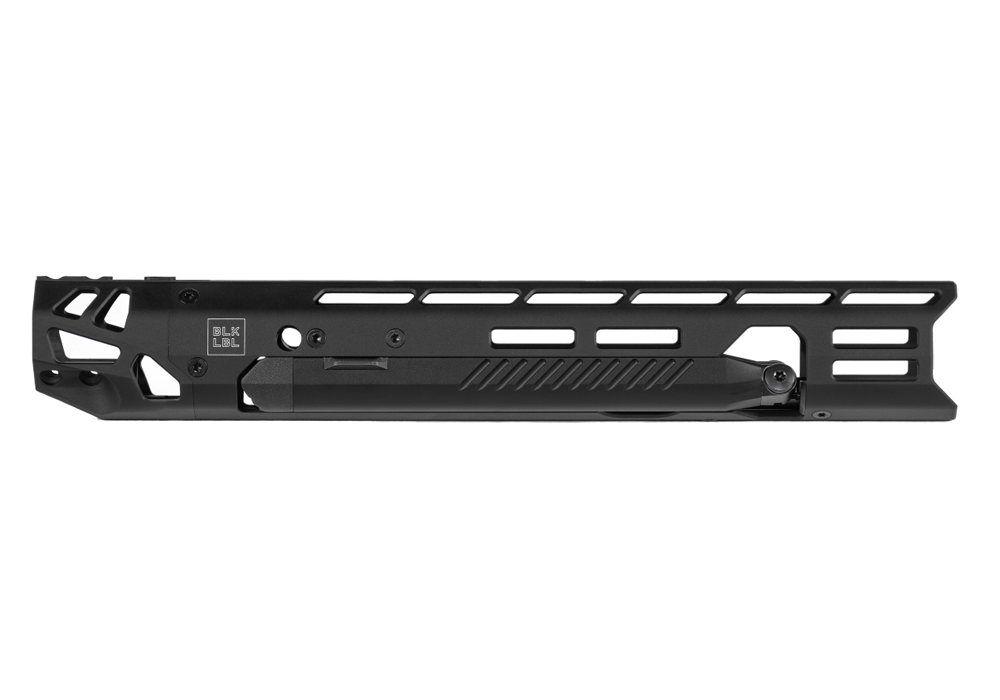
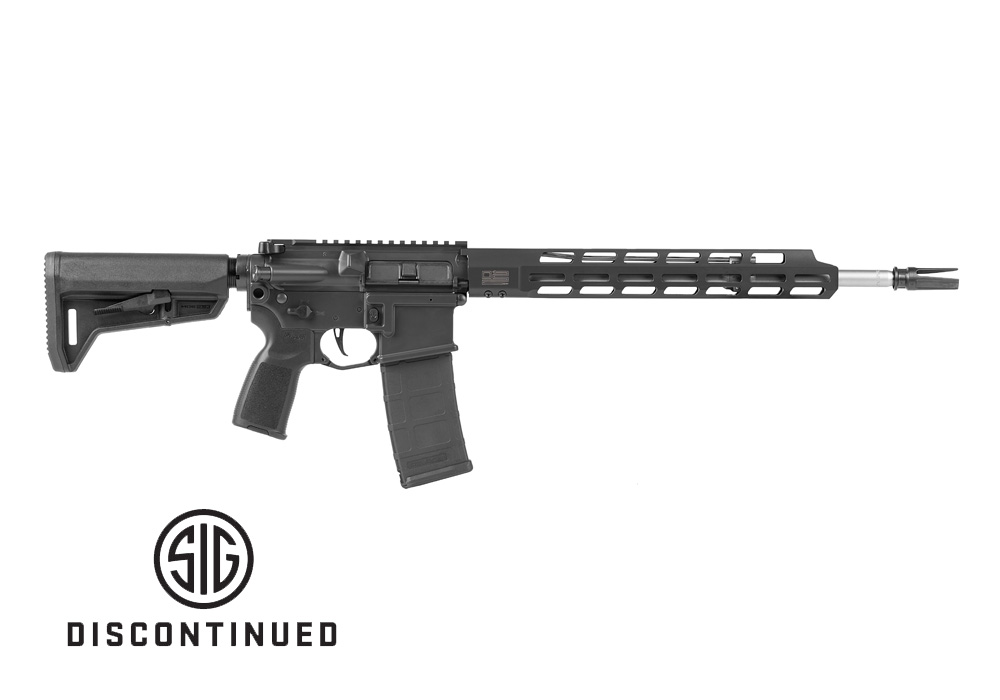
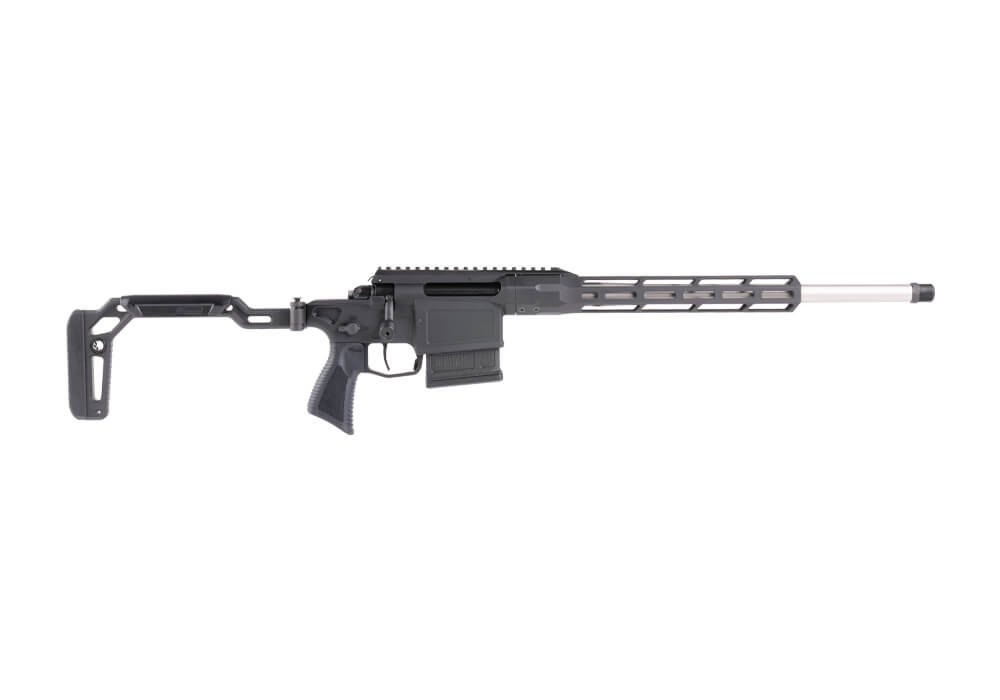
Lightweight free-floating forend rifles are valued for the balance they bring to a modern rifle setup: a strong, practical support hand interface without unnecessary bulk at the front of the firearm. A free-floating forend attaches to the upper receiver through the barrel nut and is designed to remain clear of the barrel, unlike a conventional handguard that may contact the barrel or its mounting system. That separation helps reduce the chance that sling tension, a barricade, a bipod, or a firm support-hand grip will place uneven pressure on the barrel and influence point of impact. It does not replace careful ammunition selection, a properly fitted optic, or sound marksmanship, but it can provide a more consistent platform when a rifle is used from changing positions. For a hunter carrying a rifle through timber, a recreational shooter spending a long afternoon on the range, or a prepared marksman moving between supported and unsupported positions, trimming weight from the front end can make the firearm feel faster and less tiring. The difference is especially noticeable after several hours of walking, when a front-heavy rifle begins to pull against the shoulder and wrist. A well-designed lightweight setup can keep the rifle lively in the hands while preserving the rigidity needed for dependable accessory mounting. Materials commonly used in these systems include aluminum and carbon fiber, each offering a different balance of strength, stiffness, heat management, and weight. Aluminum is familiar for its durability and broad compatibility, while carbon fiber can provide a comfortable, lightweight option with less heat transfer during extended strings of fire. Construction details matter as much as the material itself, including the rigidity of the tube, the quality of the barrel nut, the fit between the handguard and upper receiver, and the security of the mounting hardware. Shoppers comparing Lightweight Rifle Handguards should confirm that the system is designed for the intended rifle platform, barrel length, gas system, and caliber before making a purchase. A handguard intended for one receiver pattern or gas-system length may not be suitable for another, and an incorrect fit can affect installation, function, or safe operation. Manufacturer specifications should always take priority over assumptions based on appearance, especially when a rifle has been modified with an aftermarket barrel, gas block, muzzle device, or upper receiver.
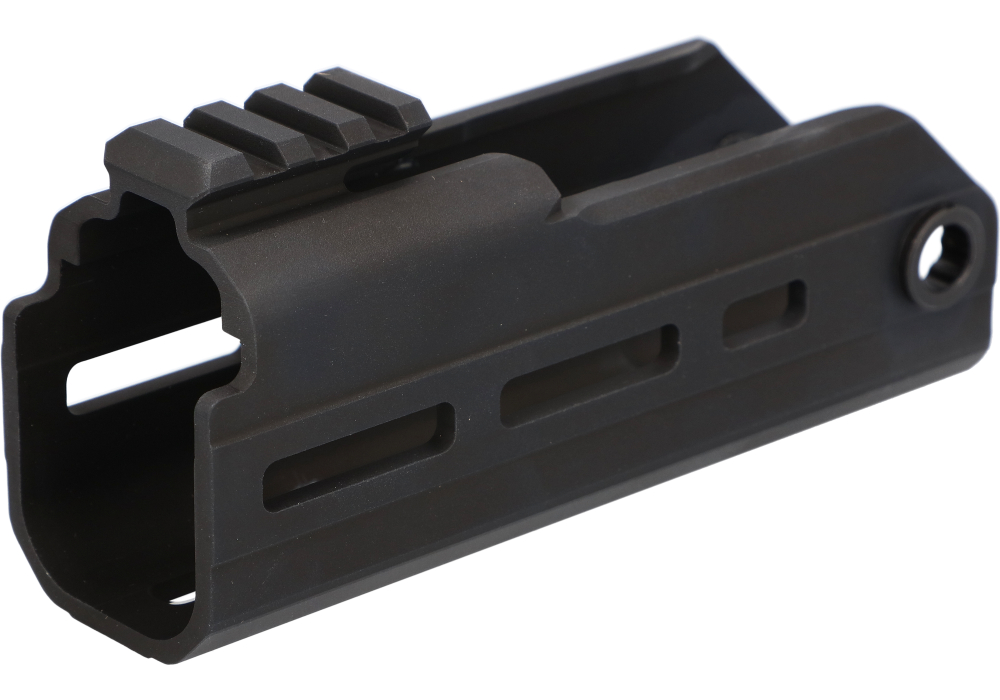
The most useful lightweight free-floating forends also make room for practical accessories without turning the rifle into a crowded collection of rails. M-LOK-style mounting slots and sections of Picatinny rail allow a shooter to position a light, sling attachment, hand stop, bipod, or other compatible accessory exactly where it is most comfortable. This modularity is valuable because every shooter’s reach, stance, optic height, and intended use are different. A hunter may want a streamlined profile with a sling mount and minimal interference around the support hand, while a range shooter may prefer additional mounting space for a bipod or barricade stop. For home-defense applications, any accessory choice should be deliberate, durable, and familiar through regular training; excess equipment can add weight, snag on clothing, or complicate handling in confined spaces. During warmer weather, ventilation and an open slot pattern can help the support hand stay more comfortable, while during cooler months, gloves and heavier clothing may make a slightly larger gripping surface easier to control. Heat management remains another consideration. Lightweight aluminum designs can become warm during rapid firing, and a carbon-fiber option may offer a different feel by reducing the transfer of barrel heat to the handguard. Gloves, consistent firing practices, and appropriate breaks can still be useful, since no forend eliminates heat from sustained use. Installation should be performed with the correct tools and torque specifications, with careful attention to barrel-nut alignment, gas-system clearance, and the manufacturer’s instructions. After installation, verify that the barrel remains free of contact throughout the forend’s length and confirm that every accessory is secure before live fire. Recheck fasteners after the initial range session, particularly if the rifle is carried over rough ground or transported frequently. These products can also be a thoughtful gift for an experienced rifle owner who has already chosen an optic, sling, and other core equipment, but compatibility is essential; a gift card or a conversation about the intended platform is often safer than guessing at dimensions. Whether used for field carry, recreational practice, competition, or a carefully configured defensive rifle, a lightweight free-floating forend can improve handling, support a consistent shooting position, and create a clean foundation for the accessories that matter most. Always follow applicable laws, secure firearms responsibly, and treat every rifle as loaded when handling, installing, or inspecting components.