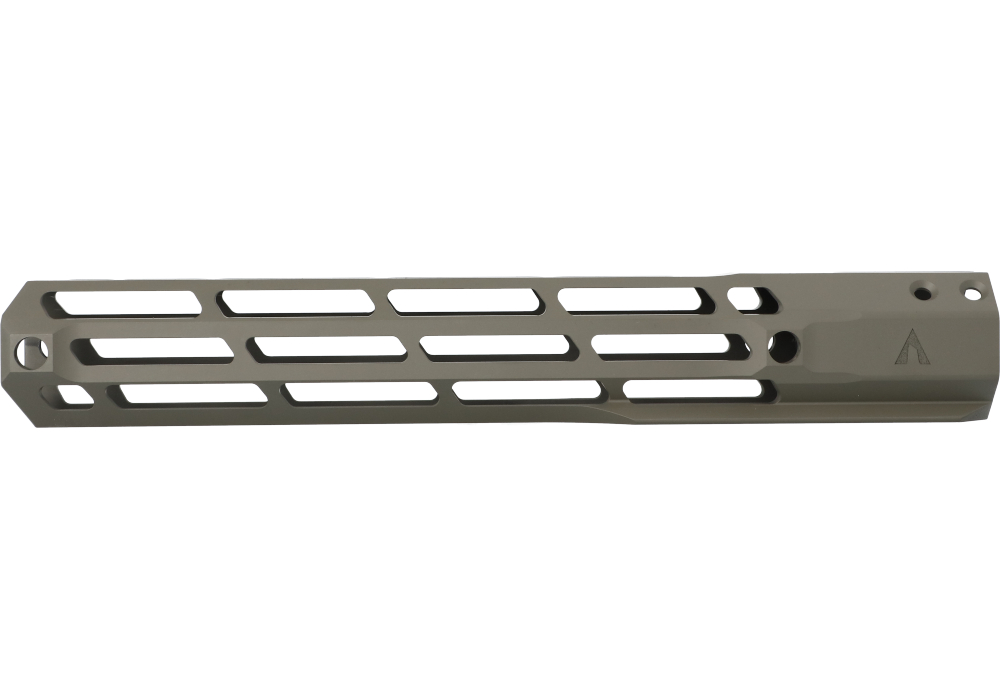
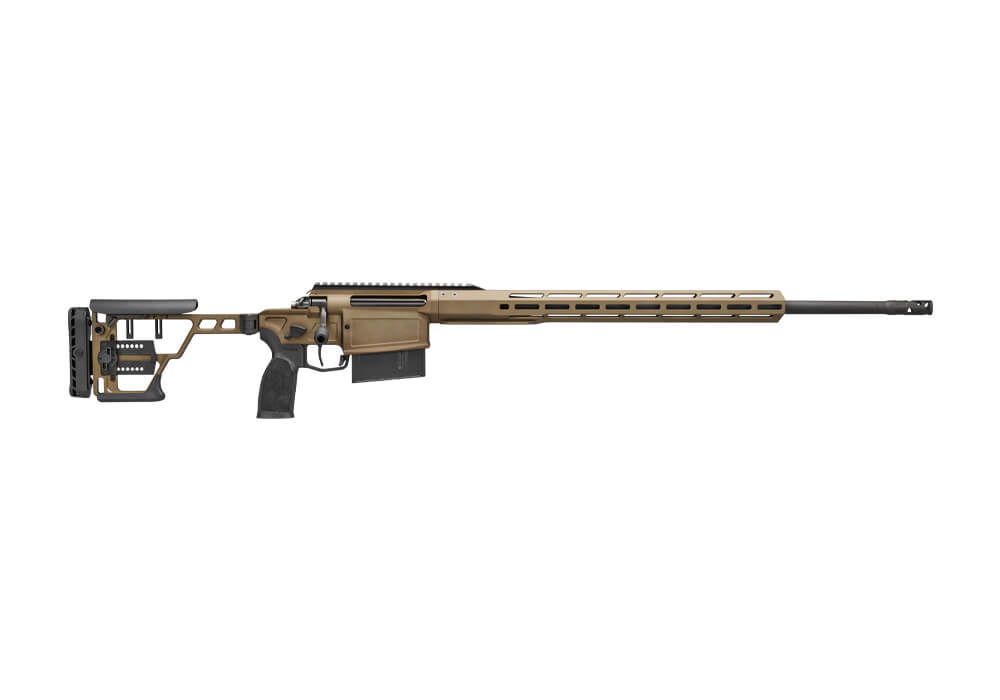
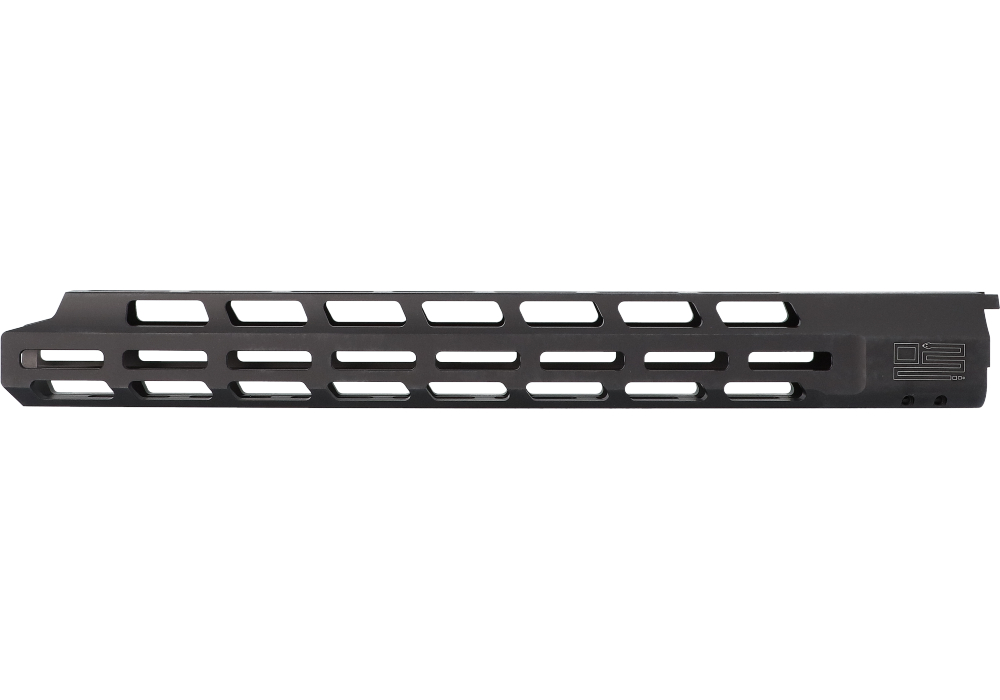
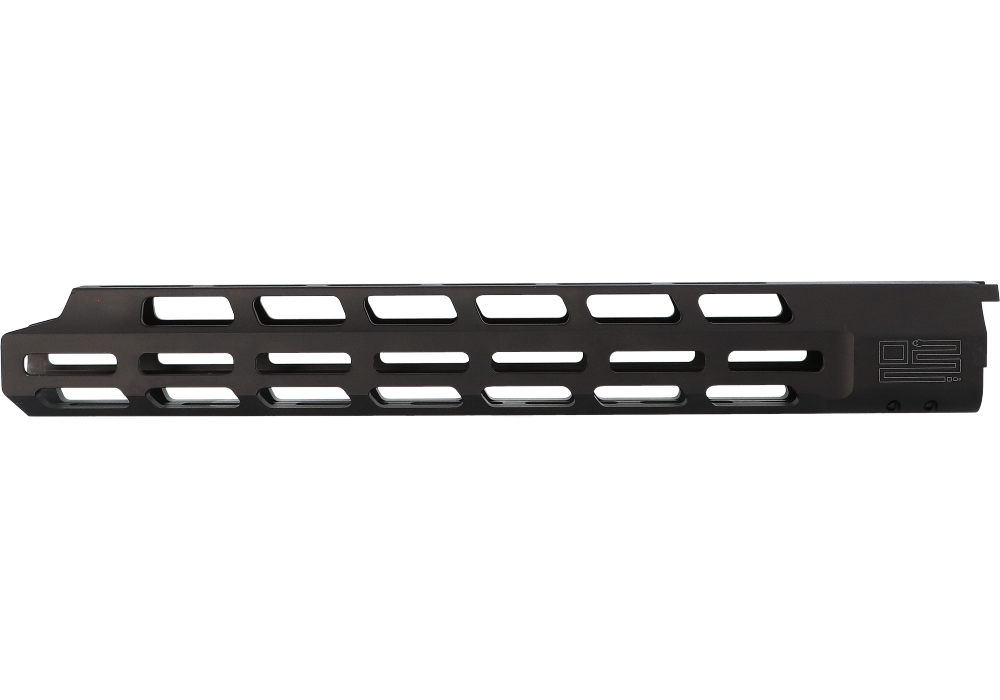
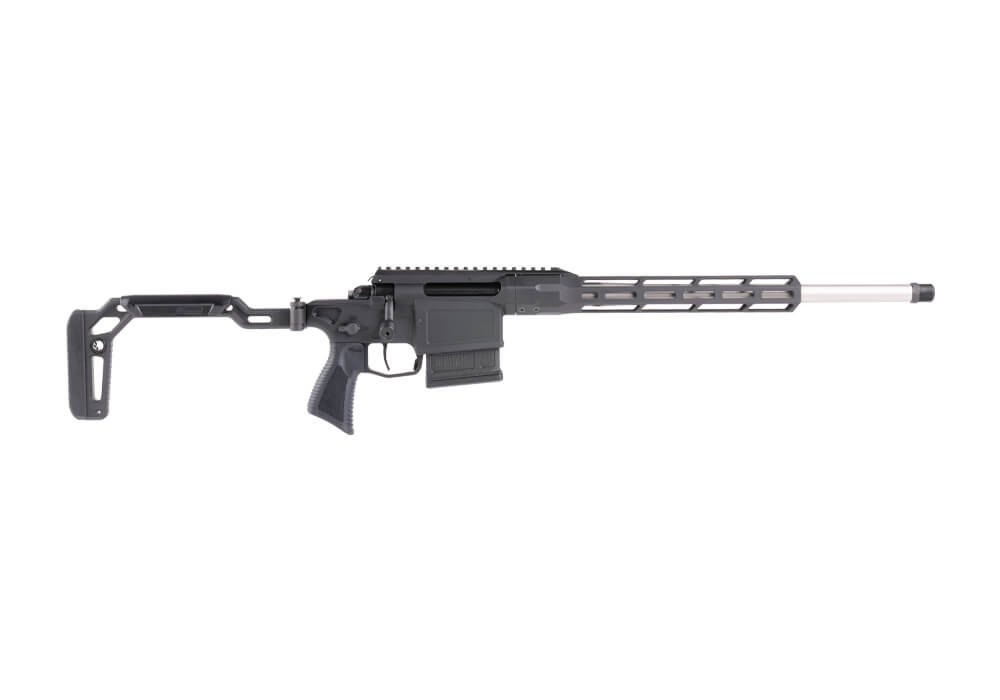
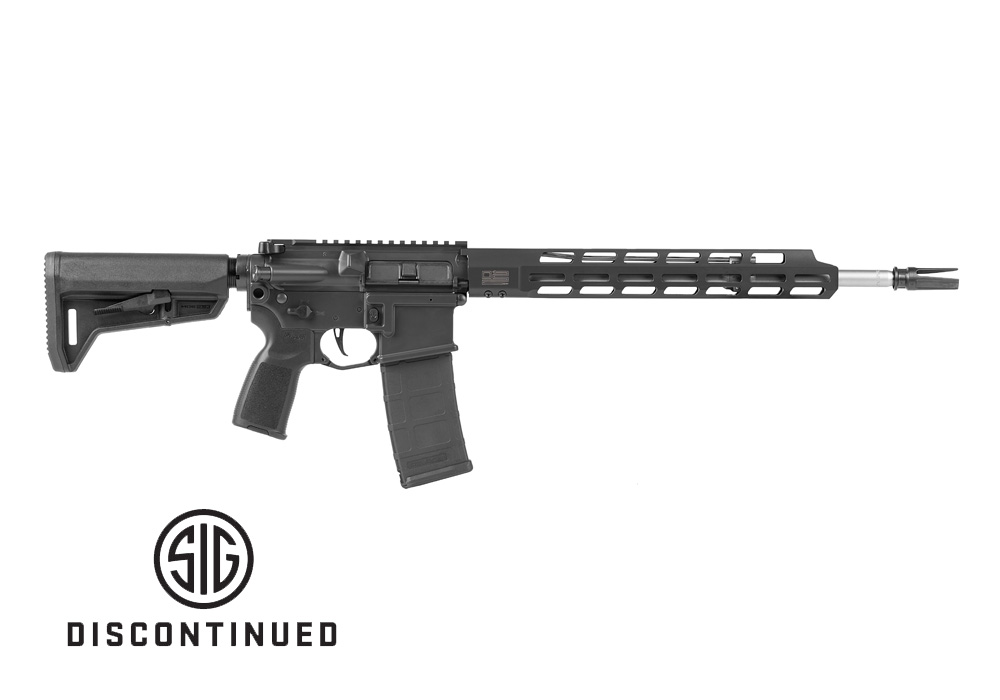
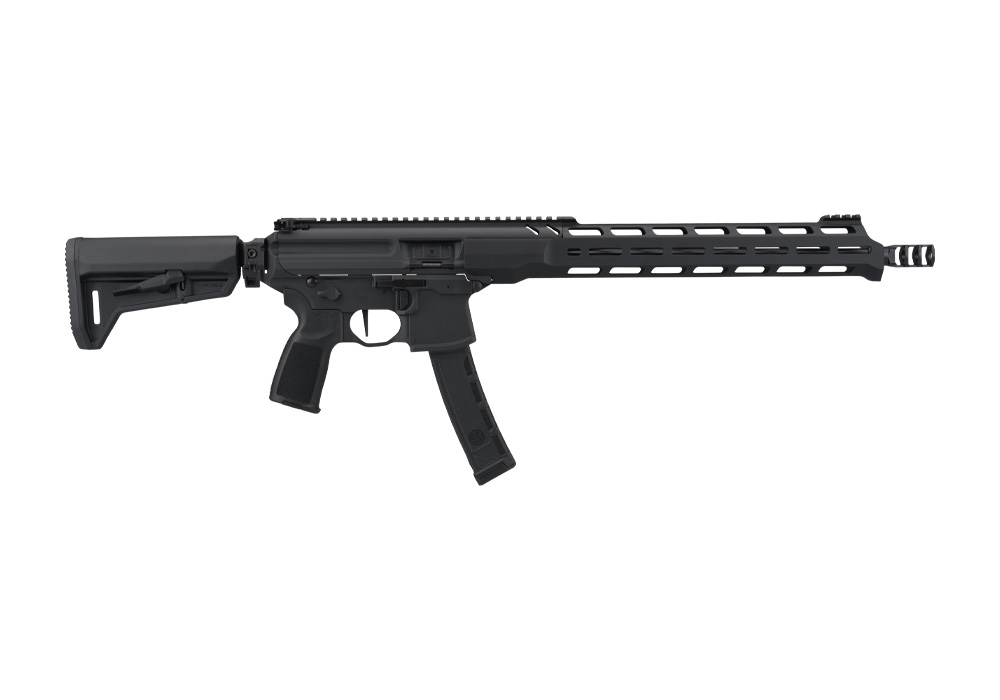
Lightweight rifle handguards provide a stable gripping surface around the barrel while limiting the weight added to the front of a rifle. Their appeal goes beyond a smaller number on a specification sheet: weight distribution influences how a rifle feels when carried, shouldered, or supported during a long range session. A lighter handguard can reduce a front-heavy feel, although the barrel, receiver, and attached accessories all contribute to the final balance. For recreational target shooters, hunters, and competitors, that balance often matters as much as total weight. The handguard also creates space between the support hand and the barrel, but it should not be treated as a heatproof barrier; surfaces and attached hardware can become hot during firing. Common construction choices include aluminum alloys and carbon fiber composites, each with its own strengths. Aluminum offers a practical combination of low weight, rigidity, and resistance to everyday wear, with protective finishes that help preserve the surface. Carbon fiber can offer substantial weight savings, though performance depends on the composite structure, mounting components, and overall design rather than the material name alone. Ventilation openings and carefully shaped profiles can reduce bulk, but the lightest option is not automatically the best match for every rifle or every shooter. A comfortable gripping surface, secure attachment, and appropriate structural support remain important. Someone who spends most range time shooting from a bench may value a broad, comfortable underside, while someone who carries a rifle farther may give greater attention to weight and overall dimensions. A slim profile can feel natural in smaller hands, whereas a slightly fuller shape may offer a more comfortable hold for another shooter. Edge treatment matters, too: smooth transitions around openings and mounting surfaces can make an appreciable difference over repeated handling. Taken together, these details explain why lightweight rifle handguards are best understood as a balance of material, shape, fit, and practical comfort rather than weight savings alone.
Fit is the first consideration when comparing handguards, because similar appearances do not establish compatibility. Rifle platforms can differ in receiver dimensions, attachment interfaces, mounting hardware, and clearance requirements, and even closely related configurations may use different components. Manufacturer compatibility information should identify the intended platform and any required hardware; a familiar silhouette or matching length is not enough. Handguard length also describes only part of the fit. Internal dimensions, barrel contour, and clearance around the rifle’s existing components matter, as does the relationship between the handguard and the muzzle area. These are reasons to verify the complete configuration rather than assume that a longer or slimmer option will work. Free-floating designs are intended to maintain clearance from the barrel along the handguard’s length, while other designs rely on different support arrangements. That distinction describes construction, not a guarantee of accuracy, and any performance claim depends on the complete rifle and its condition. Installation requirements vary, so manufacturer instructions and a qualified gunsmith are appropriate resources when compatibility or secure attachment is uncertain. For shoppers comparing replacement options, Replacement Rifle Handguards provides a related category to explore alongside lightweight designs. Weight comparisons deserve the same attention as fit comparisons. A published figure may describe the handguard body alone or include mounting components, so equivalent measurements give a clearer picture of the actual difference. Overall length can also make two weight figures misleading if one handguard covers substantially more of the barrel than the other. Accessory interfaces affect both weight and feel: continuous mounting surfaces offer a different profile from modular designs that leave more of the exterior smooth. Additional attachments contribute their own bulk and should be considered as part of the complete setup, not separately from the handguard. For an established rifle, preserving a comfortable grip and suitable support surfaces may be more useful than pursuing the smallest possible weight reduction. The most suitable choice meets the rifle’s documented fit requirements while accommodating the way its owner normally carries, holds, and supports it.
Durability in a lightweight handguard comes from the whole structure, including wall geometry, attachment points, finish, and material quality. Removing material can save weight, but well-considered reinforcement around stressed areas remains important for service life. Surface coatings can help aluminum resist corrosion and everyday abrasion, although no finish eliminates wear from repeated contact with rests, storage racks, or other equipment. Carbon fiber surfaces require their own attention, especially if an impact leaves visible cracks, damaged edges, or exposed fibers. Cosmetic marks and structural concerns are not the same thing; movement at the attachment interface, distortion, or damage around mounting points warrants evaluation before further use. Routine care is generally straightforward and should follow the manufacturer’s material-specific recommendations. Dust and residue can collect inside ventilation openings and around accessory interfaces, so accessible surfaces benefit from gentle cleaning with suitable products and a soft cloth or brush. Harsh chemicals and abrasive tools can affect protective finishes or composite surfaces, making cleaner compatibility worth checking rather than assuming. Inspection is especially useful after extended use, transport, or a noticeable impact, with attention to visible condition and any change in how the handguard sits or feels. Comfort should remain part of that assessment. A surface that feels fine during a brief inspection may become distracting when held through a full target session, particularly if sharp edges or protruding accessories sit where the support hand naturally rests. Gloves can change the perceived grip diameter, so familiar shooting equipment helps provide a realistic sense of fit. As a gift, a handguard is better suited to a recipient whose exact rifle configuration and preferences are known; it is a compatibility-dependent component, not a universal accessory. For anyone selecting one for personal use, the strongest long-term value lies in an appropriate combination of manageable weight, secure fit, comfortable contours, and straightforward care. A thoughtfully selected lightweight rifle handguard should complement the rifle’s existing proportions and remain comfortable through ordinary handling, without asking the owner to trade essential fit or durability for a lighter specification.