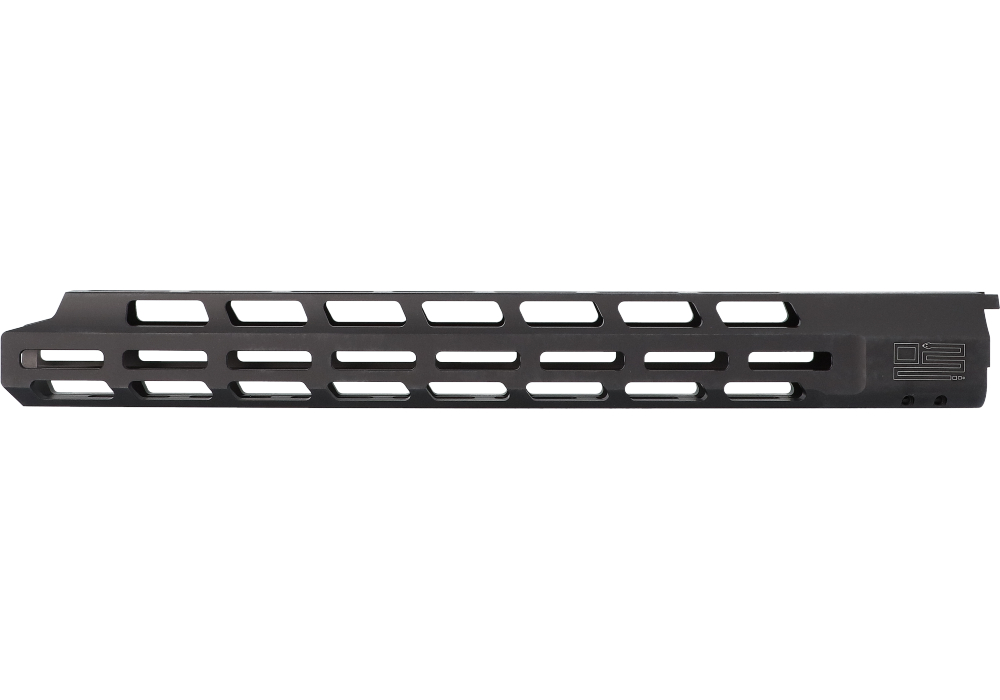
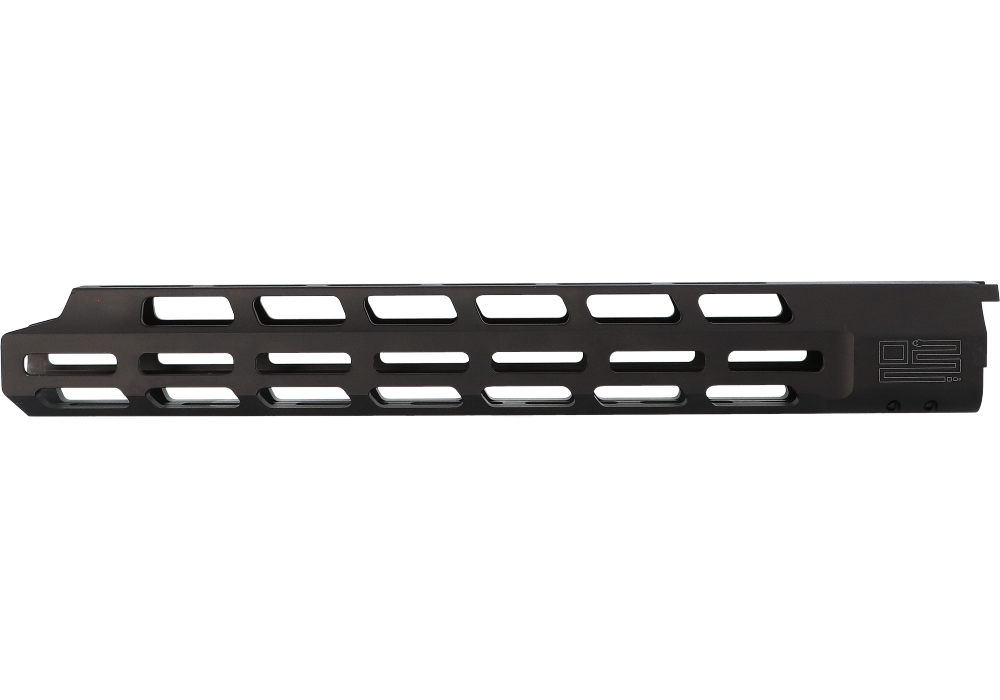
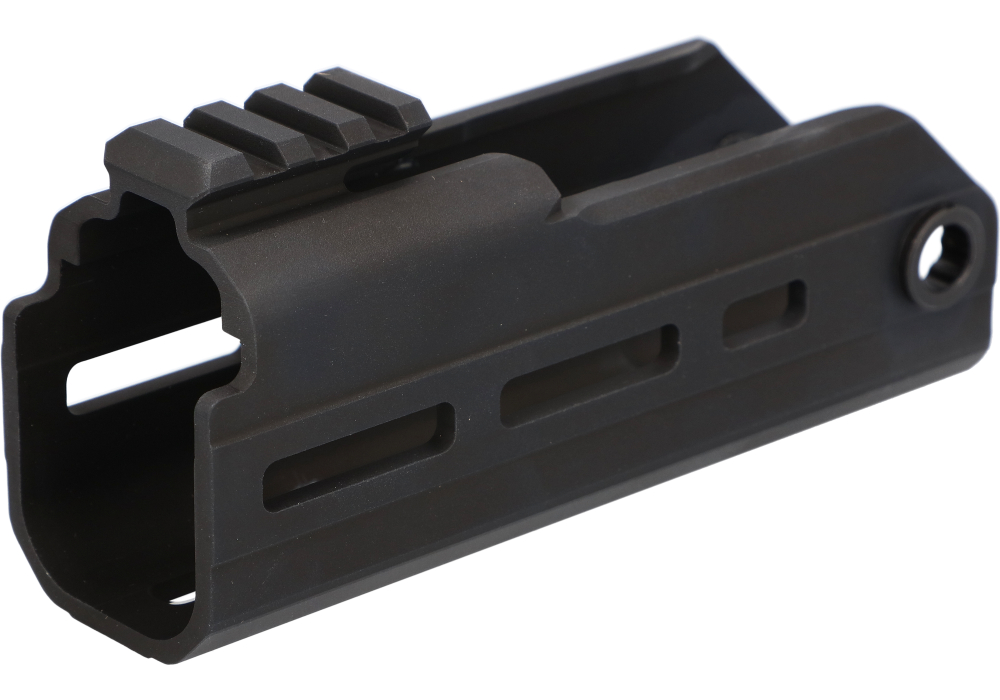
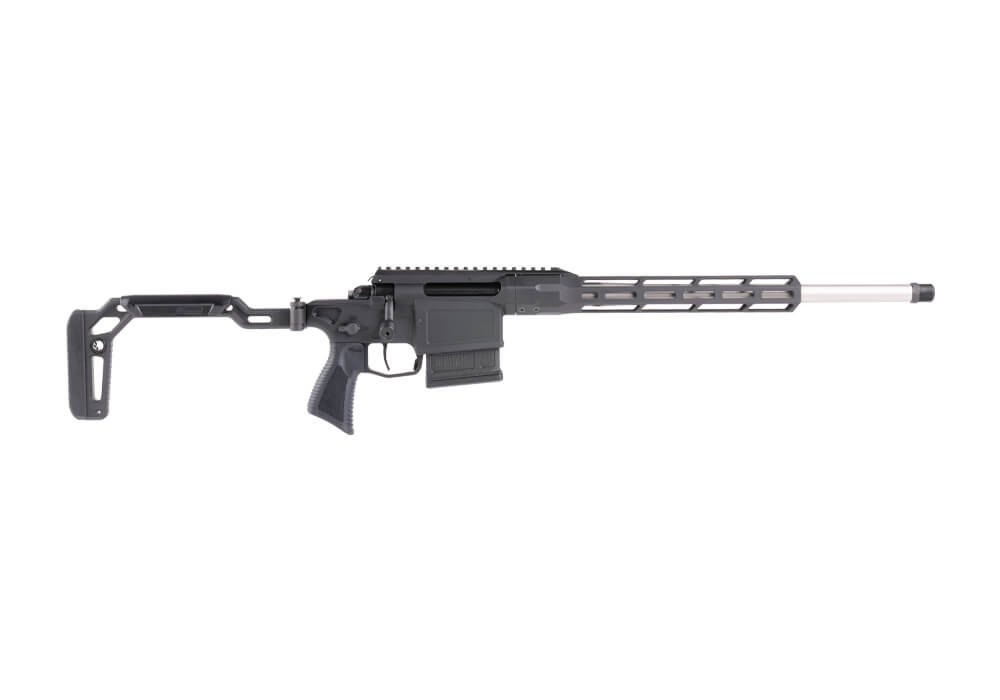
Replacement rifle handguards offer a practical way to refresh a rifle’s feel, appearance, and accessory setup without replacing the complete firearm. A worn, cracked, loose, or outdated handguard can make a rifle less comfortable to handle, while a properly fitted replacement can provide a steadier support point and a more useful surface for attaching accessories. These components are commonly selected for recreational shooting, training, competition, hunting, home-defense setups, and rifle projects built around a familiar upper receiver. They can also make thoughtful gifts for a rifle owner who enjoys maintaining or refining their equipment, particularly when the recipient has already expressed interest in a lighter profile, additional mounting space, or a more traditional appearance. When comparing replacement rifle handguards, begin with compatibility rather than appearance. Confirm the rifle pattern, upper receiver configuration, barrel length, gas system length, barrel profile, front sight arrangement, and the type of barrel nut or retention system required. A handguard designed for one platform or gas system may not fit another, even when the parts appear similar in photographs. Length also deserves careful attention: a handguard should provide the desired reach without interfering with the muzzle device, front sight, gas block, or suppressor setup. For a straightforward refresh, a drop-in handguard typically uses the rifle’s existing delta ring and handguard cap, with two halves that surround the barrel and lock into place. This style is often appealing to owners who want a familiar installation approach, a traditional profile, or a replacement that can be fitted with limited tools. Many classic polymer designs include an internal heat shield to help manage warmth during extended strings of fire while preserving a lightweight, serviceable feel. A drop-in design can be especially useful on a rifle that is carried frequently, kept in a vehicle case, or used for general range practice where simple maintenance and quick replacement matter.
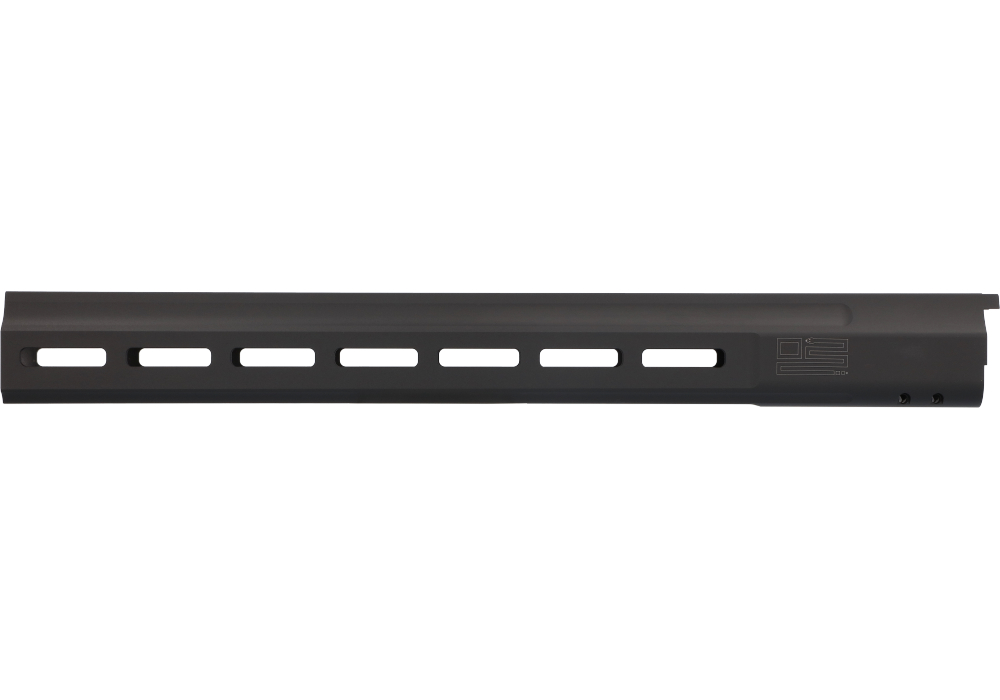
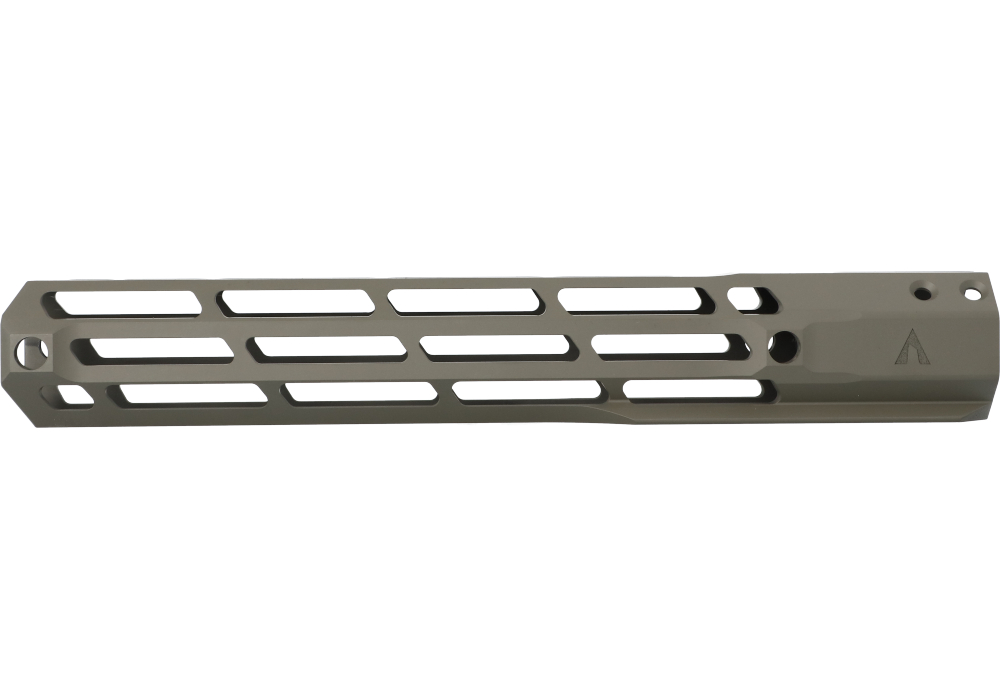
Free-float handguards are another common category and attach to a dedicated barrel nut or compatible mounting interface rather than resting against the barrel. By keeping the handguard from contacting the barrel, a free-float design can reduce the influence of support pressure, sling tension, or attached accessories on the barrel, which may help a rifle maintain more consistent point of impact as conditions and shooting positions change. Installation is more involved than a basic drop-in replacement and may require removal of the muzzle device, gas block, and existing barrel nut. For that reason, careful attention to the manufacturer’s instructions and proper armorer’s tools is important; professional installation is a sensible choice when the required equipment or experience is not available. Free-float options are available in slim, rounded profiles as well as broader rail systems, allowing the shooter to balance comfort, rigidity, weight, and accessory placement. M-LOK-style slots provide a clean, low-profile method for attaching compatible rail sections, hand stops, sling mounts, bipod adapters, and other accessories directly to the handguard. They generally keep unused surfaces smooth, which can reduce snag points when moving through brush, working around barricades, or carrying a rifle with a two-point sling. Picatinny rail systems offer continuous cross slots and a broad range of mounting positions, making them useful when an accessory must be positioned at a very specific point or when the shooter prefers a familiar, secure interface. A full-length quad-rail configuration can provide substantial mounting flexibility and a solid gripping surface, though it may feel heavier or more angular than a modern slim handguard. Polymer, aluminum, and hybrid constructions each bring different characteristics. Polymer is often valued for approachable weight and classic styling, while aluminum can provide a rigid platform for accessories and demanding use. Texture, ventilation, edge treatment, and the location of mounting slots all affect how the rifle feels in the hand, especially during long practice sessions or when wearing gloves during cooler weather.
The best replacement rifle handguard is the one that matches the rifle, the intended use, and the shooter’s preferred balance. A shorter, lighter handguard may suit a compact carbine that is carried often and used from a variety of positions, while an extended handguard can offer more room for a forward support hand, aiming accessories, a bipod, or a light without crowding the muzzle area. Keep the barrel and gas system relationship in mind when selecting an extended design, and verify that the handguard leaves appropriate clearance around the gas block and muzzle device. Weight is another meaningful consideration: ounces added at the front of a rifle can change how quickly it moves between targets and how comfortable it is to hold unsupported. At the same time, an extremely light design may not provide the preferred rigidity or accessory support for every application. Shooters who spend time behind a bench may prioritize a stable interface and repeatable setup, while hunters often look for a snag-resistant profile that remains comfortable during long walks and changing weather. A training rifle may benefit from durable mounting space for a light, sling, or hand stop, while a traditional build may be better suited to a smooth polymer profile and familiar heat-shielded appearance. Those comparing styles alongside Durable Rifle Handguards should also consider replacement parts, installation requirements, finish durability, and whether the handguard is compatible with the accessories already owned. Before installation, unload the rifle completely, remove the magazine, clear the chamber, and follow all applicable safety procedures and local laws. After installation, inspect fasteners, confirm that the handguard is secure, check clearance around the gas system and barrel, and verify that mounted accessories do not obstruct controls or create unwanted contact with the barrel. During the warmer part of the year and through the cooler months, a well-matched handguard can make a familiar rifle feel more natural in the hands, whether it is being carried to the range, used for training, or carefully prepared for the next outdoor season.