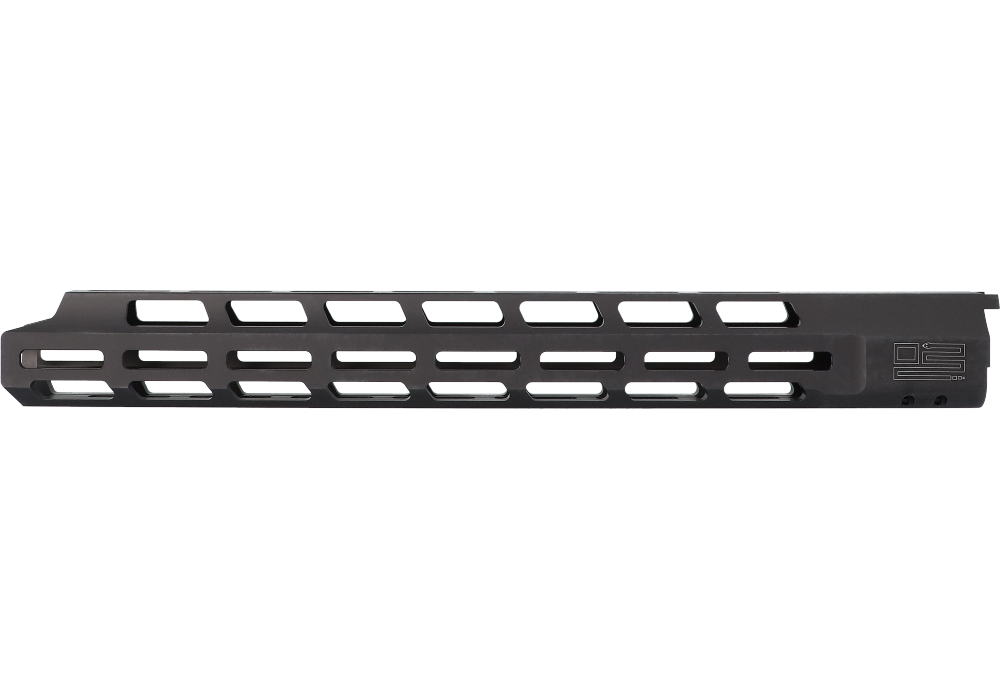
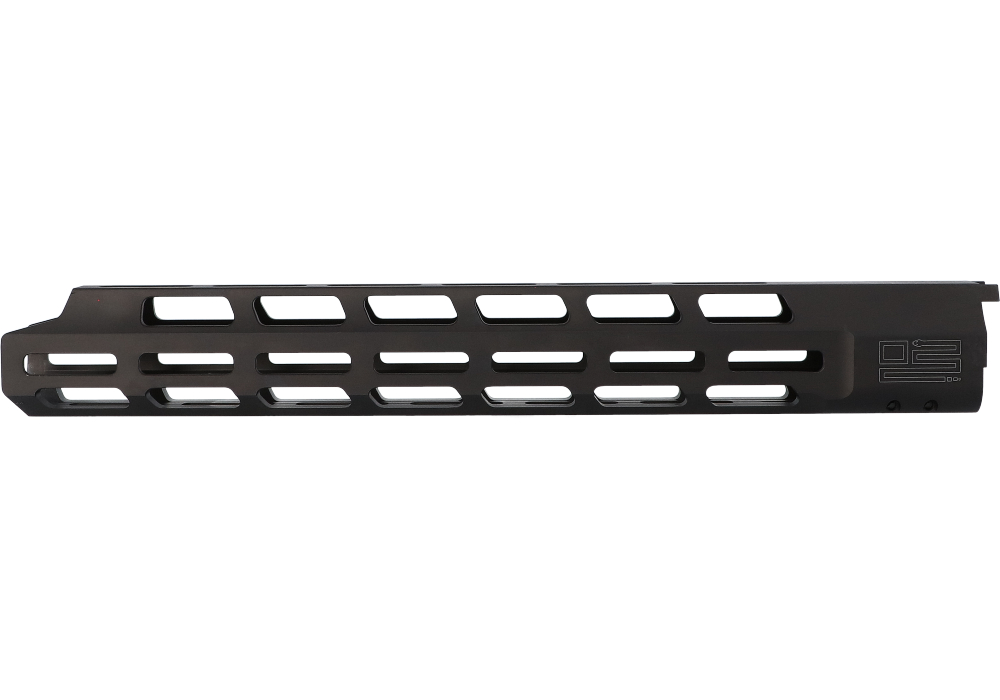
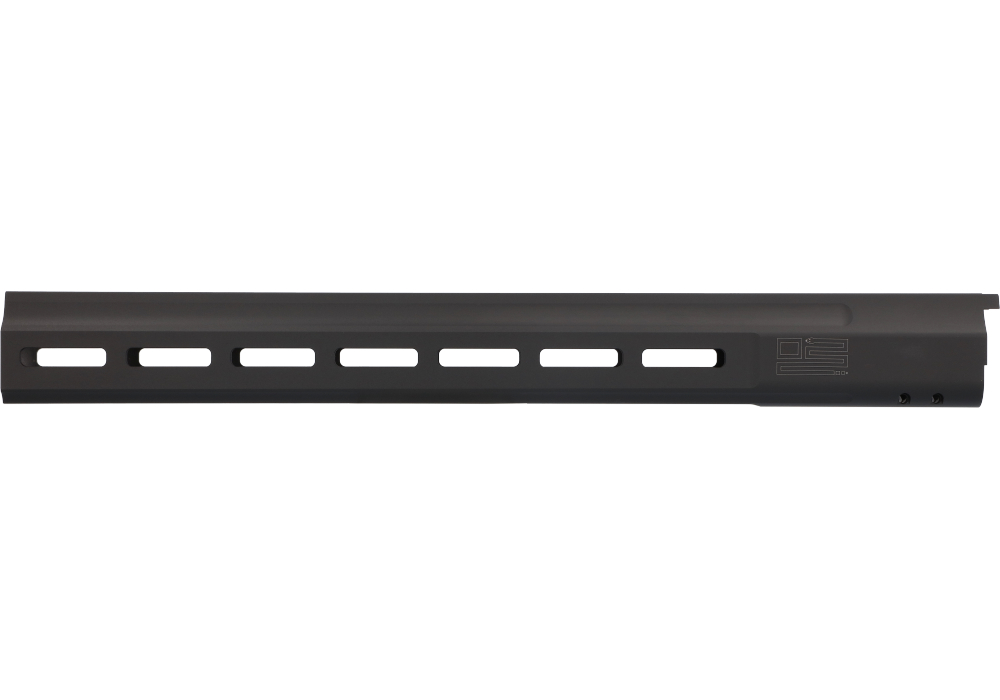
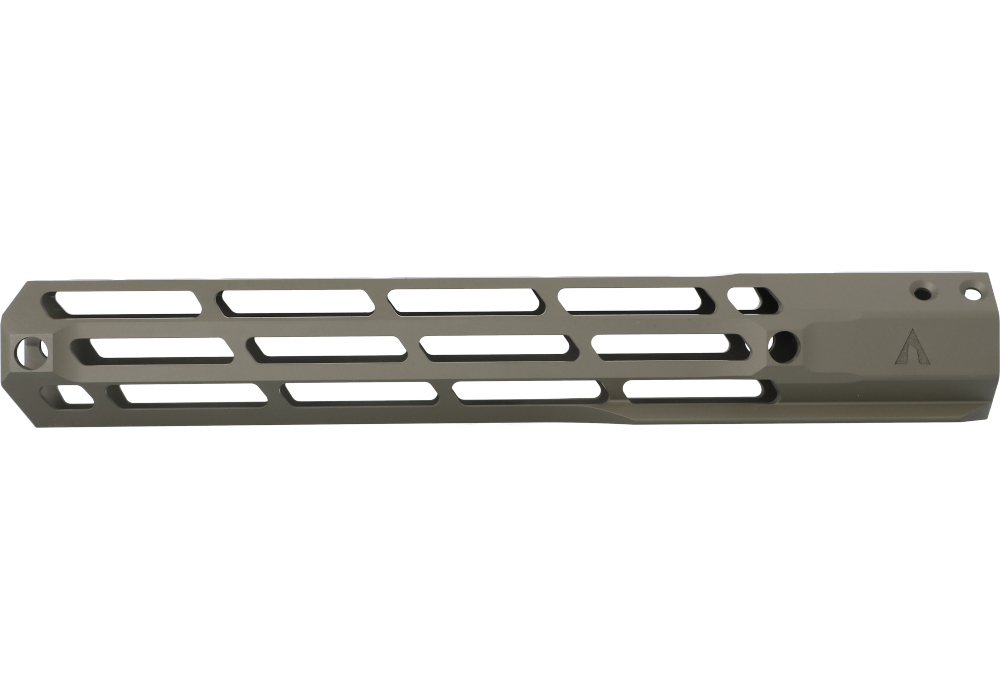
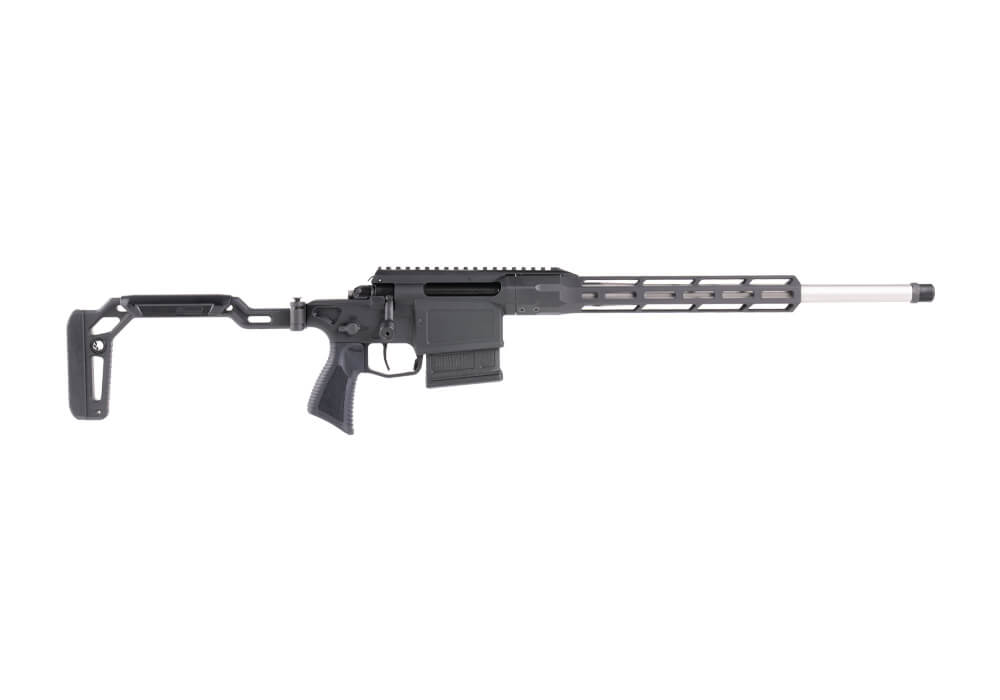
Durable rifle handguards combine a rigid structure, a secure mounting interface, and materials suited to repeated handling. Positioned around the barrel, a handguard provides a support-hand surface and, depending on its design, attachment points for compatible accessories. Its durability depends on more than a thick profile or an aggressive appearance: the quality of the mounting system, the shape of the cross section, and the reinforcement around attachment points all influence how well it holds up. A well-designed handguard should remain securely seated during its intended use without unnecessary bulk or sharp edges where the hand naturally rests. Aluminum is a common choice because it balances strength, weight, and machining precision. An alloy designation such as 6061-T6 identifies both the aluminum alloy and its temper, but that specification alone does not establish the strength of the finished component. Wall thickness, geometry, fastener quality, and manufacturing consistency matter just as much. Anodized finishes can help protect aluminum surfaces against wear and corrosion, although no finish eliminates the need for routine inspection and care. Carbon fiber offers another approach, combining low weight with useful stiffness when the fiber layup and overall construction suit the application. Its performance depends on the complete design, including the metal interfaces that connect it to the rifle. Neither material is automatically the better choice for every owner. Someone who carries a rifle between shooting positions may value reduced front-end weight, while a frequent range visitor may place more emphasis on a substantial feel and resistance to everyday abrasion. Edges, ventilation openings, and transitions between surfaces also deserve attention. Rounded contact areas can be more comfortable over an extended practice session, and a thoughtfully shaped profile can provide a secure hold without feeling oversized. The strongest choice is not necessarily the heaviest; it is the design that provides dependable support with an appropriate balance of weight, rigidity, and fit.
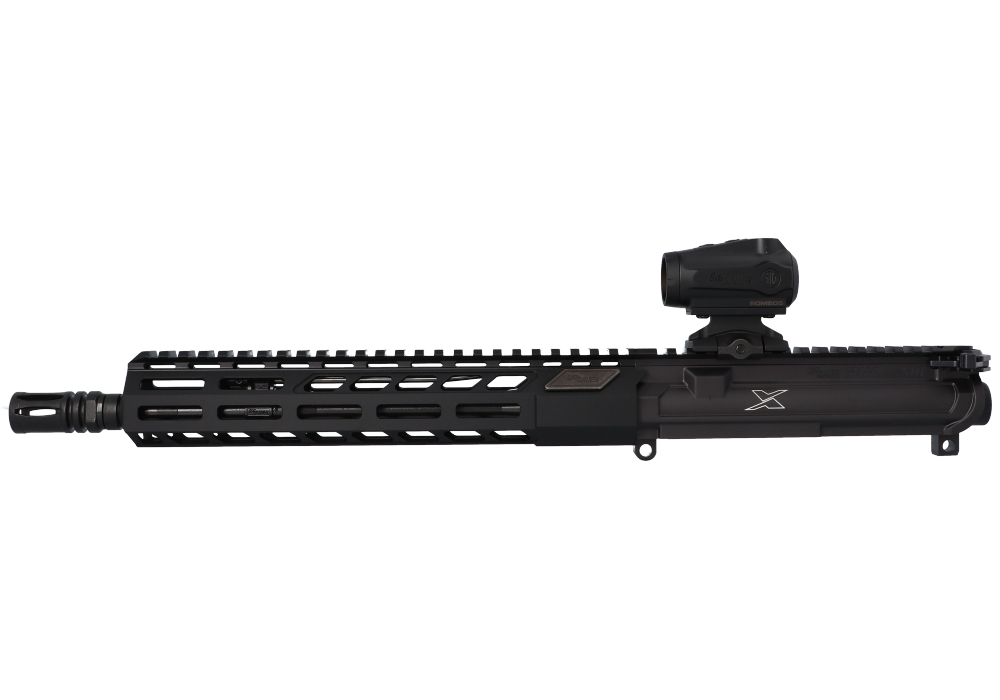
Handguard fit begins with the rifle’s exact platform and mounting requirements, not with appearance or nominal length. Similar-looking components can use different receiver interfaces, barrel nuts, retention systems, or clearances, so compatibility needs to be established from the relevant specifications. Handguard length also needs to suit the barrel configuration and surrounding components without interfering with their intended function. Free-float rifle handguards generally attach through a receiver-side mounting interface, often using a compatible barrel nut, while maintaining clearance from the barrel. That separation helps keep pressure applied to the handguard from bearing directly on the barrel, although it does not guarantee a particular accuracy result. Other designs use different support arrangements and must match the rifle configuration for which they are intended. In either case, secure lockup is central to long-term durability. A rigid tube cannot compensate for an unsuitable mounting interface, and retention hardware should be evaluated as part of the complete assembly rather than as an afterthought. Attachment layout is another important distinction. M-LOK handguards use slots for compatible mounting hardware, allowing attachment points where they are needed without continuous external rails on every surface. Quad-rail handguards provide Picatinny rail sections on four sides, offering extensive attachment space but often adding weight and a broader gripping profile. Neither layout alone determines strength; material distribution and mounting quality remain important. A slim handguard may feel natural in an ungloved hand, while a wider profile may better suit another person’s grip or accessory arrangement. Dimensions are therefore more useful than broad descriptions such as lightweight or rugged. When replacing an existing component, the Replacement Rifle Handguards page provides a related place to compare options while keeping those compatibility requirements in view. Matching the original component’s visible shape is not enough to confirm fit. Manufacturer documentation and, where needed, evaluation by a qualified gunsmith can help resolve uncertainty before installation. The goal is a properly matched assembly that retains the intended clearances and feels balanced in ordinary handling, rather than a collection of individually appealing parts.
Everyday use often reveals the details that matter most in a durable handguard. At a shooting bench, the support surface should feel steady and comfortable rather than forcing the hand against an exposed edge. During transport, a protective case helps prevent repeated rubbing against other equipment, especially around rail corners and projecting attachment hardware. For recreational target shooters, hunters, and participants in organized shooting sports, the right balance between weight and stiffness depends on how the rifle is carried, supported, and used. A longer handguard can provide more space for the support hand and compatible attachments, but extra length can also affect balance and add material where it offers little benefit to a particular owner. Likewise, a heavily accessorized layout may be less comfortable than a simpler arrangement with unobstructed gripping surfaces. Care is generally straightforward, but it should follow the instructions for the handguard’s material, finish, and hardware. With the firearm unloaded and handled according to its safety instructions, accessible surfaces can be checked for debris, unusual wear, cracks, or movement at the mounting interface. A soft cloth or suitable nonabrasive brush can help remove residue without unnecessarily marking the finish. Cleaning agents should be compatible with all exposed materials, particularly where composite construction, coatings, or adhesives are involved. Cosmetic scuffs do not always indicate structural damage, while looseness, damaged attachment slots, or visible cracks warrant qualified inspection. Avoid assuming that a component is sound simply because its exterior still looks clean. Repeated use also makes it worth noticing changes in feel, including a new edge catching the hand or an attachment no longer sitting securely. For gift purchases, exact compatibility is especially important: the recipient’s rifle configuration and preferences should be known before choosing a handguard. Across materials and mounting styles, lasting value comes from sound construction, a comfortable profile, documented fit, and consistent care. Those qualities support a rifle handguard that remains practical through regular range visits, careful transport, and years of responsible ownership.