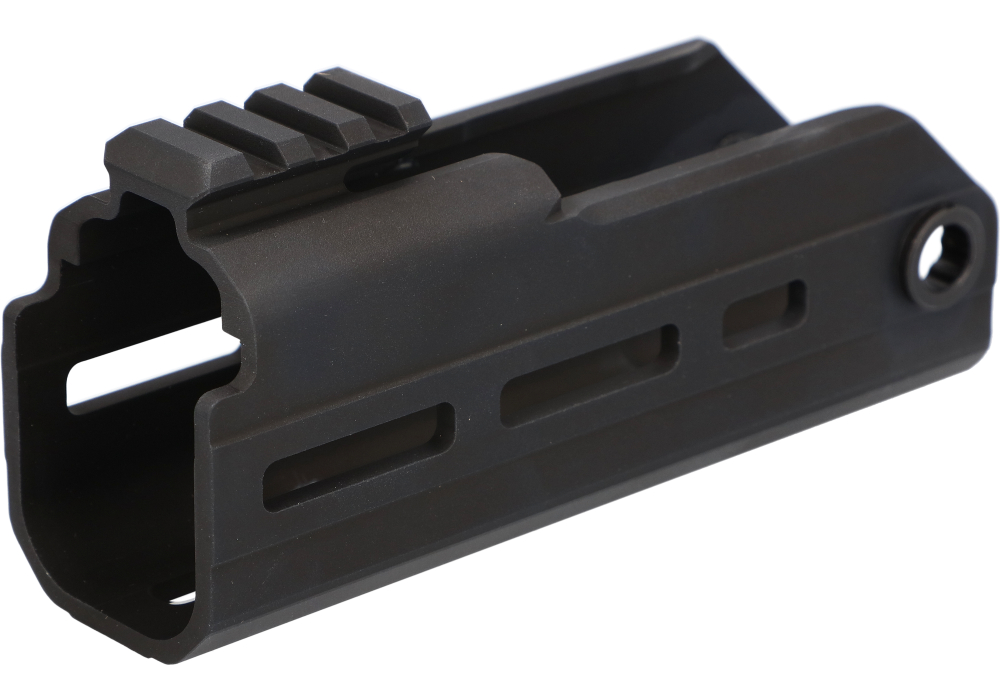
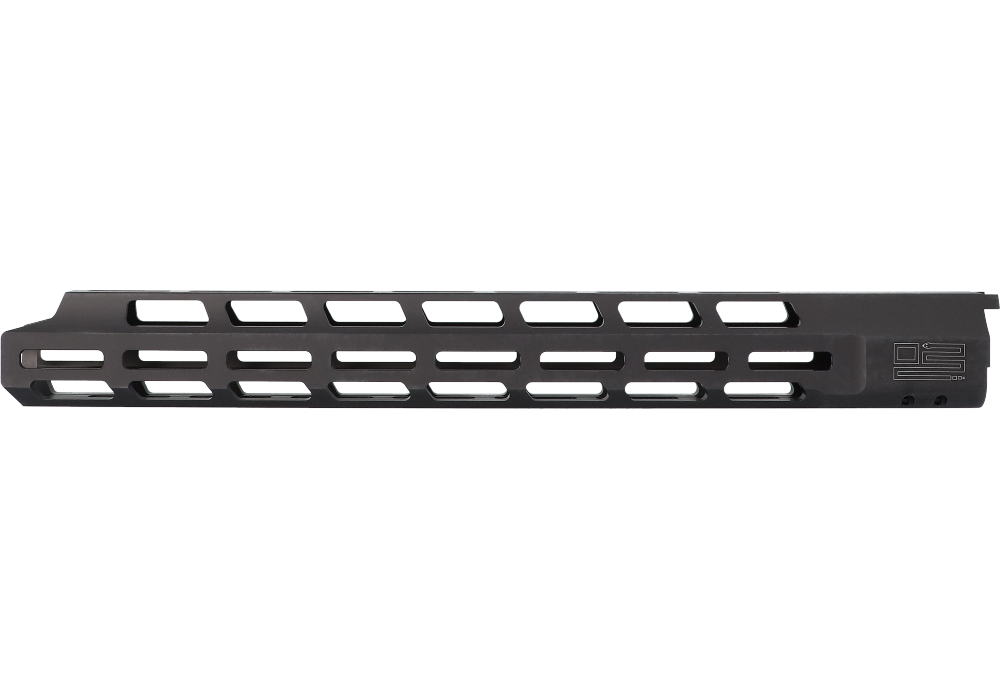
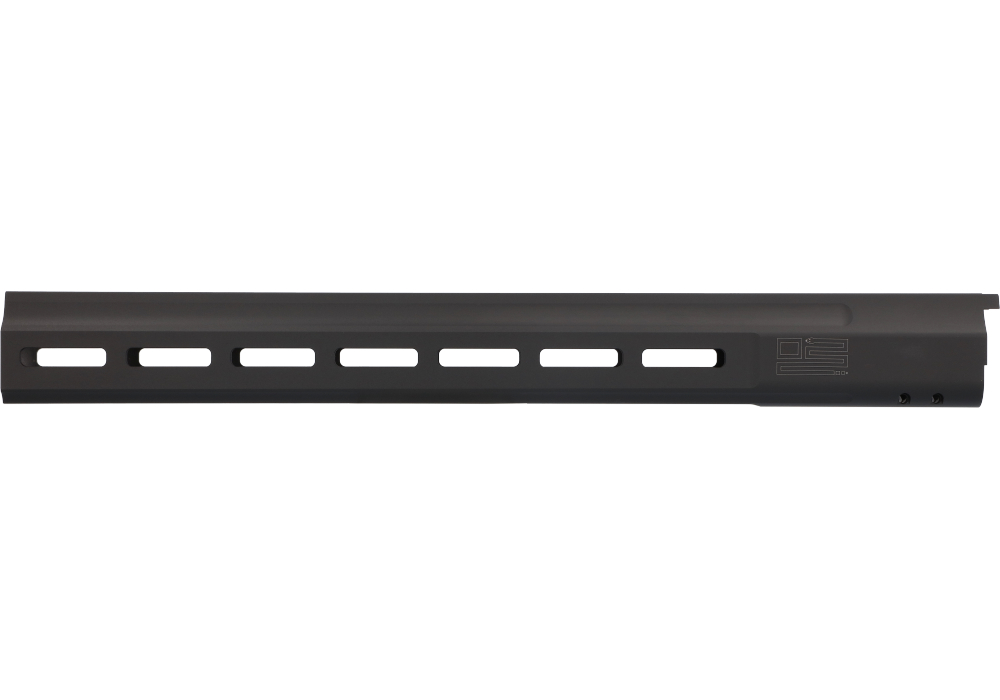
Firearm handguards serve several practical roles on a rifle or other compatible firearm. They help shield the support hand from barrel heat, provide a stable gripping surface, and create room for carefully selected accessories such as lights, sling mounts, vertical or angled grips, and aiming equipment. The right handguard can also influence balance, handling, and the overall feel of a setup. During a long practice session, a well-shaped handguard gives the support hand a consistent reference point while helping keep hot metal away from the fingers. During cooler months, gloves and heavier clothing can change how a firearm feels in the hands, making texture, diameter, and accessory placement especially important. Shoppers comparing firearm handguards should begin with platform compatibility, then confirm receiver dimensions, barrel length, gas system length, front sight arrangement, and the required mounting hardware. Even handguards that appear similar may use different barrel nuts, retaining systems, or installation procedures. Reviewing the firearm’s specifications and the handguard manufacturer’s fitment details before purchase helps prevent compatibility problems and supports a clean, secure installation. For a broad selection of options, explore Black Rifle Accessory Handguards.
The primary styles include free-float handguards and fixed designs that secure against existing rifle components. A free-float handguard attaches to the receiver area without resting against the barrel, which can help reduce outside pressure on the barrel and support consistent shot placement when the firearm is used from a rest, barricade, or supported position. Fixed handguards can offer a straightforward approach for compatible setups, especially when preserving a familiar front sight base or retaining ring arrangement is a priority. Rail patterns also deserve close attention. M-LOK-style slots provide a streamlined way to attach compatible accessories only where they are needed, helping keep the front end trim and less cluttered. Picatinny rail sections offer a continuous standardized interface for accessories that require rail engagement. Some shooters prefer a more traditional quad-rail profile for extensive mounting space and a pronounced gripping surface, while others favor slim, lightweight designs that leave more room for the hand and reduce front-end bulk. Materials range from aluminum and reinforced polymer to carbon fiber, with each offering different tradeoffs in weight, rigidity, heat management, and feel. A lighter handguard may be appealing for competition, training, or a rifle carried over distance, while a more robust rail can suit demanding range work or a configuration with several mounted accessories. Whatever the style, accessory placement should remain purposeful: a light should be reachable without shifting the firing grip, a sling point should support comfortable carry, and unused rail sections can stay clear to preserve a balanced feel.
A handguard can be a thoughtful gift for a firearm owner who is refining a rifle setup, but fitment details matter more than appearance. Before selecting one for someone else, confirm the platform, receiver pattern, barrel and gas system length, mounting method, and whether the firearm uses a standard front sight base or another configuration. It is also useful to learn whether the recipient prefers a slim contour, a broad gripping surface, a free-float design, or a fixed style that works with existing components. Installation may require a compatible barrel nut wrench, torque tools, alignment checks, and careful attention to the supplied instructions; some configurations are best completed by a qualified gunsmith. After installation, verify that the handguard is secure, aligned, and clear of the gas system, barrel, and moving parts before adding accessories or visiting the range. A final function check with the firearm unloaded and pointed in a safe direction is an important part of responsible ownership. With the right fit and a thoughtful layout, a handguard can give a rifle a more comfortable support-hand position, useful accessory mounting points, and a tailored appearance that remains practical through changing conditions.