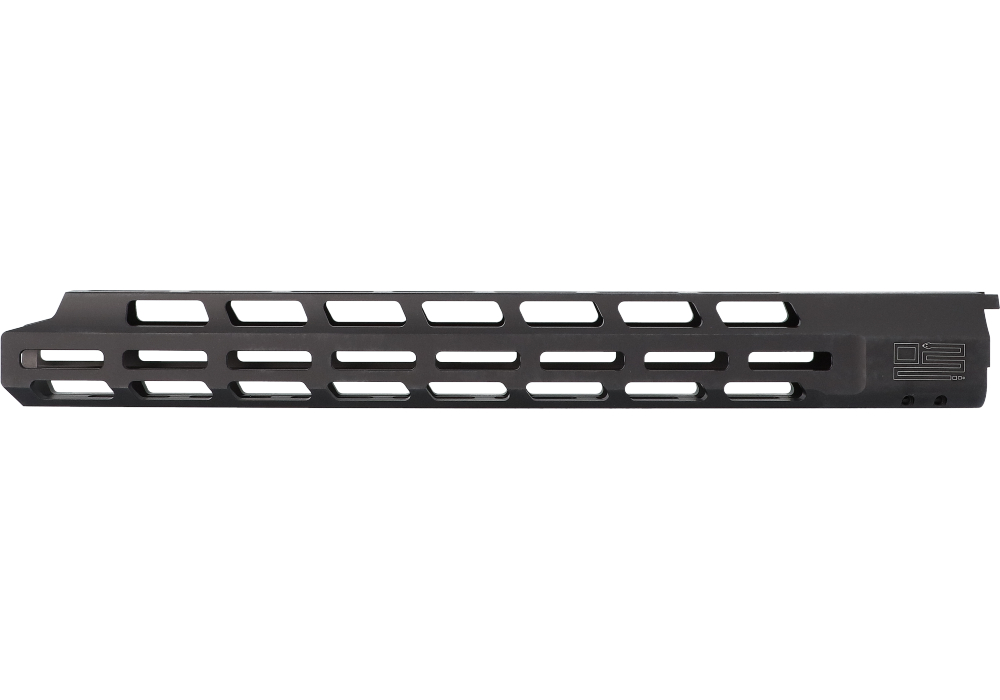
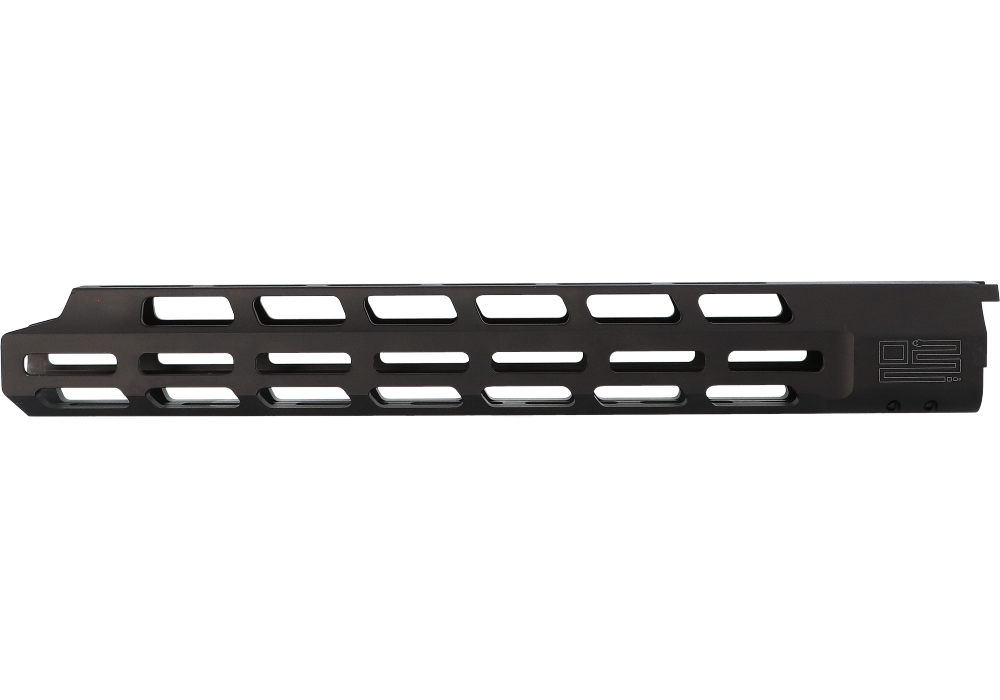
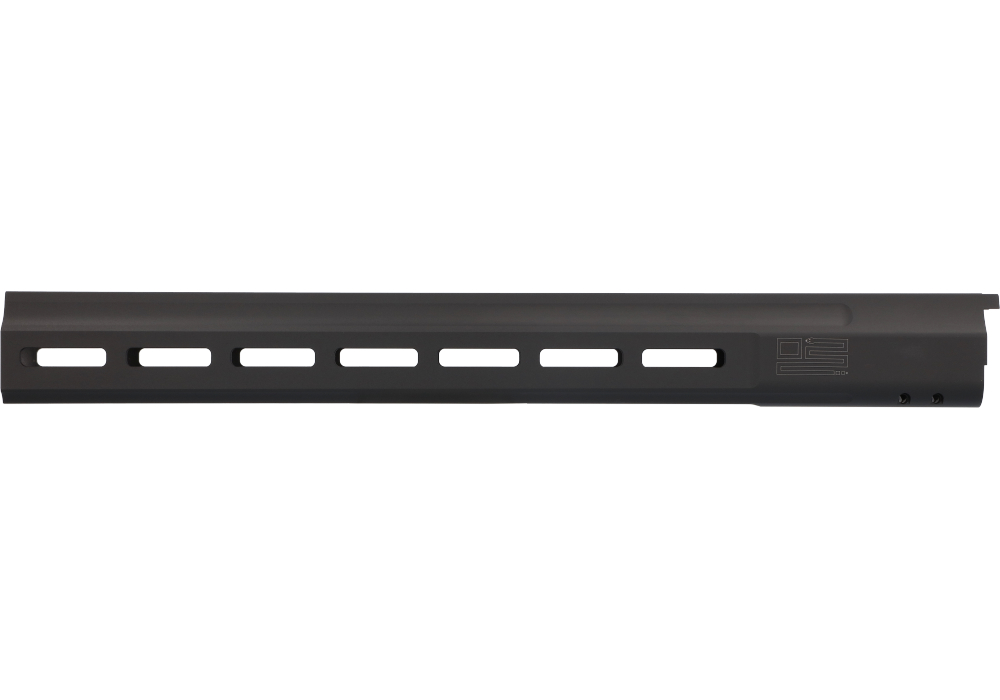
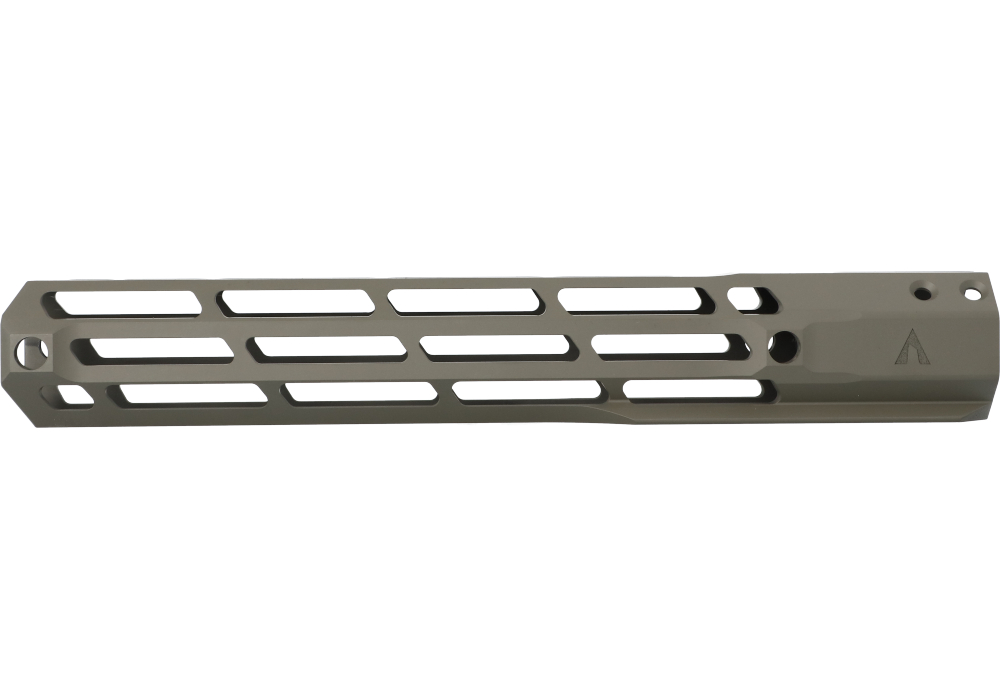
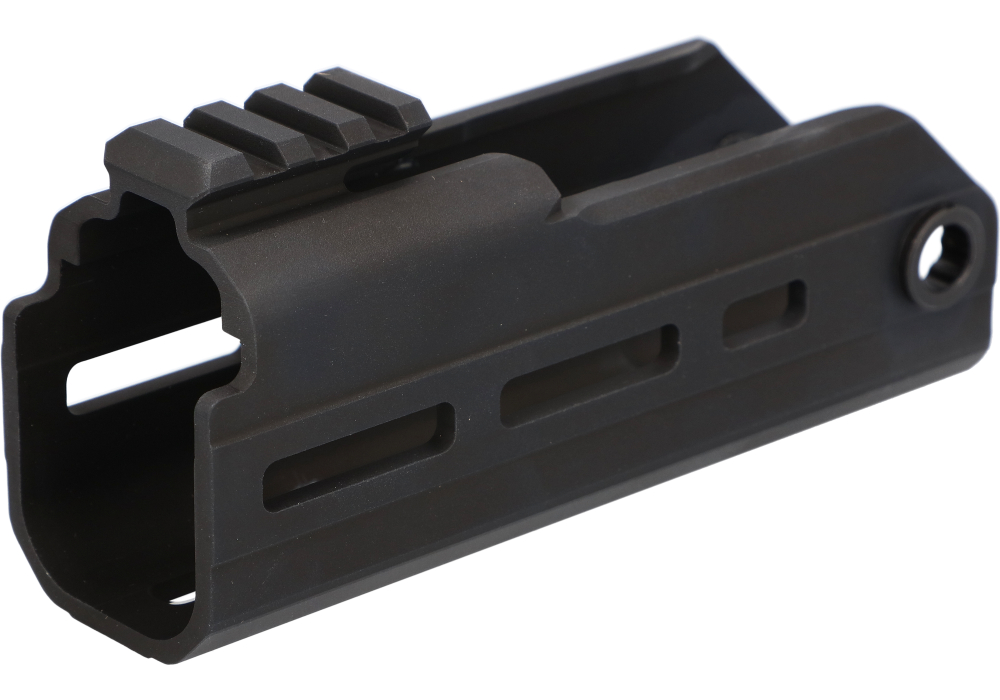
Combat handguards are designed for shooters who want a durable, adaptable interface between the firearm and its supporting accessories. Commonly used on AR-style platforms, these handguards often employ a free-float design that surrounds the barrel without contacting it, helping reduce external pressure that could influence consistency. Their purpose extends beyond appearance: a well-designed handguard gives the shooter a secure forward gripping surface, protects the support hand from a hot barrel during extended sessions, and provides mounting locations for practical equipment such as lights, sling attachments, and aiming accessories. Many modern combat handguards use lightweight aluminum construction with reinforced walls to balance strength, handling, and heat management. A slim profile can make it easier to establish a comfortable grip, especially when the rifle is carried close to the body or used from supported positions. M-LOK slots are common on the sides and underside, allowing compatible accessories to attach directly with a low-profile footprint, while a continuous top Picatinny rail can support optics, backup sights, or other rail-mounted equipment. Some configurations also include steel-reinforced quick-detach sling sockets and anti-rotation features to help keep the handguard properly aligned during hard use. For a broader selection of compatible components, browse our Firearm Handguards collection.
Selecting the right combat handguard begins with confirming the firearm platform, barrel length, gas system, and receiver configuration. Handguard length should be chosen with care: a shorter option may leave more of the barrel and muzzle device exposed, while a longer option can provide additional gripping area and more room for accessory placement. The handguard must also be compatible with the rifle’s barrel nut and installation system; dimensions that look similar can still differ in critical ways, so checking manufacturer specifications and consulting a qualified gunsmith is a sensible step. A free-float handguard is often favored when consistent accessory alignment matters, particularly for shooters mounting a laser aiming device, night-vision equipment, or other systems that depend on a stable reference point. Rigidity, lockup, and resistance to forward or rotational movement become especially important in those applications. For a standard light, hand stop, or sling mount, priorities may instead center on weight, grip comfort, heat shielding, and the locations of the M-LOK slots. A continuous top rail can be useful for a traditional sighting setup, but shooters should consider how much rail space they actually need before adding unnecessary weight. Common lengths include approximately 9.25, 10.5, and 13.5 inches, although availability and compatibility vary. Review the inner diameter as well as the outer diameter when planning to use a suppressor, adjustable gas block, or other components inside the handguard, and verify clearance before installation.
Combat handguards may appeal to duty-oriented users, competition shooters, preparedness-minded owners, and recreational range shooters who want a more capable setup without changing the firearm’s basic role. A lawfully owned rifle configured for training or home-defense practice may benefit from a reliable handguard that keeps a light and sling positioned where the shooter can reach them without shifting the firing grip. On a carbine used for classes, drills, or outdoor practice, a comfortable handguard can make transitions between low-ready, supported, and standing positions feel more natural. During the cooler months, a handguard with a secure grip and sensible heat protection can make longer practice sessions more comfortable, while its modular mounting system allows the rifle to be configured for changing light conditions and terrain. These products can also make a thoughtful gift for an experienced firearm owner, provided the giver knows the recipient’s exact platform, barrel length, gas system, and preferred mounting standard; a gift card or a conversation about fit is safer than guessing at compatibility. Before installation, unload the firearm completely, separate the ammunition from the work area, and follow the applicable owner’s manual. Proper barrel-nut torque, alignment, fastener treatment, and clearance checks all matter, and professional installation is recommended for anyone without the correct tools or experience. Afterward, inspect the handguard and mounts regularly for loosened hardware, unusual movement, or damage, then confirm zero whenever an aiming device or sighting system has been removed and reinstalled.