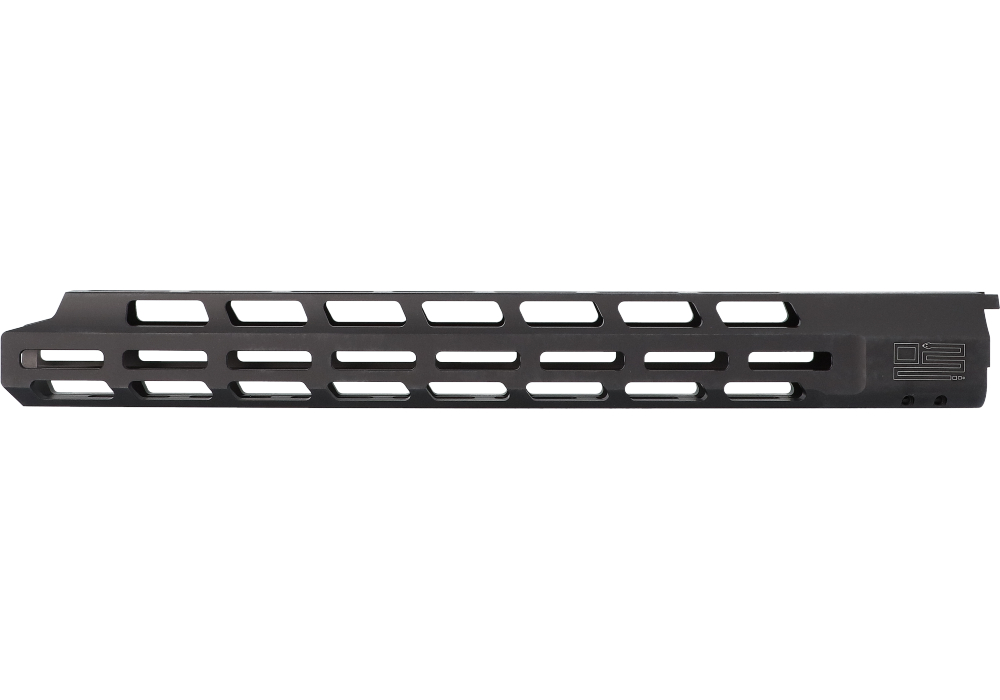
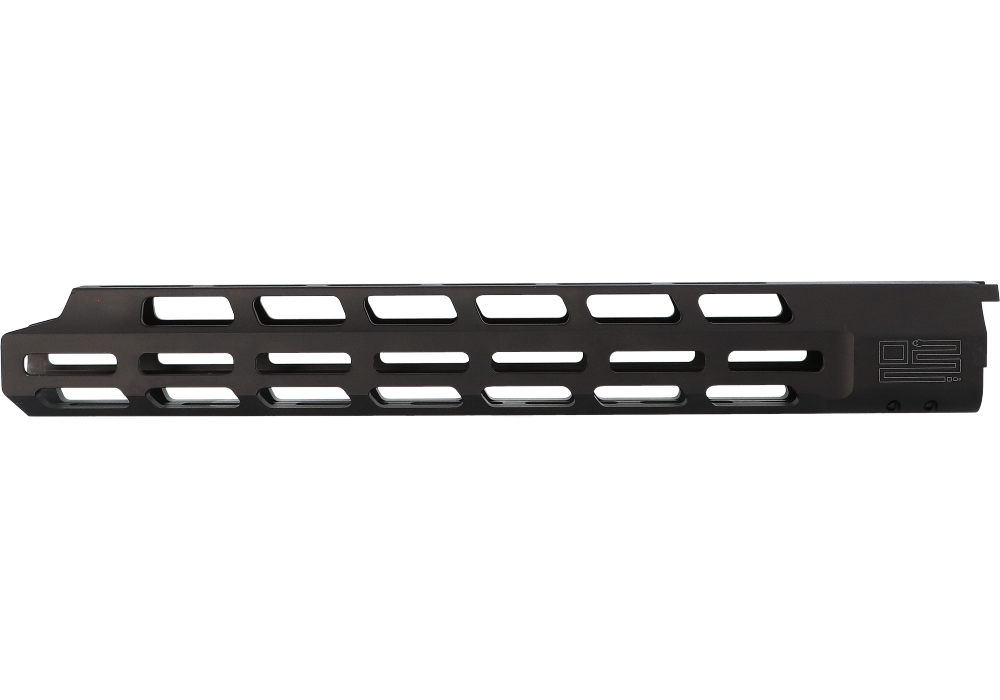
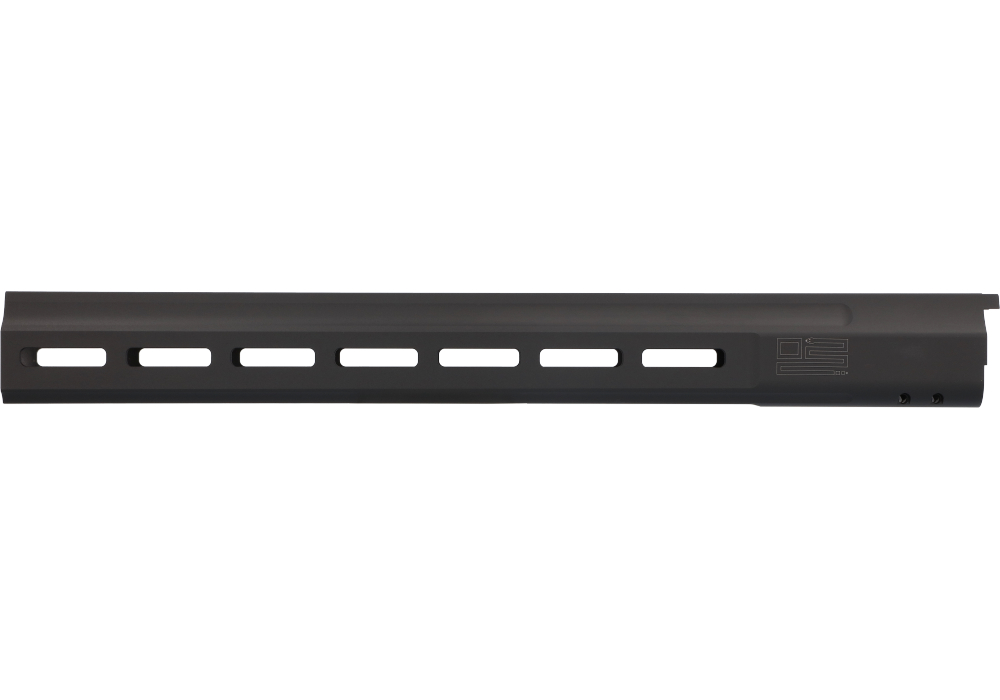
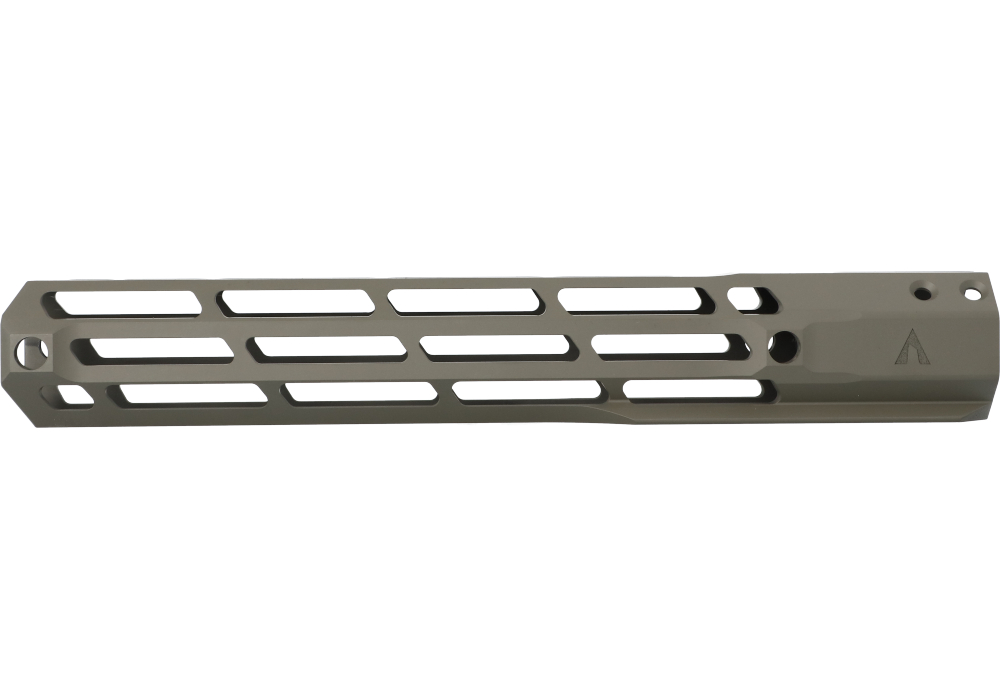
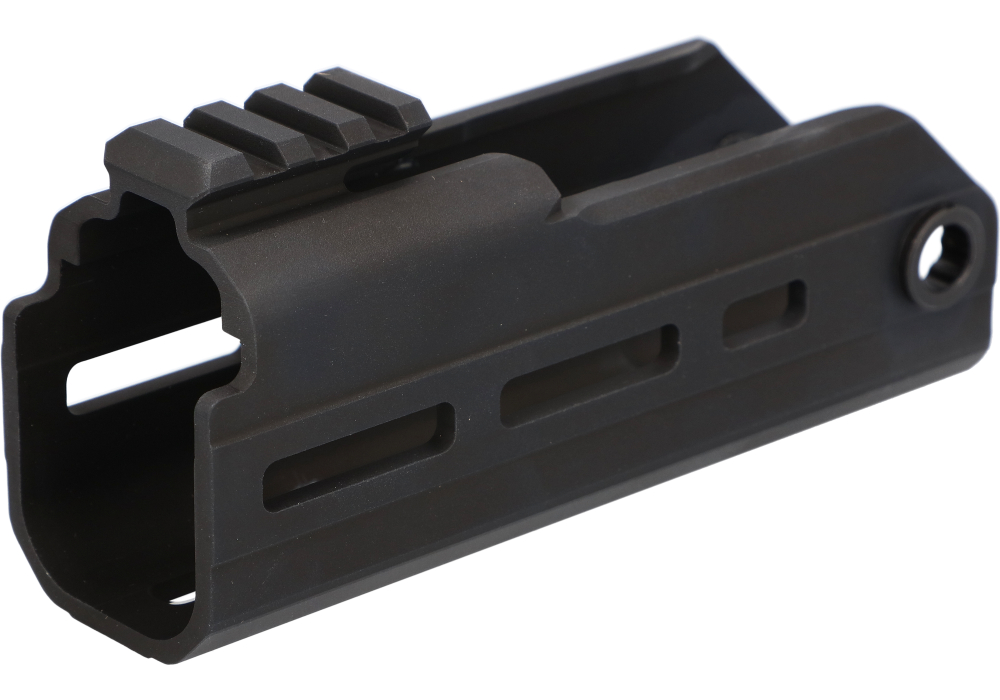
New handguards can give a familiar rifle a more comfortable, adaptable feel while creating a secure foundation for lights, sling mounts, bipods, aiming accessories, and other mission-specific equipment. On an AR-pattern firearm, the handguard surrounds the barrel and gas system, helping protect the shooter’s support hand from heat while providing a place to establish a consistent grip. A replacement handguard may also reduce unnecessary weight, improve balance, or offer more usable mounting space than a factory configuration. The right choice begins with firearm compatibility: confirm the platform, barrel length, gas-system length, upper receiver configuration, and barrel nut requirements before making a selection. Handguards are not universal, even when they appear similar at a glance. A model intended for one receiver or operating system may not align correctly with another, and small differences in length or internal clearance can affect installation. It is also important to account for the muzzle device, front sight base, adjustable gas block, suppressor, and any other components positioned near the front of the firearm. Those details matter when selecting a compact handguard for a lightweight build, a longer option for a supported shooting position, or an extended configuration that allows the support hand to reach farther forward. The products gathered on this page are intended for shoppers comparing new handguards for practical upgrades, replacement projects, range setups, duty-oriented configurations, and carefully planned firearm builds. They can be useful for an experienced owner refining the fit of a trusted rifle, but compatibility and proper installation should take priority over appearance alone.
One of the most important distinctions is the mounting method. Free-float handguards attach to the receiver through a dedicated barrel nut and do not contact the barrel, which can help reduce external pressure on the barrel and support consistent performance when the rifle is fired from a rest, barricade, or other supported position. These handguards are popular for precision-minded builds, competition use, training rifles, and general-purpose configurations where a rigid, uninterrupted support surface is valuable. Drop-in handguards use the firearm’s existing retention system, often including a front handguard cap and delta ring assembly, and can be a practical choice for compatible rifles when straightforward replacement is a priority. Their installation may be faster and require fewer changes to the firearm, although the rifle must have the correct components and configuration. Attachment style is another key consideration. M-LOK handguards use small mounting slots that keep the exterior relatively slim and allow accessories to be positioned only where needed. This can make the rifle easier to carry, less likely to snag on gear, and more comfortable during long practice sessions or field use. Picatinny rail sections provide a standardized interface for compatible accessories and offer a continuous series of cross-slots, making them useful when precise, repeatable positioning is important. Some handguards combine a streamlined M-LOK surface with short rail sections at selected positions, while others provide more extensive rail coverage for users who need multiple mounting points. Pay attention to overall weight, outside diameter, internal diameter, rigidity, anti-rotation features, sling socket placement, and the shape of the support-hand contact area. A narrow profile can suit a relaxed thumb-forward grip, while a broader or more textured surface may feel more natural with gloves. Ventilation can help manage heat during extended firing, but every handguard should be handled with care after use because metal components may become hot. The best fit is the one that matches the firearm, accessories, shooting style, and intended handling characteristics rather than simply the lightest or longest option.
A new handguard can be a thoughtful addition to a firearm project, although it is a more specialized gift than general shooting accessories because fitment depends so closely on the recipient’s rifle. For that reason, it is wise to confirm the exact platform and configuration before purchasing one for another shooter. A handguard may be particularly appropriate for someone assembling a new firearm, updating an older setup, preparing for training during the cooler months, or organizing a range bag and workshop before more time outdoors. Keep the installation process in mind as well. Free-float systems commonly require removal of the existing handguard, inspection of the barrel and gas system, installation of a compatible barrel nut, and careful alignment of the new rail. Some projects call for specialized tools, torque specifications, gas-tube alignment checks, or adjustments to the gas block. A qualified gunsmith can help verify fitment and complete installation when the owner does not have the necessary tools or experience. After installation, inspect the handguard for movement, confirm that accessories are firmly secured, and ensure that nothing contacts the barrel or interferes with the gas system. Recheck fasteners after initial use and follow the manufacturer’s instructions for torque, cleaning, and maintenance. Shoppers comparing Secure Handguards should also consider whether they prefer a free-float or drop-in design, M-LOK or Picatinny attachment points, a lightweight or reinforced construction, and a length that complements the barrel and gas system. With those details settled, a new handguard can make a rifle feel more deliberate in the hands: balanced while moving between positions, comfortable during a long session, and ready for the accessories that support the owner’s particular way of shooting.