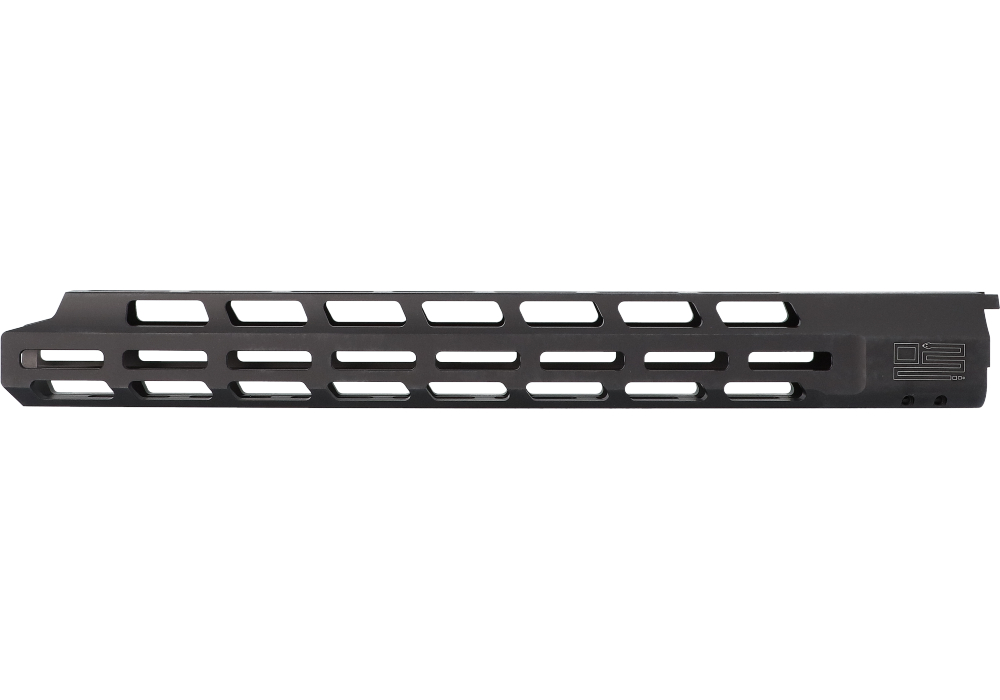
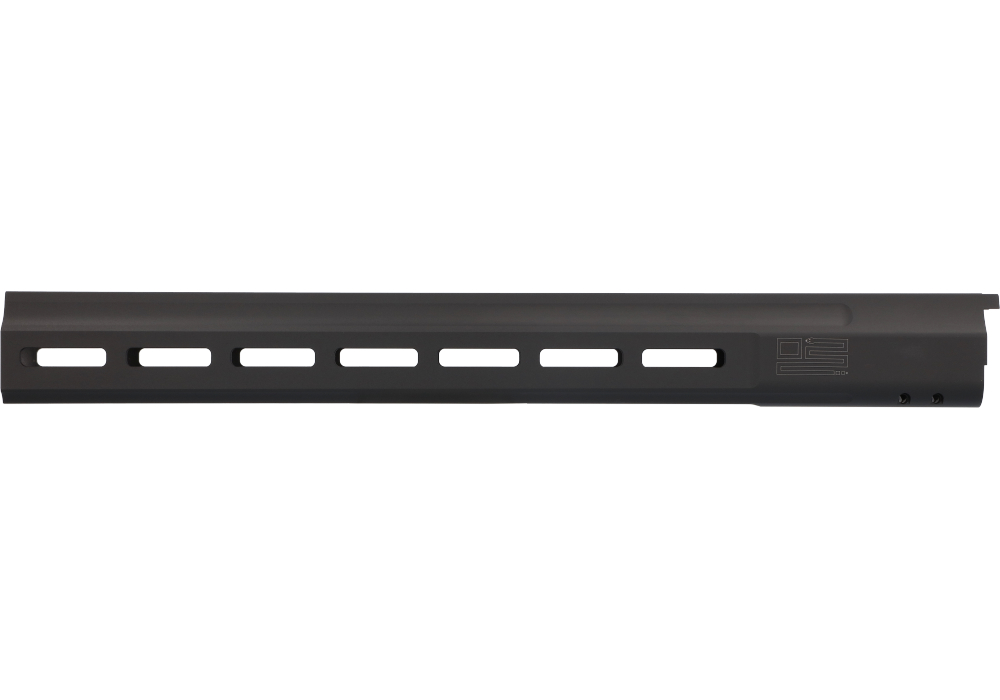
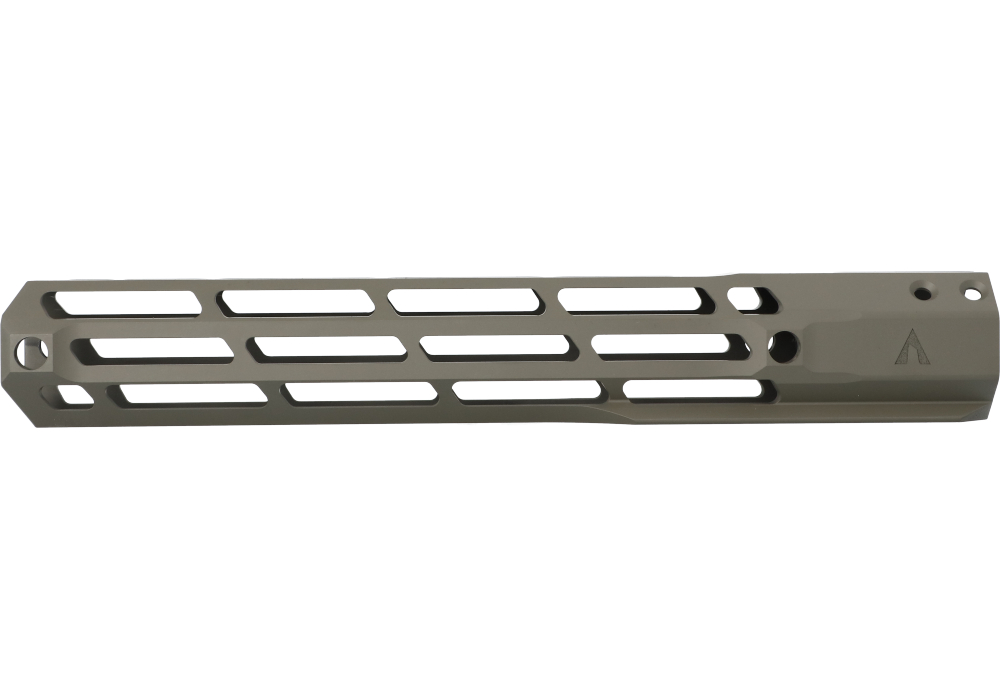
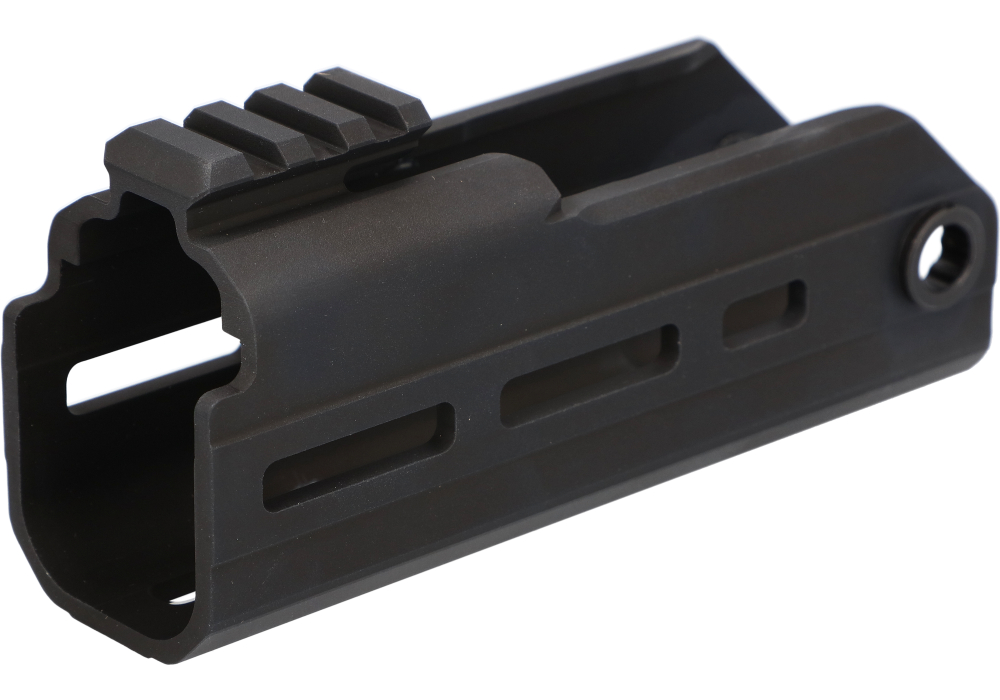
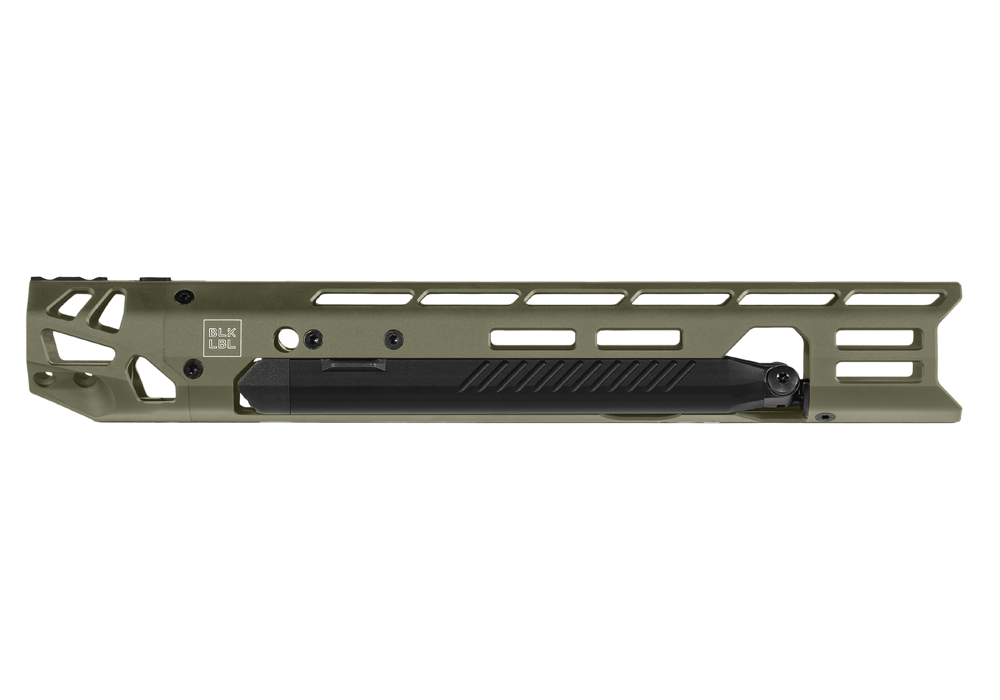
Secure handguards provide more than a comfortable gripping surface. They help shield the support hand from barrel and gas-system heat, protect the gas block and barrel from accidental contact, and give the firearm a dependable foundation for controlled handling. A well-fitted handguard should feel solid in the hand, remain properly aligned with the receiver, and maintain consistent clearance around the barrel and gas system. That combination matters during a long range session, when repeated firing can make exposed metal uncomfortable, as well as during field use where the rifle may be carried, rested, or maneuvered around obstacles. When browsing secure handguards, begin with firearm compatibility rather than appearance. Confirm the platform, caliber family, upper receiver configuration, gas-system length, barrel profile, and handguard attachment method before selecting a size. Length also deserves careful attention: a shorter option may leave the front sight, gas block, or muzzle device more accessible, while a longer option can offer additional support-hand room and a greater area for accessories. The handguard should not interfere with the muzzle device or contact the barrel unless it is specifically designed for that arrangement. For many modern rifles, a free-float handguard attaches to the receiver’s barrel nut and does not bear against the barrel, which can help preserve consistent point of impact when the shooter applies pressure to the support hand or rests the rifle against a barricade. Drop-in handguards, by contrast, install around existing front-end components and can be a practical choice when maintaining a familiar configuration or simplifying installation is important. Both styles can serve well when correctly matched to the firearm and installed according to the manufacturer’s specifications.
Attachment interface is another central purchase consideration. M-LOK handguards use recessed mounting slots that keep the exterior relatively smooth and help reduce unnecessary weight, making them a popular choice for shooters who prefer a streamlined setup. Accessories attach only where needed, leaving the remaining surface comfortable against the palm or support bag. Picatinny or quad-rail designs provide continuous rail sections and broad placement flexibility on multiple sides, which can be useful when several accessories must be positioned precisely or when a traditional, highly modular layout is preferred. They may feel more substantial in the hand, particularly when rail covers and accessories are added. KeyMod remains available on some configurations, but replacement parts and compatible accessories may be less common than they are for M-LOK and Picatinny systems. Whatever interface is selected, examine the mounting hardware, anti-rotation features, and alignment surfaces. Anti-rotation tabs or interlocking geometry can help prevent the handguard from twisting under recoil, pressure, or repeated handling. Fasteners should be tightened to the specified torque rather than simply made as tight as possible; excessive force can damage threads or distort components, while insufficient force can allow movement. Where the installation instructions permit it, a small amount of removable blue thread locker on accessory screws can help resist loosening, but it should never replace proper torque or be applied indiscriminately. Allow any approved compound to cure as directed before firing. A careful installation starts with an unloaded firearm, a clear work surface, and the correct tools. After assembly, check that the handguard is centered, the barrel remains free-floating when intended, the gas system moves without interference, and sights or aiming devices remain properly positioned. Recheck the screws and barrel nut after the first range session and inspect them periodically, especially after several trips or heavy recoil use.
Shooters choose secure handguards for a wide range of reasons. A recreational owner may want a cooler, more comfortable support-hand position during informal target practice, while a competitive shooter may value a rigid free-float design that supports consistent technique from standing, kneeling, prone, or barricade positions. Hunters and outdoor users often appreciate a handguard that protects the hand from heat while leaving room for a light or other essential accessory without creating a bulky front end. A carefully selected handguard can also be a thoughtful gift for an experienced firearm owner, provided the recipient’s exact firearm model, attachment system, preferred length, and installation needs are known; these details are too important to guess. For a rifle being configured for use during the cooler months, a handguard with a comfortable profile can make it easier to maintain a secure grip while wearing gloves, but the controls and accessory placement should still be easy to reach without shifting the hand. As weather warms, ventilation and a surface that does not trap excessive heat may become more noticeable during extended sessions. Before purchase, compare overall weight, exterior diameter, rail coverage, mounting method, finish, and compatibility with the intended sling, light, laser, front sight, and support accessories. Keep accessory placement balanced so the rifle remains natural to shoulder rather than front-heavy. Some shooters prefer a handguard that leaves a small amount of barrel exposed for a compact feel; others favor nearly full-length coverage for a longer support-hand index and added protection. Neither approach is automatically better—the correct choice is the one that fits the firearm, intended use, and the shooter’s established handling style. For those seeking a broader selection of front-end configurations, explore Combat Handguards and compare each option’s specifications before ordering. A secure handguard should ultimately disappear into the shooting experience: no shifting, rattling, sharp edges, or unwanted contact, just a stable and comfortable interface that supports safe, deliberate control. Always follow applicable laws, use the firearm only for lawful purposes, and consult a qualified gunsmith when fitment, barrel-nut installation, gas-system clearance, or torque requirements are uncertain.