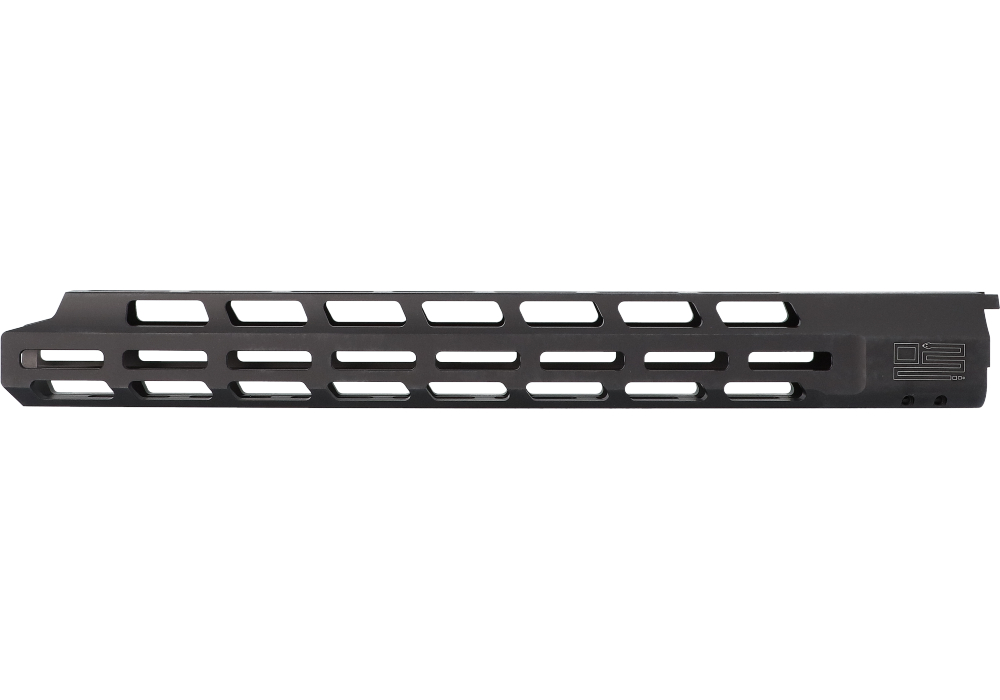
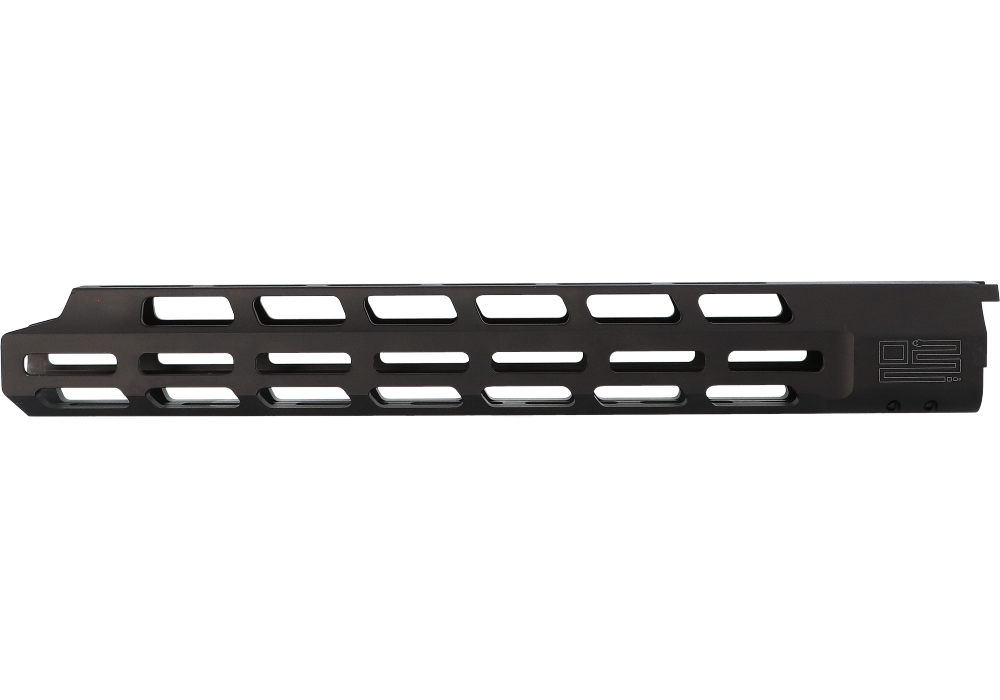
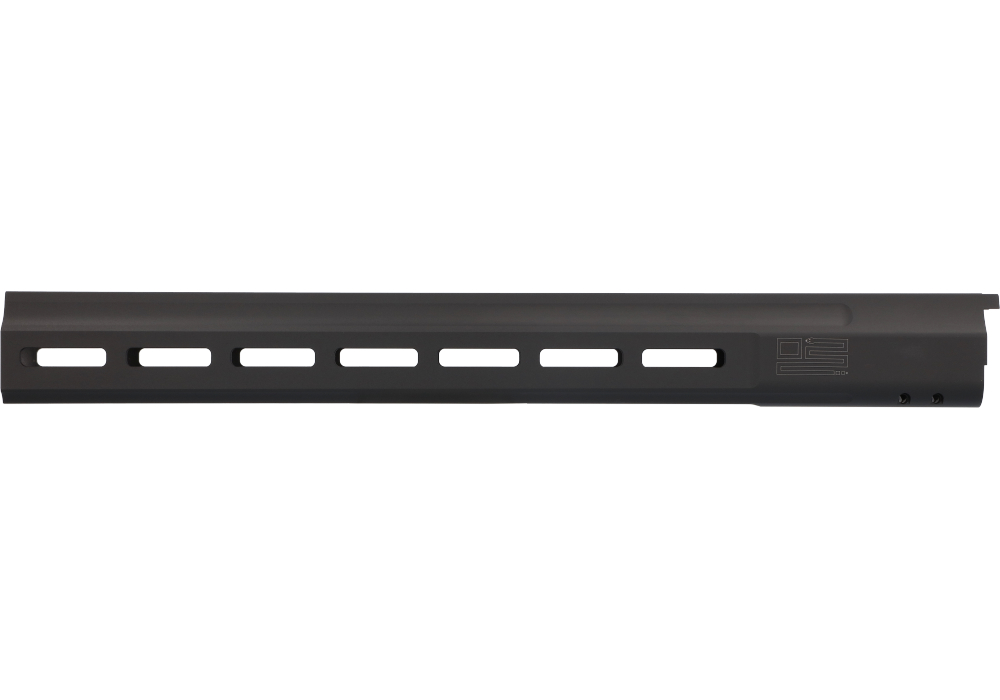
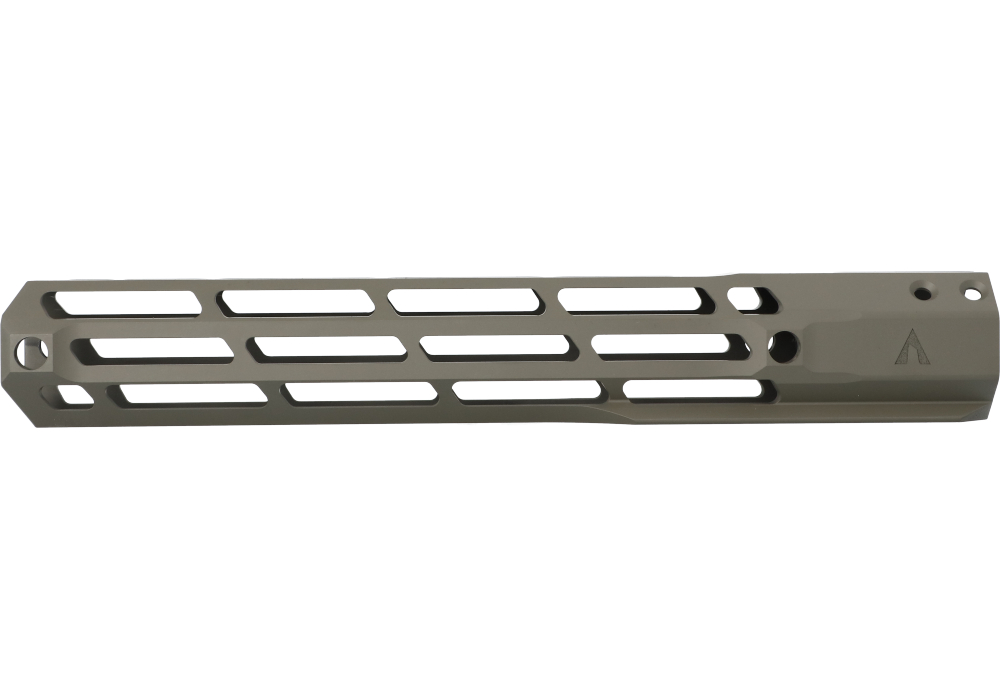
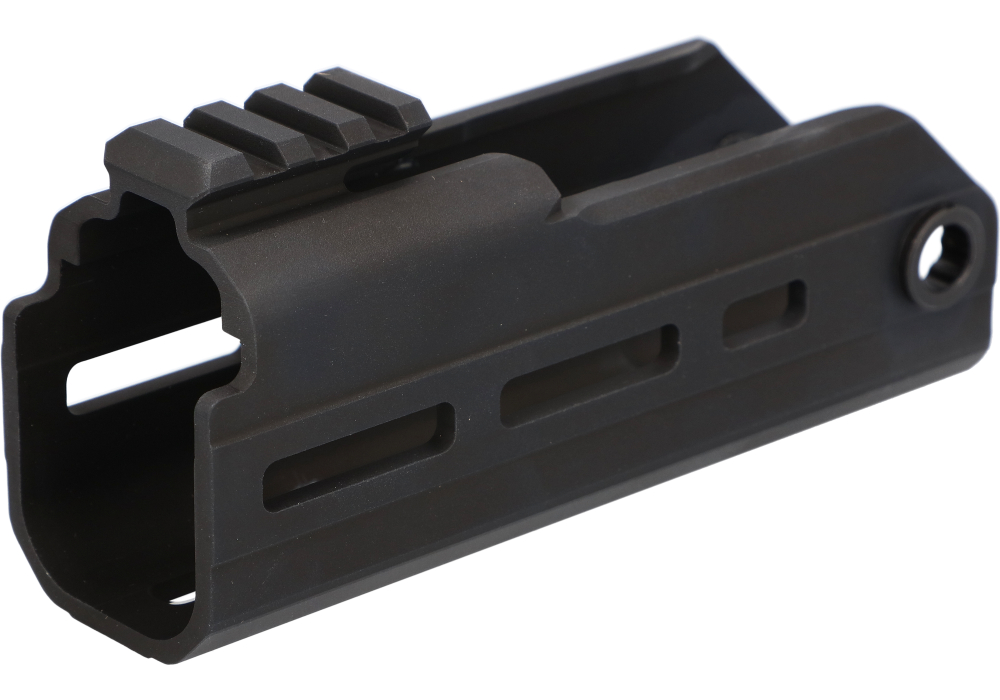
Precision handguards are designed for shooters who value a stable, repeatable platform from the receiver forward. Commonly used on AR-15 and other precision rifle platforms, these rigid, free-floating forends attach to the upper receiver rather than contacting the barrel along its length. That separation helps reduce the chance that pressure from a support hand, barricade, sling, or bipod will influence barrel movement and cause a point-of-impact shift. For a shooter settling behind a rifle on a bench, prone position, or field rest, the benefit can be felt in the consistency of the setup: the rifle rests firmly, the support equipment stays where it belongs, and the barrel has room to perform without unnecessary contact. A precision handguard can also give a build a more purposeful balance, with enough usable surface for a comfortable grip while preserving access to controls and the gas system. When browsing this category, begin with platform compatibility, receiver dimensions, barrel length, and gas-system configuration. A handguard must match the correct barrel nut and installation requirements, and its internal clearance should accommodate the barrel profile and gas block. Attention to these details before purchase can prevent a frustrating fitment issue later, especially when building or refreshing a rifle during the warmer shooting season or preparing equipment for use during the cooler months.
Rigidity is one of the defining considerations when selecting a precision handguard. Aluminum construction, including commonly used 6061-T6 designs, can provide a practical balance of strength, weight, and durability, while the handguard’s locking system, barrel nut interface, and overall profile influence how it behaves under load. A well-designed model may incorporate anti-rotation tabs or other alignment features to help keep the rail properly indexed against the upper receiver. These details matter when a bipod is loaded forward on a mat, a rifle is pressed against a barricade, or accessories need to remain aligned from one range session to the next. Attachment options are equally important. M-LOK slots offer flexible, low-profile mounting for bipods, hand stops, sling hardware, and other compatible accessories, while a full-length Picatinny rail can provide a continuous interface for specific sights or aiming equipment. Some shooters prefer a slim handguard that allows the fingers to wrap naturally around the rifle, while others choose a broader profile that offers more surface area and room for accessories. Weight should be considered alongside stiffness rather than treated as the only measure of performance; a very light setup may be convenient for carry, while a more substantial handguard can contribute to a steady feel from a supported position. Think about the rifle’s primary role, the distance it will be carried, the support equipment used with it, and whether the final configuration needs standard or extended capacity for accessories. A careful comparison of mounting interfaces, outer diameter, internal clearance, rail length, finish, and installation method will help narrow the selection to a handguard that complements the entire build rather than simply filling space in front of the receiver.
Precision handguards appeal to a wide range of rifle owners, from experienced competitors and recreational marksmen to builders assembling a carefully balanced setup for range practice, varmint control, or supported field shooting. They can also be a thoughtful gift for a knowledgeable shooter who enjoys upgrading a rifle, provided the recipient’s platform and preferred mounting system are known; compatibility is more important than appearance, and a quick check of the upper receiver, barrel, gas block, and barrel nut can save considerable time. For someone new to rifle customization, professional installation may be worthwhile, since correct barrel-nut torque, gas-tube alignment, rail indexing, and clearance checks all contribute to safe and dependable function. After installation, confirm that the handguard is secure, verify that the barrel remains free-floating, inspect the gas system for unobstructed movement, and recheck any mounted accessory for proper fit. It is also good practice to confirm zero after changing the handguard or moving optics and to follow all firearm-safety rules throughout the process. The right setup should feel natural when the rifle is shouldered: a smooth support surface under the forward hand, a stable place to mount a bipod, and enough rail space for the equipment that genuinely serves the intended use. Whether preparing for long afternoons at an outdoor range, a fall training session, or a rifle project completed indoors before the next trip, shoppers can compare additional configurations in New Handguards while keeping fit, rigidity, attachment options, and overall balance at the center of the decision.