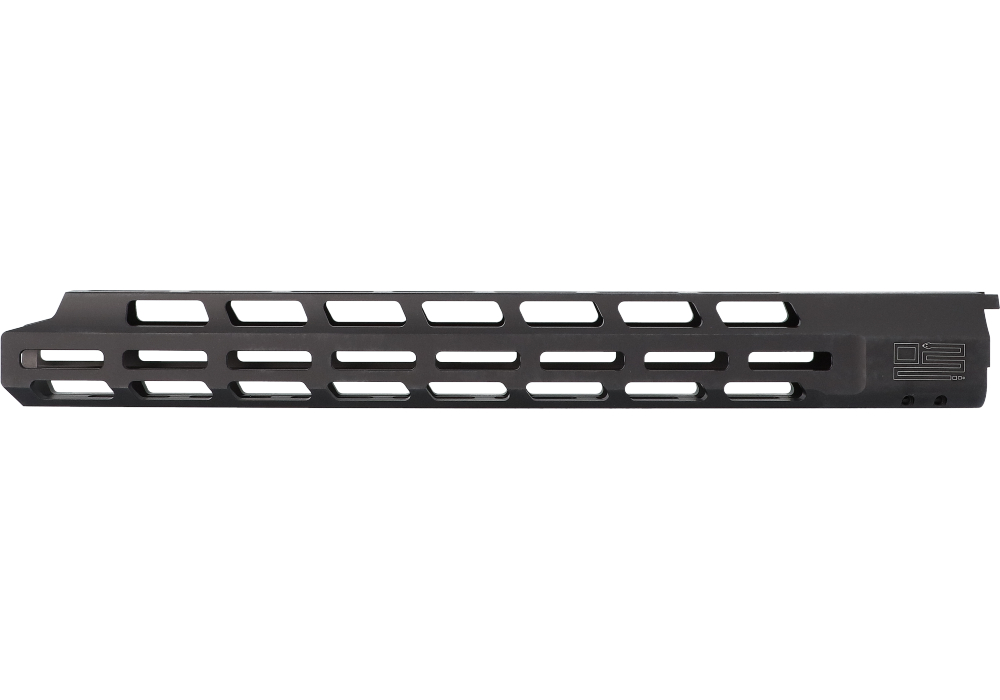
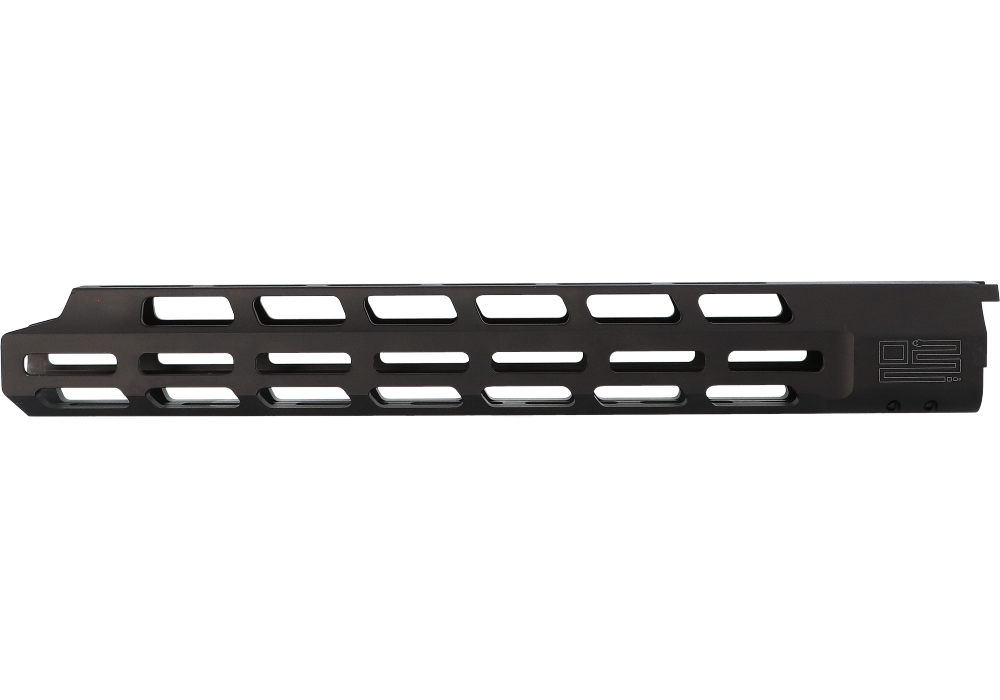
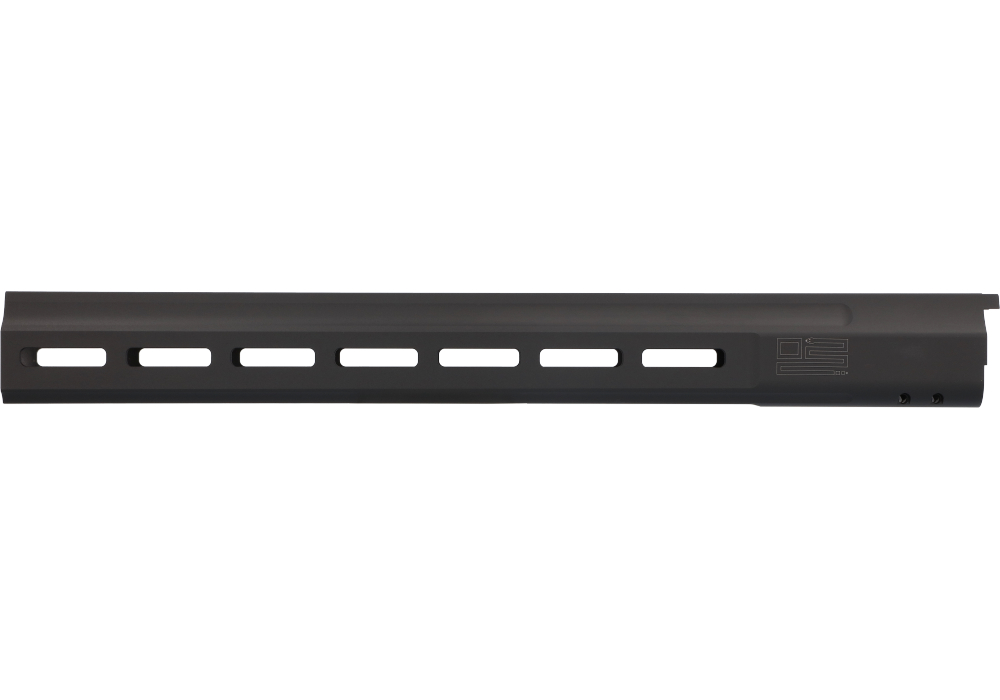
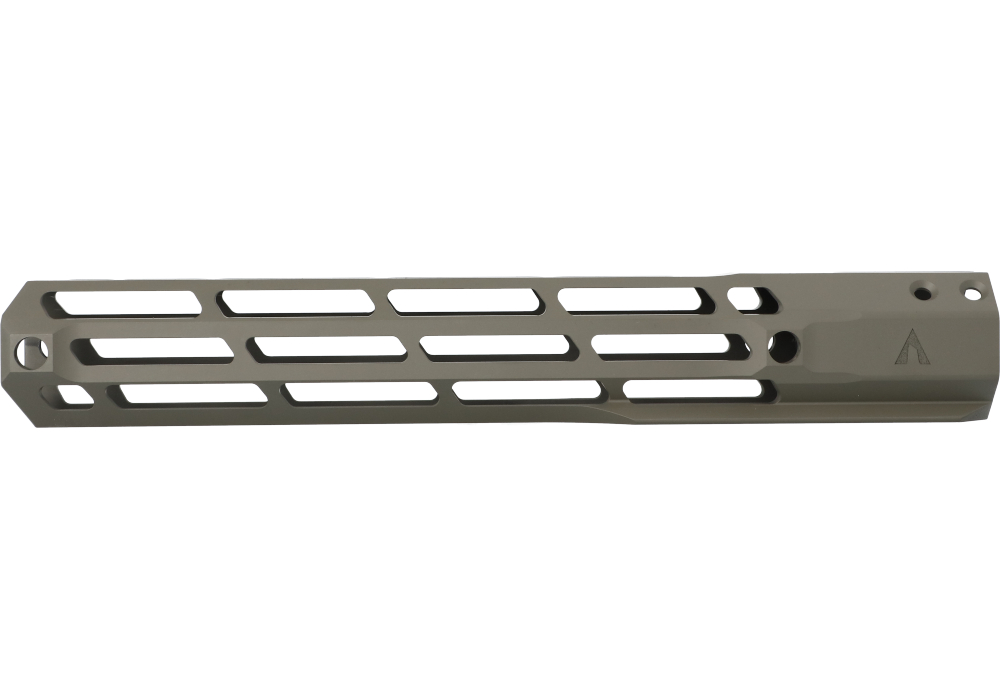
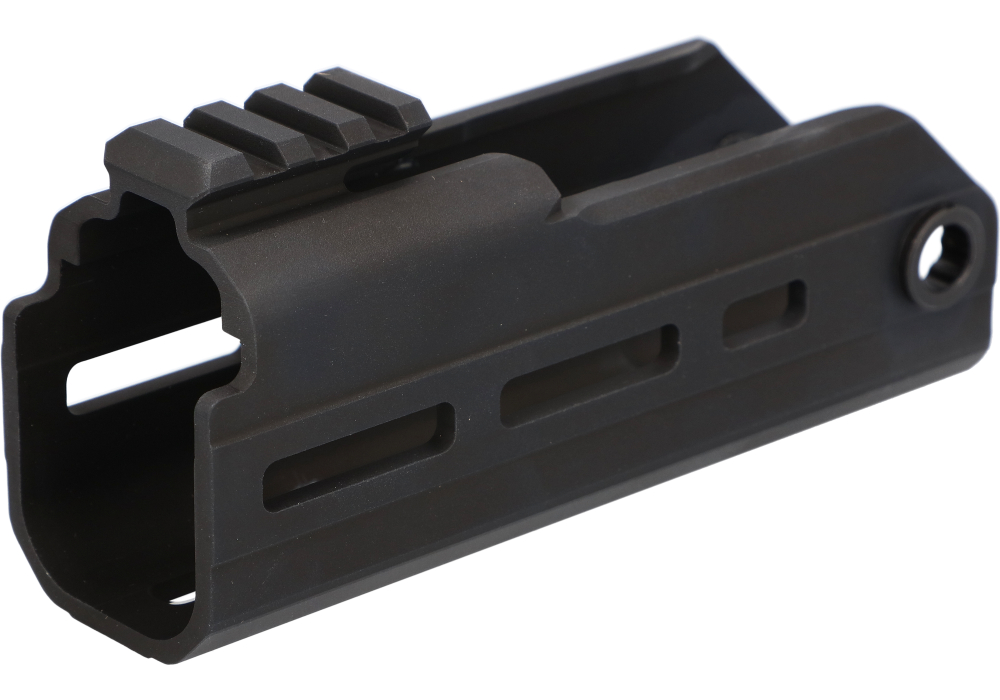
A dependable handguard is an important part of a home-defense firearm, providing a protected gripping surface and a practical foundation for accessories used in low-light conditions. In a hallway, stairwell, or crowded room, a streamlined setup can be easier to control than one covered with unnecessary attachments. Many shooters choose a free-float handguard because it attaches to the upper receiver rather than directly to the barrel, helping reduce the effect of hand pressure or sling tension on barrel movement. While a handguard cannot replace sound marksmanship or proper training, a rigid, well-fitted design can contribute to a consistent shooting setup. For many AR-pattern firearms, a free-float M-LOK handguard between approximately 9 and 13 inches offers a useful balance of maneuverability, forward-hand placement, and accessory space. A shorter rail may keep the firearm especially nimble in tight interiors, while a longer option can provide additional room for a supported grip or a forward-mounted light. The right choice depends on the firearm’s barrel and gas-system dimensions, the shooter’s reach, and the accessories that need to be installed.
A weapon-mounted flashlight is often the primary accessory considered for a home-defense handguard. Identifying a person or object in a dark room is a critical part of making safe decisions, and a light mounted close to the support hand can be easier to activate without changing the firing grip. M-LOK slots allow the user to place a light, sling mount, hand stop, or other compatible accessory only where it is needed, helping maintain a slim profile and avoid excess weight. Some handguards also include a continuous top rail for mounting compatible aiming devices, while others use a partial rail to preserve a smooth, comfortable contour. Aluminum construction, including commonly used 6061-T6 and more robust 7075-T6 materials, offers a durable combination of strength and manageable weight. Look for a secure mounting system, a rigid barrel nut interface, clean machining, and enough clearance for the firearm’s gas block and gas system. Compatibility should be confirmed before purchase rather than assumed from overall length alone; barrel length, gas-system length, upper-receiver configuration, barrel-nut specifications, and suppressor use can all affect fit. Those replacing an existing rail should also verify whether specialized tools or torque specifications are required. A qualified gunsmith can help with installation, alignment, and function checks, particularly when the handguard is being fitted to a firearm that will be stored for defensive use.
Selecting a home-defense handguard is ultimately about creating a setup that feels predictable when the lights are low and every movement matters. A homeowner who practices safe storage and regular handling may prefer a light, narrow rail that keeps the support hand in a natural position while moving through familiar spaces. An experienced rifle owner may place greater emphasis on rigidity, accessory placement, heat management, or compatibility with an established sling and light arrangement. These accessories can also be a thoughtful gift for a qualified adult who already owns a compatible firearm and has a clear understanding of local laws, safe handling, and responsible storage; confirming the recipient’s firearm specifications before purchasing is essential. During the warmer months and into cooler evenings, many owners use range time to check that the handguard remains secure, the light activates reliably, and the chosen grip does not interfere with controls or magazine changes. A simple inspection after installation should include checking fasteners, looking for movement between the rail and receiver, confirming that accessories are locked in place, and ensuring the barrel remains free of contact. For additional options across different configurations and applications, explore Firearm Handguards. Every home-defense setup should be paired with professional instruction, a safe storage plan, a clearly understood identification strategy, and practice that emphasizes avoiding unnecessary handling and using force only when lawful and absolutely necessary.