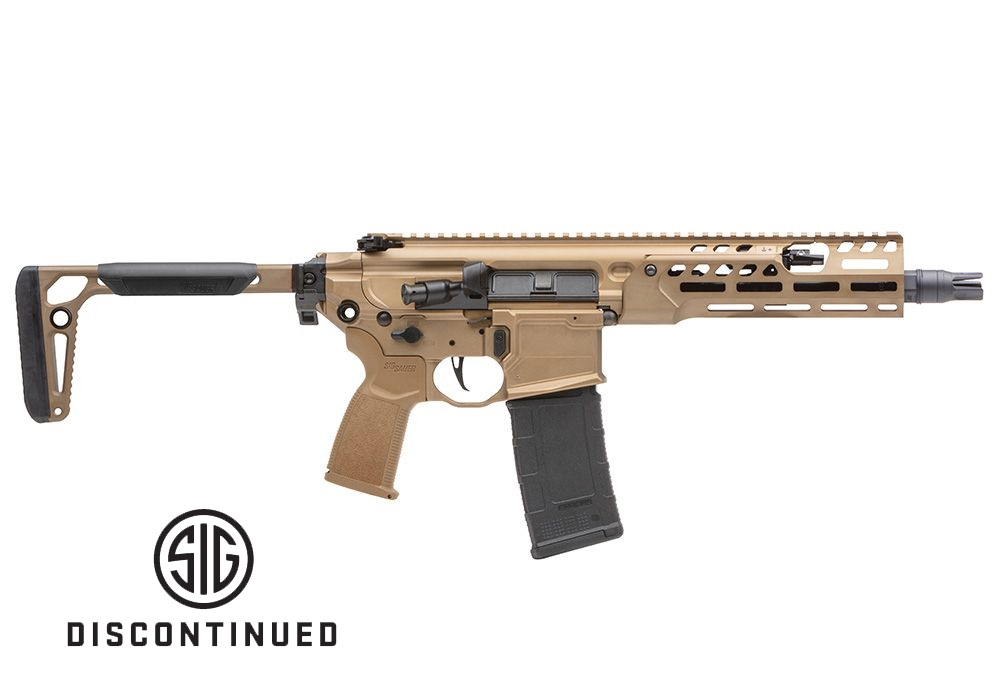
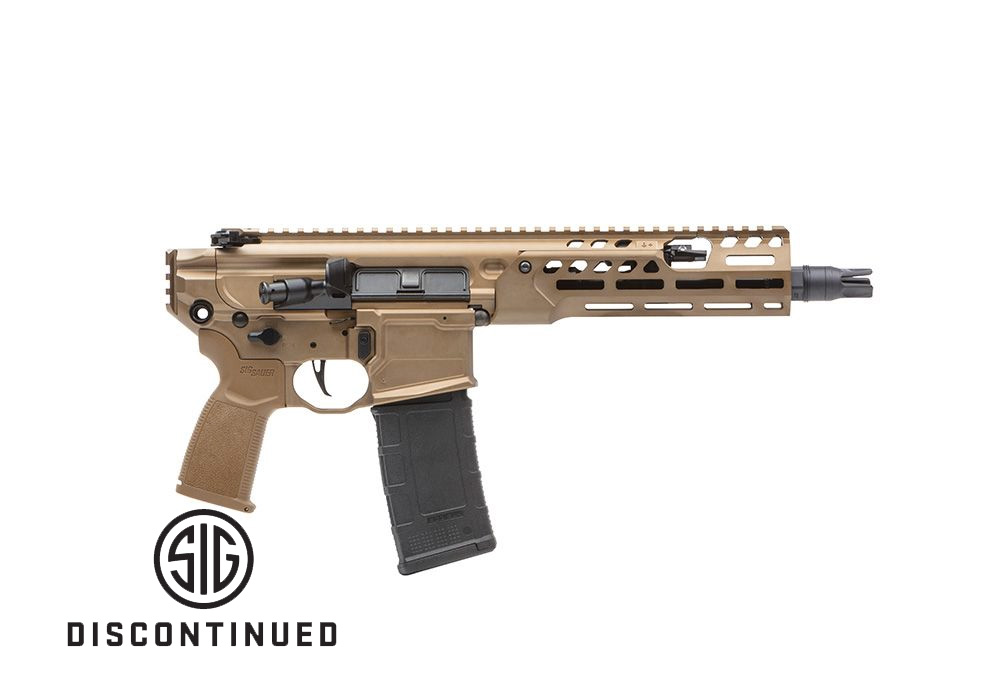
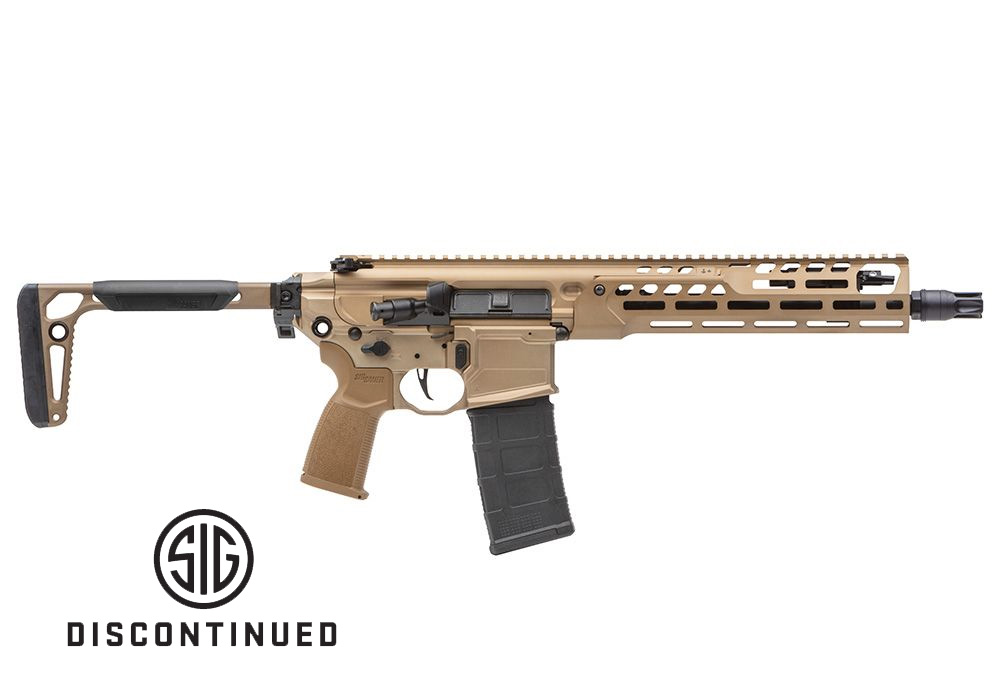
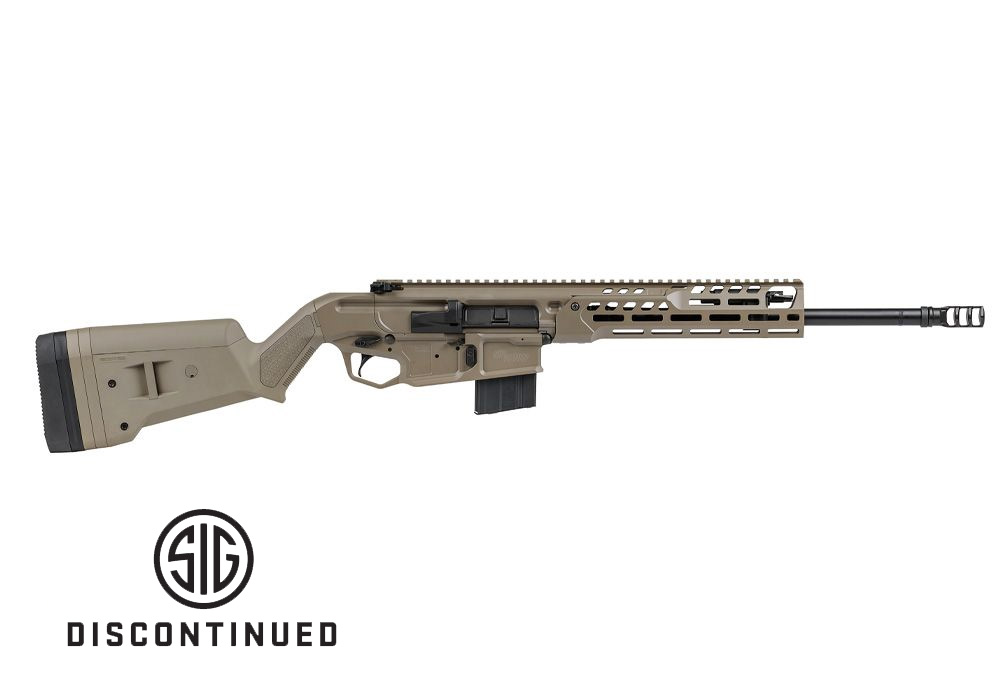
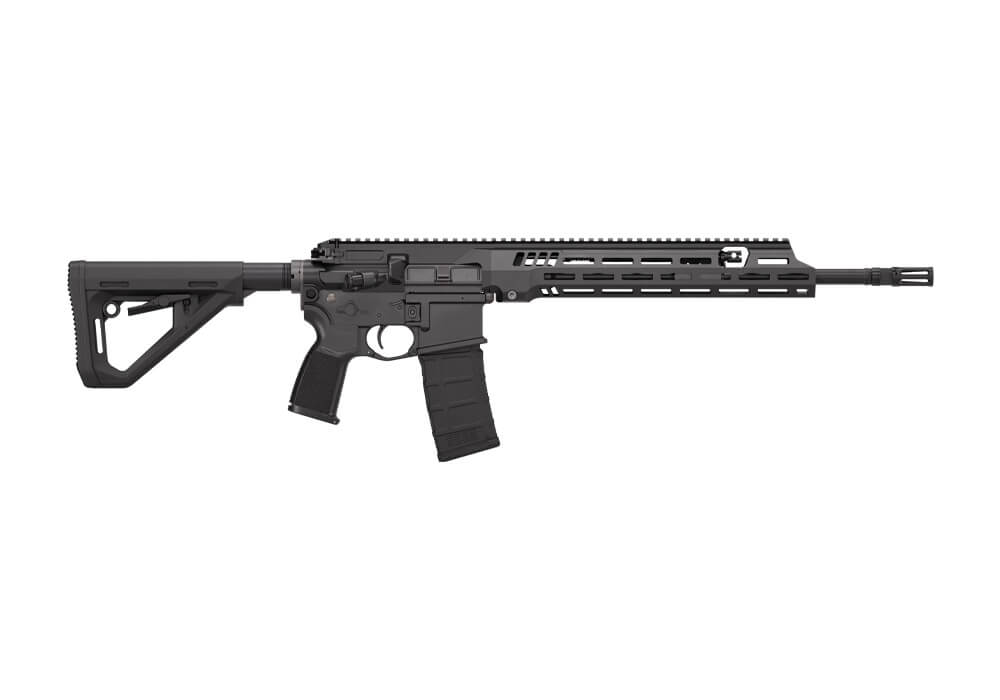
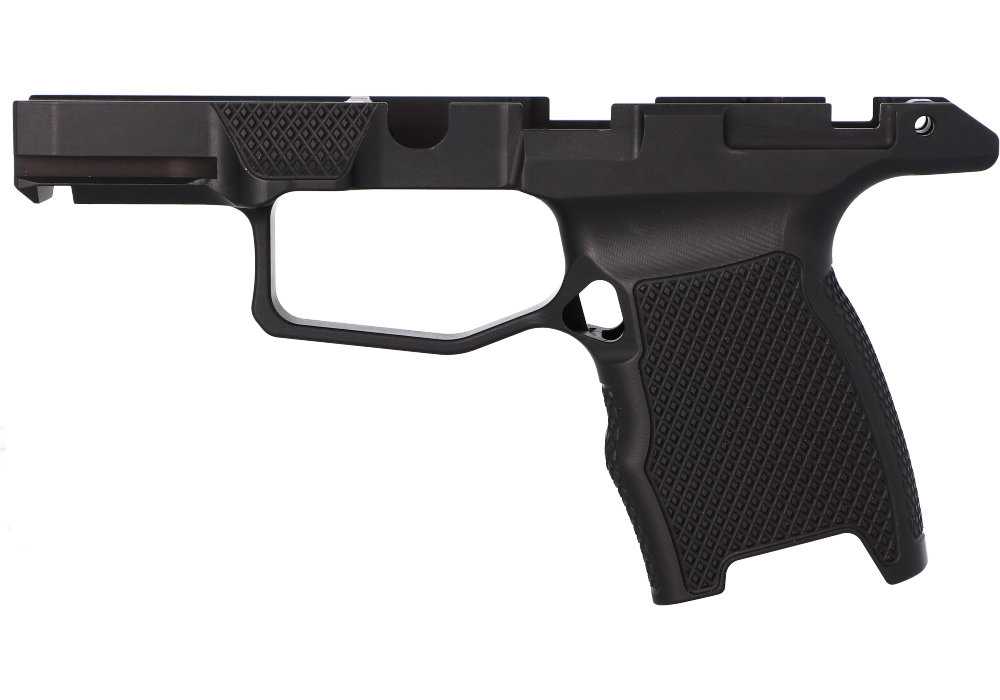
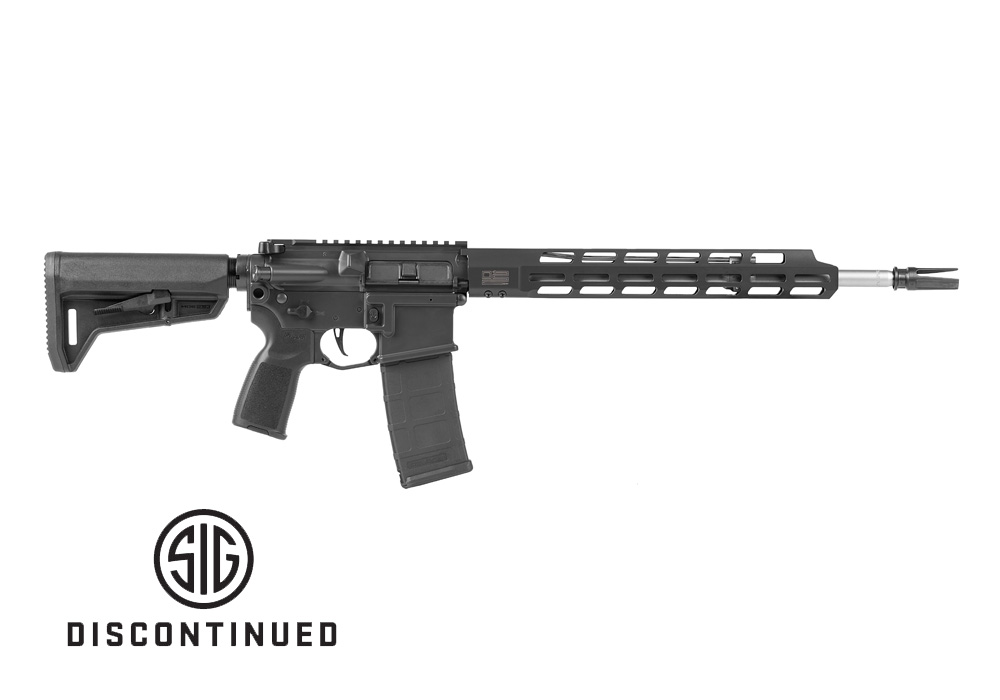
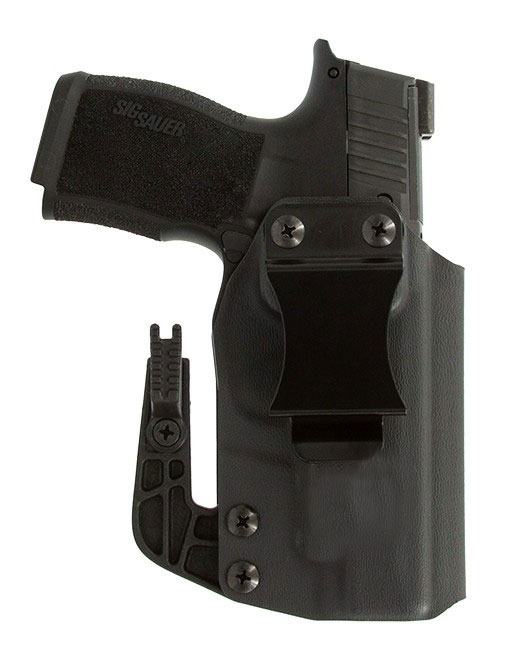
For left-handed shooters, an ambidextrous grip rifle can make the difference between adapting to a right-handed design and operating a platform that feels natural from the start. These rifles are built around controls, grip geometry, and handling characteristics that support either shooting position, while some left-configured models are designed specifically to mirror the operation of a right-handed rifle. Depending on the platform, useful features may include an ambidextrous safety selector, reversible or dual-sided magazine release, charging handle access from either side, an adjustable grip, and a stock that accommodates different shoulder positions. A true left-ejecting design can also help direct spent cases away from the shooter’s face, while a fully ambidextrous design may retain a conventional ejection pattern but provide controls that are easy to reach from either shoulder. These details matter during the small, repeated movements that define a comfortable shooting routine: establishing a firm grip, disengaging the safety, loading a magazine, running the action, and returning the rifle to the shoulder. For a left-handed shooter, a well-designed ambidextrous platform can reduce awkward hand changes and make those steps feel more consistent. It may also be a practical choice for households or shooting teams where more than one person uses the same rifle, since right- and left-handed users can often operate the same controls without extensive modification. When reviewing rifles in this category, start with the intended use. A semi-automatic rifle may suit range practice, training, competition, or other applications where rapid follow-up shots and familiar controls are important. A bolt-action or straight-pull rifle may be preferred for hunting, field use, or deliberate target work, particularly when a reversible action or left-hand bolt configuration allows the shooter to keep the rifle settled in the shoulder while cycling the action. The best fit depends on the shooter, the environment, and the type of practice the rifle will receive.
Grip design deserves close attention because it affects comfort every time the rifle is mounted. Look for a grip angle and texture that allow the trigger hand to remain relaxed, with the trigger finger able to move independently and reach the trigger without stretching or crowding. Adjustable stocks, cheek rests, and length-of-pull options can help align the eye with the sights or optic, especially when a rifle will be used by shooters of different sizes or with varying clothing during warmer and cooler conditions. Controls should be easy to identify by touch and operate without shifting the firing hand more than necessary. For left-handed users, this may include checking whether the safety, magazine release, bolt catch, charging handle, and other operating controls are genuinely ambidextrous or simply positioned for right-handed use. A rifle that looks symmetrical is not always fully ambidextrous, so the control layout and ejection system deserve a careful review of the manufacturer’s specifications. Also consider chambering, barrel length, overall weight, sling attachment points, optic mounting space, and compatibility with commonly available magazines or accessories. Standard or extended capacity magazines may be appropriate in different settings, but local laws and range rules should always guide the selection. Optics and backup sights should be positioned so the shooter can establish a clear sight picture without forcing the head into an uncomfortable angle. For hunting, a lighter configuration can be easier to carry through uneven ground and dense cover; for bench or precision shooting, additional stability and a more adjustable stock may be worthwhile. A person shopping for a left-handed family member, experienced shooter, or new license holder may find an ambidextrous rifle to be a thoughtful gift when the recipient’s intended use, preferred operating system, and fit are already understood. Accessories such as a properly fitted sling, compatible optic, secure case, and eye and ear protection can make the package more practical, but the rifle itself should be selected with the recipient’s experience and local requirements in mind.
Before purchasing, confirm applicable federal, state, and local laws, transfer requirements, waiting periods, storage rules, and any restrictions on configuration or magazine type. Buyers should also verify whether a rifle is offered in a left-hand, reversible, or fully ambidextrous arrangement, since those terms can describe different features. A left-ejecting rifle may be especially appealing to someone who prefers a mirror-image setup, while a rifle with dual-sided controls may offer the flexibility needed for shared use, positional shooting, or training from either shoulder. Whichever design is selected, safe handling remains more important than any individual feature. Every firearm should be treated as loaded until personally verified otherwise, kept pointed in a safe direction, and handled with the finger outside the trigger guard until the sights are on target and the decision to fire has been made. Secure storage with access limited to authorized users is essential, and ammunition should be stored responsibly according to applicable law and household needs. New owners benefit from instruction with a qualified professional, followed by regular practice that emphasizes safe loading and unloading, safety-selector operation, sight alignment, trigger control, malfunction procedures, and movement with the rifle in a controlled range environment. Left-handed shooters often notice the value of an ambidextrous design most clearly after several repetitions, when the controls fall naturally under the hand and the rifle stays stable during transitions. During the warmer months and into cooler weather, range time can also reveal how gloves, layered clothing, sling placement, or different optics affect the fit. Shooters looking to round out a setup can explore Equipment for Left Handed Shooters for complementary gear suited to left-handed operation. With thoughtful attention to configuration, fit, lawful ownership, and responsible training, an ambidextrous grip rifle can provide a comfortable, adaptable foundation for left-handed shooters across a wide range of shooting activities.