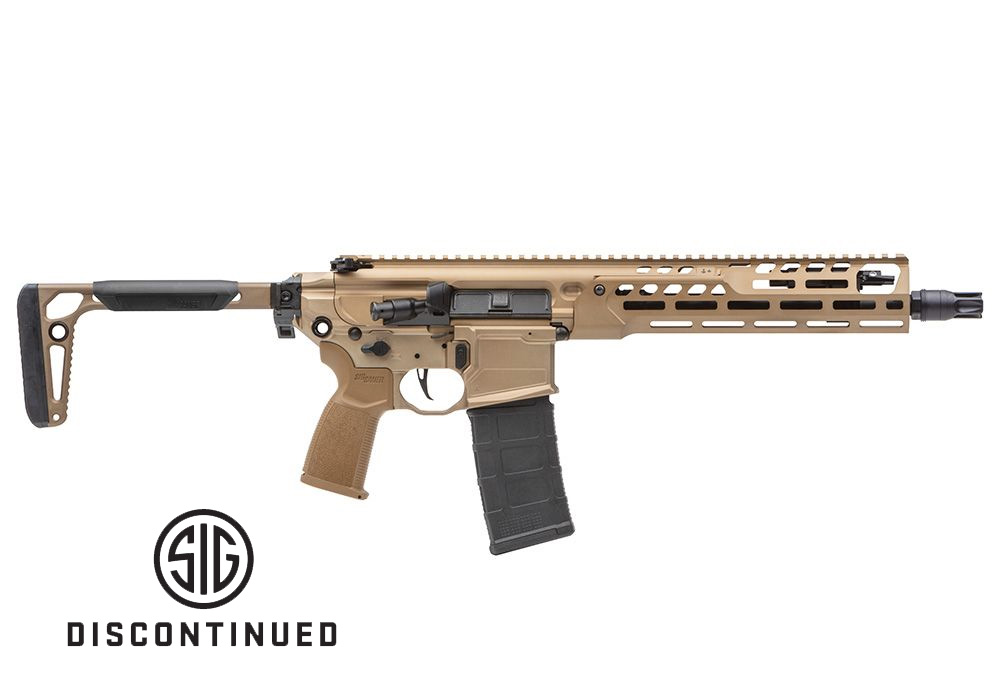
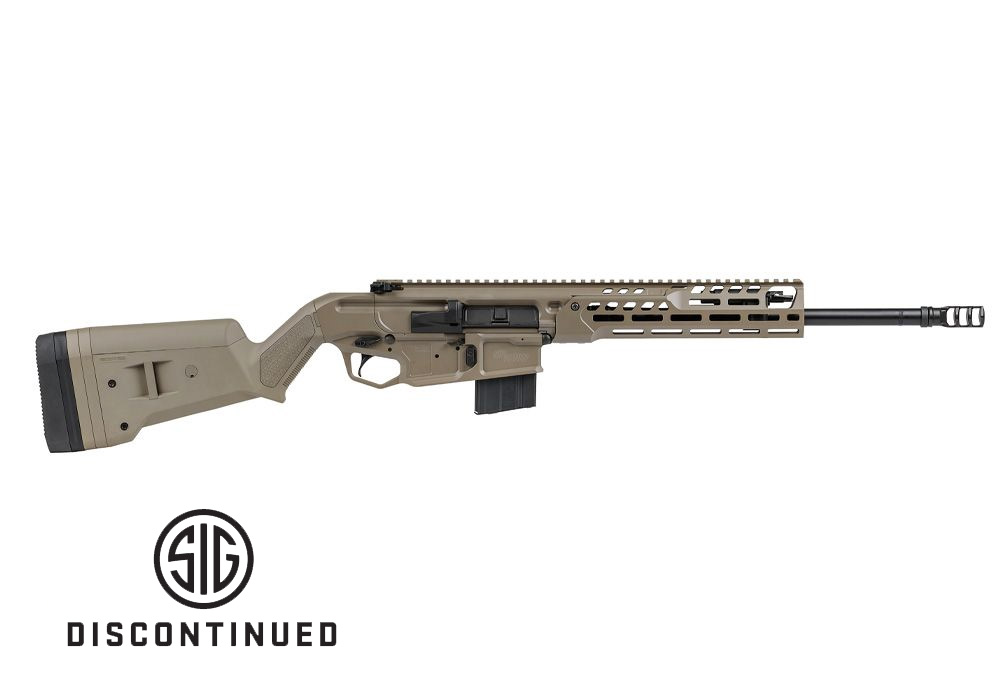
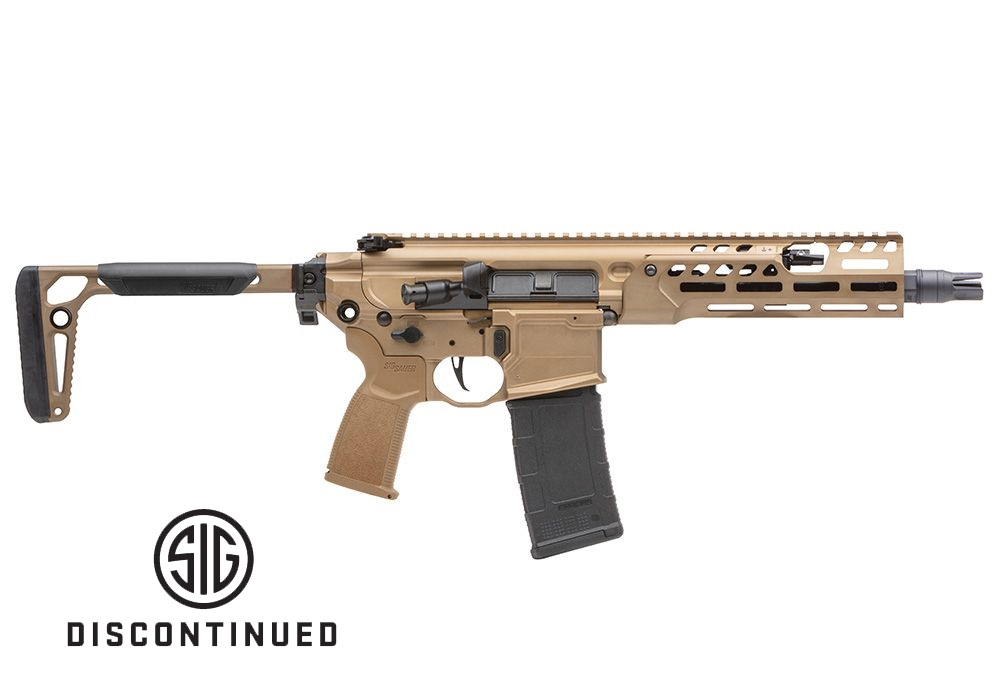
Ambidextrous rifles with advanced features are designed to give shooters more flexibility when operating the rifle from either shoulder or adapting to changing positions. Their controls may include a reversible or dual-sided magazine release, bolt catch and release, and safety selector, allowing the shooter to manipulate essential functions without shifting the rifle or reaching across the receiver. A non-reciprocating charging handle can provide a consistent point of contact on either side, while a reversible charging handle may be configured to suit individual preferences. Some modern platforms also incorporate short-throw safety selectors, often using a 45- or 50-degree movement, for a quick and positive transition between safe and fire positions. These details can be especially useful for left-handed shooters, right-handed shooters who practice from the support side, and anyone who trains around barricades, corners, vehicles or other constrained shooting positions. Explore related options in Ambidextrous Grip Rifles For Left Handed Shooters to compare platforms that place controls within comfortable reach for left-side operation. The value of an ambidextrous layout is not limited to convenience. A rifle that can be operated without taking the firing hand away from the grip may help maintain a stable position, preserve awareness of the target area and reduce unnecessary movement during drills or field use. As with any firearm, these benefits depend on familiarization, safe handling and practice with the specific configuration.
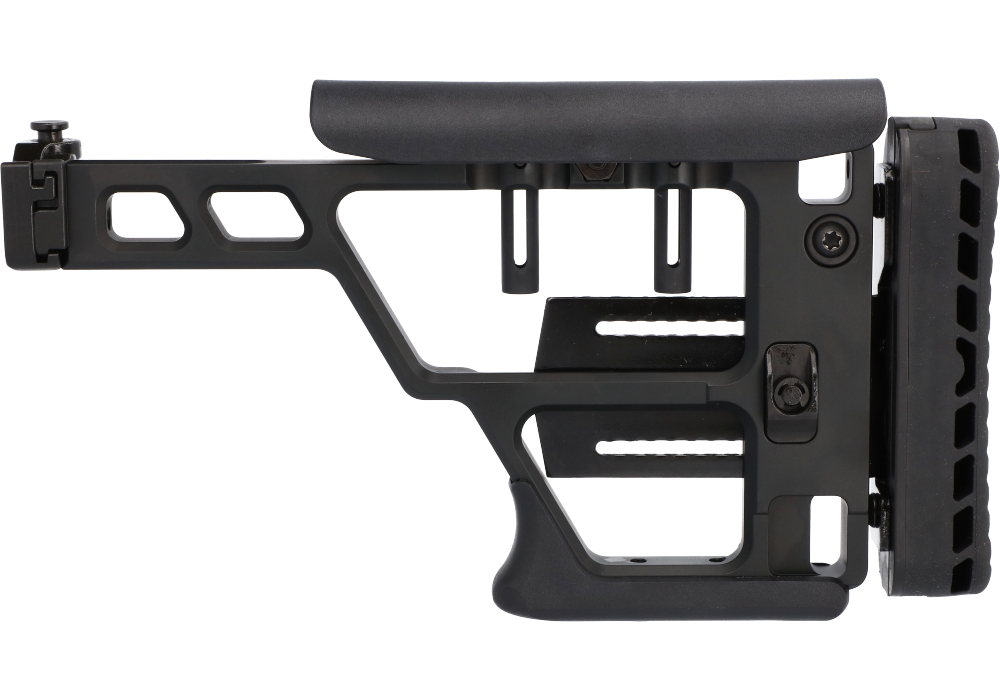
When comparing rifles in this category, begin with the intended role and the way the rifle will be carried, stored and used. A lightweight, modular rifle may suit range practice, training classes or competition, where accessory placement and fast transitions are important. A piston-driven operating system can appeal to users who prefer a different approach to gas operation, while a direct-impingement design may offer a familiar manual of arms and broad compatibility with established accessories. Adjustable gas systems allow the rifle to be tuned for different ammunition or configurations, including use with a sound suppressor where lawful, and a gas-mitigating charging handle may help direct escaping gas away from the shooter’s face. These features should be considered alongside barrel length, overall weight, handguard design, stock adjustment and optic compatibility rather than evaluated in isolation. A free-floating handguard with a continuous or extended mounting surface can provide room for an optic, backup sights, a sling attachment and other carefully selected accessories, while M-LOK-style attachment points help keep the rifle streamlined. Folding or collapsible stocks can simplify transport and storage, but buyers should confirm that the stock locks securely and provides a consistent cheek position. For those who prefer a bolt-action format, a straight-pull mechanism with an ambidextrous bolt handle and a tang-mounted safety offers a different kind of left- or right-handed adaptability. Whatever the action type, controls should be easy to identify by touch, positive in operation and positioned so the shooter can use them without compromising a safe grip. Buyers should also review chambering, magazine availability, optic mounting standards, sling compatibility and the manufacturer’s specifications before selecting a rifle.
These rifles may be a practical choice for experienced shooters refining a training setup, left-handed users who have spent years adapting to right-handed controls, or right-handed users who want a platform that supports strong-side and support-side practice. They can also be considered for hunting, recreational shooting, competition or responsible home-protection planning, provided the configuration fits the activity and complies with all applicable laws. Hunters may value a rifle that can be shouldered on either side when a natural shooting lane is blocked by a tree, blind opening or uneven terrain. Competitive shooters may appreciate controls that reduce movement during reloads and positional transitions, while range users often enjoy the ability to configure the rifle with an optic, sling and accessories suited to their own shooting style. An ambidextrous rifle can make a thoughtful gift for a qualified adult who has expressed a clear interest in shooting sports, but firearms should only be given or transferred in accordance with federal, state and local requirements; the recipient’s training, storage arrangements and ability to legally possess the firearm should be confirmed first. A safe, lockable storage solution, appropriate ammunition and professional instruction can be just as important as the rifle itself. During the warmer months and into cooler-season range days, thoughtful setup and regular practice help turn advanced controls into familiar habits. Before use, read the owner’s manual, verify the rifle is unloaded, learn each control and seek qualified instruction where appropriate. By balancing ambidextrous ergonomics with operating system, barrel profile, stock fit, accessory compatibility and intended use, shoppers can choose a modern rifle that feels natural in the shoulder and remains adaptable as their skills and priorities develop.