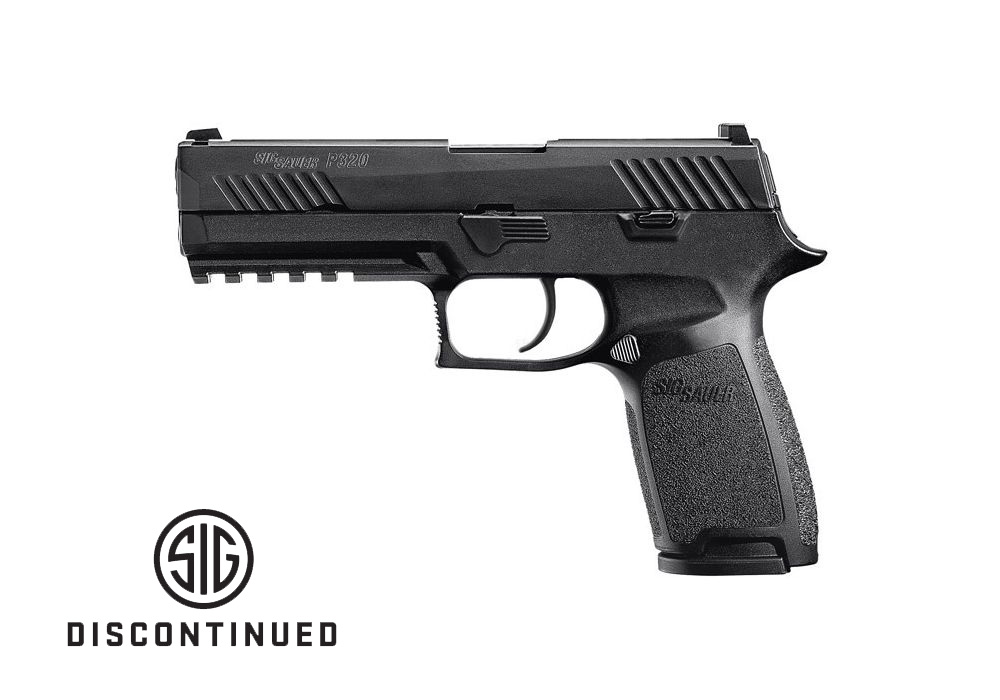
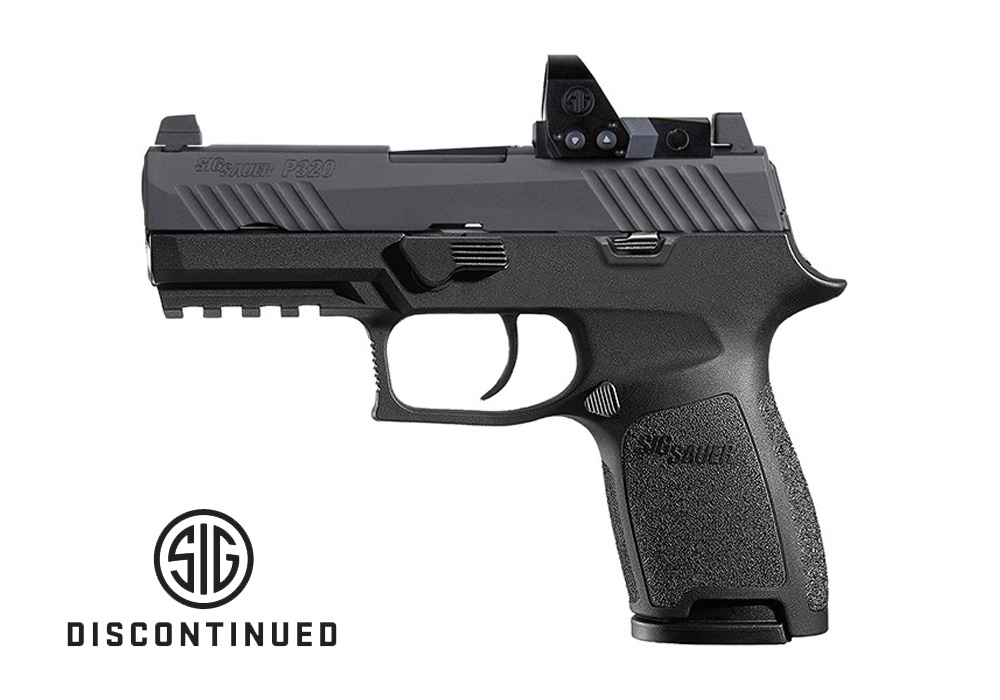
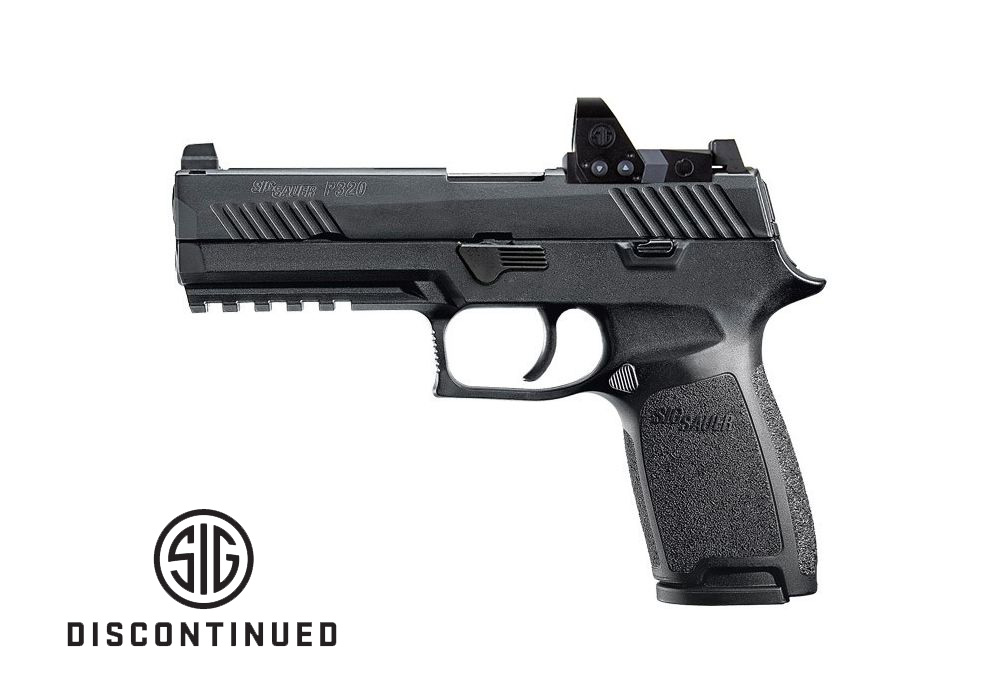
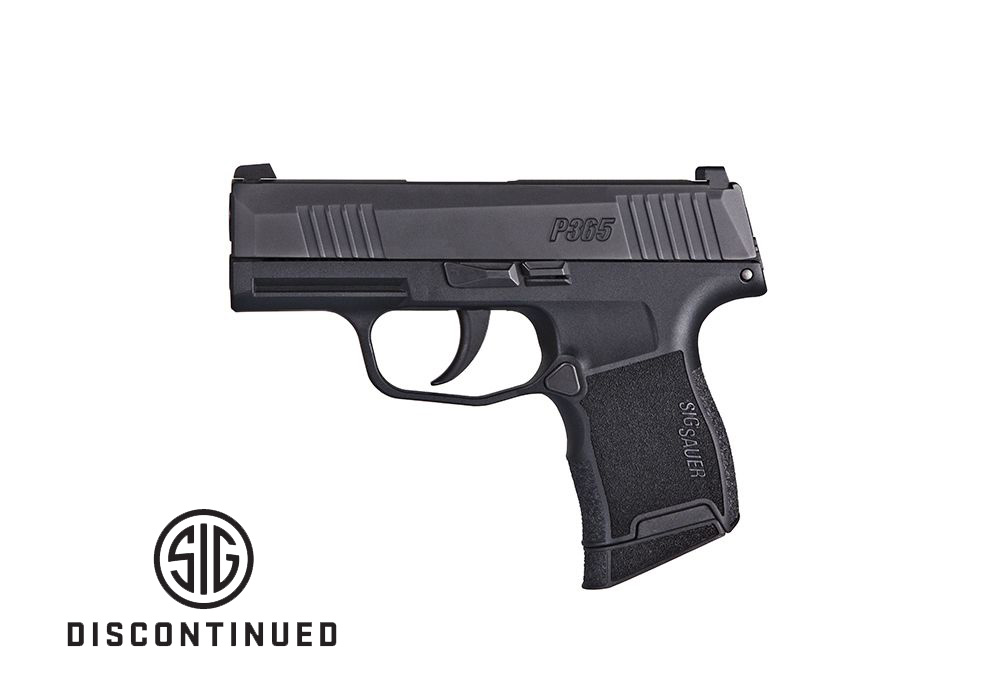
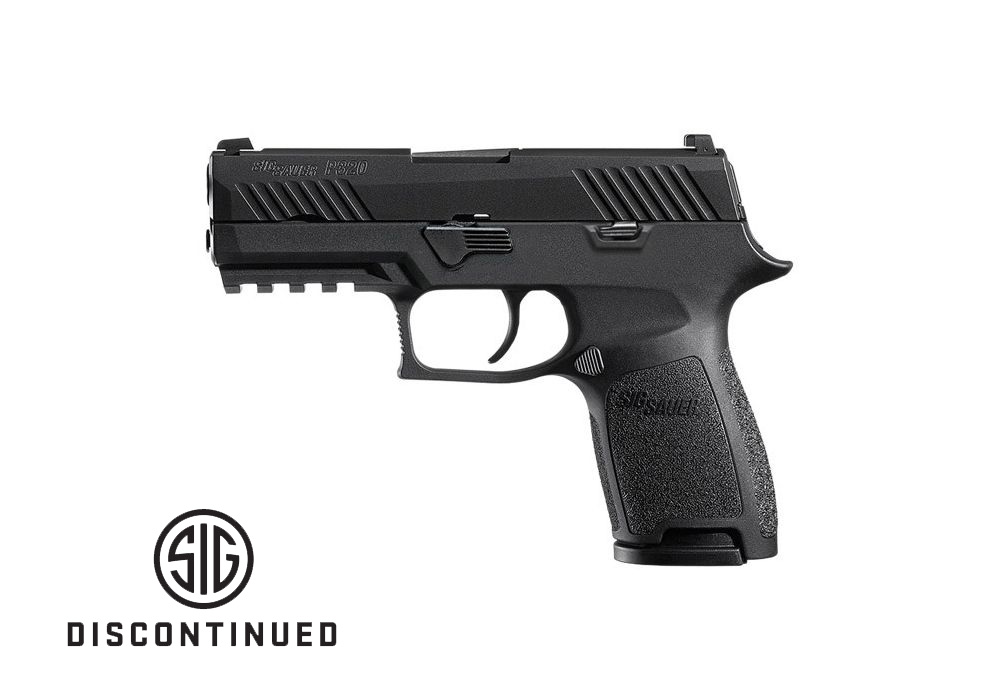
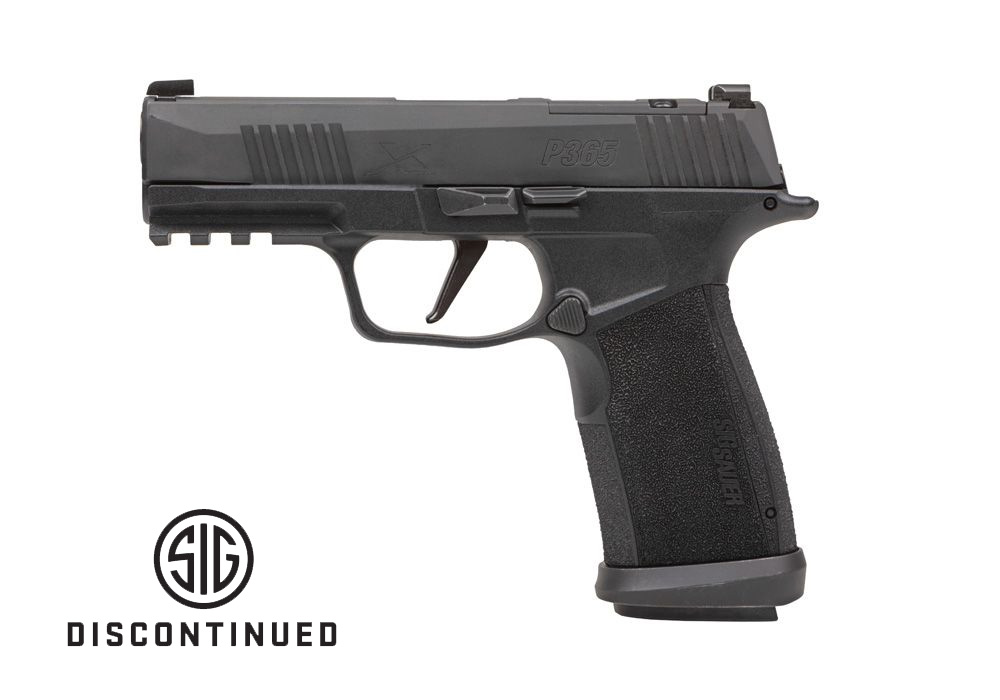
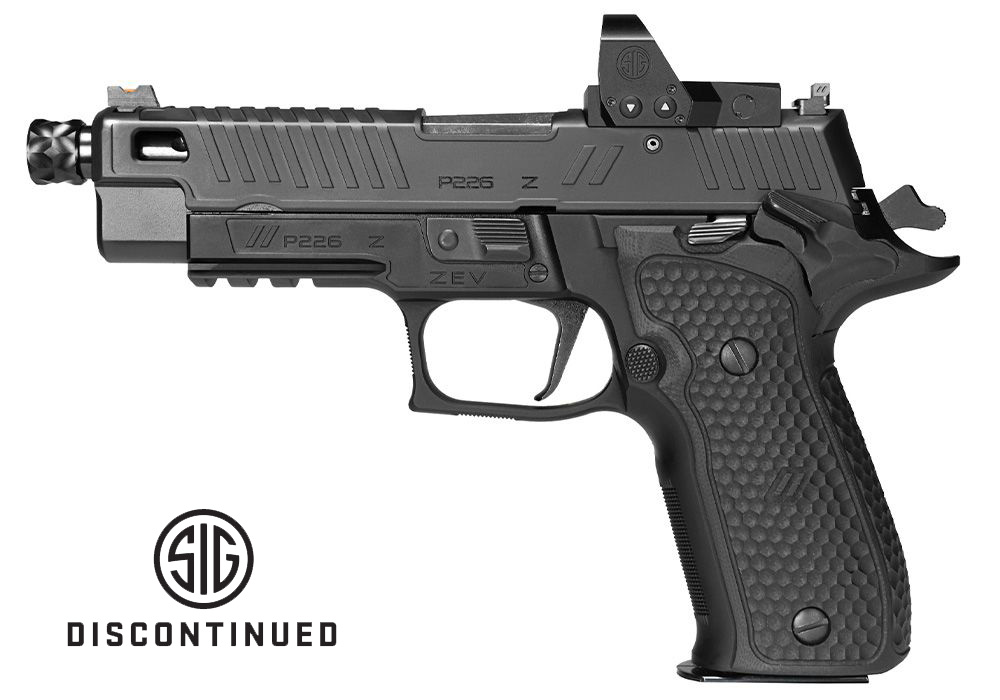
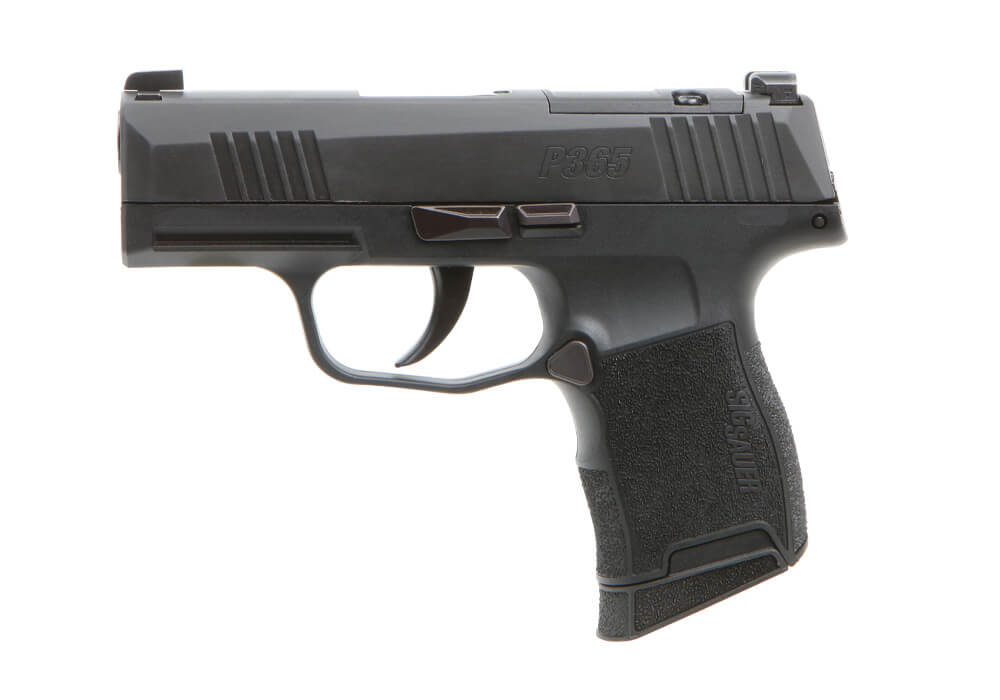
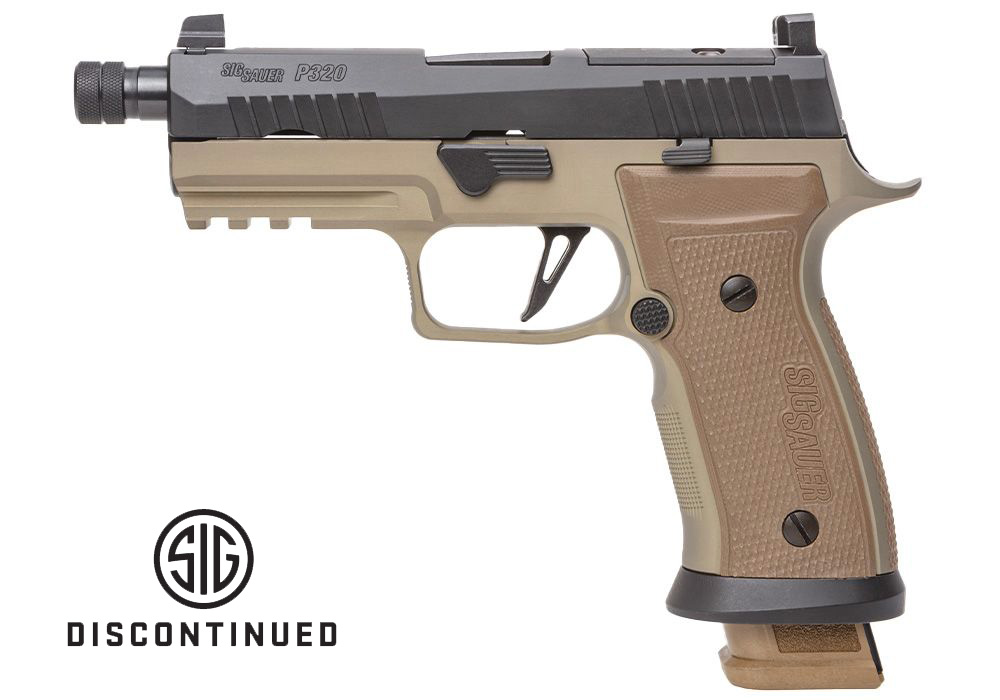
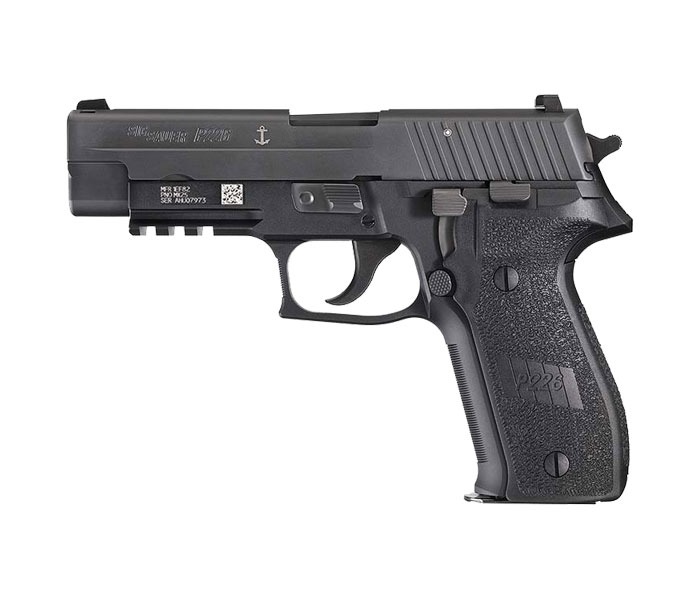
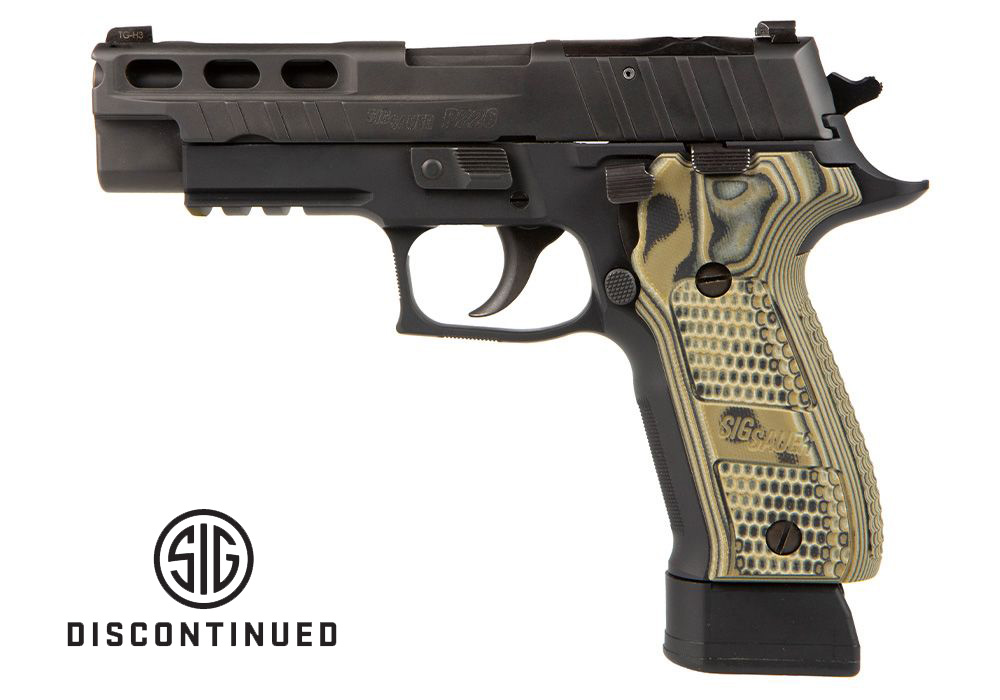
The best 9mm pistols for home defense are the ones that combine dependable function, a comfortable fit, manageable recoil, and controls the owner can operate confidently. No single frame size or action type is ideal for every household, and a pistol’s specifications tell only part of the story. For a handgun intended primarily for use at home, full-size and compact designs often offer a useful balance of grip space, weight, and handling comfort. A longer grip can give the entire hand a secure purchase, while additional weight may help soften the felt recoil experienced during supervised range practice. Smaller pistols can serve both personal protection and lawful concealed carry, but their shorter grips and lighter frames may feel less forgiving to some shooters. The familiar 9mm Luger chambering supports a broad range of handgun designs and ammunition types, allowing owners to choose equipment suited to their experience and intended use. Fit deserves particular attention: fingers should settle naturally around the grip, the trigger should be comfortably reachable, and operating controls should not require an awkward shift of the hand. Interchangeable backstraps or grip modules, where offered, can help accommodate different hand shapes without assuming that a larger hand always needs a larger pistol. Grip texture matters, too. A surface that feels secure during a brief inspection can feel abrasive after an extended practice session, while a smoother surface may provide less purchase than a shooter prefers. Slide serrations, control placement, and the effort required to operate the slide are meaningful considerations for owners with limited hand strength or mobility. A supervised fitting session with an unloaded firearm, followed by instruction and range experience, can reveal differences that are difficult to judge from dimensions alone. For a household with more than one authorized adult owner, shared comfort and familiarity are especially important. A well-suited home-defense pistol should support consistent practice rather than demand that its owner work around an uncomfortable grip or difficult controls.
Materials and construction influence how a 9mm home-defense pistol feels, wears, and responds to routine care. Polymer frames generally keep overall weight lower and resist corrosion, while aluminum-alloy and steel frames offer different balances of weight and handling feel. Steel slides and barrels are common across these frame types, with surface treatments helping protect exposed metal from moisture and handling wear. The material alone does not establish quality; thoughtful construction, properly fitted components, and dependable operation with suitable ammunition matter more than a simple preference for metal or polymer. A heavier pistol may feel steadier at the range, while a lighter design may be more comfortable for an owner who also intends to carry it lawfully. Neither advantage replaces the need to handle the firearm and assess its fit. Sight configuration is another important distinction. Clearly visible front and rear sights can support a consistent sight picture during practice, and some pistols include features intended to improve visibility in reduced light. Optics-ready slides may accept a compatible electronic sight, although mounting patterns, adapter requirements, and manufacturer specifications differ. An accessory rail can support compatible equipment, but added accessories change the firearm’s dimensions and can affect storage or holster fit. Compatibility should be confirmed rather than assumed. Striker-fired and hammer-fired designs also differ in trigger feel, control layout, and operating procedures; familiarity with the chosen system is more valuable than treating either category as universally superior. External safety controls, when present, require training and do not replace secure storage or safe handling. Durability also depends on maintenance. Residue from range use, lint from a storage case, and perspiration from handling can all create a need for inspection and cleaning according to the owner’s manual. The correct cleaning products and specified lubrication help preserve finishes and support reliable operation without unnecessary wear. Routine checks by a qualified professional are appropriate when parts show damage, controls behave differently, or the firearm’s function changes. For an owner who practices regularly, straightforward maintenance and a clear manufacturer service schedule can be practical advantages throughout the pistol’s service life.
A home-defense handgun belongs within a broader approach to responsible household security, alongside sound locks, lighting, communication, and an emergency plan. Intended use should shape the purchase: a pistol kept in secure home storage has different size priorities from one that must also fit a lawful concealed-carry setup. Shoppers balancing both roles may also consider 9mm Luger Pistols For Personal Defense when evaluating comfort, handling, and everyday practicality. For either role, dependable operation must be established through appropriate instruction and supervised practice, not inferred from appearance or a feature list. Suitable 9mm ammunition should match the firearm manufacturer’s specifications, and ammunition intended for defensive use should be lawful and compatible with the individual pistol. Bullet design, recoil feel, and feeding characteristics can differ between loads, so manufacturer guidance and professional instruction are useful resources. No ammunition eliminates the risks associated with a missed shot or a projectile passing through household materials. Safe ownership therefore includes understanding the firearm’s limitations and the owner’s legal responsibilities. Secure storage is equally central. A properly selected locked container should prevent access by children, visitors, and other unauthorized people while fitting the pistol’s dimensions and any attached accessories. Storage needs can change when a household welcomes a child, hosts overnight guests, or includes someone who should not have access to firearms. Ammunition storage, authorized access, and regular checks of locking equipment deserve consideration as part of that arrangement. New handgun owners, experienced range shooters, and adults returning to firearm ownership can all benefit from instruction that covers safe handling, applicable law, and the operation of their chosen handgun. Consistent range practice can also reveal whether a grip remains comfortable, sights remain easy to see, and controls remain manageable over time. The strongest choice among 9mm pistols for home defense is ultimately a durable, well-fitting firearm that its lawful owner understands, maintains, stores securely, and can use responsibly. Features have value when they serve those practical needs, rather than adding complexity without a clear purpose.