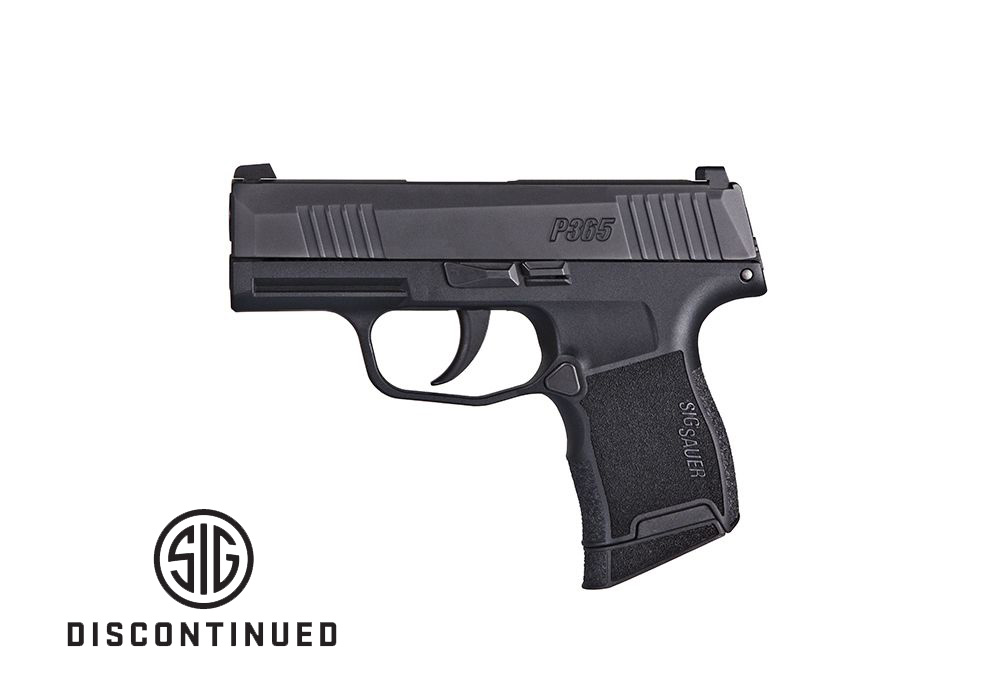
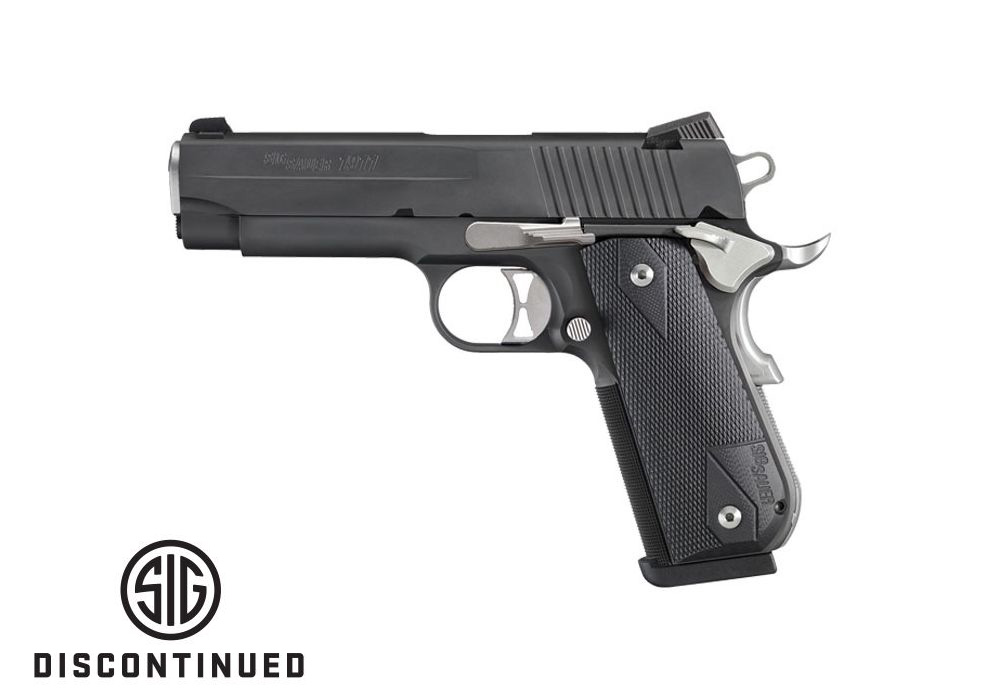
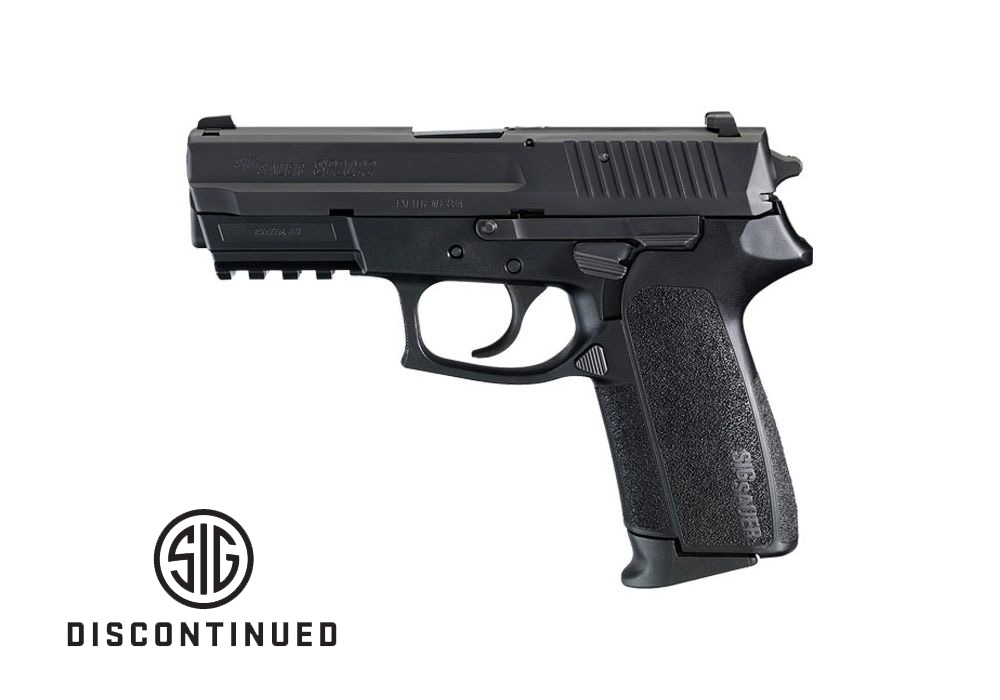
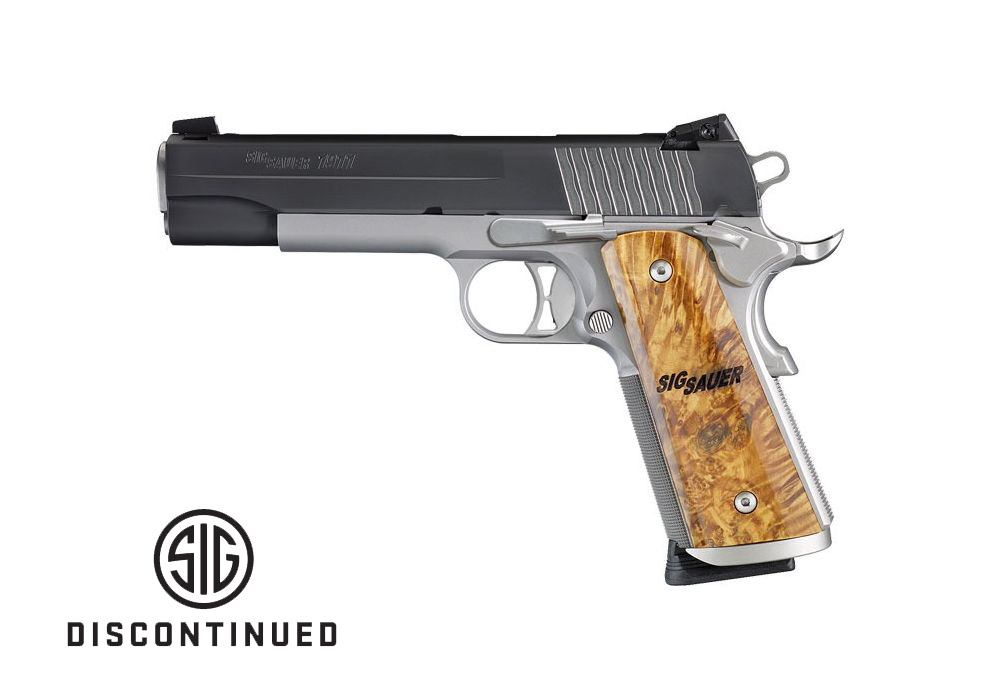
Choosing among the best pistols for personal protection starts with matching the firearm to the way it will actually be used. A pistol intended for home defense may be larger and easier to control, while one carried concealed may need a slimmer profile, shorter grip, and lighter overall weight. Compact and full-size pistols generally offer a longer sight radius, a more comfortable grip, and greater shootability than the smallest subcompact designs, which can make them easier for many new and experienced owners to handle accurately. At the same time, a smaller pistol may be more practical for discreet carry when clothing, body type, or daily activities limit available space. The most important choice is not simply the model with the smallest dimensions or the greatest ammunition capacity; it is the pistol that fits the user’s hand, can be operated confidently, and can be carried or stored responsibly. For many owners, 9mm Luger remains a practical, versatile choice because it offers manageable recoil, broad ammunition availability, and a balance of projectile performance and magazine capacity suited to personal protection. Explore options in our 9mm Luger Pistols For Personal Defense collection to compare configurations designed around different carry and protection needs. Pay close attention to grip texture, interchangeable backstraps, controls, trigger reach, and the ease of locking the slide or releasing the magazine. A pistol should feel secure without requiring a strained grip, and the controls should be accessible without forcing the shooter to shift hand position. For someone with smaller hands or limited strength, a manageable slide and moderate recoil may matter more than a few ounces of weight saved. For someone focused on home protection, a full-size or compact frame may provide a steadier platform and more comfortable practice sessions.
Sight configuration is another important consideration when comparing personal protection pistols. Traditional iron sights are familiar, durable, and effective when properly aligned, while models with an optics-ready slide allow the owner to add a compatible miniature red-dot sight later. A red-dot optic can offer a clear aiming reference, but it also requires selection, installation, zeroing, maintenance, and regular practice. The right choice depends on the user’s training, eyesight, intended distance, and willingness to maintain the system. Magazine design deserves equal attention. Standard-capacity magazines can help preserve a slimmer grip and more comfortable carry profile, while extended-capacity magazines may provide additional ammunition for users who prioritize that configuration and can legally possess it. Magazine changes should be practiced safely, and every owner should understand local laws governing magazine capacity, concealed carry, transport, storage, and defensive use. Other useful features may include an accessory rail for a compatible light, a clear loaded-chamber indicator, corrosion-resistant finishes, ambidextrous or reversible controls, and a frame shape that remains comfortable during extended practice. Budget planning should include more than the pistol itself. A secure holster appropriate to the firearm, protective eye and ear equipment, training ammunition, defensive ammunition selected after function testing, spare magazines, and a locking container are all part of responsible ownership. A pistol that feels excellent in a store may feel different after a full practice session, so handling several sizes and grip configurations before purchase can reveal details that specifications alone cannot. During the cooler months, heavier clothing may make concealed carry easier for some users, while changing layers and outdoor routines can create new concerns about access, retention, and safe storage. Any carry method should fully protect the trigger guard, keep the firearm under the owner’s control, and comply with applicable law.
Personal protection pistols may be selected by first-time firearm owners, experienced shooters, home defenders, licensed concealed carriers, or families establishing a carefully planned emergency arrangement. They may also be considered as a lawful gift for a spouse, adult family member, or close friend, but a firearm should never be given casually or without confirming the recipient’s eligibility, interest, and ability to complete any required transfer process. In many cases, training is the most valuable part of the purchase. A qualified instructor can help a new owner build safe handling habits, understand the four basic safety rules, practice loading and unloading, and develop a consistent grip, stance, sight picture, and trigger press. Regular practice with the exact pistol, holster, and magazine configuration used in daily life helps make operation more familiar without encouraging careless handling. Home-defense owners should also think beyond the firearm itself: secure storage prevents unauthorized access, a household safety plan reduces confusion, and family members should know how to move away from danger and contact emergency services. Concealed carriers should practice safe presentation only under professional supervision and should understand that carrying a pistol brings legal and personal responsibilities in every setting. Firearms should be unloaded before cleaning, inspected according to the manufacturer’s instructions, and stored locked when not under the owner’s direct control. Ammunition should be kept secure and separate when appropriate, especially in homes with children or visitors. The most suitable pistol is ultimately one that the owner can control, maintain, carry or store lawfully, and practice with consistently. Comparing size, caliber, standard or extended magazine options, optics compatibility, controls, ergonomics, and total ownership cost provides a practical foundation for narrowing the selection. With responsible training, secure storage, and a realistic understanding of personal needs, a well-chosen pistol can become one part of a thoughtful personal protection plan rather than a substitute for preparation.