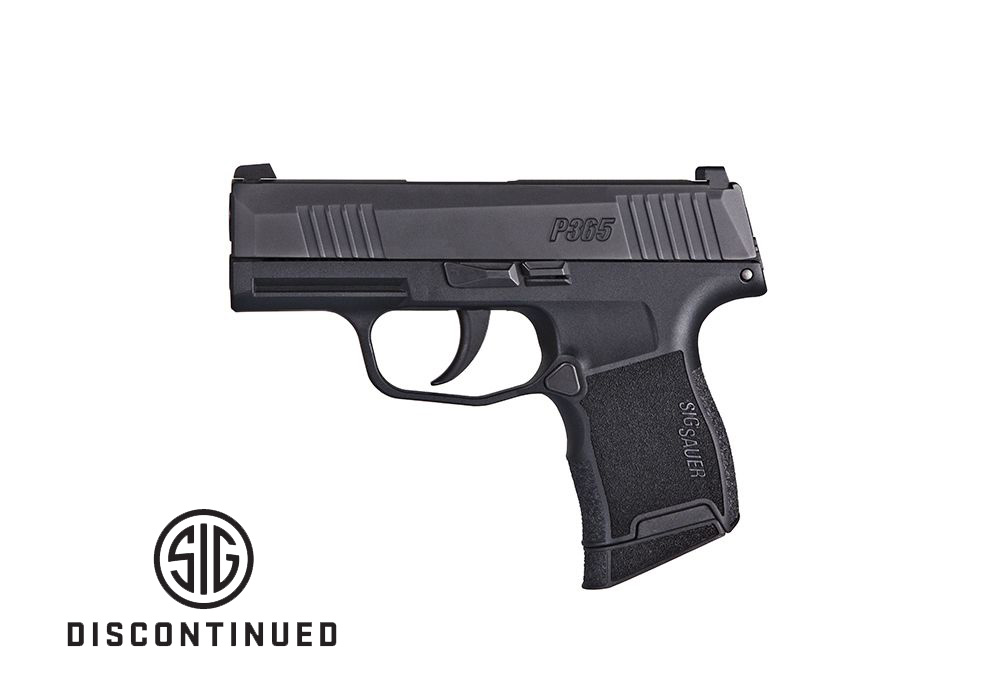
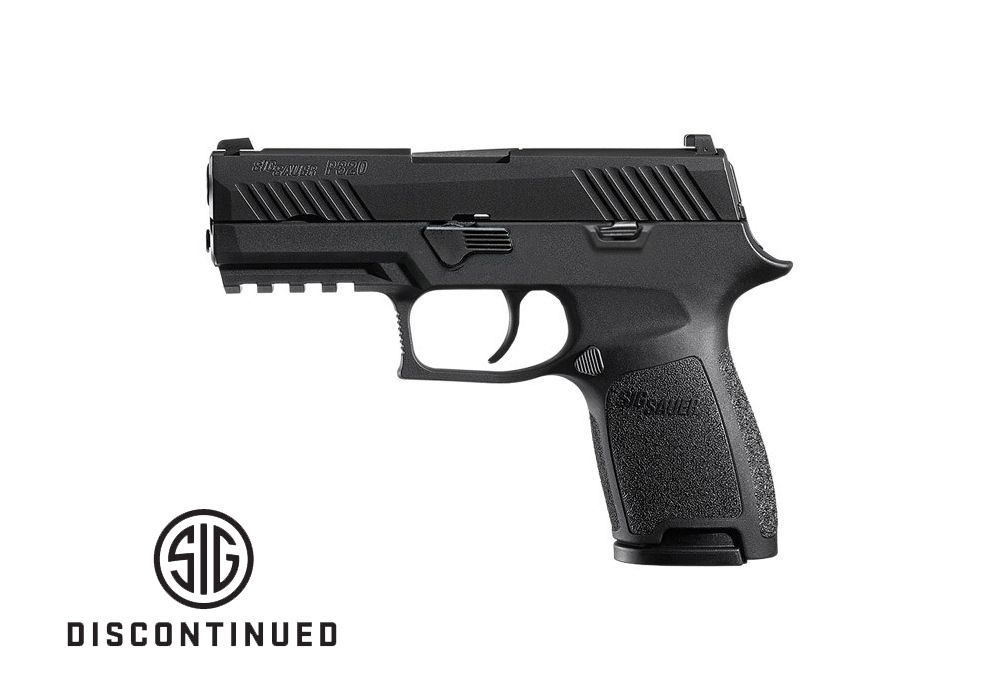
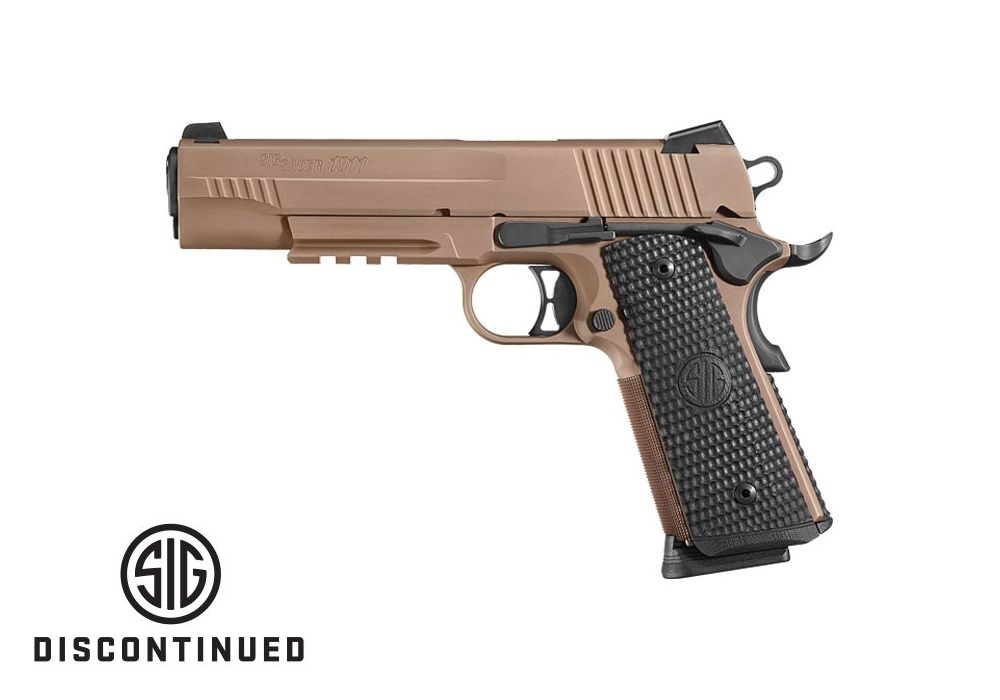
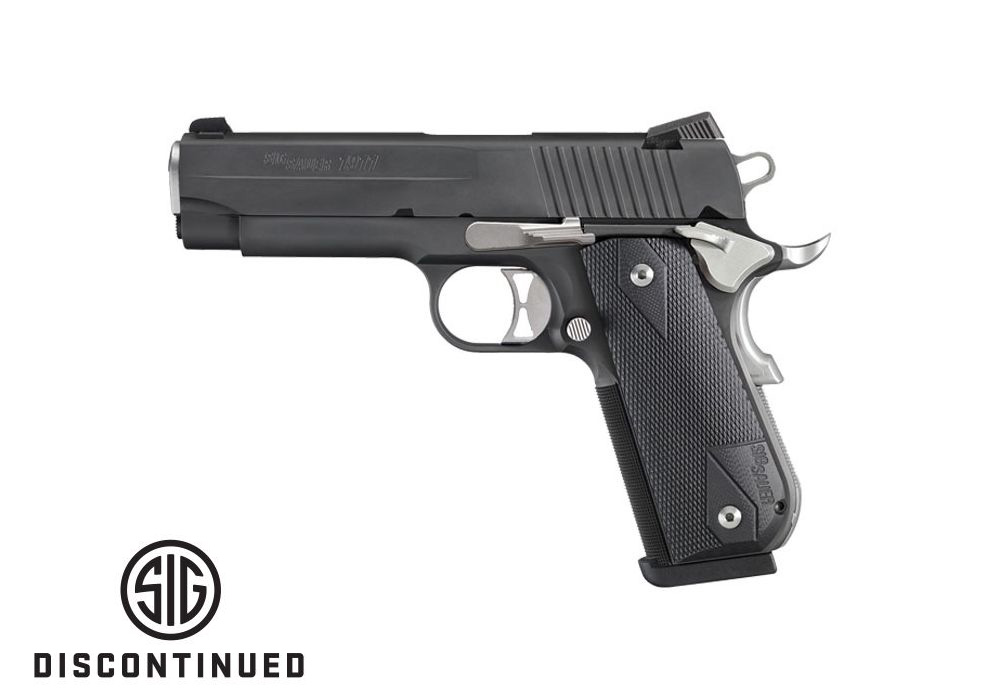
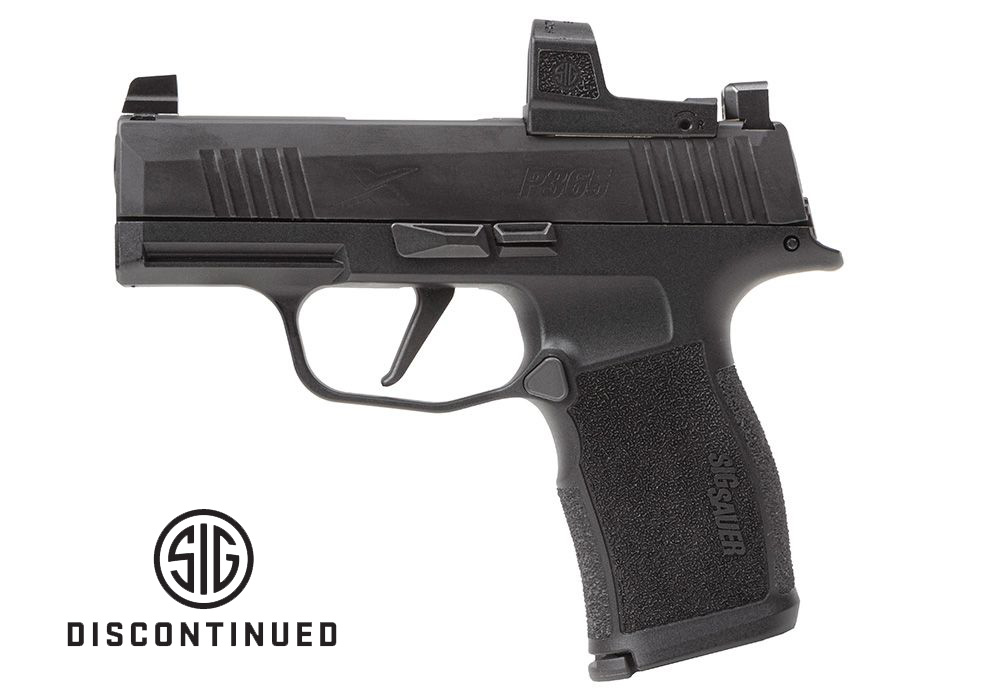
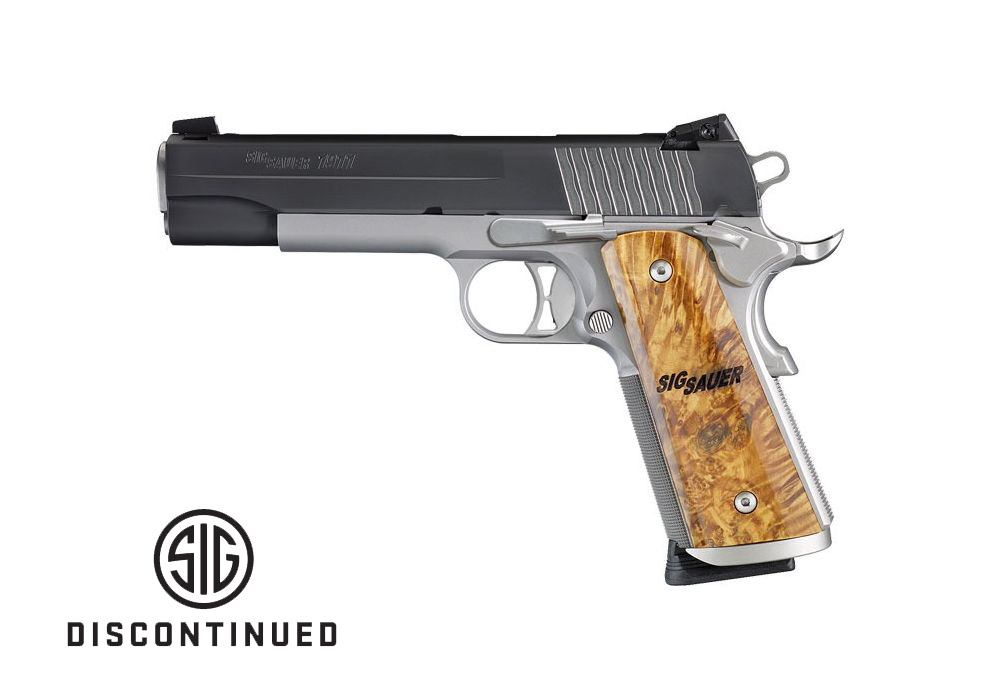
Choosing a firearm for personal protection begins with understanding how, where, and by whom it may be used. A handgun is often considered for concealed carry or secure storage in a residence because its compact profile can suit a range of environments and routines. Semi-automatic pistols are available in popular defensive calibers such as 9mm, while revolvers offer straightforward controls and a familiar manual of operation. A pump-action shotgun may appeal to someone focused on home protection, with 12-gauge and 20-gauge options offering different balances of power, recoil, and overall handling. A compact rifle or carbine can also serve a role in a home-protection plan, particularly for shoppers who value a stable platform and precise aiming. There is no universal choice for every household, and a firearm that feels comfortable in one person’s hands may feel awkward or difficult for another. Consider hand size, grip shape, overall weight, sight picture, trigger feel, and the ease of reaching controls without shifting your grip. New or less experienced owners may appreciate a platform with simple, consistent operation, while experienced users may have established preferences based on prior training. Whether the intended role involves secured home storage, lawful concealed carry, or both, the best selection is one the owner can handle confidently and responsibly. Explore the Handgun Protection collection when a handgun is the focus, then compare size, caliber, controls, and compatible accessories before making a final selection.
The intended setting should guide the rest of the decision. For concealed carry, a smaller handgun may be easier to secure in a purpose-built holster and conceal beneath everyday clothing, but a reduced frame can also create more felt recoil and less room for a full grip. For home protection, size may be less restrictive, allowing shoppers to consider a full-size handgun, a shotgun, or a rifle with features that support steady handling and clear sight alignment. Ammunition selection also deserves attention: 9mm is widely chosen for handguns because it can provide a practical balance of recoil, performance, and broad availability, while .380 Auto, .45 Auto, .38 Special, 12 gauge, and 20 gauge may suit different platforms and user preferences. Semi-automatic handguns generally offer a consistent loading cycle and a broad selection of compatible magazines, while revolvers use a different operating system with fewer controls to manage during a stressful moment. Pump-action shotguns are valued by many owners for their familiar manual cycle, and rifles can offer a stable shoulder-fired format with manageable recoil when properly fitted. Before purchasing, review local laws governing ownership, transport, storage, carry, waiting periods, transfers, and ammunition. A budget should include more than the firearm itself; plan for a secure lockbox or safe, a quality holster when appropriate, eye and ear protection, training, practice ammunition, and routine maintenance supplies. For a gift, a firearm should be given only to a responsible adult who has expressed a clear interest, can legally receive it, and will complete every required transfer step. A safer gift approach may be a training session, secure storage solution, range consultation, or retailer gift card that lets the recipient choose a platform suited to their needs.
Fit and familiarity matter as much as specifications. Whenever possible, visit a properly equipped range or retailer where you can compare several options under professional guidance. Pay attention to whether the grip feels natural, whether the sights are easy to align, and whether you can operate the safety, slide, cylinder, or action without strain. A firearm that is difficult to hold firmly or control consistently is a poor match, regardless of its reputation or feature list. Begin with instruction from a qualified firearms educator, learn the four fundamental safety rules, and practice safe loading, unloading, storage, and handling procedures until they become routine. Keep every firearm secured from children, visitors, and unauthorized users; use a locked safe or lockbox, store ammunition responsibly, and follow the owner’s manual for inspection and care. During the cooler months, changes in clothing layers can affect holster placement, concealment, and access, so concealed carriers should confirm that their equipment remains secure and comfortable without interfering with normal movement. Homeowners should also consider lighting, family communication, emergency contacts, and a plan that emphasizes avoidance and getting help whenever possible. Regular practice should focus on safe handling, accuracy, and decision-making rather than speed. Personal protection is a continuing responsibility, not a single purchase, and thoughtful preparation helps ensure that the selected firearm, accessories, storage method, and training routine work together in a responsible plan.