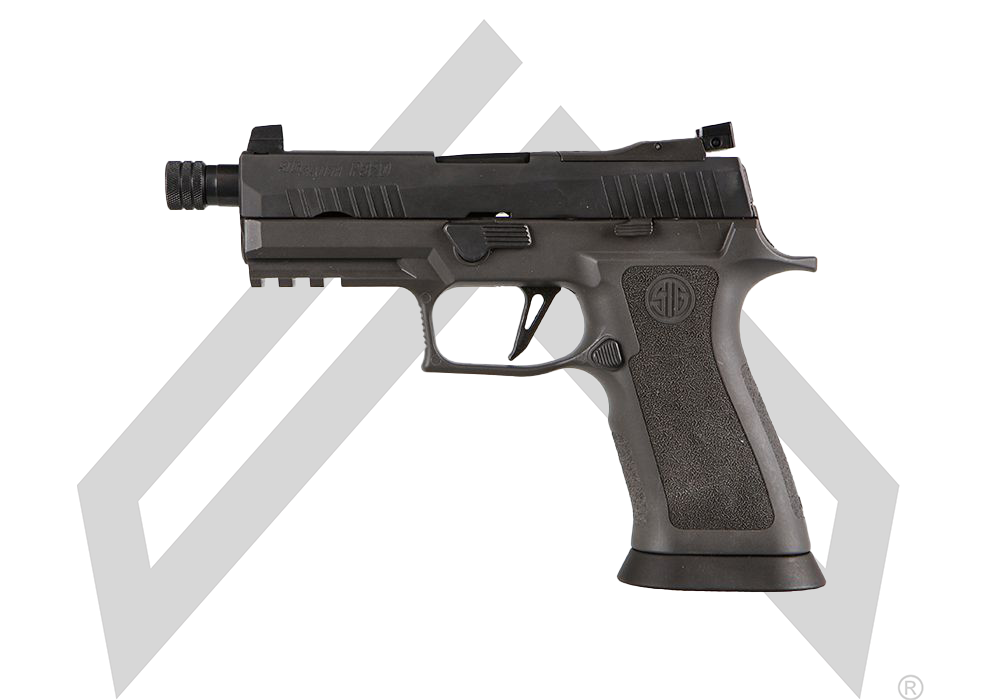
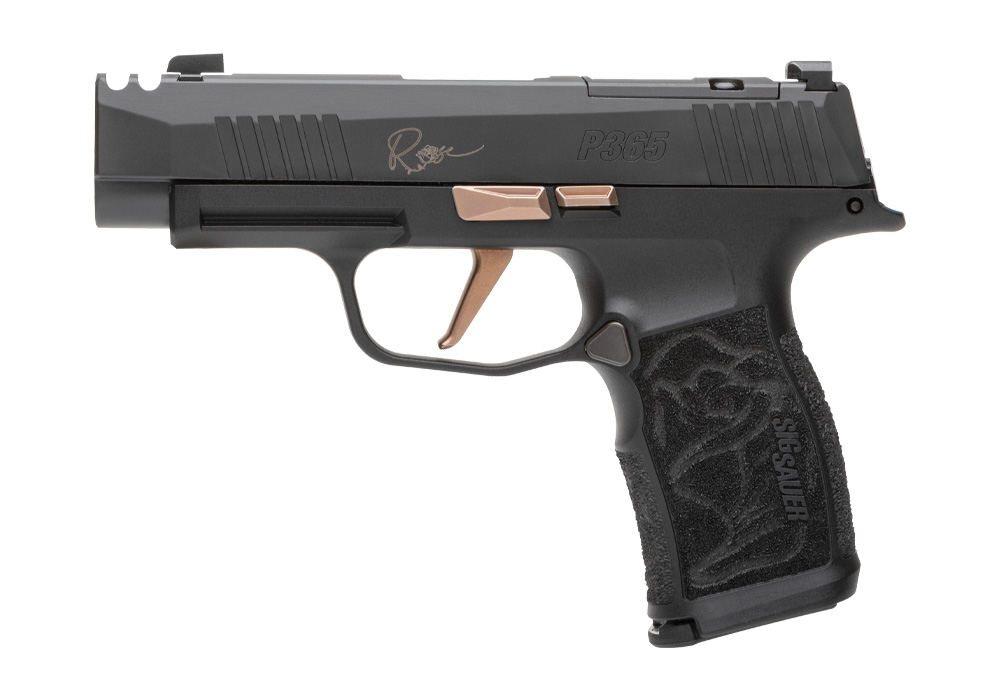
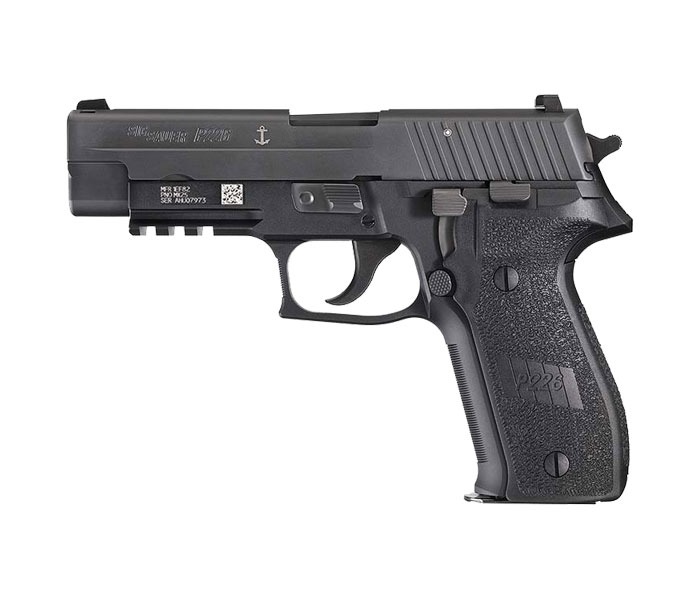
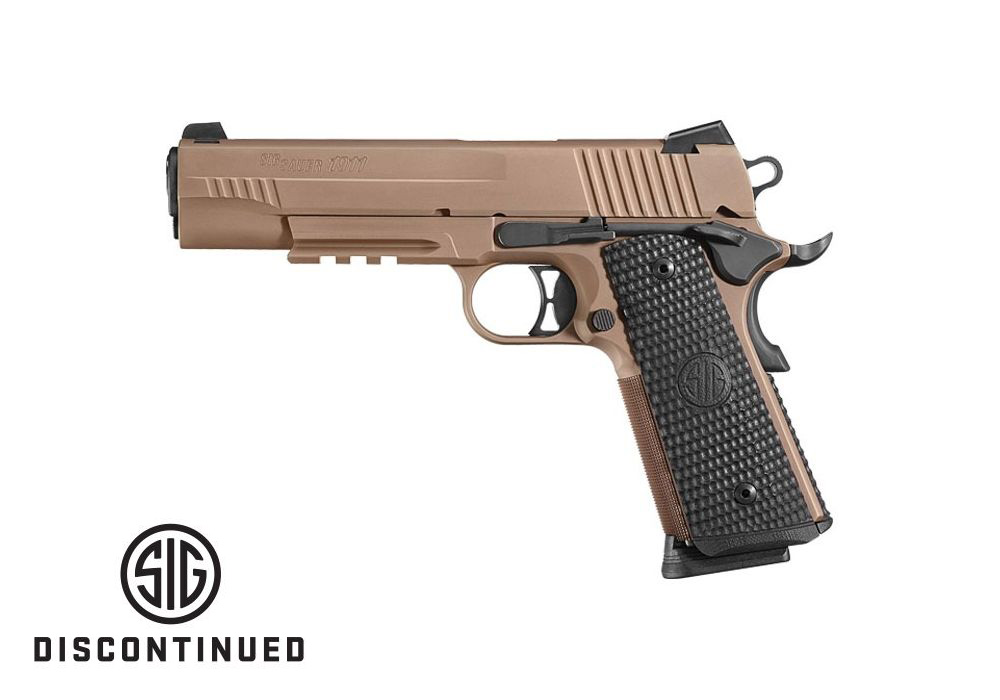
Firearms for self-defense classes should fit the person attending, meet the course requirements, and suit the intended use beyond the classroom. A firearm that feels comfortable during a brief handling session may feel different over several hours of supervised practice, so grip dimensions, overall weight, control placement, and sight visibility deserve attention. Hand size alone does not determine fit: finger reach, grip strength, mobility, and previous experience can all affect how comfortably someone handles a firearm. A grip should allow a secure, repeatable hold without forcing an awkward wrist position, while the controls should be accessible within the limits of safe handling. These considerations matter for first-time students building familiarity as well as experienced owners returning for structured instruction. Smaller dimensions can be useful for lawful concealed carry, but a smaller firearm is not automatically easier to handle or more comfortable to practice with. A larger firearm may offer a more substantial gripping surface, though its weight and dimensions still need to suit the individual. The right balance depends on the student, the class format, and whether the firearm will primarily support range practice, lawful carry, or responsible home-defense preparation. Course descriptions often identify accepted firearm types, required equipment, and prerequisite experience; those details help narrow a collection to options appropriate for the actual session. An introductory class may emphasize safety, handling fundamentals, and range procedures, while a more advanced course may expect established familiarity with the participant’s firearm. Neither description should be treated as a substitute for checking the instructor’s stated requirements. For someone preparing for a first class, a conversation with the training provider can clarify whether personal equipment is necessary and whether a supervised familiarization session would be helpful. Selecting around a realistic training plan gives the firearm a clear purpose and keeps attention on comfort, responsible ownership, and continued learning rather than appearance alone. It also helps distinguish an appealing specification from a feature that genuinely supports the student’s needs throughout a full day of instruction.
Materials and construction influence how a firearm feels, how it wears, and what routine care it requires. Metal and polymer components are common, with different designs distributing weight differently through the frame, grip, and slide or action. Total weight is only part of the experience; balance can determine whether a firearm feels steady or tiring during repeated periods of supervised handling. Grip texture presents another practical tradeoff. A pronounced texture may feel secure to one person and uncomfortable to another, especially during an extended class. Interchangeable grip components, where included in a design, can provide flexibility, but their presence does not guarantee a suitable fit. Sight configuration matters, too. A clear sight picture, visibility through the student’s corrective lenses, and compatibility with the course’s equipment rules can be more useful considerations than choosing a setup solely because it looks familiar. Students who already own accessories should confirm compatibility rather than assuming that similar-looking equipment will work together. Durability also involves more than exterior finish. Regular training brings repeated handling, routine cleaning, and contact with range equipment, making sound construction and manufacturer-supported care important parts of long-term ownership. Protective finishes can help resist everyday wear, but no finish eliminates the need for inspection and maintenance. Cleaning methods, lubrication, and maintenance intervals should follow the firearm manufacturer’s instructions, with questions about wear or function directed to a qualified professional. Ammunition must likewise match the firearm’s specifications and the training facility’s rules. A dependable training setup is a complete, compatible arrangement, not simply a firearm chosen in isolation. Suitable eye and hearing protection, a secure transport case, and any course-required equipment help support an organized class experience. Before attending, confirming those requirements can prevent a mismatch between the selected firearm and the session. Thoughtful preparation leaves more attention for listening to the instructor, observing range procedures, and becoming familiar with the equipment under supervision. It also makes it easier to recognize whether discomfort comes from fit, unfamiliarity, or an issue that needs professional attention.
The intended setting helps give these choices context without replacing formal instruction. Someone taking a class before pursuing lawful concealed carry may place particular importance on dimensions, secure carrying equipment, and the practical responsibilities of keeping a firearm inaccessible to unauthorized people. Someone focused on home-defense education may be less concerned with concealment and more concerned with manageable handling, secure storage, and compatibility with the course. The Firearms for Advanced Home Defense collection provides a related selection for shoppers considering that intended role. Across either setting, a firearm should be evaluated alongside the owner’s experience, household circumstances, and commitment to ongoing practice. A household with children, visiting family, or shared living space has storage considerations that deserve attention before a firearm comes home. Secure storage should prevent unauthorized access, and transport arrangements must comply with applicable laws and facility policies. Classes can provide a structured environment for discussing these responsibilities, although course content varies and legal questions may require guidance from an appropriately qualified source. Returning students may attend to refresh fundamentals, become familiar with different equipment, or address physical changes that affect comfort and control. New owners may value an introductory setting where questions about safe handling and range etiquette are expected. Couples or adult family members attending together may discover that the same firearm does not suit every participant equally; individual fit remains important even when the training goal is shared. No purchase or single class guarantees readiness for a stressful situation, and confidence should remain grounded in demonstrated skills, sound judgment, and continued education. A firearm suited to regular supervised practice can support that longer-term approach when paired with responsible care and secure storage. The most useful selection is therefore not defined by one measurement or feature. It is the combination of suitable fit, appropriate construction, course compatibility, and a clearly understood purpose that makes a firearm a practical choice for self-defense classes and the responsibilities that follow.