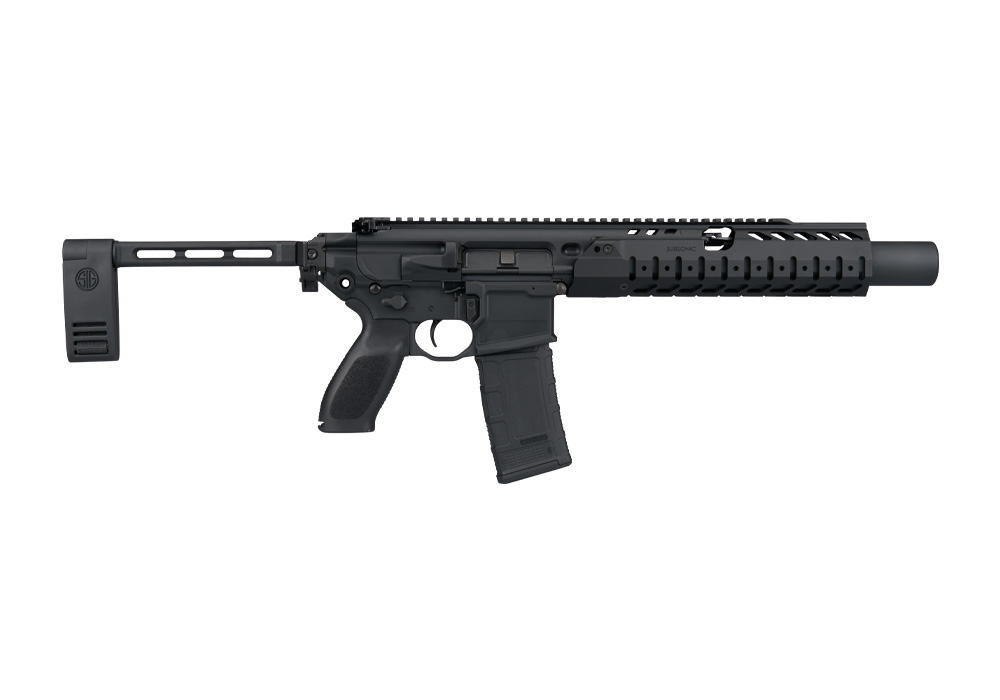
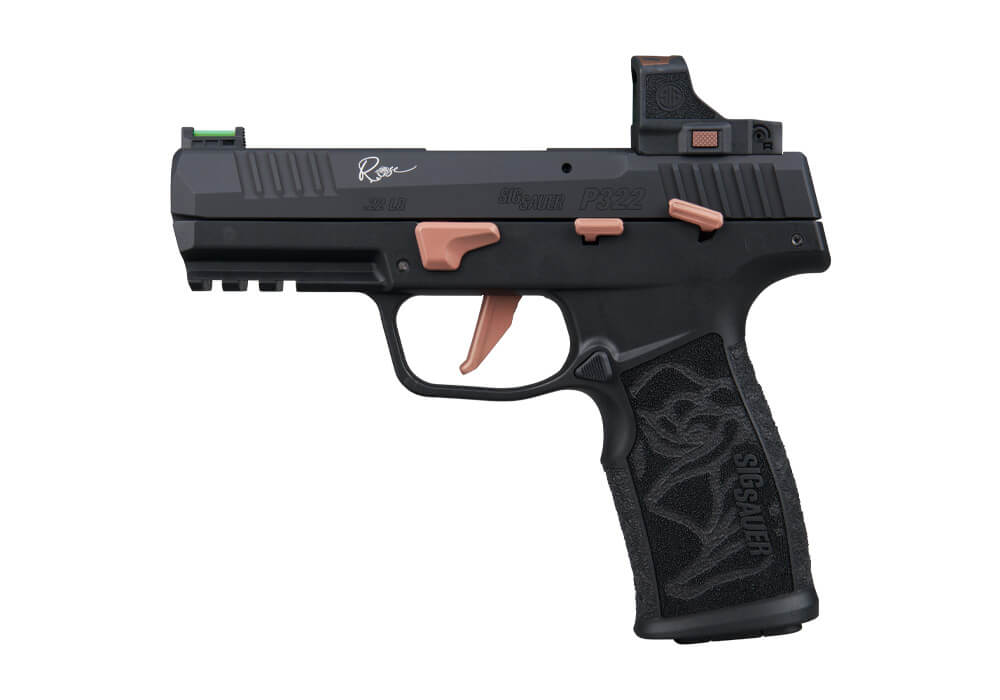
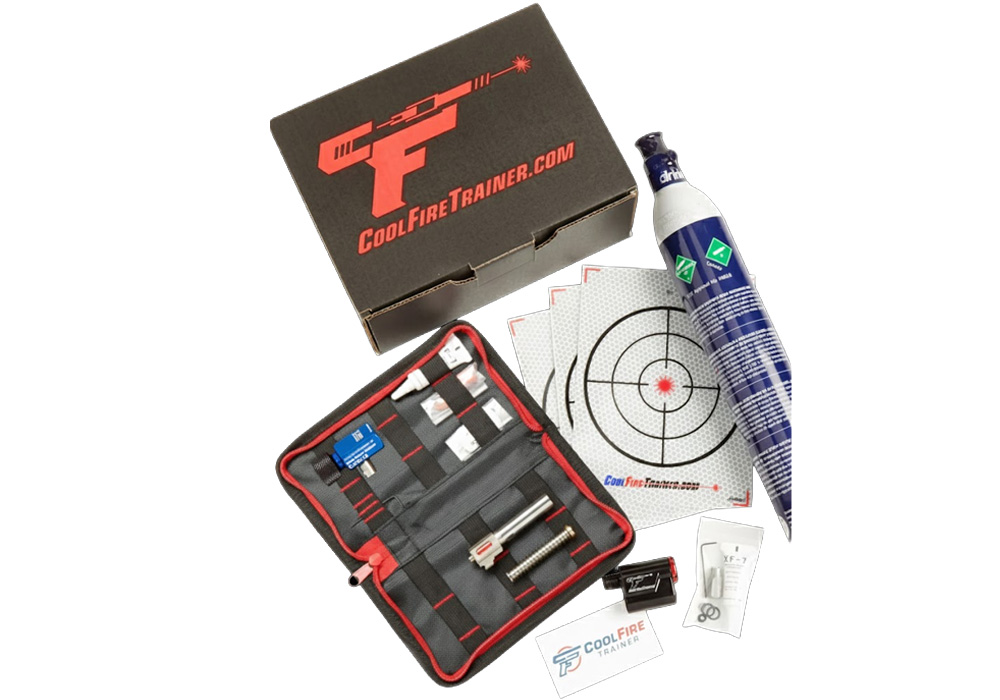
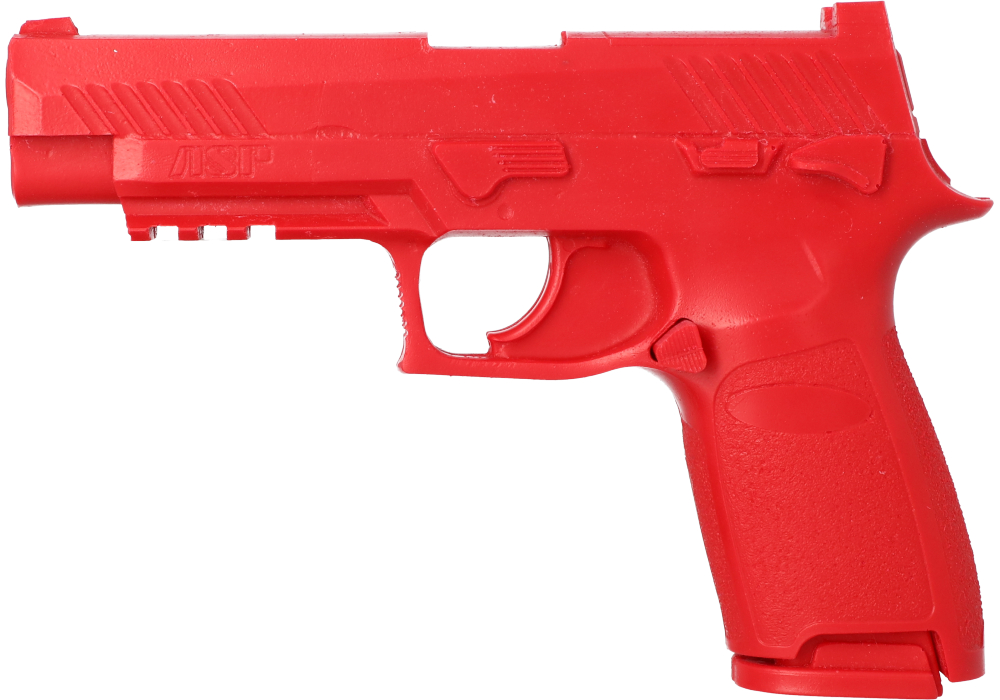
Firearms for training purposes support skill development in controlled settings, from a beginner’s first supervised range session to regular practice by an experienced shooter. The category includes live-fire firearms used for marksmanship practice, while the broader training landscape also includes inert replicas, laser-equipped simulators, and air-powered training devices. These serve different purposes and should not be treated as interchangeable. A live-fire firearm allows practice with actual recoil, sound, and target feedback. An inert replica provides a non-firing model for equipment familiarization and instructor demonstrations. A laser-based trainer can provide visual feedback on sight alignment and trigger control without firing ammunition, although trigger behavior and reset features vary by design. Air-powered replicas and marking systems have their own operating characteristics and protective-equipment requirements; they are not equivalent to inert models. For shoppers considering a firearm primarily for range training, the most relevant qualities are often comfortable handling, clear sights, manageable recoil, and controls that suit the intended user. Rimfire firearms can provide a lower-recoil introduction to marksmanship, while centerfire firearms may offer a closer match to the platform someone uses for sporting, personal, or professional responsibilities. Neither category replaces qualified instruction or established range safety practices. A training firearm is most useful when its size, operating system, and handling characteristics align with the skills being developed. Someone learning basic target shooting may value an uncomplicated sight picture and a comfortable grip, while an experienced shooter may prioritize familiar controls and consistency with existing equipment. At a supervised firing line, those differences become tangible: a grip that feels comfortable for a few seconds may feel less suitable through a full practice session, and a control that is easy to reach with one hand size may be awkward with another. Training-oriented selection is therefore less about a particular appearance and more about a practical match between the firearm, the shooter, and the setting in which practice takes place. Consistency gives learners fewer unfamiliar details to manage and a clearer basis for recognizing progress.
Materials and construction influence that experience over time. Polymer frames can help limit overall weight, while steel and aluminum components contribute different balances of weight, rigidity, and handling feel. Material alone does not establish quality; component fit, surface finish, corrosion resistance, and the manufacturer’s maintenance requirements also matter. A heavier firearm may feel steadier to some shooters and can affect perceived recoil, but added weight can become tiring during a longer session. A lighter firearm may be easier to handle comfortably, although recoil sensation depends on several factors, including cartridge choice, firearm design, and individual fit. Grip shape deserves particular attention because it influences how naturally the sights settle into view and how comfortably the user can reach the controls. Interchangeable grip components, where supported by the design, can accommodate different hand sizes without requiring every learner to adapt to the same dimensions. Texture should provide a secure hold without becoming uncomfortable over repeated use. Sight visibility matters as well: a distinct front sight and an uncluttered sight picture can help beginners understand what they are seeing rather than struggle to separate the sights from the target. When optical sights are part of the training setup, mounting compatibility and adherence to the manufacturer’s specifications are important considerations. The same principle applies to magazines, holsters, and other supporting equipment. A similar outline does not establish compatibility, particularly with training replicas whose dimensions or weight may differ from their live-fire counterparts. Care requirements should fit the owner’s ability to maintain the equipment consistently. Range use exposes firearms to firing residue, handling wear, and repeated mechanical operation, so accessible maintenance information and inspection guidance have practical value. Cleaning products, lubricants, and replacement components should be appropriate for the firearm’s materials and design. Durable construction supports regular use, but it does not eliminate maintenance. A dependable training setup combines suitable materials, sound fit, compatible equipment, and care performed according to the manufacturer’s instructions.
Intended use helps bring these considerations together. A new recreational shooter may benefit from a firearm that supports an approachable introduction to range practice, with an emphasis on comfort and straightforward operation. A competitive shooter may place greater importance on consistency across repeated practice sessions and compatibility with the rules of a chosen discipline. Instructors may evaluate how clearly controls can be demonstrated, how easily equipment can accommodate different learners, and whether a dedicated inert model is better suited to a particular classroom activity. Professionals training for authorized duties may need closer correspondence between practice equipment and their assigned platform, subject to organizational policies. Training needs associated with service roles may also overlap with the considerations behind Firearms for Military Personnel, including durable construction, consistent controls, and compatibility with authorized equipment. Across these settings, familiarity is useful, but realistic appearance should never be confused with identical performance. A simulator cannot fully reproduce live-fire recoil, and an inert replica does not provide feedback about ammunition behavior or mechanical operation. Even two live-fire firearms with similar dimensions can feel different because of grip geometry, balance, sight configuration, and trigger characteristics. The strongest training choices acknowledge those distinctions rather than promise that one platform can serve every purpose. They also fit the conditions of the intended facility, including its rules for firearm types, ammunition, protective equipment, and supervised participation. For home storage, secure access control and compliance with applicable laws remain essential, regardless of how frequently a firearm is used for training. Dedicated training devices should be clearly identified and kept separate from live-fire firearms and ammunition in accordance with the training provider’s procedures. A firearm selected for regular practice should feel appropriate not only during an initial handling assessment but throughout the ownership experience: comfortable enough for focused sessions, durable enough for repeated use, and practical to inspect and maintain. That combination supports a lasting relationship with responsible range practice, whether the goal is learning the fundamentals, maintaining established skills, or preparing for a structured qualification.