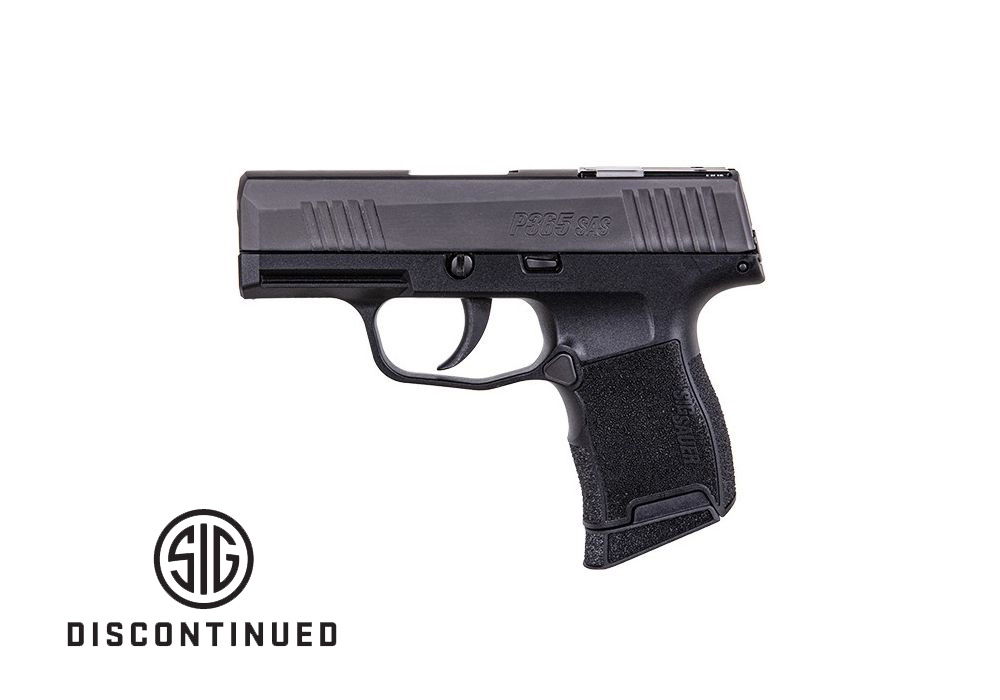
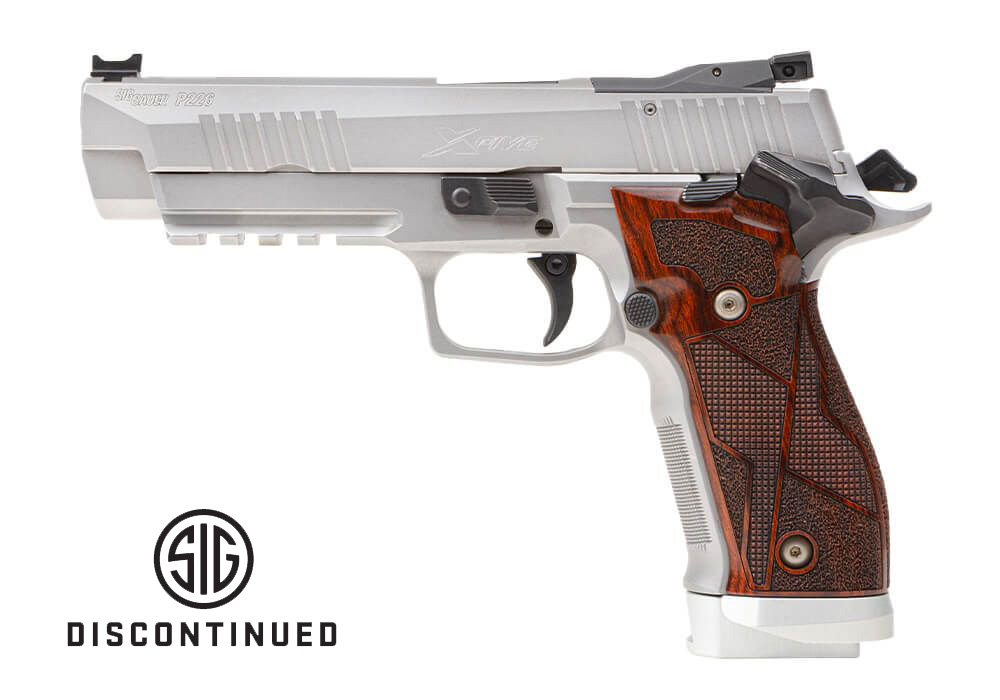
Equipment for realistic gun training helps create meaningful practice without relying exclusively on live ammunition or a trip to the range. The right setup can support new shooters learning the fundamentals, experienced owners maintaining familiar movements, private citizens building confidence for self-defense, and professionals refining procedures in a controlled environment. Realistic training equipment may include inert replicas, dry-fire tools, laser-based practice systems, diagnostic sensors, air-powered replicas, protective gear, targets, and accessories designed to reproduce the size, balance, controls, or visual presentation of a firearm. Each category serves a different purpose. Inert training guns are useful when the goal is to rehearse safe handling, presentation, holster work, or movement without ammunition. A well-designed replica can provide familiar grip geometry, sight placement, and control locations while keeping live ammunition completely out of the exercise. Explore Inert Training Guns for Self Defense when selecting dedicated tools for scenario-based practice. Dry-fire systems take that foundation further by adding a visible laser, electronic sensor, or app-based feedback. These systems can help a shooter observe sight movement, understand how trigger pressure affects alignment, and build consistency through short, repeatable sessions. A simple practice routine might take place in a quiet room with a clearly defined backstop, a small target, and enough space to move deliberately rather than hurriedly. The value comes from disciplined repetition: a steady grip, a controlled presentation, careful sight alignment, and a complete safety check before and after each session.
When choosing realistic gun training equipment, begin with the training objective rather than the most elaborate feature set. Someone working on trigger control may benefit from a dry-fire device that records movement or confirms a clean activation. A shooter focused on target transitions may prefer a laser system or electronic target arrangement that makes each hit easy to see and review. Those preparing for practical defensive scenarios may look for inert replicas or non-lethal training platforms that match the general dimensions, controls, and handling characteristics of the firearm they use for lawful purposes. Air-powered replicas can add a visible impact point and a more interactive exercise, while recoil-simulation systems may help users understand how movement affects their return to the sights. Because these platforms vary considerably, compare the operating system, dimensions, weight, control layout, magazine format, power source, and replacement-part availability before purchasing. Compatibility matters when equipment is designed around a particular firearm pattern or mounting system, and electronic tools should be checked for app support, charging requirements, data storage, and ease of setup. A first-time buyer may appreciate a straightforward kit that can be used with minimal preparation, while an instructor or experienced enthusiast may prefer modular equipment that supports multiple drills and users. Protective eyewear remains important for any activity involving projectiles, gas, pellets, or close-range interaction. Consider the practice environment as well: indoor spaces call for careful attention to ventilation, surface protection, noise, and a suitable backstop, while outdoor setups may require weather-resistant targets, stable stands, and visibility in changing light. During the cooler months, equipment that packs neatly into a range bag or can be used in a dedicated indoor area may make it easier to maintain a consistent routine when outdoor sessions are less convenient.
Realistic training equipment can also be a thoughtful gift for a responsible firearm owner, a new permit holder, a competitive shooter, or a family member who values structured preparation. It is especially useful for someone who has limited access to a range, wants to supplement formal instruction, or prefers short sessions that fit around work and household responsibilities. A gift recipient may value a quality training aid more than another decorative accessory because it supports an ongoing skill rather than sitting unused in a drawer. Look for features that make practice clear and repeatable, including visible feedback, durable construction, realistic ergonomics, easy-to-read targets, and instructions that encourage safe use. Training should always take place in an area free of live ammunition, with the equipment inspected before use and the intended activity explained to every participant. Anyone unfamiliar with safe firearm handling should seek instruction from a qualified professional, particularly before using realistic replicas in force-on-force or movement-based exercises. Separate training ammunition and live ammunition, follow applicable laws and manufacturer guidance, and use suitable protective equipment whenever the platform launches a projectile or produces impact. The most effective setup is not necessarily the most complicated one; it is the equipment that encourages careful habits and gets used consistently. A few focused minutes spent checking the training area, establishing a clear target, and reviewing performance can turn a quiet corner of a home or a supervised practice space into a deliberate learning environment. Over time, realistic gun training equipment can help make safe handling more familiar, feedback more measurable, and practice more purposeful for a wide range of responsible users.